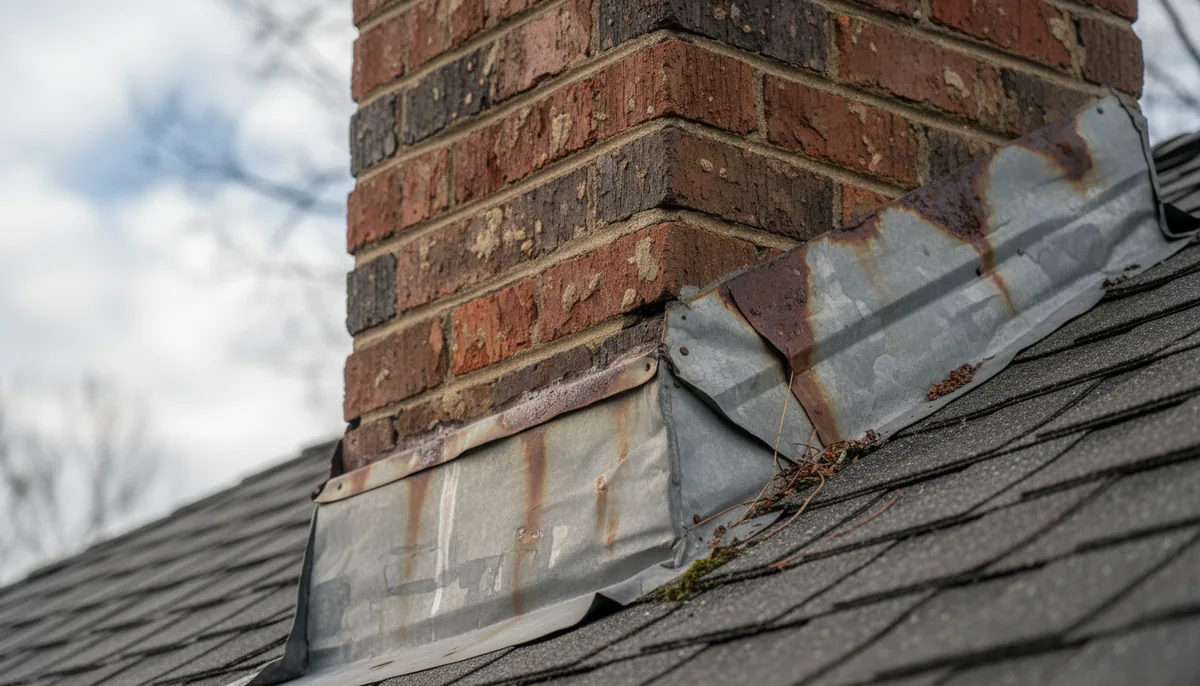
Roof deck damage prevention Florida — How Bad Is It, Really?
By Dale Prescott, Roofing contractor, Central Florida. Reviewed by Hal Winstead, Editor, licensed roofing contractor. The last time I saw it happen good was a tile roof in Melbourne, late August, right after the afternoon storms rolled through. The tile itself looked fine from the street—two or three cracked pieces, maybe a nail pop. Then my foreman pulled a shingle off the ridge and the decking underneath was black and soft as a sponge. You could push a screwdriver through it with your thumb. The homeowner had just had the tile “repaired” six months before, and the repair crew had nailed new tile right into wood that had been rotting for years.
That’s the thing about roof deck damage in this state. It hides. And by the time you see it, the repair you needed was a replacement all along. Let me tell you what I’ve learned tearing off storm-damaged roofs between Orlando and the coast, and what I’d actualy do about it if it were my house. If you’re shopping around, start with the roofing companies in Florida directory—but don’t hire anyone from a list without doing your homework first.
I’ve been running tile and shingle crews for twenty-two years. I’ve been wrong about this before, too. The rot you can see is never the whole story. The rot you can’t see is the story that costs you a new roof.
What we’re actually looking at under those tiles
We call the wood sheathing the “deck.” It’s the layer of plywood or OSB nailed over your trusses, and it’s what your shingles or tile actually fasten to. When it gets wet and stays wet, it rots. When it rots, the fasteners don’t hold. When the fasteners don’t hold, your next hurricane doesn’t just tear off a few shingles—it peels the whole roof system off like the lid on a tin can.
Most folks think a roof leak means water dripping in the living room. Sometimes you get lucky and that’s the case. But most of the time, water tracks down a rafter for six feet before it ever finds a ceiling. By the time it does, you’ve got a wet deck that’s been cooking in Florida heat for months.
The real damage happens after a storm, when water gets driven up under the shingles or tiles from wind. That water soaks into the deck from underneath, where you can’t see it. The shingles dry out on top. The wood underneath stays wet. In Florida, that wood stays wet from June to September just from the humidity, never mind an actual rain event. Call it a ticking clock. Give or take a few months, but it’s always ticking.
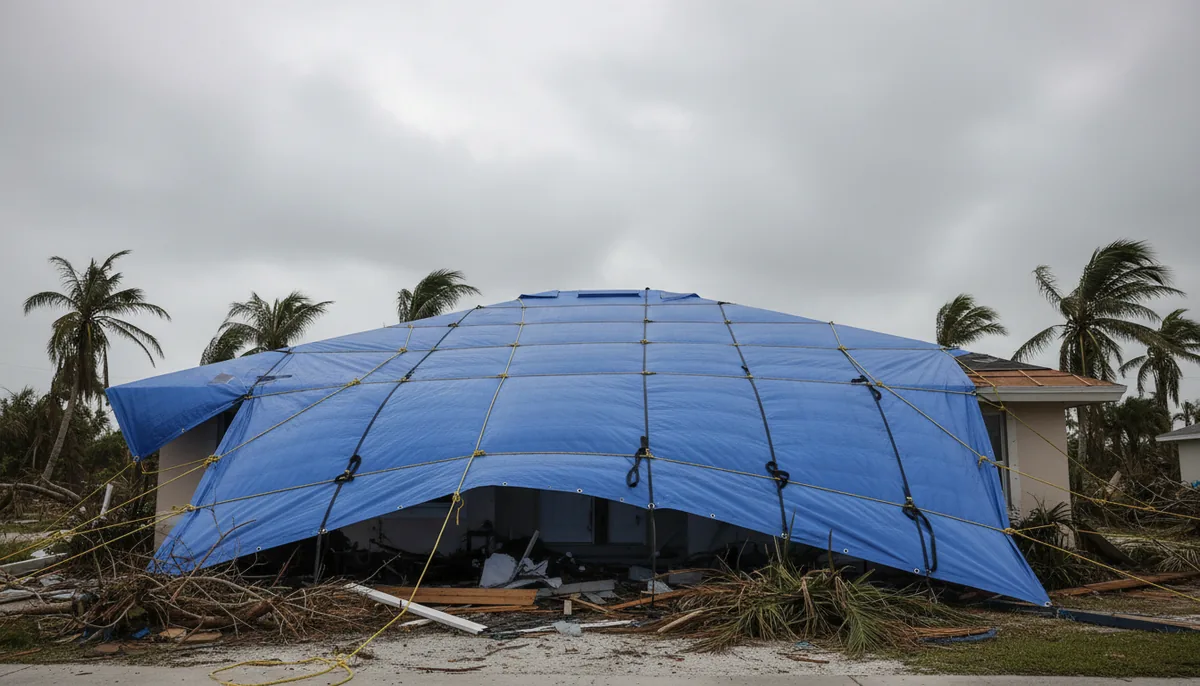
Why your “small leak” is never small
I had a customer last year in Winter Park who called about a single water spot on their dining room ceiling. Smallest stain you ever saw, the size of a dessert plate. I get up in the attic with a flashlight and the decking above that spot was mush for a three-foot radius. The shingles on the roof looked okay. The deck underneath was done.
That’s the thing about roof deck damage prevention in Florida. It isn’t about the roof you can see. It’s about the roof you can’t.
The whole roof had to come off. Not because the shingles were shot, but because the structural substrate—the part that actually holds the roof to the house—was gone. You can’t just nail new shingles into rotten wood. That’s called “decorating” and it’s a waste of your money.
Here’s a hard truth from someone who has torn off alot of roofs. If the deck is rotten in one spot, there’s a better than even chance it’s rotten in a few other spots too. Water gets in at a valley, runs along a seam, and wets a whole bay of decking. You might see one stain. I’ll find four seperate wet spots before I’m done walking the roof. Depends what is under there. But I’ve been doing this long enough to have a suspicious mind.
What I would actually do: If you’ve got a leak and I can’t see the deck clearly from the attic, I’m pulling a five-foot square of shingles off around the suspect area and looking at the actual wood. If the wood is wet or dark, I’m opening it up further until I find dry wood. If you don’t do this, you’re betting your whole deck on a guess.
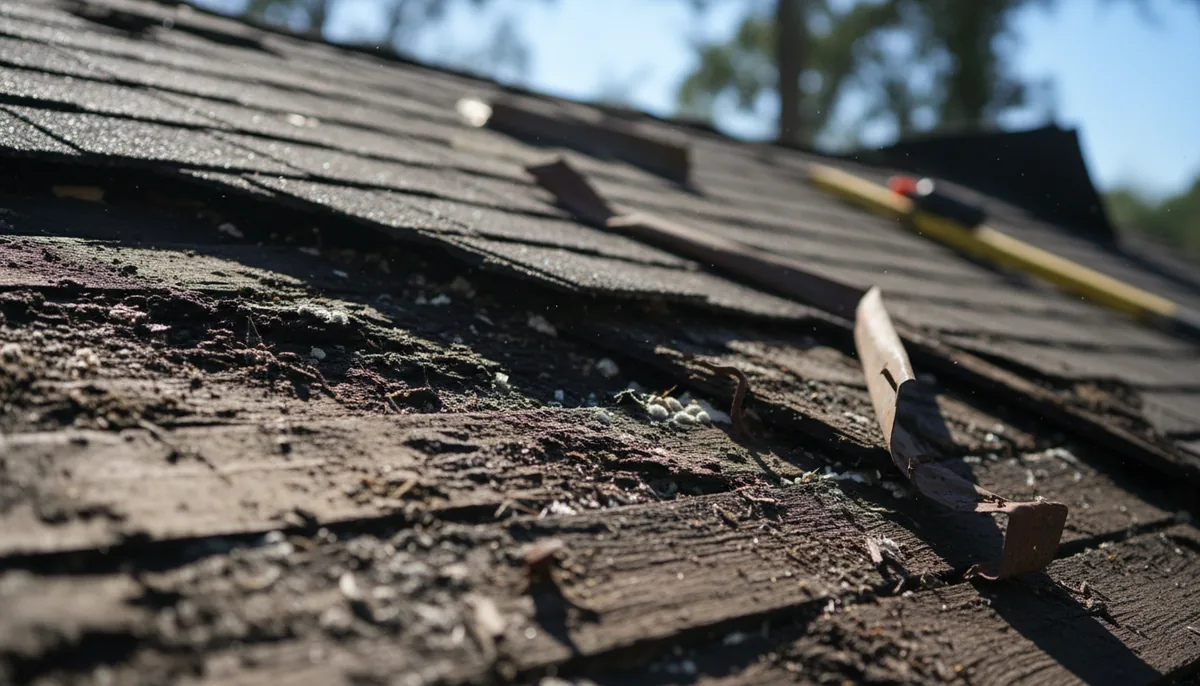
The permit rule that catches people out
If you’re going to replace a roof in Florida, you pull a permit from your local building department and you get an inspection at the end. A contractor who offers to skip that permit is a contractor to walk away from. An unpermitted roof can complicate an insurance claim and a future home sale, and that’s not me being dramatic—that’s me having seen it happen to people at closing tables.
There’s a related confusion that has messed up a lot of people since 2022. It comes from state legislation that changed how much of an existing roof we can repair without triggering a full replacement. The old rule said if you repaired or replaced more than a quarter of a roof in a year, you had to bring the whole roof up to current code. That rule came from the Florida Building Code. Then SB 4-D (2022) changed things for a lot of homeowners.
Here’s the practical version. If your roof was built, repaired, or replaced to the 2007 Florida Building Code or a later edition—that code edition took effect back on March 1st, 2009—then the new law says only the portion being worked on has to meet current code. A full roof replacement isn’t automatically triggered just because you’re fixing a section. If your roof is older than that, the old rule generally still applies.
So when I tell you we might only be able to patch a section of your roof, or when I tell you the whole thing has to come off, that’s not me trying to upsell you. That’s me telling you what your local building department is going to require before they sign off on the permit. I don’t make the rules. I just have to build to them.
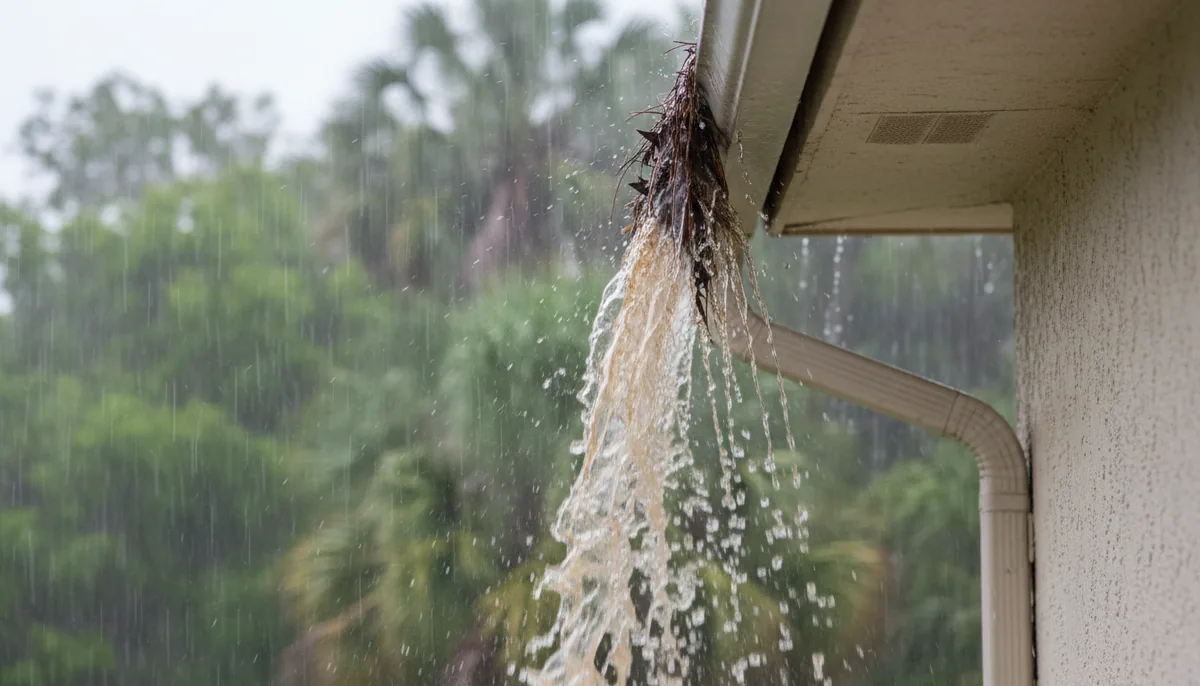
The insurance claim clock is not your friend
This one burns people every single month. Under Florida law, you have a deadline to notify your insurance company after a loss. The law is set out in Florida Statute 627.70132, and it was tightened in 2022. You’ve got one year from the date of loss to give notice for an initial property insurance claim. For a supplemental claim—that’s when you find more damage after the original repair started—you’ve got eighteen months from the date of loss.
This matters a ton for roof deck damage. Why? Because damage to wood decks often gets discovered months after the storm, when a roofer opens up the roof and finds the rot underneath. The clock doesn’t run from when you discovered it. It runs from when the damage happened. If the storm was in September and you call your insurer in October of the next year, you might already be too late. Missing the deadline gives the insurer a complete defense, even on a loss your policy would otherwise cover. I’ve seen that happen to a retired couple in Deltona, and it was not a pretty sight.
So the roof deck damage prevention Florida homeowners need to worry about isn’t just wood rot. It’s claim rot. Don’t sit on a small leak waiting to see if it gets worse. You’re burning your own deadline.
I will say it one more time. I’m a contractor, not a lawyer and not an adjuster. Different policies cover different things. Read your declarations page. If you’re in doubt about a claim, note that the form the state uses for property insurance communication is form OIR-B1-1802, and you should check what your own policy says before you trust anything I tell you about coverage.
What I would actually do: If I found rotten decking on a roof I was inspecting, I would tell the homeowner to file the claim immediatly, even if they weren’t sure the damage was covered. Let the insurance company tell you no. Do not let the calendar tell you no without ever asking. Then I’d wait for their adjuster before I opened anything else up beyond what was needed for the initial inspection.
Let me check your contractor’s license first
I’m going to climb down off my soapbox for a second and get practical. If you’re going to have anyone work on your roof, verify their license before you sign anything. Roofing contractors in Florida are licensed by the Department of Business and Professional Regulation—the DBPR. The license prefixes matter. A certified roofing contractor holds a license starting with the prefix CCC and can work anywhere in the state. A registered roofing contractor holds a license starting with the prefix RC and can only work in the local jurisdiction that issued it.
The directory I mentioned earlier verifies licenses against the DBPR roll, so that’s a fine place to start. But you can also look it up yourself. That takes two minutes and protects you from a world of pain.
The reason I’m harping on this is that roof deck damage isn’t always visible to the naked eye from the ground. You need someone who knows where to look and what wet wood smells like, and a guy with a truck and a magnetic sign is not necessarily that person. I have gone behind “roofers” who nailed new shingles over decking that was visibly sagging. The homeowner paid twice. Once for the bad repair. Once for me to tear it off and do it right.
What roof deck damage prevention Florida homeowners can actually do
Prevention is not complicated. It’s just hard to make yourself do it when nothing looks wrong.
First, get your roof inspected after every big storm event, not just when you see a leak. A storm that doesn’t leak today can still compromise the deck. Water driven by wind can work it's way under laps and sit there. A good inspector with a moisture meter can find wet spots before the wood starts to rot. That’s the cheapest repair you will ever buy.
Second, keep your attic ventilated. I know that sounds boring. But a hot, humid attic with poor airflow will sweat, and that condensation will rot your deck from the underside. I’ve torn off roofs in places where the deck rotted from the inside out with zero roof leaks ever. The whole problem was a attic fan that didn’t work and a couple of blocked soffit vents.
Third, if you’re in a wind zone, check your gable end walls after storms. That’s where a lot of water gets pushed into the roof system, because the wind pressurizes the attic and forces moist air up into the deck. And if you ever see dark stains on your ceiling joists in the attic, that’s not cosmetic. That’s water that has already been there and gone. The damage is done by then.
Fourth, fix small problems fast. A single lifted shingle or a cracked tile might not leak today. But every afternoon thunderstorm in Central Florida is a chance for water to get under it. And once that water finds a seam in the underlayment, the deck is the next thing it touches. Fast fix. Cheap. Slow fix. New roof.
Questions I get asked
How bad is roof deck damage in Florida really?
Bad enough that I make a living tearing off other people’s mistakes. Most homes built before the early 2000s have either plywood or OSB decking that has spent decades in a hot, humid environment. If there’s been any history of leaks, the deck is suspect. I walk into attics all the time where the homeowner had no idea the wood was wet.
If my shingles are new, doesn’t that mean my deck is fine?
No. I see brand-new roofs on rotten decks all the time. Somebody put a new cover on an old book without checking the binding. If the deck was wet when the new roof went on, the new roof just sealed the moisture in. The rot doesn’t stop because you put new shingles over it. It keeps going, and it’s just hidden.
Do I have to replace my whole roof because of the old 25% rule?
Maybe. It depends on what code your existing roof was built to. If your roof was built to the 2007 code or later, SB 4-D (2022) means only the repaired section needs to meet current code. If it’s older, the general rule about repairing or replacing more than 25% in a twelve-month period can trigger a full replacement. Ask your contractor and check with your local building department.
What does a rotted deck look like from the attic?
It looks like a dark, damp patch on the wood. Sometimes it’s black. Sometimes it’s just darker than the surrounding wood. If you poke it with a screwdriver and it gives or sinks in, you’ve got rot. Dry, sound wood is hard. Soft wood means water has been there a while.
My insurance company said I waited too long to file. Is that legal?
Probably, if it’s been more than a year since the damage happened. That one-year deadline for an initial claim and eighteen months for a supplemental claim is in Florida law. It’s a hard deadline. I know it’s frustrating. I’ve had customers cry over it. But the law is the law, and your insurer doesn’t have to pay if you miss it.
Should I get a full roof inspection even if my roof is new?
Yes, especially in Florida. I’ve seen newer roofs with installation defects that caused deck damage within two years. Nails driven too high, missing underlayment in a valley, improper flashing. A good inspection costs a little money and can save you from a full replacement. That’s the best roof deck damage prevention Florida money can buy.