Roof inspection south florida: The Florida Guide
By Marcy Doleman, Commercial roofing estimator. Reviewed by Hal Winstead, Editor, licensed roofing contractor.
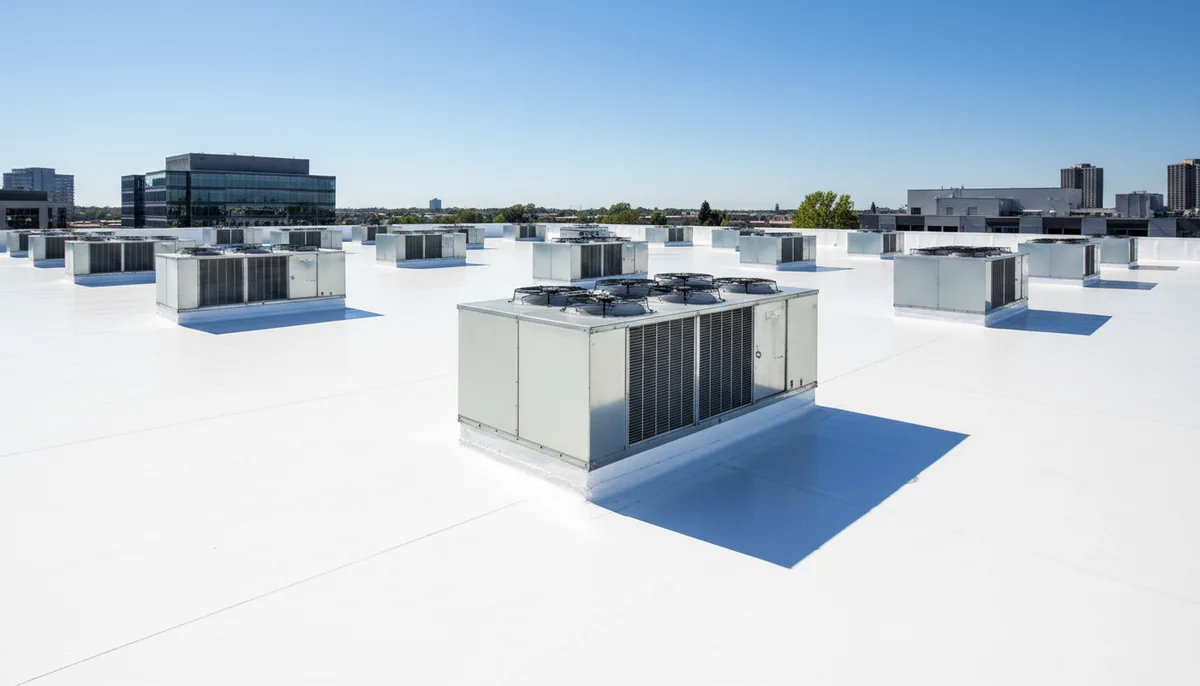
I was standing on a warehouse roof in Pompano Beach last June, boots sinking into a modified bitumen membrane that had blistered up like an old pizza, when the owner shouted from the loading dock: "Can't you just coat over it and call it done?" It was ninety-five degrees, the water sitting under that membrane had nowhere to go, and calling it done would have meant calling it a lie. That afternoon is half the reason I start every job with an inspection instead of a number. Start with the state contractor roll, or with something like the roofing companies in Florida directory, but don't let anyone put a ladder up until you've checked the licence.
Because here's the truth about this state: the prettiest roof in South Florida can be rotten by Tuesday. The sun beats the top layer brittle while moisture below works it's way along the deck. I don't say that to scare you. I say it because a roof inspection south florida ought to catch more than storm damage; it ought to tell you what's happening underneath.
Before you call anyone, understand how Florida licenses roofers. Contractors answer to the Department of Business and Professional Regulation, so look at the DBPR licence prefixes CCC and RC. A certified contractor, CCC, can work anywhere in the state. A registered contractor, RC, is limited to the jurisdiction that licensed it, which means an RC from Broward probably can't legally chase work in Dade. Verify that the number is active, too. The roll is public, and you should treat it like a door lock: check it twice.
What a roof inspection in South Florida should show you
An inspection is a snapshot, not a guarantee. A good one splits the roof into four things: the membrane, the insulation, the deck, and the fasteners holding it all down. On flat and low-slope work — TPO, modified bitumen, coatings — I spend as much time inside the building as on top of it. I pop ceiling tiles. I look for rust tracks along the underside of the metal deck. I smell for damp fiberglass. A roof can read dry on top and still hold water in the system, and the only way to know is to go underneath.
What I would actually do: cut a core sample at the lowest spot and put the plug back before I quoted you a coating. That's how you know the coating is going onto a dry roof.
Depending what is under there, I might push a moisture meter over large areas. I won't pretend those readings are perfect. They're a point of reference, give or take. But between the core sample and the meter, you know what you're dealing with. That beats a guy pacing off the perimeter, shading his eyes, and telling you it's a five-square job.
The 25% rule and the change roofers keep misquoting
For years, the Florida Building Code had a genuine kicker: if more than 25% of a roof's area was repaired or replaced in any twelve-month period, the whole roof had to be brought up to current code. That forced owners to replace roofs they came in to patch. I saw it happen over and over. Then SB 4-D (2022) changed it. If a roof was built, repaired or replaced to the 2007 Florida Building Code or a later edition, then only the portion you're working on has to meet current code. The whole-roof replacement no longer triggers automatically. But the catch is the date: the 2007 code took effect on 1 March 2009. A roof finished before that generally does not qualify for the easier rule, and a roofer who tells you otherwise is either guessing or selling something.
Wind mitigation inspections: what they actually do
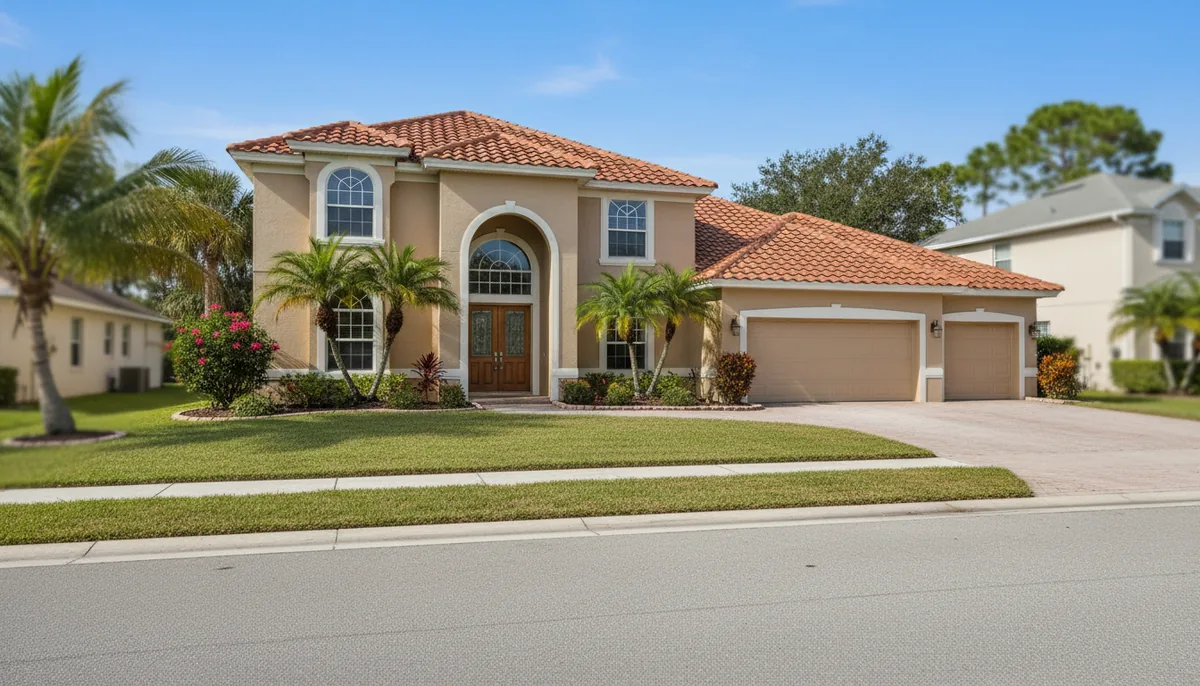
In Florida, wind mitigation inspections are part of the insurance conversation, and I want to be carefull here, because I'm not an adjuster and I don't sell policies. A wind mitigation inspection documents six things: roof covering, roof deck attachment, roof-to-wall connections, roof geometry, secondary water resistance, and opening protection. Insurers are required to offer premium discounts when those features qualify, and the standard inspection form is OIR-B1-1802. If the report shows a roof that can take a beating, the annual discount is usually worth more than the inspection costs. What it does for your particular bill? Coverage varies, so read your declarations page and talk to your agent. Florida Statute 627.70132 is the one I see referenced the most.
And for homeowners reading this — not the folks who own warehouses — there are programs like My Safe Florida Home and carriers like Citizens Property Insurance Corporation. I estimate commercial roofs for a living, so I'll send you to your insurance agent for the fine print.
Pull a permit or find another roofer
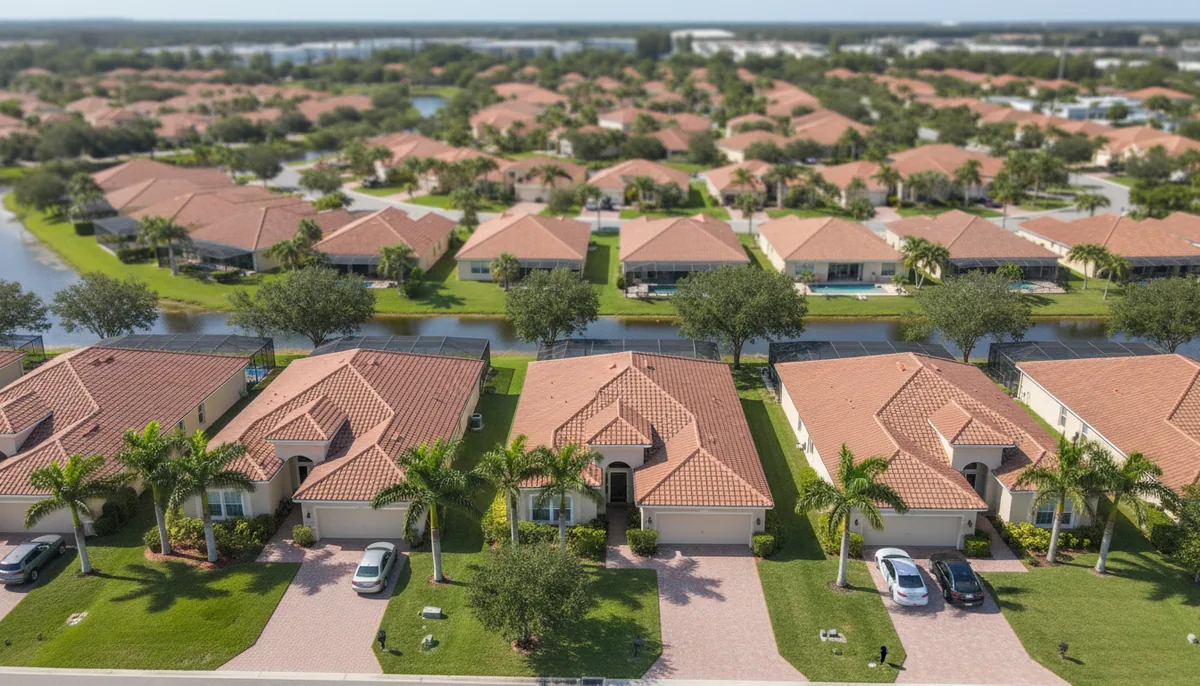
Every roof replacement in Florida carries two things: a permit from the local building department and a final inspection to close that permit out. A contractor who offers to skip the permit isn't doing you a favor. He's doing himself one. An unpermitted roof can complicate an insurance claim later and can make a buyer walk away from a sale, too. If a contractor says the permit "isn't needed for a repair this small," he needs to show you the code. Don't take his word. Take his licence number. This is also where the DBPR licence prefixes CCC and RC matter again: the person pulling the permit should hold a licence that covers the job location.
What I would actually do: call the local building department myself before I hired anyone. Ask wether the roof work takes a permit and whether the contractor's licence prefix matches the jurisdiction. Ten-minute call, no lawyer required.
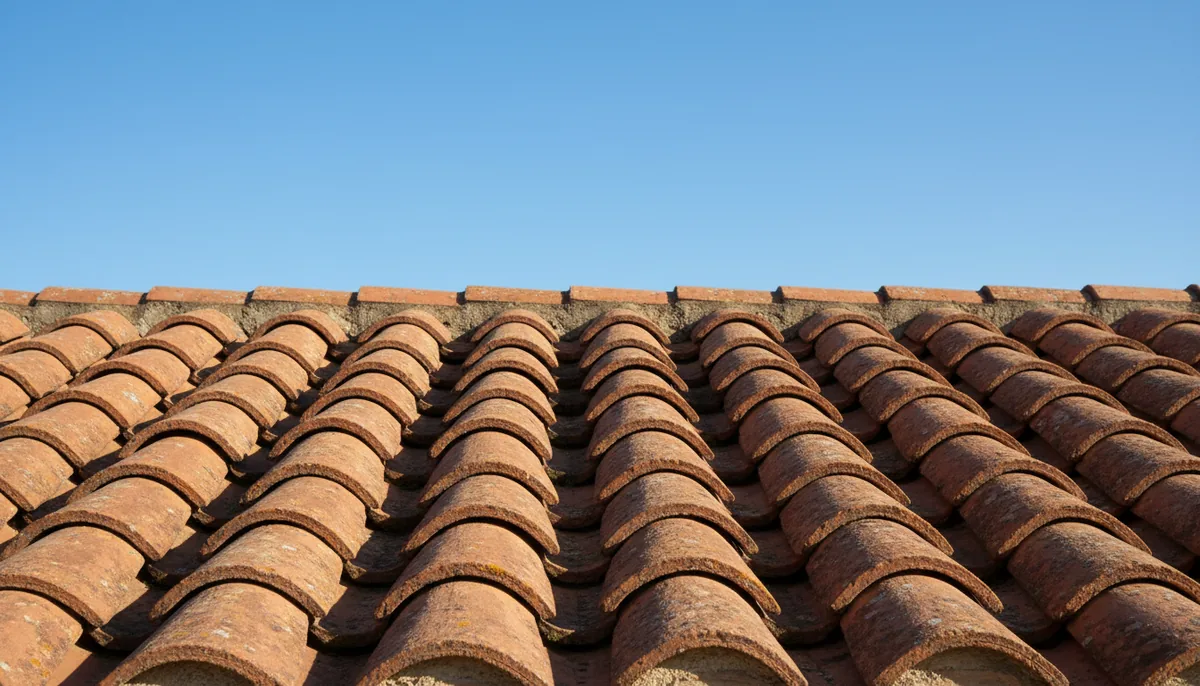
What I look for on commercial roofs before I write a number
This job ruins you for pretty roofs. On TPO, I check seam welds and termination bars. On modified bitumen, I look for blisters and fishmouths and old patches that never bonded. On a coating system, I look for the patch that someone troweled over a wet deck six months ago. A customer in Doral once asked me to inspect only the newer half of his warehouse because the other half was going to be replaced anyway. As if moisture under the old half would politely stop at the roofline. It was a beautifull thought, and dead wrong.
From the inside, I check the deck for corrosion at the fastener points and the low spots. I of been wrong about this before, so now I look at the drawings when they exist. Standing water is the enemy. A roof with perfect lap seams and a blocked strainer becomes a pool, and a pool becomes a liability. And any existing roof's insulation may be wet even when the top surface is dry. Depends what is under there. An inspection tells us which kind of gamble we're taking.
Questions I get asked
How much does a roof inspection in south Florida cost?
It's not a flat price, so I won't pretend it is. I price by the square or by the hour, depending on the pitch, the access, and how many layers are stacked up there. It's a small fraction of the roof replacement you might be avoiding, and it can be less than the insurance discount it earns you.
Do I have to replace my whole roof if I repair more than 25% of it?
Not anymore, for many roofs. SB 4-D (2022) changed Florida's rule, so if your roof was built under the 2007 Florida Building Code or later, only the part you're repairing needs to meet current code. Roofs completed before 1 March 2009 are the ones that generally