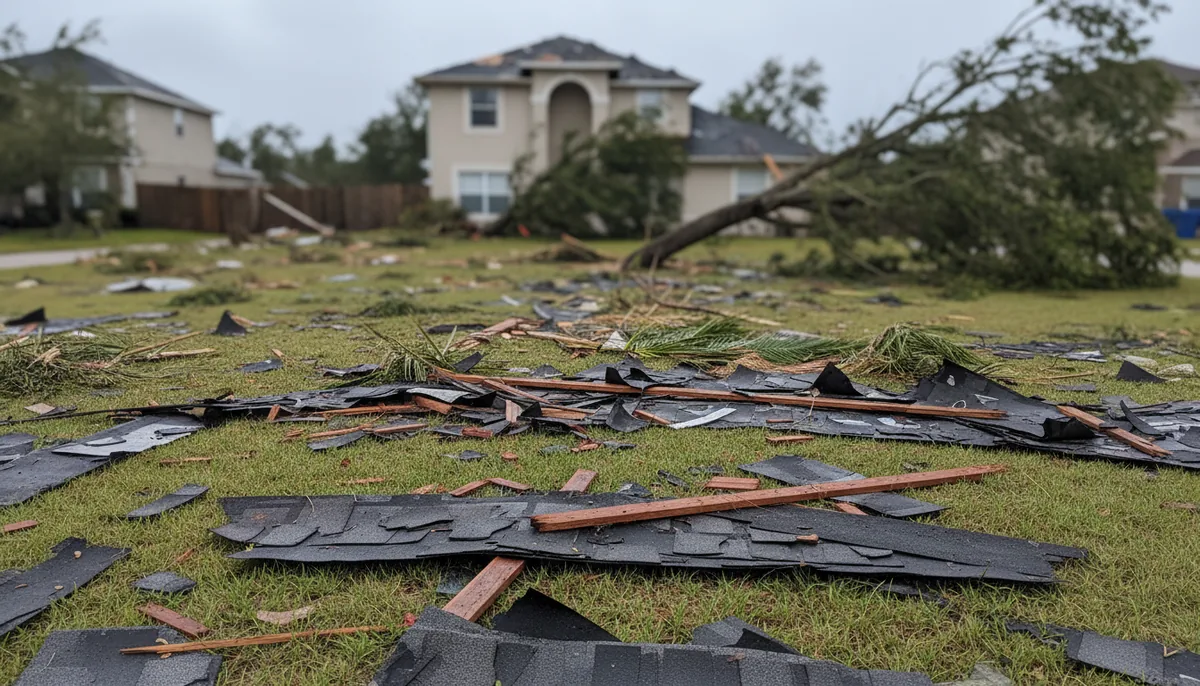
Roof leak attorney Florida — How Bad Is It, Really?
By Dale Prescott, Roofing contractor, Central Florida. Reviewed by Hal Winstead, Editor, licensed roofing contractor. The worst one wasn't the hurricane. It was a Tuesday in March, no wind to speak of, on a barrel tile roof in Winter Park. A 4,000-square-foot monster with a valley that had been flashing tape instead of proper metal. We tore it off and found the deck soaked through, and the homeowner—a sharp lady who had already emailed me three times that morning—stood in the drive asking if she could sue the guy who installed it five years prior. I told her she could sue anybody. That didn't mean she'd win.
That's the moment I always come back to when someone uses the phrase "roof leak attorney florida." Because most people don't need a lawyer. They need a tarp, a checkbook, and a roofer who will tell them the truth. But sometimes—not often—a leak turns into a war, and you need to know how the rules actually work before you start slinging accusations. I'll walk you through what I of seen from my side of the ladder, and if you just need the leak stopped today, the leak repair companies in Florida are a good place to start looking for someone who will actually show up.
I have been doing this for twenty-two years between Orlando and the coast. I have torn off roofs that were installed three years ago and already failing. I have also seen homeowners panic and threaten lawsuits over a single nail pop that cost sixty bucks to fix. The law is a tool, not a hammer. You need to know when to use it.
Why a roofer is talking about lawyers
Because you're searching for one. And because the insurance world has changed so much since 2022 that alot of the old advice circulating at dinner parties is dead wrong. You need to understand the deadlines before you understand anything else.
The big one is Florida Statute 627.70132. As amended in 2022, you have one year from the date of loss to notify your insurer about an initial or reopened claim. For a supplemental claim, you have eighteen months. It used to be three years, which was plenty. Now the clock is tight, and it runs from the date the damage happened, not the date you spotted the stain on your ceiling.
If you miss that deadline, the insurer has a complete defense. Even if your policy covers it. Even if it's a thousand gallons of water ruining your drywall. The carrier can just say "too late" and hang up. I have been wrong about this before—thought a homeowner had plenty of time and told them to wait until they had multiple quotes. That was bad advice under the old rules. Under the new ones, it would be malpractice.
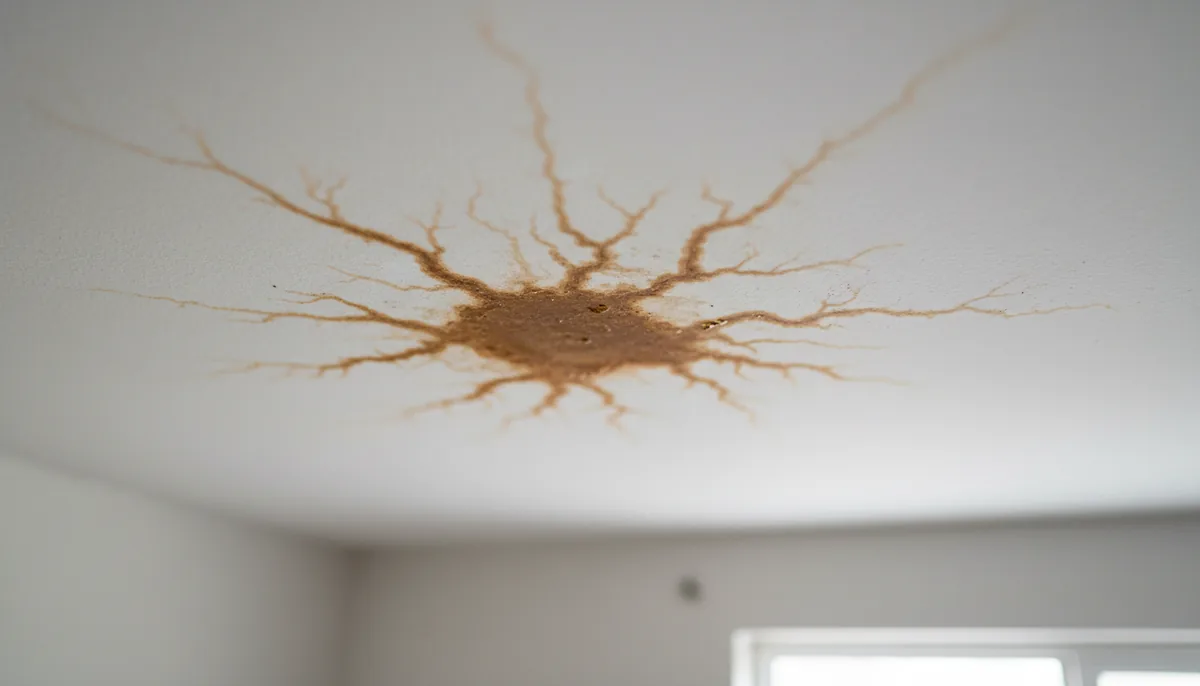
The 25 percent rule got gutted—and it mattered
You probably heard about Florida's "25% rule." It came from the Florida Building Code, and the old version said you couldn't repair or replace more than a quarter of your roof in a twelve-month period without bringing the whole thing up to current code. That was a massive deal. It meant a small leak could trigger a full replacement bill because code compliance dragged everything else along with it.
SB 4-D (2022) changed that. If your roof was built, repaired, or replaced to the 2007 Florida Building Code or any later edition, then only the portion you're working on has to meet current code. No more automatic full-roof trigger.
But here's the catch. The 2007 code took effect on March 1, 2009. If your roof went on before that date, you generally don't qualify for the break. So a roofer who tells you "we can just patch that section" without asking when the roof was built is not doing his homework. And a homeowner who hears "it's a simple repair" on a 2005 roof should be asking a lot more questions. Call it the single biggest change in my working life, and most people still don't know it exists.
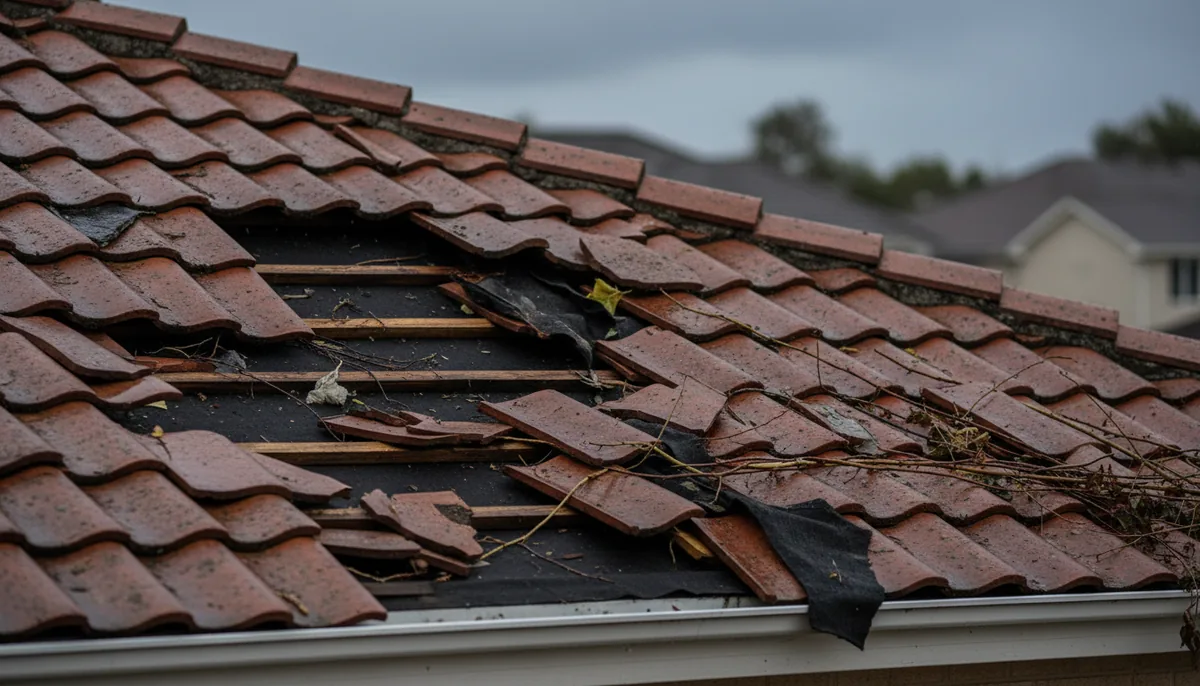
The permit is not optional
A roof replacement in Florida requires a permit from your local building department and an inspection. That is not a suggestion. That is the law, and it exists because roofs blow off in this state and kill people.
A contractor who offers to skip the permit is a contractor to walk away from. I don't care how good his price is. An unpermitted roof can complicate an insurance claim after a storm, and it can absolutely blow up a home sale when the buyer's inspector pulls the records. I have seen a nine-thousand-dollar repair job scuttle a three-hundred-thousand-dollar sale because nobody pulled a permit.
Some folks think permits are just a tax. Fine. Think that. But the inspection caught a real problem on a job I did in Lakeland two years ago—a step flashing detail that would have leaked in five years. The inspector flagged it. The fix cost me a half-day. It would have cost the homeowner thousands later. That is the system working.
What I would actually do: Before you hire anyone, check your contractor's license on the DBPR roll. Look for the "CCC" or "RC" prefix. A certified contractor—CCC—can work anywhere in the state. A registered contractor—RC—is limited to the jurisdiction that licensed them. Verify the number is active. It takes two minutes.
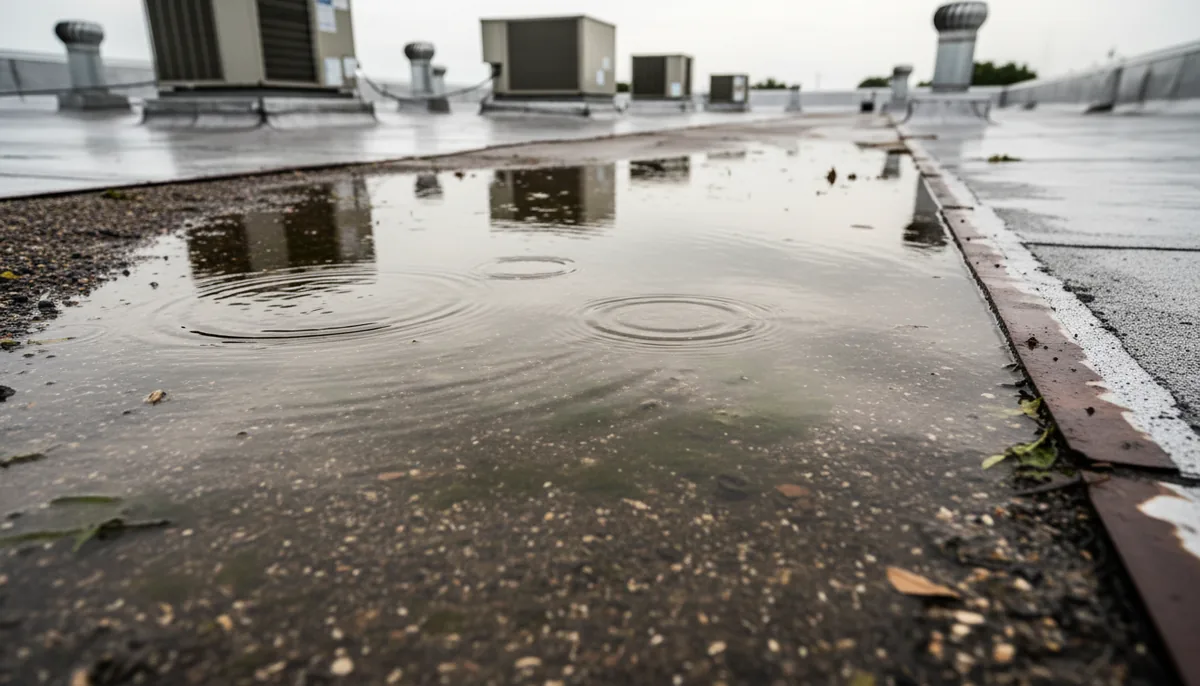
Water does not care about your lawyer
Here is the part that gets me in trouble with people. You can hire the best roof leak attorney florida has ever produced, and the attorney will not dry out your insulation. The attorney will not find the second leak that is running down a pipe chase and rotting the subfloor.
A leak is a physical problem. It needs a physical solution. That means someone on your roof, in the heat, pulling shingles or tiles and looking at the actual damage. That costs money before you know the full extent. And the meter on a lawyer runs faster than mine does.
I am not saying don't call a lawyer. I am saying call the roofer first. Get the leak traced. Get a written report with photos. Then, if the contractor who created the problem won't make it right, or the insurance company is playing games with the deadline, you have ammunition for the attorney. You don't sue first and investigate later—not in this economy.
When a "roof leak attorney florida" actually makes sense
There are times when you need counsel. If your claim is denied and you beleive it was covered, talk to a lawyer who handles property insurance disputes. If a contractor took your money and vanished, yes, that is a legal issue. If the damage came from a defect in a roof installed three months ago and the installer is refusing to return calls, that is a breach of contract.
But the decision to litigate has to be economic. A lawsuit can take years. Meanwhile, the leak is still dripping. You need to ask yourself whether the fix is cheaper than the fight. Often it is not, especially if the repair is localized.
What I would actually do: Get three estimates in writing. Tell each roofer you want the cause identified, not just a price. If two of them point to the same flashing detail or the same failed pipe boot, you have found your problem. Then you can decide who pays for it.
Florida Statute 627.70132 will bite you
I mentioned it before, but it bears repeating because I keep seeing it. The deadline for an initial claim is one year from the date of loss. A supplemental claim gets eighteen months. The clock does not wait for you to discover the leak. It starts when the damage happens.
This is counterintuitive. A slow leak under a tile roof can go unnoticed for months. By the time you see the stain, the year may have already passed. That is not hypothetical—that is a call I had last summer with a lady in Sanford whose roof had been leaking since the previous August. She found the stain in June. She was outside the window. Her own policy was no help because she never gave notice.
She asked if she could sue the roofer who had done a repair two years before. Maybe. But the insurance ship had sailed, and she was looking at a full deck replacement—water had been tunneling along the rafters for almost a year. The moral is not "sue faster." The moral is "inspect sooner." Get on the roof after every big storm. Check the attic after heavy rain. Look for the small signs before they become the big bill.
Your policy is a contract, not a guarantee
Folks get confused about what coverage they actually have. I understand why. The declarations page is written in a language that barely resembles English. But I cannot tell you what your policy covers, and neither can a roofer who hasn't read it.
Read your declarations page. Look for the deductibles. Look for the exclusions. If you have questions, call your agent and ask them to explain it in plain words. If you have a Citizens Property Insurance Corporation policy, the rules may feel different, but the deadline still applies. There are also programs like My Safe Florida Home that may help with mitigation, but that is a seperate process from a leak claim.
And if you had storm damage and filed a claim, you should have received form OIR-B1-1802 with your settlement paperwork. It is a disclosure form. Read it. It tells you things about your claim that the adjuster might not have explained.
Some hard truth about the adjuster
The adjuster works for the insurance company. That does not make them evil, but it makes them biased. They are looking for a reason to pay less, because the company pays them to be thorough. I have seen adjusters miss obvious damage. I have also seen adjusters write checks for more than I expected. It depends on who is standing on the roof.
When the adjuster comes, have your own documentation ready. Photograph everything. Save receipts. If you already have a roofer's written opinion, share it. But do not argue with the adjuster on the spot. Argue with the paper later.
What I would actually do: After the adjuster leaves, take your own photos from the same angles. Note the condition of the roof. If they had to see a leak location, ask what they saw. If their report later contradicts their on-site comments, that documentation is gold.
Loose shingle in the yard is not an emergency
I have been on calls where a homeowner is ready to invoke the nuclear option because a single shingle blew off in a thunderstorm. That is not a legal problem. That is a sixty-dollar repair. And it is not an emergency. Wait for dry weather.
But when a tree limb punches a hole through the deck and rain is pouring into the living room, that is an emergency. Get someone out to tarp it. Do not wait for the insurance adjuster. Do not document first. Stop the water. Then deal with the paperwork.
Questions I get asked
Do I need a roof leak attorney florida just because a roofer told me my roof is bad?
No. A roofer who wants to sell you a new roof will often call the old one defective. Get a second opinion before you talk to a lawyer. Roofs wear out; that is not the same as a defect.
I just found a leak. How fast do I need to call my insurance?
Call today. Not tomorrow. The clock under Florida Statute 627.70132 starts on the date of loss, and you may not know when that was. Give your insurer notice right now, even if you decide to pay for the repair yourself later.
What happens if I miss the two-year window?
There is no two-year window anymore. The one-year and eighteen-month windows are the law. If you miss them, the insurer has a complete defense. A lawyer may still help if the damage was hidden and you can prove it, but you are fighting uphill.
Can I have a contractor do the work without pulling the permit?
You can ask. They will say no if they are licensed and smart. An unpermitted roof means the city never looked at it, which means you own the risk. I would not do it on my own house, and I definately would not let a stranger do it to yours.
How much does a roof leak attorney cost?
I am not a lawyer, so I will not quote fees. I will tell you that legal bills run faster than roofing bills, and a roofing bill already feels like too much. Get the leak fixed first, then decide if the fight is worth the fee.
What if the leak was caused by poor installation five years ago?
That is a claim against the contractor, and their license bond might help. Check the status of their license on the DBPR roll. If they are still active, you have options. If they shut down, you may have no recourse except the bond or a lawsuit.
Look, I am not here to sell you a lawsuit or to talk you out of one. I am here to tell you that most leaks are problems, not tragedies. Water is patient. It will find the low spot every time. Your job is to find the leak, fix it, and only then sort out who owes what. If you need a list of people who can do that work, the directory is a decent place to start. And if you need a lawyer, hire one. Just make sure you have already done the homework they would have asked for anyway.