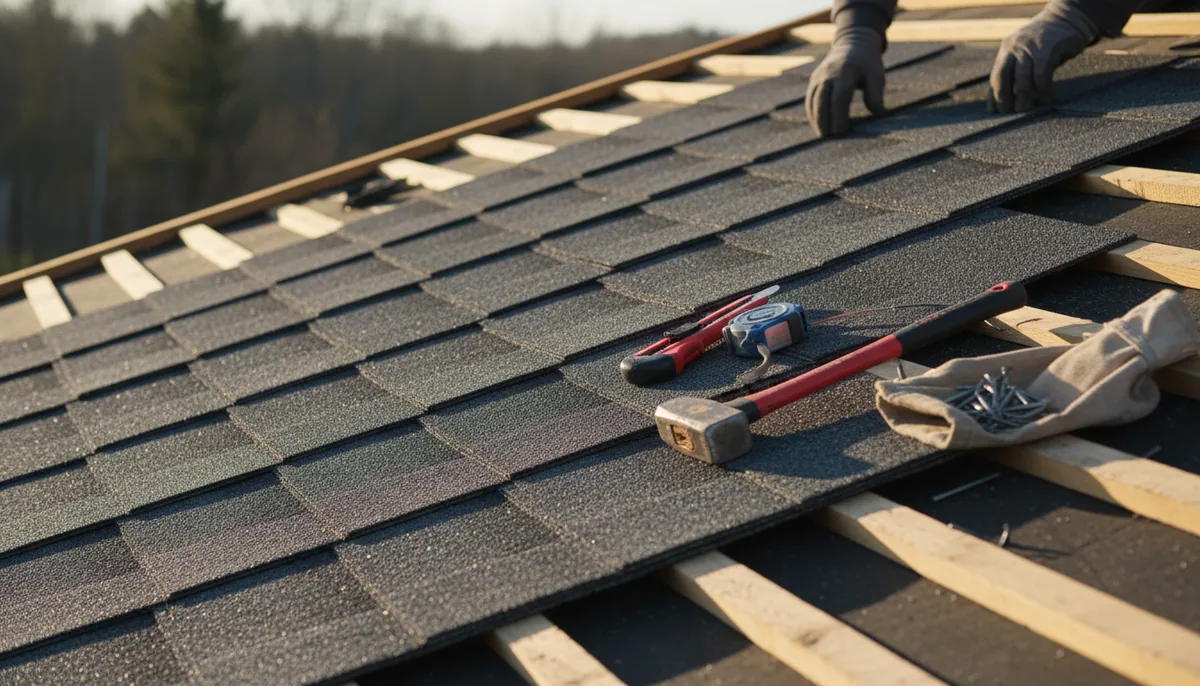
Roof loans Florida: The Florida Guide
By Dale Prescott, Roofing contractor, Central Florida. Reviewed by Hal Winstead, Editor, licensed roofing contractor. I was standing on a tile roof in Lakeland in July, heat coming off the barrel tiles like a griddle, when the homeowner asked if I could just "patch the bad spot" so his insurance would maybe cover the rest later. I told him no. Then I pulled up the next tile and the deck under it was powder. That conversation is half my job. People aren't trying to cheat anybody. They just don't know who to trust or where the money's supposed to come from. If you're staring down a roof that's finally done for, and you're already worrying about the bill, you're in the right place. This is the practical Florida guide to paying for it, written by a guy who has torn off more storm-damaged roofs than he cares to count. And if you decide you need a second set of hands to look at your deck, the roofing companies in Florida directory can get you started on who to call. For the shortlist itself, roofing companies in Florida is where I send people.
I'm Dale Prescott. Twenty-two years running tile and shingle crews between Orlando and the coast. I've replaced roofs that were hit by literal tornadoes and roofs that just got old. Some of the worst damage I see isn't from the storm. It's from the repair guy who showed up three days after the storm and said the insurance company would "take care of it." Ninety percent of what I do is honest work. The other ten percent is undoing the lies other contractors told.
Here is the plain truth about roofs in Florida. They cost real money. You are going to pay for one eventually. The question is wether you pay a little every month on a loan, whether you get some help from a grant program, whether your insurance comes through, or whether you put it on a credit card and hate yourself later. Let me walk you through it the way I would for my own sister.
Let's talk about the money first: loans versus grants
Most folks ask me about the "free money" first. Let me be straight with you. There are very few outright grants for roof replacement Florida homeowners can just apply for and get cash handed over. The big one people mean is the My Safe Florida Home program. That program is real. It funds wind mitigation improvements and can help harden your roof. But it's not a blank check, and it's not available to everybody. It's typically for homesteaded properties, and there's an income cap that changes. You have to apply, get an inspection, and the work has to meet specific standards. I of seen this program do real good for people. I've also seen folks miss the window because they waited.
What most people actualy end up needing is a loan. A roof loan in Florida is usually an unsecured personal loan or a home improvement loan. Some are tied to your home equity. The rates and terms differ, and I am not a financial advisor, so I'm not going to tell you which one to pick. What I will tell you is to read the fine print. Some of these "no interest for 18 months" deals turn into a monster if you don't pay them off in the window. And the contractor who insists you finance through his "partner" company? Ask yourself why he's so pushy about that.
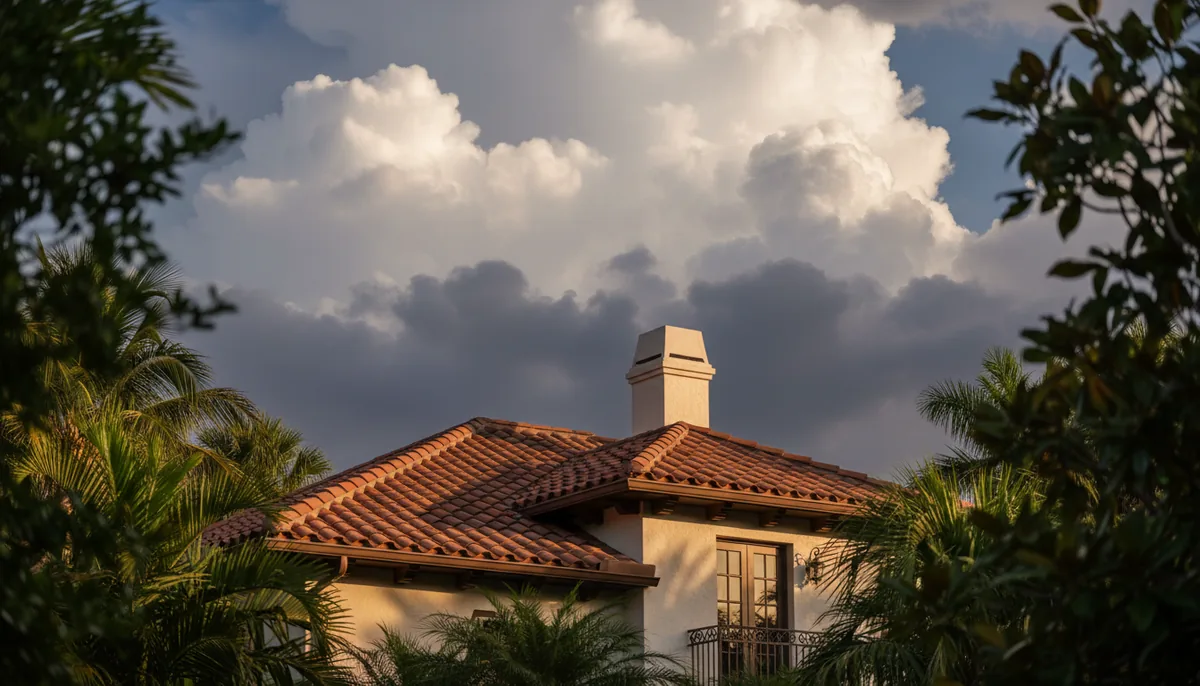
Let's talk about the "25% rule" because everybody gets this wrong
Ask ten people about roofing in Florida and maybe six of them have heard of the "25% rule." They think if they patch less than a quarter of the roof, they won't have to replace the whole thing. That law changed. It changed in 2022 with SB 4-D (2022). If your roof was built or fully replaced under the 2007 Florida Building Code or anything newer, you don't automatically have to bring the whole roof up to code just because you're repairing a section. Only the part you're working on needs to meet current code. That's a huge deal.
But here is the catch that catches people. The 2007 code took effect in March of 2009. If your roof is older than that, and you're in a situation where the building official requires you to bring things up to code, you might be staring at a full replacement. That eight-year-old roof with a leak near the chimney? You might get away with a repair. That roof from 2004 with a leak in the same spot? Don't be surprised if the permit proccess gets complicated.
What I would actually do: Before you spend a dime on any repair, call the local building department and ask how they're enforcing SB 4-D (2022). Ask them specifically if your roof's construction date matters for the permit. It costs nothing and can save you from paying for work that the inspector will later make you tear off.
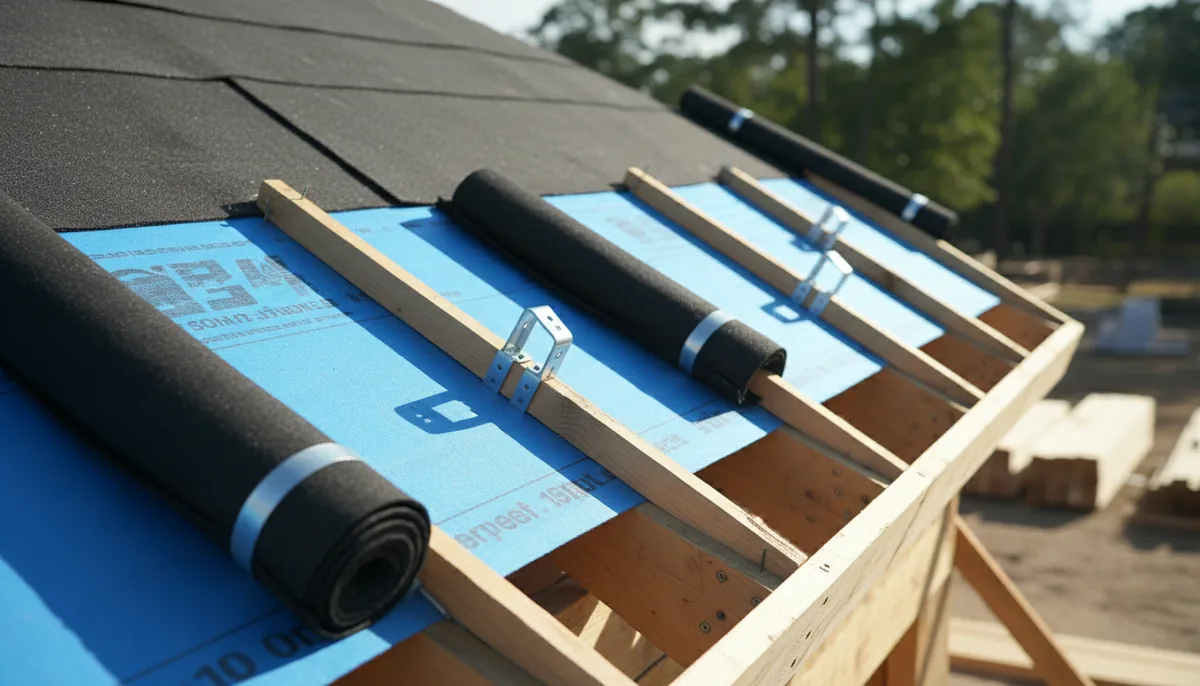
Insurance is not a piggy bank, but it might be part of the answer
Your insurance policy is a contract. I don't know what's in your specific policy, and neither does your neighbor. That's the first thing to understand. Some policies cover wind damage. Some cover the resulting water damage but not the roof covering itself. Others have depreciated your roof so much over the years that the check barely covers the dumpster. Read your declarations page. It tells you your deductible, your coverage limits, and whether you have Replacement Cost Value or Actual Cash Value. That last one is the difference between a new roof and pennies.
If you're filing a claim, you need to know about Florida Statute 627.70132. In plain language, that's the law that stops an insurance company from refusing to pay your claim just because your roof is old, if the roof was originally installed in a way that meets the Florida Building Code. It used to be that an insurer would deny a claim on a 15-year-old roof just for being 15 years old. That law said they can't do that in certain situations. It doesn't guarantee payment. It just removes one specific excuse they used to use. This is the kind of thing where you need to talk to a licensed adjuster or a lawyer, not a roofing contractor with a hammer. But it's a real thing, and it helps.
You need a permit, and yes, I mean it
If a contractor tells you you don't need a permit, show him the door. A roof replacement in Florida requires a permit from your local building department and an inspection. Full stop. This isn't a suggestion. It's the law. An unpermitted roof can come back to haunt you in two ways. First, when you file an insurance claim, the adjuster may ask about permits. Second, when you sell the house, the buyer's inspector might notice, and then the deal falls apart or the price gets slashed.
I have seen guys offer to "skip the permit to save you money." That guy is stealing from you. He's saving himself the headache of an inspection, and he's leaving you with a liability. I have been doing this for over two decades. I have never once met a homeowner who was happy to discover their roof had no permit. Don't let that be you.
The one discount almost nobody has claimed
Have you had a wind mitigation inspection? No? I figured. It's one of the best deals in Florida. This inspection documents specific features of your roof. It looks at the roof covering, how the roof deck is attached, how the roof is connected to the walls, the geometry of the roof, whether there's secondary water resistance, and how your windows and doors are protected. That information goes onto a standard form, form OIR-B1-1802. Insurance companies in Florida are required to offer premium discounts for qualifying features. The inspection costs a couple hundred bucks, give or take, depending on who you hire. The discount on your premium can be more than the cost of the inspection, every single year.
I'm not saying it'll pay for the roof. But I've seen it knock a few hundred a year off premiums. Over the life of a policy, that's real money. And if you need a new roof anyway, ask your contractor to build it in a way that will score well on that form. Things like proper nail patterns and roof-to-wall connections can make a difference. Don't let a cheap install cost you a decade of discounts.
What I would actually do: Get the wind mitigation inspection before you file your claim or sign a loan. It gives you a clear picture of your roof's weaknesses, and it might make your insurer's own inspection go smoother. I have been wrong about this before, but I have never been wrong about it hurting to have good documentation in your hand.
Just a thought from the field
Some people get real creative with the financing. I had a guy once offer to pay me with a timeshare in Orlando. I told him I was good. I've also seen people refinance their whole house to pay for a roof, which is a big hammer for a small nail. Whatever you do, don't just take the first contractor who knocks on your door after a storm. Those storm chasers come through, do a shoddy job, and they're gone before the first rain. Check the DBPR licence prefixes CCC and RC. A "CCC" license means they're certified and can work anywhere in the state. An "RC" license means they're registered and can only work in their local jurisdiction. Verify the number is active. Then check them out with your local building department.
Questions I get asked
Can I get a grant for a new roof in Florida?
Yes, through the My Safe Florida Home program, if you qualify. It's a real program that helps with wind mitigation improvements, and it has specific eligibility rules and funding limits that change. It's not cash you spend on anything you want. It's intended to harden your home against storms. Check the current requirements on the program's website.
How much does a roof replacement actually cost?
It depends. Roofing is priced per square, which is a unit of 100 square feet. Your final price depends on the pitch of your roof, how accessible it is, and what is under there when we tear it off. I have seen two roofs on the same street come in thousands of dollars apart because one had two layers of shingles and the other had a single layer over rotted decking. Get three detailed bids, not quotes over the phone.
Should I wait for my insurance to "do something" first?
No. File your claim if you have storm damage, but don't wait to start planning. If your roof is simply old, your insurance isn't going to replace it. Insurance pays for covered perils, not wear and tear. Read your policy. If the damage is from a storm, document everything, call your agent, and get the claim moving.
Will a new roof lower my insurance bill?
The roof itself might not, but the wind mitigation features can be tied to discounts. A new roof that's installed to current code will also have a longer useful life, which can affect your policy. The only way to know is to get a wind mitigation inspection done on that new roof using form OIR-B1-1802 and submit it to your insurer. If you live in an area where Citizens Property Insurance Corporation is your insurer of last resort, their rules and discounts may differ. Check with them directly.
What if the contractor says I don't need a permit?
Walk away. I have said it before and I'll say it again. A permit and an inspection are the only things protecting you after the contractor is gone. A contractor who wants to skip the permit doesn't want anyone checking his work. That tells you everything you need to know about the quality of the work he's planning to do.