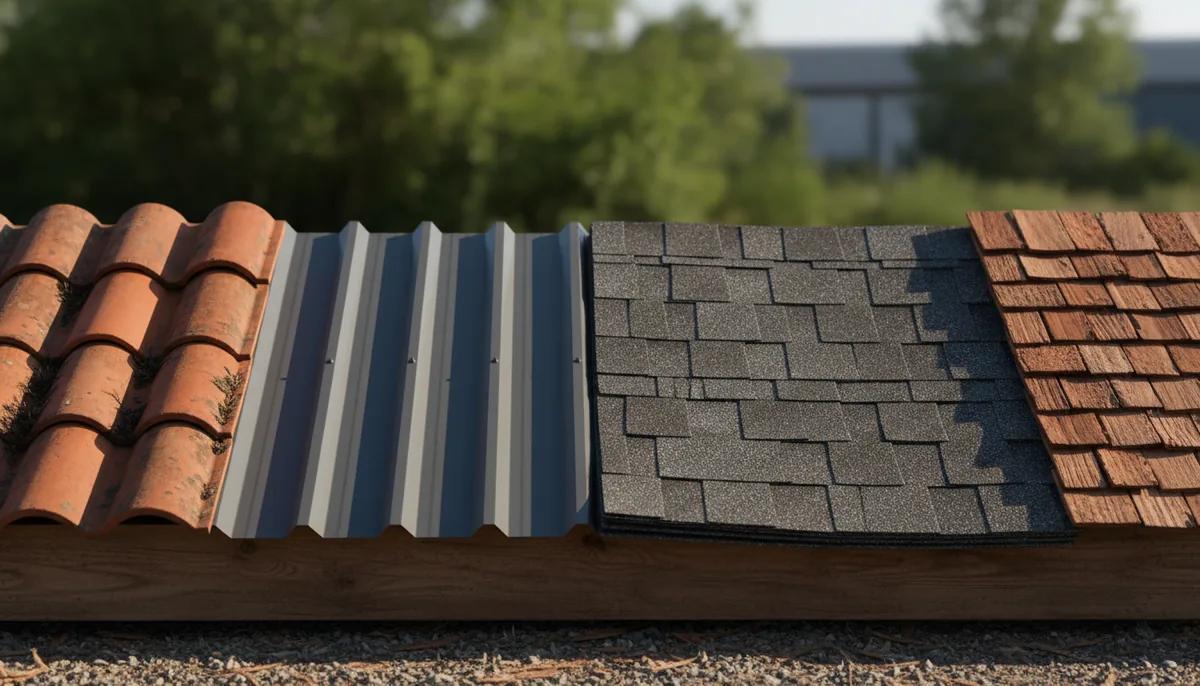
Roof replacement cost lakeland Florida
By Bud Kettering, Roof consultant and inspector. Reviewed by Hal Winstead, Editor, licensed roofing contractor. I was up in an attic off of Edgewood Drive in Lakeland last July, sweating through my shirt before I even got the torch lit. The homeowner had called because his insurer had flagged the roof as old, and he wanted me to tell him it wasn't as bad as the aerial photos made it look. I crawled toward the rake edge where the deck meets the shingles, and the moment I put the moisture meter on the plywood, it pegged. The wood was spongy. I pushed my thumb into it like it was wet cardboard, and it just gave. That roof wasn't leaking yet, but it was done. It wasn't a question of if he'd need a new roof, but how fast he could get the money together.
That's the thing about roof replacement cost Lakeland Florida, the actual number. I don't quote roofs, I inspect them, but I've stood on enough of them and read enough permits to tell you what drives the price. It isn't just the square footage of your house. It's the pitch, the number of valleys, the height off the ground, what layers are under the shingles already, and wether the decking is rotted like that poor guy's on Edgewood. It's also who you hire. If you're shopping right now, the first place to understand is that not all contractors hold the same license, and checking that is where you start. You can look through a list of roof replacement companies in Florida and cross-check them against the state roll, but you need to know what you're looking at.
Florida roofing contractors are licensed by the Department of Business and Professional Regulation, the DBPR. Here's the part that trips people up. A license begining with CCC is a certified contractor. That person can work anywhere in the state. A license beginning with RC is a registered contractor, and they can only work in the local jurisdiction that issued the license. If you live in Lakeland, Polk County, and you hire a guy with an RC license from, say, Orlando, that's a problem. Always verify the number is active, and verify the name on the license matches the person selling you the job. I have been wrong about this before, but I have never been wrong that checking the number first saves you a headache later.
The price depends on what is under there
Every roofing estimate starts with squares. A square is ten feet by ten feet, one hundred square feet of roof surface. But the square footage of your house floor isn't your roof square footage, and the pitch changes the multiplier. A steep roof with a 12/12 pitch has alot more surface area than the same floor plan with a 4/12 pitch. That's just geometry. What you're really paying for is the labor to work on that steep pitch, the safety gear, and the time it takes.
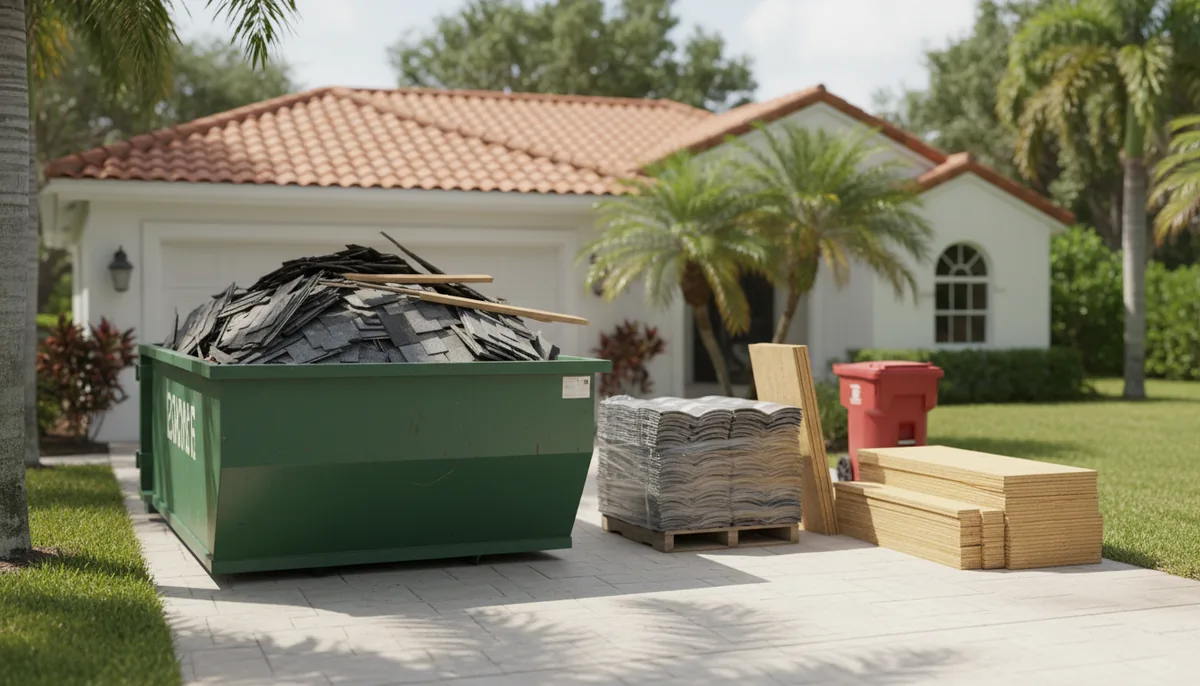
Then we get to the tear-off. If you have one layer of shingles, that's one trip to the dump. If a previous owner (bless their heart) put a second layer over the first, that's more labor, more debris, more money. And if the decking underneath is wet, rotted, or has been chewed up by termites, that has to be replaced before any new shingles go down. I can't tell you how many homeowners have told me their quote seems high, only to find out they need forty sheets of new plywood. Plywood costs money. So does hauling the old stuff away. The price per square fluctuates, but the mechanism is always the same: every layer adds a step, and every step has a cost.
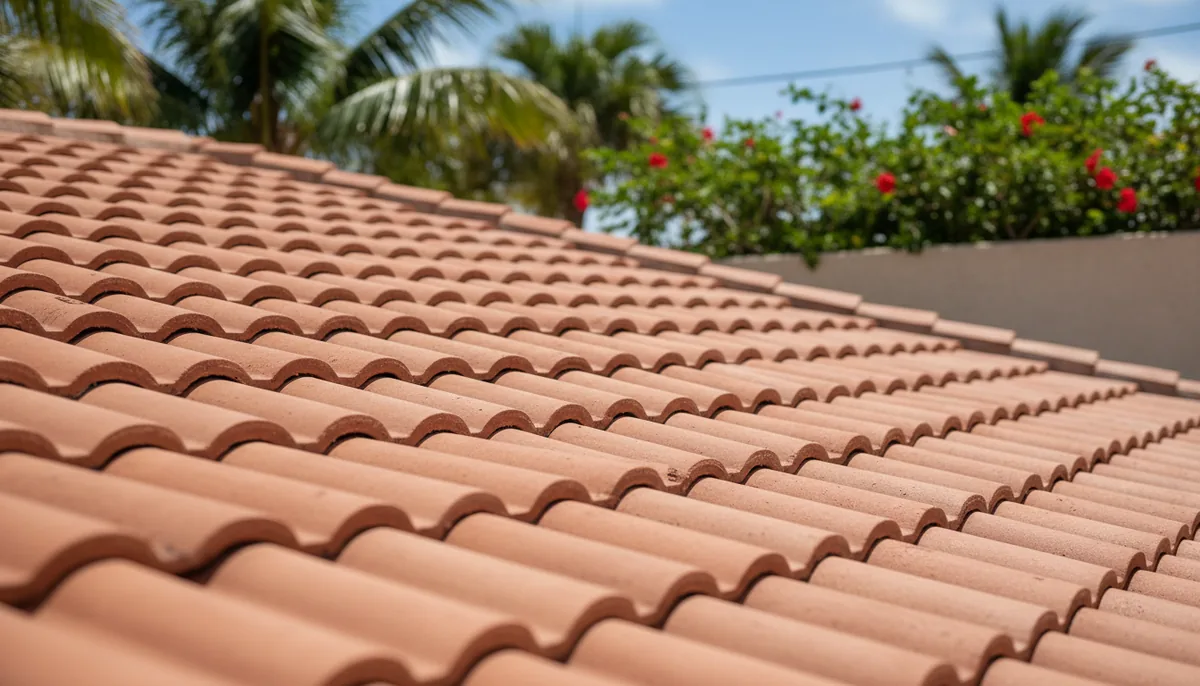
Why your insurance company is suddenly interested in your roof age
If you own a home in Florida and you haven't gotten a letter from your carrier yet, just wait. After the legislative session that produced SB 4-D in 2022, the rules around roof claims changed hard. Insurers got a lot stricter about paying out for roofs that are simply old. The law, Florida Statute 627.70132, lays out when an insurer can't deny a claim for a roof that's less than fifteen years old. But after fifteen years, it's a different ballgame. They can look at the condition, the wear, and whether a storm actually caused the damage, or whether it's just age-related deterioration.
I'm not a lawyer and I'm not an adjuster, so I'll tell you plainly: read your declarations page. Coverage varies by policy. But I will tell you what I see from the attic side. Half the roof replacements I inspect are happening because an insurance company forced the issue. They either non-renewed the policy because the roof was too old, or they refused to pay for a repair because the damage was "pre-existing." That's the world we live in now. And that is why the permit matters so much. When you do get that roof replaced, the fact that it was permitted and inspected is your proof for the next carrier, and for the next buyer if you sell.
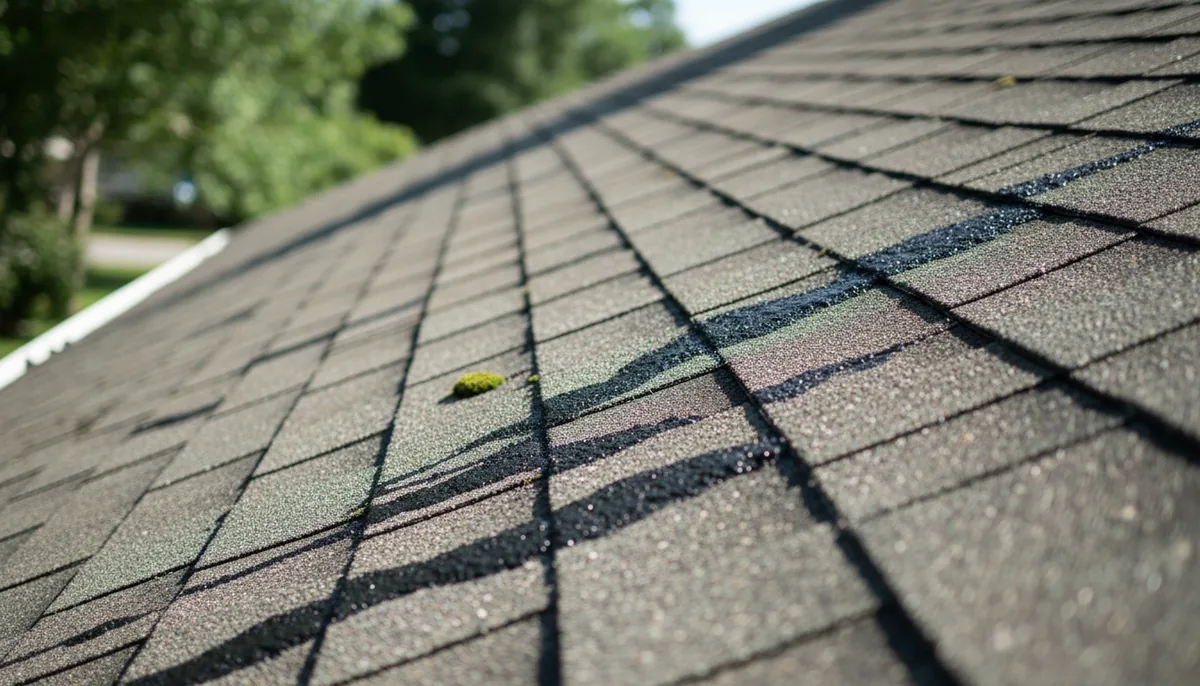
The permit is not optional, no matter what the guy on the phone says
A roof replacement in Lakeland requires a permit from the local building department. That means the contractor's work gets inspected. The decking gets checked. The nailing pattern gets looked at. The flashing details get a once-over. It's a pain in the neck sometimes and it takes time, but that inspection is your paper trail.
If a contractor offers to skip the permit to save you money, walk away. I mean that literally. Unpermitted roof work can complicate an insurance claim, because the insurer can ask if the roof was installed with the proper permits. It can complicate a future sale, because the buyer's inspector will find it and the buyer's lender might balk. And if the work is bad, you have no inspection record to point to when you call the contractor back. The permit protects you, not the roofer. Pay the fee and sleep at night.
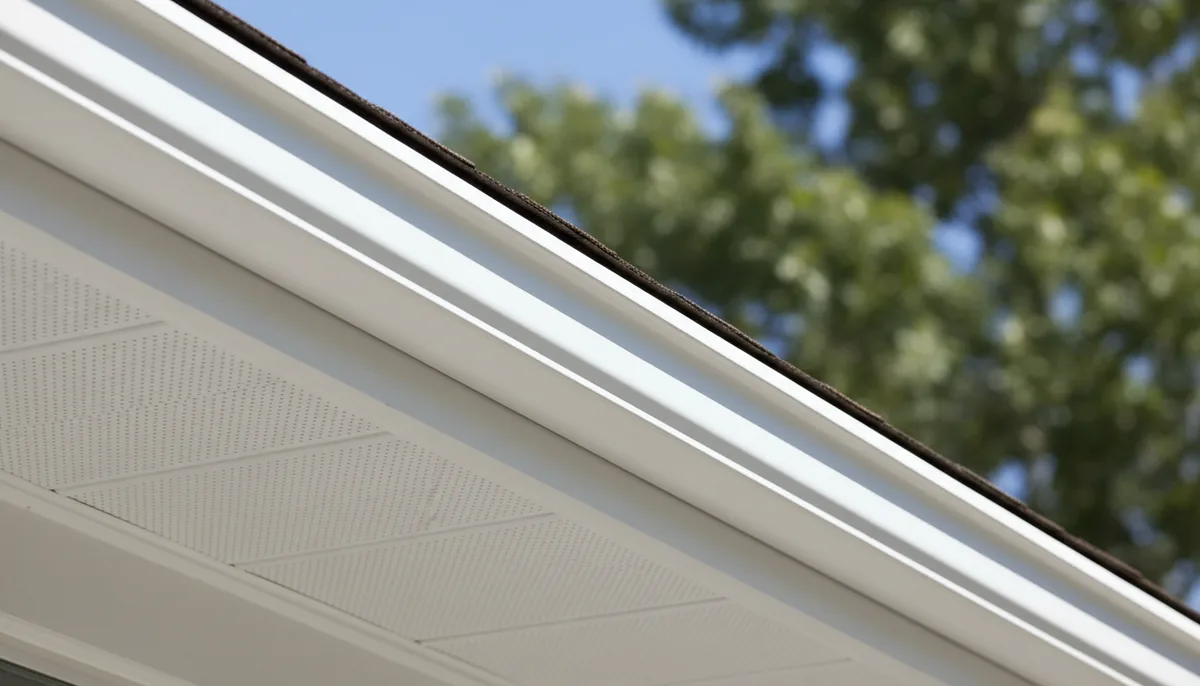
A wind mitigation inspection might pay you back every year
Here is where you can claw some money back on that new roof. When you get a roof replacement, it's the perfect time to make sure you get a wind mitigation inspection. That inspection documents six things: the roof covering, the roof deck attachment, the roof-to-wall connection, the roof geometry, the secondary water resistance, and the opening protection.
Why does that matter? Because Florida insurers are required to offer premium discounts for qualifying features. The standard form for this is OIR-B1-1802. You don't need the form number memorized, but your contractor should know it. The inspection typically costs far less than the annual discount it can open up. If your roof deck is attached with the right nails or screws, if you have roof-to-wall ties, if your roof is hip-shaped instead of gable-ended, you could be looking at a discount that compounds year after year after year. The discount won't make the roof free, but it takes the sting out of that insurance bill.
What I would actually do: Call the local building department before you sign anything and ask what the permit requirements are for a re-roof in your zip code. If the contractor's bid seems low, ask if it includes the permit, the dump fees, and the plywood replacement allowance.
The difference between a certified and a registered contractor, again
I already mentioned the DBPR licence prefixes CCC and RC, but it's worth repeating because it's the single most common question I get. A certified contractor, CCC, can work anywhere in Florida. A registered contractor, RC, is restricted to the local area that licensed them. When you're getting bids, look at the license number. Go to the DBPR website and check it's active. Check that the company name on the bid matches the license. Check that the insurance certificate is current.
This isn't about whether the guy with the RC license is a good roofer. He might be excellent. It's about whether he's allowed to pull a permit in your jurisdiction. If he can't pull the permit, you can't get the inspection, and you're back to square one with an unpermitted roof. Don't put yourself in that position to save a few hundred bucks.
What I would actually do: Before the first nail flies, ask for the certificate of insurance and the workers' comp policy. Call the agent and verify it's real. A roof is a dangerous job and if someone gets hurt on your property, that paperwork is the only thing standing between you and a lawsuit.
What Citizens and My Safe Florida Home have to do with your roof
You've probably heard the name Citizens Property Insurance Corporation if you live in Florida. Citizens is the state-backed insurer of last resort. If you can't get coverage from a private carrier, you might wind up there. And Citizens, like everyone else, has it's own rules about roof condition and age. If you're insured with Citizens, or you're applying to them, you need to be particularly careful about the roof's documented condition. A roof replacement is often the only way to get or keep that coverage.
There's also the My Safe Florida Home program. That program offers free wind mitigation inspections and matching grants for certain hurricane mitigation improvements, which can include roof upgrades. It depends on the legislative session and the budget, so you have to check whether it's currently accepting applications. But it's a real program that Florida homeowners have used. If you're planning a roof replacement, it's worth looking into whether you qualify, because that grant money can offset some of the cost. It's not a secret, but you have to be proactive. Don't wait for the state to call you.
The metal roof question and other premium upgrades
Sooner or later, every customer asks me about metal roofs. Their neighbor got one, or their friend in Texas swore by it, and they want to know if it's worth the extra money. My answer is always the same: it depends. A standing seam metal roof is a premium product. It costs more per square upfront. But it can have a longer lifespan, and it may qualify for lower insurance premiums because of how it performs in wind events. The trick is that the discount is tied to the specific roof-to-wall connections and deck attachment, not just the metal covering. You can put metal on a poorly attached deck and it will fly off just like shingles.
The point is that a metal roof only makes sense if you're going to be in the house long enough to recoup the difference in annual savings and avoided future replacements. If you're planning to sell in five years, a quality architectural shingle roof might be the smarter financial move. You'll make the buyers happy with a new roof, and you won't have spent the premium on metal that the next owner gets to enjoy. That's a personal decision, not a technical one. I can tell you whether the deck is sound. I can't tell you what your future looks like.
Questions I get asked
How much does a roof replacement cost in Lakeland, Florida?
The honest answer is that it depends on your specific roof, and it's priced per square. The pitch, the height, the number of layers to tear off, and the condition of the decking all move the number. Call it a significant five-figure investment for most homes, but I won't give you a dollar figure because I don't want you holding me to a number I can't see.
Will my insurance company pay for my roof if it's old?
That depends entirely on your policy and the circumstances of the damage. Florida Statute 627.70132 provides some protection for roofs under fifteen years old, but after that, insurers can scrutinize the cause of the damage. If it's just wear and tear, that's generally not a covered claim. Read your declarations page and then talk to your agent.
How long does a roof replacement take?
Most residential roofs in Florida take two to four days of actual work, give or take. But that can stretch to a week or more if they uncover rotted decking that needs replacement, or if the wheather turns. The permit inspection also adds a step at the end, so build that into your expectations.
Can I stay in my home during a roof replacement?
You can, but it's loud. The hammering and the debris removal shake the whole house. If you have small children or if you work from home, it might be worth being out for the noisiest day. I've seen people set up camp in their driveway just to get away from the noise.
What is a wind mitigation inspection?
It's a specific inspection using form OIR-B1-1802 that documents the roof covering, deck attachment, roof-to-wall connection, geometry, secondary water resistance, and opening protection. Florida insurers must offer discounts for qualifying features, and this inspection is the key to claiming them. It can save you money every year on your premium.
Does a new roof guarantee my insurance won't drop me?
Let me be blunt. No. A new roof removes one risk factor, but insurers look at the whole property. Structural issues, old electrical panels, and even a history of claims can still affect your insurability. A new roof helps a lot, but it's not a magic wand. And with Citizens Property Insurance Corporation, the rules can be different again. There are no guarantees, only a better hand to play.