
Modified bitumen roof maintenance Florida
By Shelly Marchetti, Florida homeowner advocate. Reviewed by Hal Winstead, Editor, licensed roofing contractor. I was standing on a flat roof over a strip mall in Cape Coral one July afternoon, and the modified bitumen surface had blistered up like a bad sunburn. The owner kept patching the bubbles, but water had already found it's way into the seams and was dripping onto the drywall of the accounting firm below. That roof wasn’t old. It was just maintained by someone who treated it like a shingle roof, and modified bitumen doesn't forgive that kind of guesswork.
I’m Shelly Marchetti. I help Florida homeowners read the fine print before they sign something, and I’ve seen a lot of roofs go sideways because nobody taught the owner what they were actually paying for. If you own a flat or low-slope roof, the difference between a roof that lasts twenty years and one that leaks in five is usually maintenance, not materials. That’s why when you search for modified bitumen roof maintenance Florida, you need a clear picture of what you're dealing with before you hire anyone. You can start by checking the work history and licences of roofing companies in Florida, but you also need to know what questions to ask once they show up.
Modified bitumen is basically heavy-duty roofing fabric and asphalt layers, sometimes with a mineral surface, either torched down, mopped in hot asphalt, or stuck with adhesive. It’s a workhorse system for low-slope roofs. But here is the thing nobody tells you: it’s not maintenance-free just because it’s flat. It takes a beating from Florida sun, and the seams are the weak spots. Every single leak I’ve investigated in modified bitumen started at a seam, a flashing detail, or a spot where someone walked on it wrong.
What modified bitumen maintenance actually means in Florida
Let’s be honest about the word \u201cmaintenance.\u201d It doesn’t mean slapping a coat of silver paint on the roof every couple of summers. It means inspecting the membrane, the seams, and the flashing regularly, and fixing small problems before they turn into big ones. For most homeowners with a modified bitumen roof, a serious check twice a year is smart, once before hurricane season and once after the winter cool front.
What you’re looking for is simple, but you have to know what it looks like. Walk the roof if it’s safe. Look for bare spots in the mineral surface, fishmouths at the seams, and wrinkles that feel hollow when you press on them. If a bubble pops under your foot and water squirts out, that’s a big deal. That’s a trapped moisture issue that needs professional attention.
Here’s the timeline that matters: call it a five-year cycle for re-coating if you have a smooth-surfaced system. Granulated cap sheets don’t need coatings the same way, but they still need sealant checks at every penetration. If you’re not sure what’s under there, don’t guess. I have been wrong about this before, and it cost me a client time and money.
What I would actually do: Take photos of every penetration, seam, and flashing detail during your walk. Date-stamp them. Then you have a baseline. Six months later, when your contractor says you need a new roof, you can pull up those photos and see whether the problem is real or whether he’s fishing for a bigger job.
Why hiring the wrong contractor is the real leak
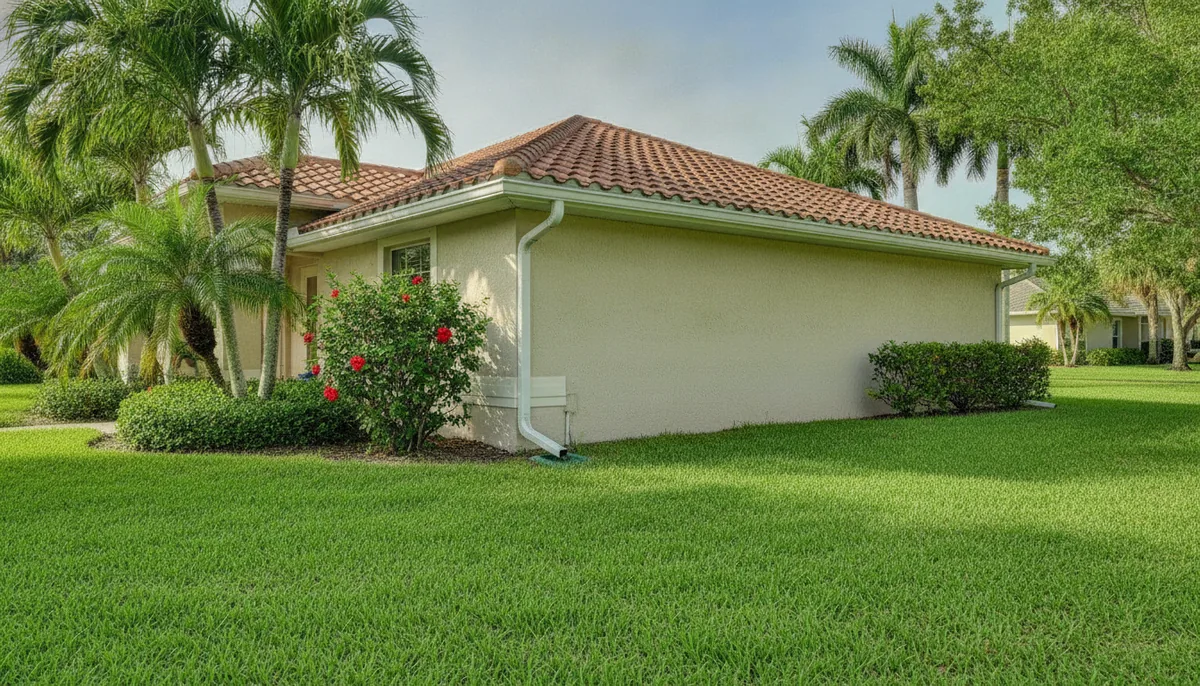
Florida roofing contractors are licensed by the Department of Business and Professional Regulation, DBPR, and there’s a big difference between the two licence types. A certified contractor has a licence that begins with CCC and may work anywhere in the state. A registered contractor has a licence begining with RC and may only work in the local jurisdiction that issued it. I cannot tell you how many homeowners I’ve met who hired an RC-licensed guy to do a roof forty miles from his county, not realizing that made the permit invalid.
Always verify the number is active before you get the estimate. The DBPR roll is public and free. No contractor should be offended that you checked. And if they are? That tells you something.
Here’s my gripe with the industry, and I say this as someone who spends her life reading their contracts: too many of you are getting quotes from salesmen who have never swung a hammer. They’re reading a script. They don’t know your roof deck, your drainage, or your flashing history. The best maintenance contractor is the one who wants to crawl around and get dirty, not the one who wants to sit at your kitchen table with an iPad.
The permit rule you cannot skip
A roof replacement in Florida requires a permit pulled from the local building department. It also requires an inspection. This is not a suggestion, it’s the law. If a contractor offers to skip the permit to save you time or money, walk away. I mean it, walk away.
The reason is practical. An unpermitted roof can complicate an insurance claim in a major way, and it can absolutely kill a home sale. You don’t want to be standing in a closing office three years from now explaining to a buyer’s attorney why your new roof has no permit on file. That’s a nightmare.
Maintenance doesn’t typically require a permit, but if the work crosses from maintenance into repair or replacement, the rules change. The line between a small repair and a reroof isn’t always clear. If you’re unsure, ask your local building department directly. They are the authority, not your roofer.
What I would actually do: Before signing any repair contract, ask this exact question in writing: “Does this work require a permit, and will you pull it and schedule the inspection before I make final payment?” Get the answer in the contract. Don’t accept a verbal yes.
Coatings: the product that gets oversold
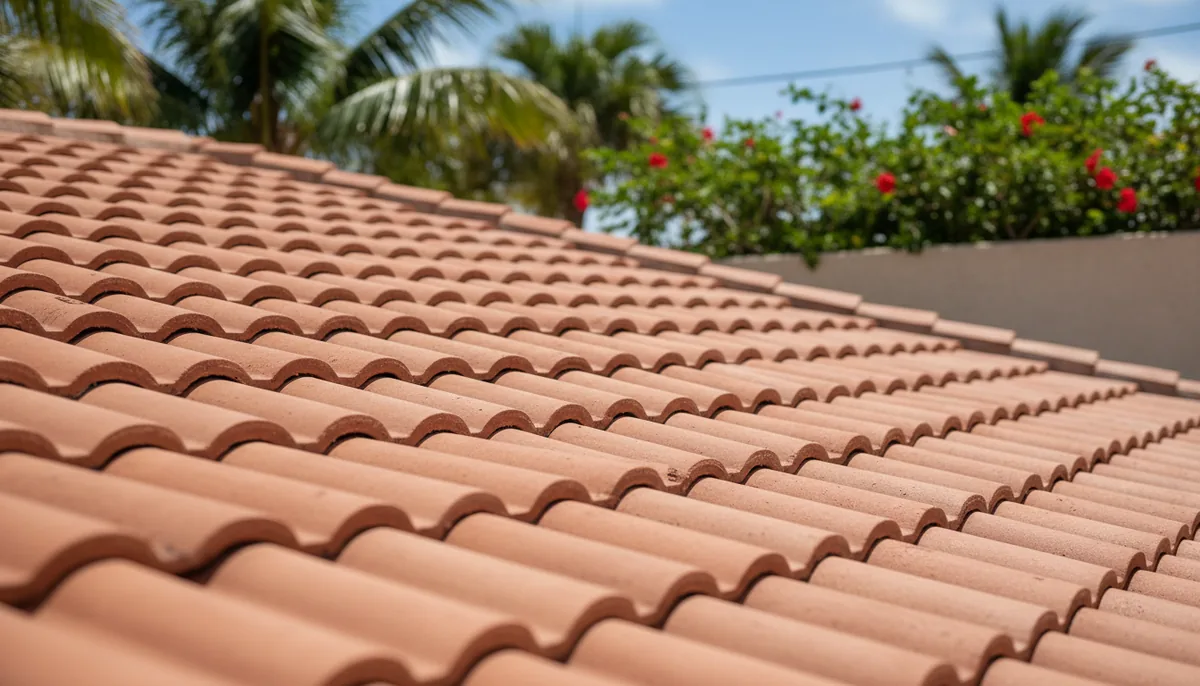
Let’s talk about modified bitumen roof maintenance Florida style, because the heat changes everything. There’s a lot of pressure in the market right now to put an elastomeric or acrylic coating over an existing roof. Sometimes that’s a legitimate way to extend the life of a sound membrane. Sometimes it’s a way for a contractor to get paid for a new system without the cost of a tear-off.
Here’s the honest truth: a coating is only as good as the surface under it. If you have or a bubbling or fishmouthing surface that wasn’t corrected first, the coating will fail in less than a year, and then the water will sit on top of the coating and ruin the membrane underneath faster than before. Coating a wet or dirty roof just seals the water in.
Ask your contractor what their coating warranty excludes. Most warranties exclude ponding water and pre-existing moisture. If they tell you the coating fixes leaks, get a second opinion. Coatings don’t fix leaks. They prevent future chalking and cracking. They are a protective layer, not a repair.
The wind mitigation inspection you might be missing
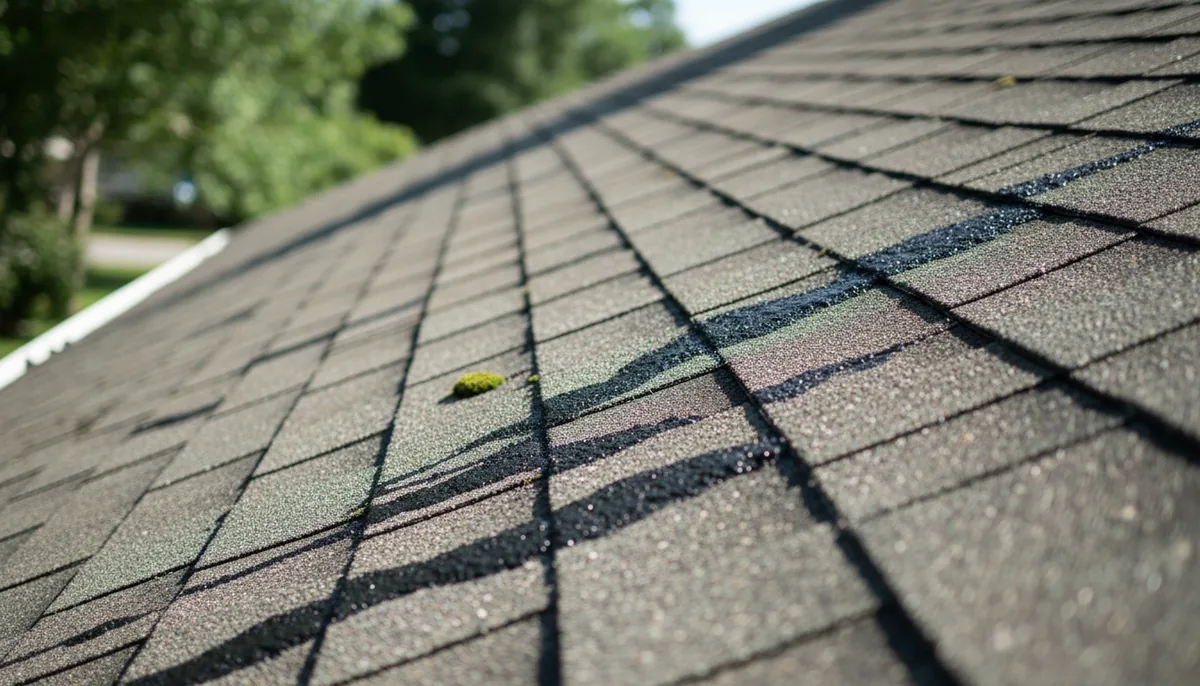
If you own property in Florida, an inspection for wind mitigation is one of the most under-used home maintenance tools. Not every roof gets you a discount, and I’m not going to pretend otherwise. But the inspection itself documents roof covering type, roof deck attachment, roof-to-wall connections, roof geometry, secondary water resistance, and opening protection. Florida insurers must offer premium discounts for qualifying features. It’s worth the time.
The standard form is OIR-B1-1802. Your inspector fills that out, and then it’s up to your insurer to apply the credit. I’ve seen policies where the discount was worth more than the inspection cost several times over. And if you’re about to reroof, ask how the new system will score on that form before you pick the details. Roof-to-wall connections and secondary water resistance can make a huge difference for wind mitigation discounts. Before you reroof is the moment to make choices that will pay you back every year.
When a denial letter is wrong, and when it isn't
Somewhere along the way, most Florida homeowners will get a claim denial that references a pre-existing condition. That’s where things get personal for me. I read those letters for a living. The code they cite usually doesn’t tell you why you were denied. It tells you that the adjuster found damage they beleive happened before your policy period started.
That’s why documentation matters so much. If your annual modified bitumen maintenance check found no seam failures in April, and a hurricane peels back a flashing detail in October, you have a dated record that supports your claim. If you never looked at the roof and the adjuster finds a seam failure that’s surrounded by years of dirt, you have a problem.
And pay attention to your own policy. Coverage varies by policy, so read your declarations page before you buy a policy, not after the roof leaks. Ask your agent exactly what it covers for modified bitumen, because some policies treat low-slope systems differently than steep-slope shingle roofs.
A word about regulations you might have heard about
One quick aside about the legal environment, because it comes up often with owners of older homes. If disaster hits and you’re dealing with insurance, know that there have been significant shifts in how claims are handled in Florida. Some of those changes were part of legislation passed in 2022, which we often refer to as SB 4-D (2022). It changed assignment of benefits and attorney fees. I am not a lawyer, so I won’t pretend to explain every detail. What I can tell you is this: if a contractor or a public adjuster tells you to sign an agreement assigning your insurance benefits to them, read it carefully and ask an attorney if you don’t understand it.
Florida Statute 627.70132 also matters if you have a newer roof, because it relates to what insurers can require from you regarding roof repairs and replacements. The details are technical, but the practical point is straightforward: know your obligations, and don’t trust a roofer who claims to know what your specific policy requires. Only your declarations page and your insurer can tell you that.
If you are living through a dispute and don’t know who to trust, a few free resources can help. Citizens Property Insurance Corporation is the state’s insurer of last resort, and if you are a Citizens policyholder, their website has clear guides on the claims process. There is also the My Safe Florida Home program, which offers free wind mitigation inspections and grants for certain improvements for eligible homeowners. Those programs change funding and eligibility often, so checking current requirements is up to you.
Questions I get asked
Should I wash my modified bitumen roof?
No, and definately not with a pressure washer. High-pressure water will blast the granules off the cap sheet and force water under the seams. If you have algae or dirt, use a soft brush and a gentle cleaning solution, then rinse with a hose. If you must hire someone for cleaning, make sure they don't use a pressure setting above what a normal garden hose would produce.
How do I know if a roofer is actually licensed?
Ask for their licence number, then go to the DBPR website and search it. If the licence begins with CCC, they can work anywhere in Florida. If it begins with RC, they are limited to the jurisdiction that issued it. Check that the status says active. Don’t just look at a business card, verify it yourself.
How often should I have a professional inspect my flat roof?
At least once every year, and twice if you live near the coast or have a lot of trees nearby. You should of do your own visual check every few months. The professional check should include a moisture survey if you suspect any wet insulation. That costs more, but it can save you from a full deck replacement.
What’s the difference between a maintenance check and a roof certification?
A maintenance check is an inspection of the roof’s current condition to plan small repairs. A roof certification is a written document saying a roof will last a certain period, usually two years or five years, and is typically requested by a buyer or an insurance company. A certification may require repairs before it can be issued. Don’t confuse the two, because they protect you in different ways.
Will my insurance go up if I make a small claim?
I cannot tell you what your specific insurer will do, because rates and underwriting rules vary widely by company and policy. What I can tell you is that many insurers look at a claims history, and multiple small claims can make you appear high risk. Read your policy and understand your deductible. If the repair is a few hundred dollars, paying out of pocket might be smarter than filing a claim. That’s a financial decision you have to make for yourself.
Can I patch my own modified bitumen roof?
You can seal small cracks with the right mastic if you know exactly what you’re doing, but I generally advise against it. Roofing mastic has a bad habit of trapping moisture under it, which makes a small crack into a big delamination. More importantly, an improper field repair can void the roofing manufacturer’s warranty. Watch a contractor do it once, and then decide if you want to handle the annual maintenance yourself.
I’ve been wrong about roofs before, and I’ll be wrong again, but I am never wrong about this: the roof you ignore is the roof that costs you ten thousand dollars. The roof you respect, the one you inspect and document and fix in small ways, will usually treat you right. Modified bitumen isn’t glamorous. It’s a flat, workaday system that just needs somebody paying attention to it before the summer storms roll in. That somebody should be you.