
Roofing seo florida: The Florida Guide
By Dale Prescott, Roofing contractor, Central Florida. Reviewed by Hal Winstead, Editor, licensed roofing contractor.
I tore the roof off a place in Apopka one August afternoon, and the sky did what August skies around Orlando do when you have a half-stripped deck: it stacked up and waited. The homeowner had hired me after a cheaper bid fell through, and that cheaper bid had left a patch on the flashing that turned a small leak into a spongy deck. That patch cost them more than the whole tear-off did. Do not judge a roof by the color of the ad. Start with a list like roofing companies in Florida, then do the homework I’m about to walk you through.
After twenty-two years running tile and shingle crews between Orlando and the coast, I’ve torn off more storm-damaged roofs than I care to count. The roof that fails isn’t always the oldest one up there. I’ve seen brand-new roofs lose a field of tile because somebody skipped the right fasteners, and I’ve seen older roofs ride out squalls because the deck was tied down the way it should be. So this is not a one-size-fits-all pitch. It’s the list I run through in my head on every job.
Roofing SEO Florida: more names, not better work
I know that phrase sounds odd coming from a guy with tile clips in his truck. Roofing SEO Florida is what the search engines use to put a contractor in front of you. It helps a name show up. It does not help that name do good work. Search resultes are full of roofers who are great at websites and sloppy at hips and valleys. I of been wrong about this before. I’ve shown up to service calls where the homeowner said, “But the reviews were perfect.” The reviews were real. The roof still had three layers, no underlayment at the eaves, and a vent boot that had never been flashed. Let the internet give you names. Then use the public records to check them.
The first check is the DBPR roll, not the website
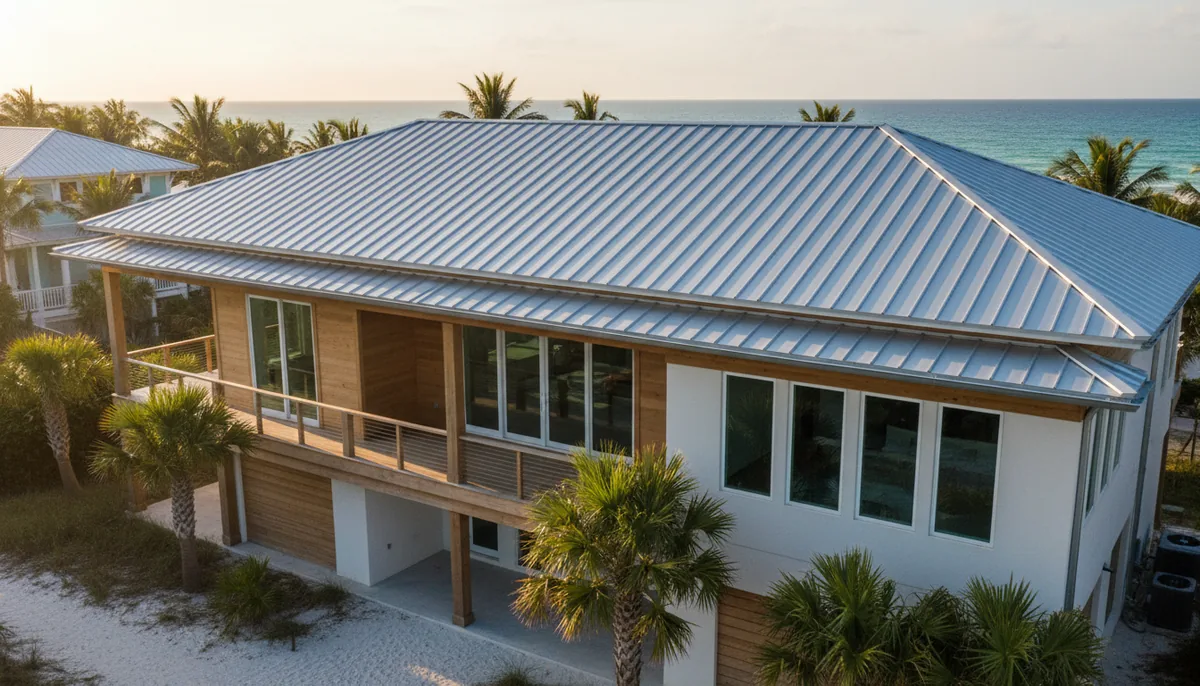
Once you have three or four names, stop reading testimonials and open the state license roll. Roofing contractors in Florida are licensed by the Department of Business and Professional Regulation. On that roll, you’ll see one of the DBPR licence prefixes CCC and RC. A CCC is certified, meaning that contractor can work anywhere in Florida. An RC is registered, meaning that contractor can only work in the local jurisdiction that issued the license. Both are real. They are not the same. Verify that the license number is active before you let anybody on a ladder.
I’m always surprised how few people check that first. A nice website can look just as professional as an active license. The license roll doesn’t have photos or video or catchy taglines. It has public facts, and that’s exactly what you need.
If a roofer offers to skip the permit, walk away
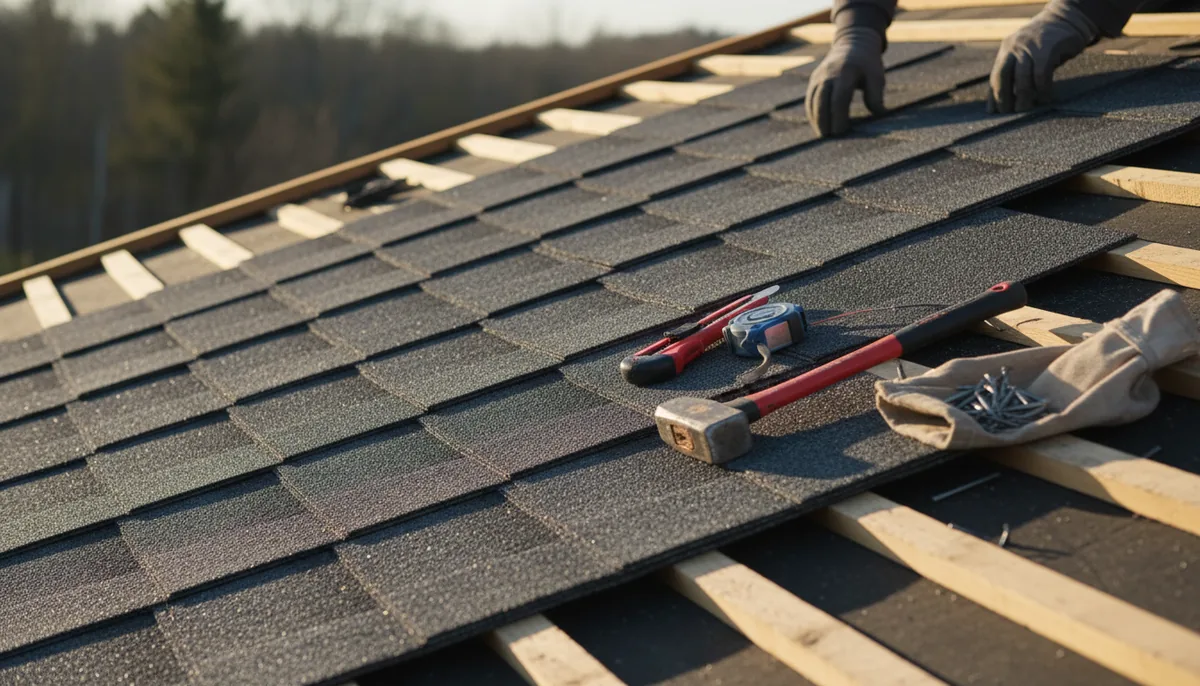
Permits are nobody’s favorite part of the job. They cost time and money, and they mean somebody from the county will come out and inspect the work. That is the whole point. A roof replacement in Florida requires a permit from the local building department, and it requires an inspection. A contractor who offers to skip the permit is a contractor to walk away from. I don’t care how low the bid is.
An unpermitted roof can complicate an insurance claim later. It can complicate a home sale later. It can also mean the roofer knows something wouldn’t pass. One lady in Casselberry told me she didn’t want a permit because the county might “come inside and look around.” Ma’am, they don’t care about your kitchen. They care wether the roof lands on somebody. That’s the point of the inspection. I’ve torn off roofs that were never inspected and found whole sections of rotten decking hiding under new felt. You don’t want that to be your “good deal.”
The old 25% rule changed; your roof’s age tells the story
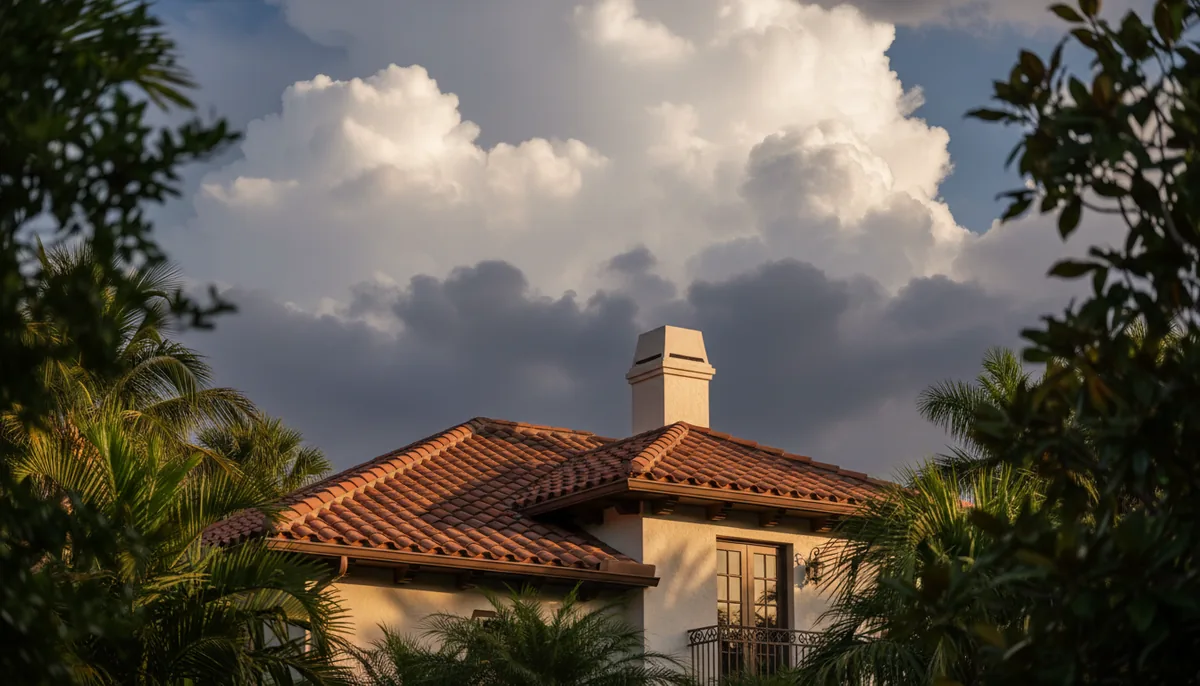
The phrase “25% rule” still gets thrown around like it’s carved in stone. It used to be a serious deal in the state building code. The old rule said no more than 25% of a roof could be repaired or replaced in any 12-month period without bringing the whole roof up to current code. That triggered alot of full replacements after storms. Some of those were neccessary. Some were not.
Then SB 4-D (2022) changed the math. If your roof was built, repaired, or replaced under the state code edition that took effect on March 1, 2009, or under any newer edition, then only the portion being worked on has to meet current code. A full-roof replacement is no longer automatically triggered just because you crossed that old 25% line. If your roof was completed before that date, the old rule still generally applies.
This is a permitting question. It is not the same as an insurance company deciding a roof is worn out. That’s a policy question, and coverage varies by policy. Read your declarations page and ask your own agent before promising yourself anything.
What I would actually do: If I had an older roof and somebody quoted a full replacement just because a repair crossed that threshold, I’d ask for the exact reason in writing, then get a second opinion from a contractor who’s willing to pull the permit.
A wind mitigation inspection can put money back in your pocket
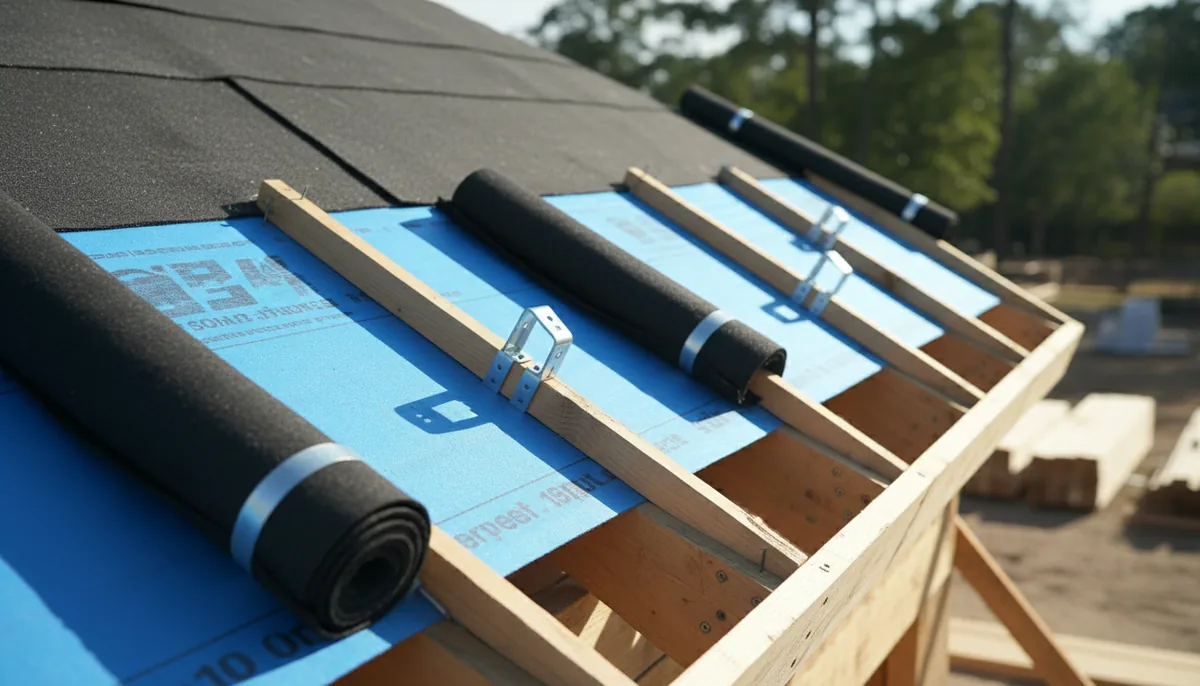
Some of the best money a homeowner can spend isn’t for new tile or impact glass. It’s for a wind mitigation inspection. The form OIR-B1-1802 is the one your insurer expects. It documents the roof covering, the roof deck attachment, the roof-to-wall connection, the roof geometry, the secondary water resistance, and the opening protection. Those six details tell you how well your roof is actually connected to your house when the wind starts to work.
Florida insurers have to offer premium discounts for features that qualify. That doesn’t mean every feature gets a discount, and it doesn’t mean your particular insurer will treat the report the same way another one would. But I’ve seen a relatively small inspection fee save policyholders more in a couple of years than the inspection cost. It depends on the house, the report, and the policy. Don’t let anybody promise you an exact dollar amount before they’ve been inside your attic.
If you have Citizens Property Insurance Corporation, the same form applies. There are also state programs such as My Safe Florida Home worth checking on, though the rules change, so look them up before you count on them. I’m not a lawyer and I’m not an adjuster. I’m a roofer who has seen what a good report can do.
What I would actually do: I’d spend the money on a wind mitigation inspection and use the report to have an actual conversation with my insurance agent about the roof — not to argue, just to know what’s up there.
Questions I get asked
Can I trust the roofing SEO Florida search results?
No, not until you check the state license roll. Search results are marketing. The license roll is public record. Get names there, then read reviews with a cautious eye.
What’s the difference between a CCC and an RC?
The state roll shows one of the DBPR licence prefixes CCC and RC. A CCC contractor is certified and can work anywhere in Florida. An RC contractor is registered and can only work in the jurisdiction that issued their license. If you live outside that jurisdiction, an RC can’t legally roof your house.
My adjuster says I have storm damage. Do I automatically need a new roof?
No. A storm-damaged roof can often be repaired unless the decking or structure is compromised. Under SB 4-D (2022), if your roof was built under the state code edition that took effect in March 2009 or later, only the repaired section generally has to meet current code. That makes a repair more realistic than it used to be.
Can I save money by not pulling the permit?
You can save money on the front end, and you’ll likely pay for it later. A roof replacement in Florida requires a permit and an inspection. Skipping the permit can complicate an insurance claim and a future home sale. I’ve walked away when a homeowner asked me to hide the work. It’s not worth it.
How much does a wind mitigation inspection cost?
I can’t give you a flat number because it depends on the company, the roof, and how much access they have. Think about it as a comparison instead. The form OIR-B1-1802 documents the roof features that insurers have to offer discounts for. A lot of homeowners find the inspection pays for itself, but your own policy decides what that’s worth.