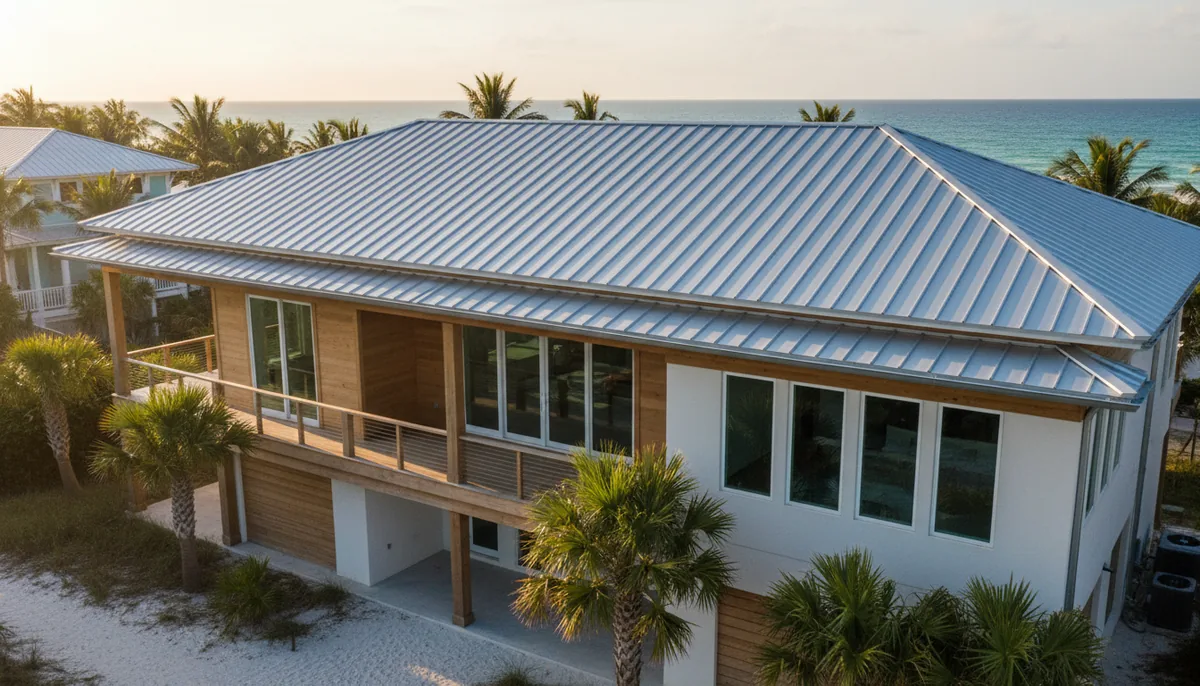
Shingle roof life expectancy in florida: The Florida Guide
By Marcy Doleman, Commercial roofing estimator. Reviewed by Hal Winstead, Editor, licensed roofing contractor.
One hot September afternoon in Kissimmee, I stood on a townhome roof where the shingles all looked like cupped potato chips. I pressed a tab and it cracked straight down the middle. The board president wanted to patch that one section and call it a year, but the roof had other ideas. I told her to start with the state license roll and to treat shingle roofing companies in Florida as a list of names, not an endorsement.
I am Marcy Doleman, and I estimate commercial flat and low-slope roofing. Most weeks I'm measuring TPO, modified bitumen, and coatings on warehouses, retail plazas, and schools. Shingle questions keep following me anyway. People stand in their driveway, point at their roof, and ask wether to repair or replace. That's how the conversation starts, even when the roof is over a storefront.
Here's the kitchen-table version of what I tell them.
How long does a shingle roof last in Florida?
Call it fifteen to twenty-five years for an architectural shingle roof on a typical house or townhome in the middle of the state. Inland, with good attic ventilation, something in the low twenties is a fair expectation. Near the coast, twelve to eighteen is more realistic. Salt air is brutal. So is the sun. So is the habit of nailing a new layer right over an old one.
A "30-year shingle" printed on the bundle is not a promise. It's marketing. Under a Florida sun, treat it as a ceiling, not a floor.
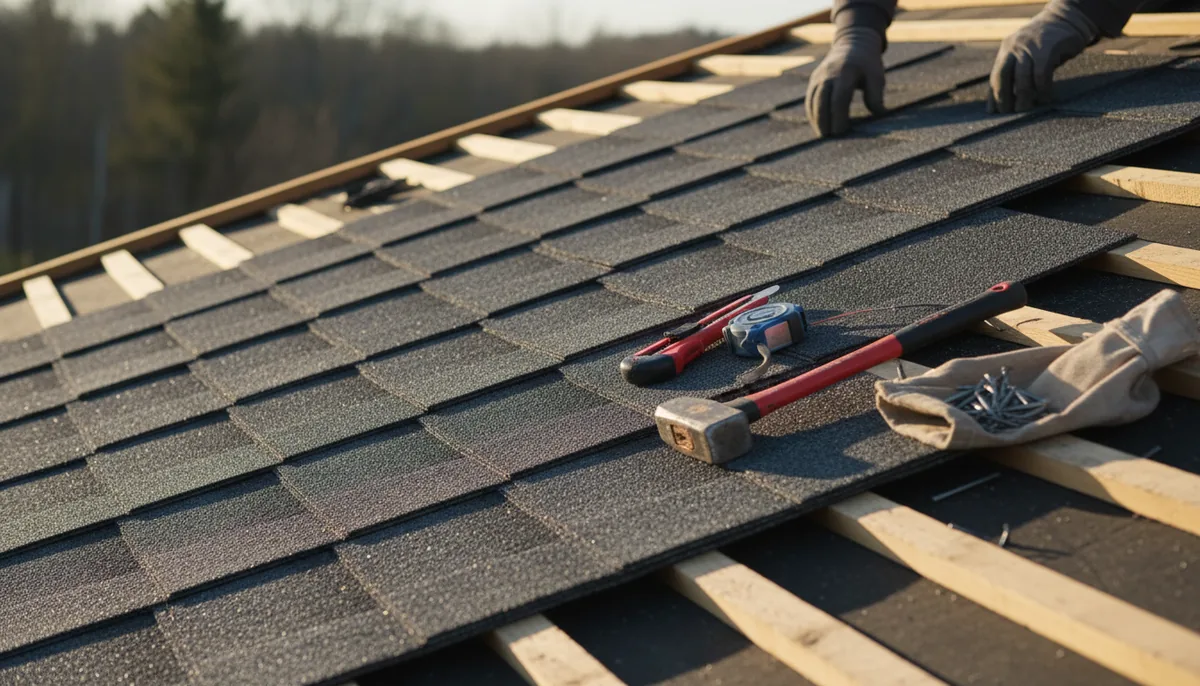
How long does shingle roof last in Florida? The honest answer
The honest answer is that it depends on what's under the shingles, who nailed them, and how the flashing was done. I of walked roofs where the shingles were only ten years old but the ridge caps were lifting because the installer used the wrong nails. I've also walked roofs at year twenty that still shed water, but every tab snapped when you stepped on it. I have been wrong about this before, and so has every honest roofer I know.
Here's a gripe while I'm up there: I can usually tell when wet decking got covered up instead of replaced. The shingles bubble and cup from trapped moisture, then crack like a bad pie crust. New shingles won't fix that. If the deck under the shingles is wet, the roof is lying to you.
What I would actually do: I'd check the attic and the underside of the sheathing before I gave anyone a lifespan. Wet deck, mold lines, or a bouncy spot means the calendar doesn't matter.
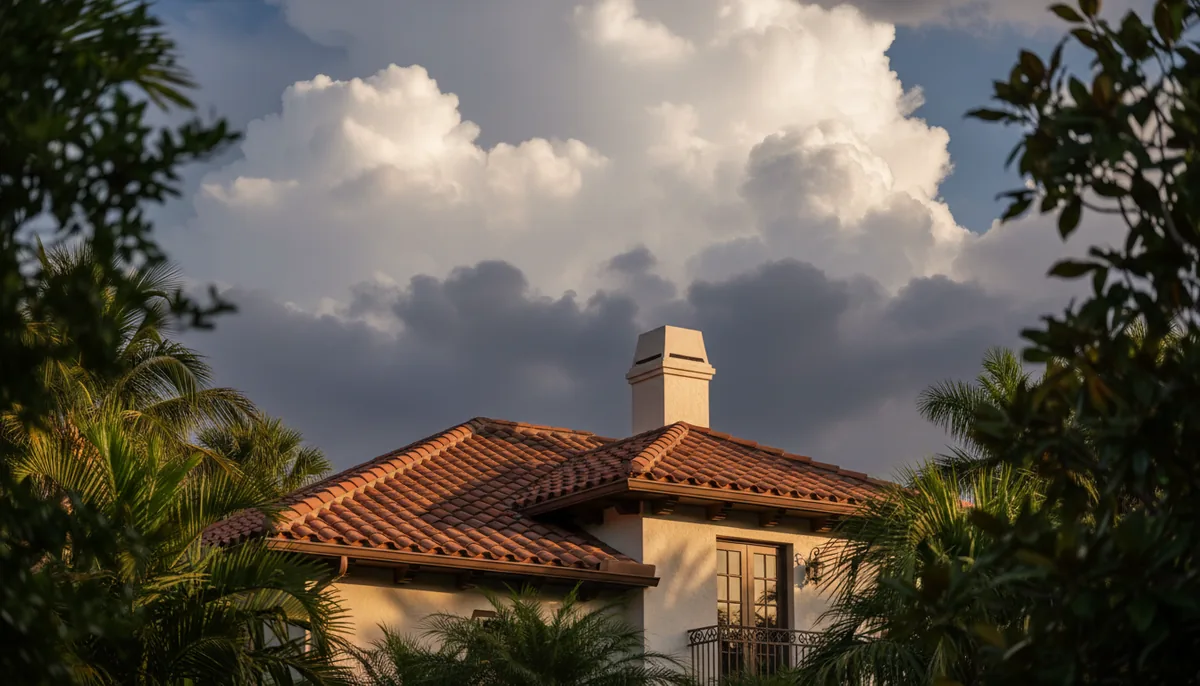
How long does roof last in Florida? Depends which roof
People ask "how long does roof last in Florida?" and I have to ask them which roof. A flat commercial TPO roof over a warehouse has a different life than a shingle roof over a school office. Low-slope roofs live and die by drainage. A shingle roof at least has pitch working for it. A flat roof depends on crickets, scuppers, and somebody not letting a maintainance worker drop a screwdriver through the membrane.
No average tells you much about the specific roof. The workmanship and the drainage tell you more.
Before you trust a lifespan, check the DBPR license
Florida roofing contractors are licensed by the Department of Business and Professional Regulation. The license roll is public. It shows one of two prefixes: CCC or RC. A certified roofing contractor can work anywhere in the state. A registered roofing contractor can only work in the local jurisdiction that issued the license.
Do not skip this step. Active license, correct jurisdiction, matching name. If the person on the phone can't give you a number, or their RC license belongs to a county an hour away, that's a stop sign. I pointed you to a directory earlier, but a directory is just names. The license roll is what matters.
What I would actually do: I'd ask for the license number before the first ladder comes off the truck, then look it up on the DBPR roll while the contractor is still on the phone. Active license? Fine. Registered in the wrong county? No.
Permits, inspections, and what SB 4-D changed
A roof replacement in Florida requires a permit from the local building department, and it ends with an inspection. That's not optional, and a contractor who offers to skip it is telling you something importent about how they work. An unpermitted roof can make an insurance claim harder and hand a future buyer a reason to walk.
Then there's the old "25% rule." It used to be that if you repaired or replaced more than 25 percent of a roof in any 12-month period, you had to bring the whole roof up to current code. Then SB 4-D (2022) changed that. If your roof was built, repaired, or replaced under the 2007 Florida Building Code or any later edition, only the portion being worked on has to meet current code now. A full replacement is no longer automatically triggered.
The 2007 code took effect on March 1, 2009. Roofs completed before that date generally don't qualify for the new rule. If someone starts quoting the 25% rule at you, ask them which rule they mean and what year your roof was built.
What I would actually do: If a roofer says the 25% rule forces a full reroof, I'd ask for the roof's original permit date. If it's newer than 2009, I'd call the local building department before writing a check. Older roofs are a different story.
A wind mitigation inspection is usually a good idea
Because this is Florida, wind matters. A wind mitigation inspection documents roof covering, roof deck attachment, roof-to-wall connection, roof geometry, secondary water resistance, and opening protection. Florida insurers must offer premium discounts for qualifying features. The standard form is OIR-B1-1802, and the inspection usually costs far less than the first year's discount it unlocks.
Not every home qualifies for every discount, and an older roof may not score well. But now you know what you have. That's still worth something.
Questions I get asked
How can I tell if my shingle roof is near the end of its life?
Go up in the attic first, then go up on the roof. Look for dark stains on the underside of the sheathing, damp insulation, cupped or cracked shingles, and granules collecting in the gutters. A shingle that snaps when you bend it is done. A deck that flexes when you push on it is a different problem.
What does the DBPR license prefix actually mean?
CCC means certified. RC means registered. Certified contractors can work anywhere in Florida. Registered contractors are tied to the local jurisdiction that licensed them and can't cross that line. No active license, no work.
My neighbor says I don't need a permit for a reroof. Is she right?
No. A roof replacement in Florida requires a permit from the local building department and an inspection. Depending on the scope, a repair can also require a permit, so ask the building department before you schedule anything. Don't rely on a contractor's claim that permits aren't needed.
Will a wind mitigation inspection guarantee a discount?
Not a guarantee. But if your home has qualifying features, Florida insurers must offer the discount. The OIR-B1-1802 form is what documents those features. If a feature is missing, you don't get that credit, but you finally know the truth.
How long does a shingle roof last in Florida before it leaks?
Leaks don't follow a lifespan. I've seen seven-year-old roofs leak around bad flashing and twenty-year-old roofs stay dry. Water finds the easiest way in, usually around a penetration, a valley, or a skylight. Don't wait for the calendar; look for stains after a heavy