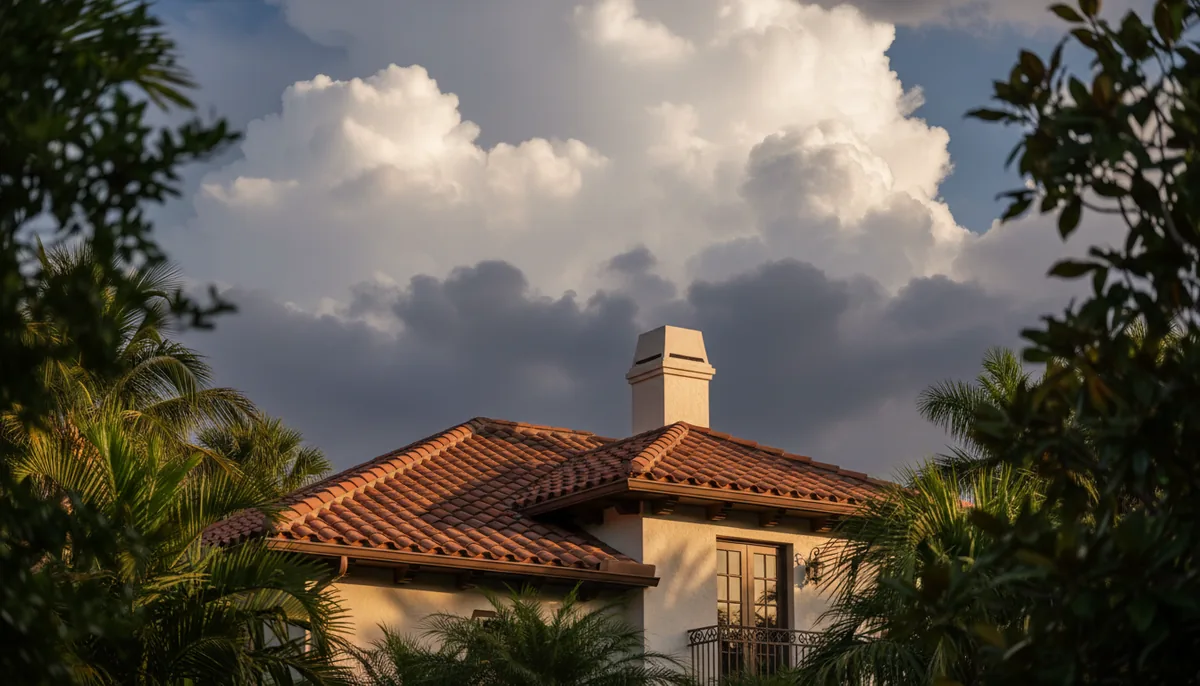
Shingle roofing florida: The Florida Guide
By Dale Prescott, Roofing contractor, Central Florida. Reviewed by Hal Winstead, Editor, licensed roofing contractor.
One July afternoon in DeLand, I stood in a backyard with a homeowner whose shingle roof had a wave along the back slope. The patch from the previous storm looked fine from the street, but the crew had nailed new shingles over old ones, and the deck below had gone soft. I told her the roof didn't need another patch; it needed someone to look at the whole system. A list like shingle roofing companies in Florida gives you a place to start. The homework after the list makes the roof last.
Twenty-two years in this part of Florida, give or take, I’ve run tile and shingle crews between Orlando and the coast. I’ve torn off more storm-damaged roofs than I care to count. What I’ve learned is simple: shingles aren’t glamorous, but a shingle roof done right is lighter on the structure, easier to inspect, and easier to repair than alot of what I tear off. What I’ve also learned is that no material saves you from a bad job underneath.
If you’re reading a guide about shingle roofing Florida, you probably already know the wheather is the easy part to blame. The hard part is the rules. I’m not a lawyer and I’m not a licensed adjuster, so I won’t pretend to give you legal advice. But I’ve been the contractor standing on the ridge waiting for the building inspector to sign off, and I know exactly where corners get cut.
Shingle roofing Florida starts with an active licence
Florida roofing contractors are licensed by the Department of Business and Professional Regulation. That’s true wether you’re getting a full new roof or a repair on a single torn tab. The DBPR licence prefixes CCC and RC are shorthand. A CCC contractor is certified and can work anywhere in the state. An RC contractor is registered and can only work in the local jurisdiction that licensed them. If someone gives you an RC number for a job two counties away, that’s a red flag.
Call it a formality if you want. It isn’t. The DBPR roll is public. Search it, make sure the number is active, and make sure the name on the licence matches the name on the contract. A contractor who keeps a current licence is someone who can afford to be found. That’s not a guarantee, but it’s the cheapest filter you’ll get.
What I would actually do: Start with the DBPR roll, not the truck wrap. Look at the prefix and the status, then check the local building department for the name on past permits. If somebody won’t give you an active licence number, I won’t argue with you about it.
A shingle roofing Florida permit isn’t the paperwork to skip
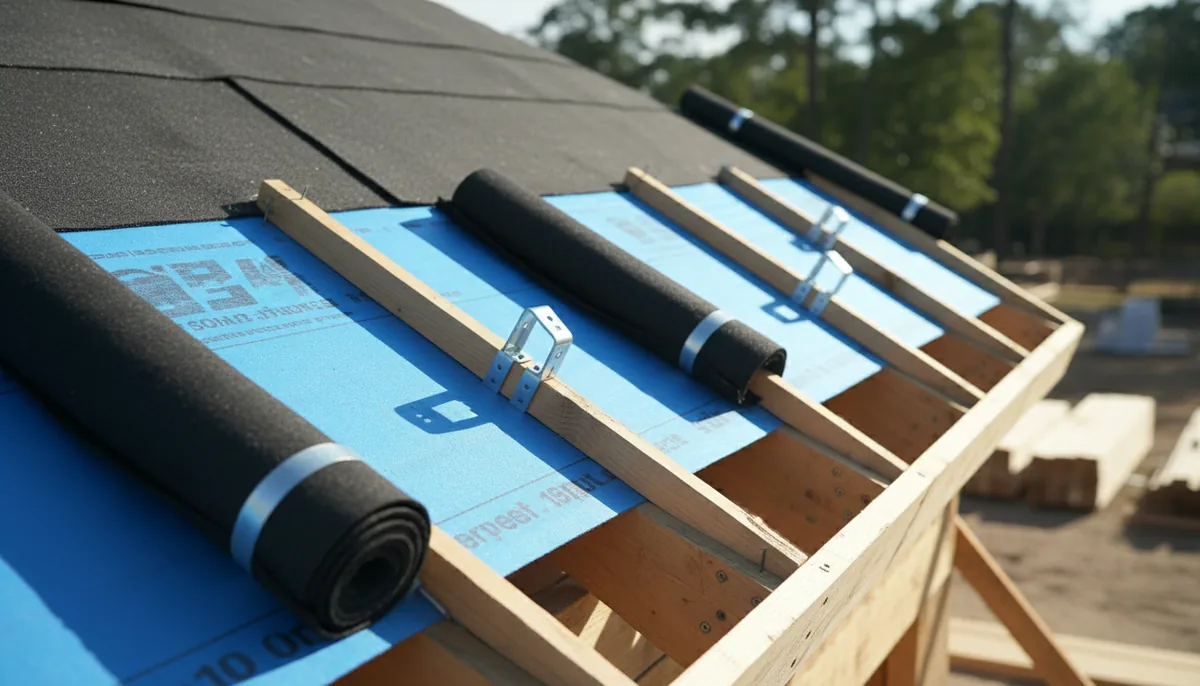
A roof replacement in Florida requires a permit pulled from the local building department, and it requires an inspection. I know how that sounds. Permit fees show up on the final bill, and the wait can throw off a schedual. But the permit is part of the job. If a contractor offers to skip it so you can save the fee and avoid the inspector, that’s the moment you show them the gate. An unpermitted roof can complicate an insurance claim later, and it can complicate a sale when a buyer’s attorney starts asking whether the work was closed out.
Those rules aren’t there to make your life hard. They’re there to make sure the roof below the shingles was inspected before the shingles hid everything. I’ve been wrong about this before, but I’d rather eat a re-do on my own time than have a roof inspector red-tag my work in front of a customer.
What I would actually do: Put the permit number in writing before the first dumpster arrives. If a contractor tells you permits are for idiots, assume they think you’re an idiot. Walk away.
Shingle roofing Florida after SB 4-D (2022): the old 25% rule
If you’ve heard “they can only fix 25% of my roof,” you’ve heard an old rule. For years, the building code said that no more than 25% of a roof could be repaired or replaced in any twelve-month period without pulling the whole roof up to current code. Roofers worked around that by splitting repairs into phases. Then SB 4-D (2022) changed the equation.
Under the change, if the roof was built, repaired, or replaced to the 2007 code edition or anything later, only the part being worked on has to meet current code. The old math no longer forces a full replacement just because you cross that line. The catch is the date. The 2007 edition took effect on March 1, 2009. Roofs from before that generally don’t qualify. So a roof from 2004 can still trigger a full replacement if the damage crosses the 25% line; a roof from 2010 often won’t. I know homeowners hate that gray area. I live in it.
A wind mitigation inspection is the discount hiding in your insurance
Wind mitigation is the part I wish every homeowner knew before the roofer starts. A wind mitigation inspection documents the roof covering, roof deck attachment, roof-to-wall connection, roof geometry, secondary water resistance, and opening protection. Insurance carriers ask for the standard form OIR-B1-1802. Florida Statute 627.70132 says they have to offer premium discounts for qualifying features. The size of the discount depends on the insurer and your policy, so read your declarations page.
The good part is that the inspection often costs less than the annual discount it can open up. The bad part is that if you wait until the shingles are down, the inspector can’t see the nailing pattern, the deck attachment, or the underlayment as clearly. Ask the roofer what wind-mitigation features are planned, and get the inspection scheduled after the final inspection. The roof may look the same either way. The form is what your premium sees.
What I would actually do: Treat the wind mitigation inspection like part of the roofing job. I put the nailing schedule, roof-to-wall connections, and secondary water barrier on the job list before I quote a shingle roof. The inspector and the insurance company decide the discount; I just make sure the roof has something to document.
What I look for before I call a shingle roof good
I’ve torn off perfectly nice-looking shingle roofs that lasted ten years and some that failed in half that. The difference is almost never the shingle itself. It is what is underneath and how the shingles are nailed. In Florida, heat does more damage than people realize. The sealant strip can soften, nails can back out, and shingle edges can curl in the sun before a storm ever reaches you.
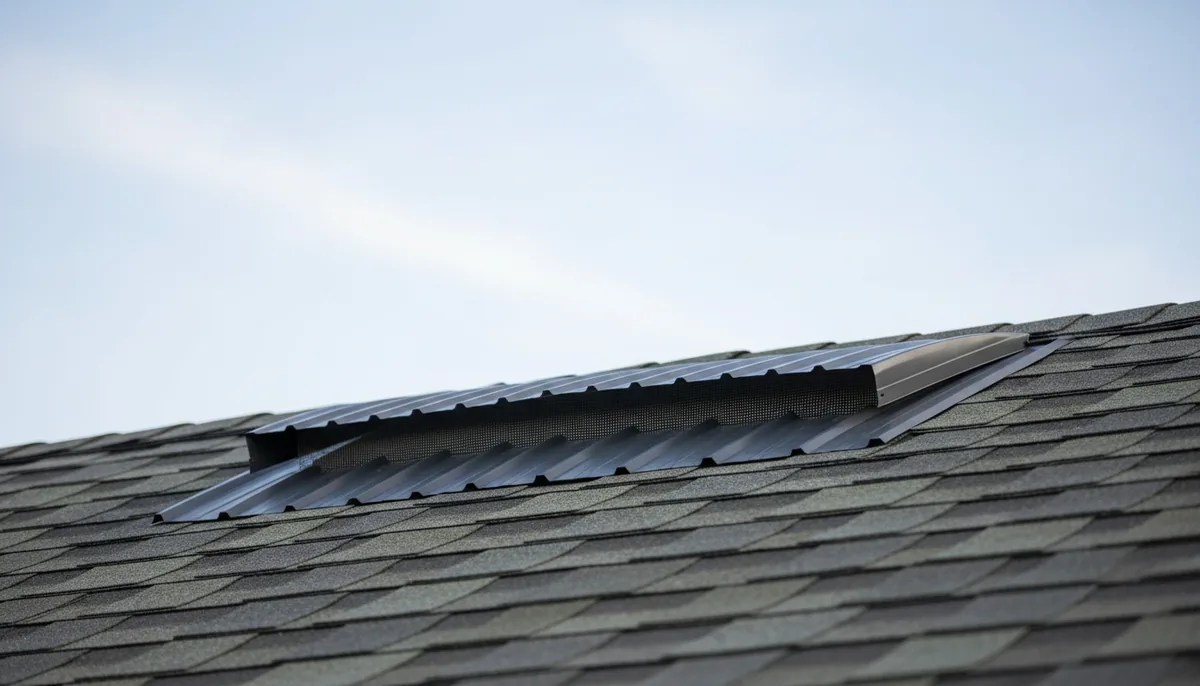
A good shingle roof starts with a smooth deck, the right underlayment, and flashing that directs water away from walls and valleys. The nailing placement matters, too. Too high and the shingle can blow off; too low and the head of the nail sticks up like a target. I could talk for an hour about vent boots and step flashing. Instead, I’ll tell you what I tell customers: if the contractor talks only about the color of the architectural shingle and never mentions deck prep, find another roofer.
One pet peeve: a homeowner pressure-washing shingles to “clean” them. Please don’t. Shingles are not concrete. The granules come off, and you just paid for a roof that now ages faster. If you want a clean roof, call a roofer who has a method that won’t strip the surface.
Questions I get asked
Does my whole roof have to be replaced if more than a quarter of it is damaged?
Not necessarily—if your current roof was put on in 2009 or later, SB 4-D (2022) changed the old 25% rule so only the worked section has to meet current code. Roofs built before that date generally don’t qualify. I can tell you what the building department usually asks; I can’t tell you what your insurance will cover.
Can I get a repair without a permit?
No. A roof replacement in Florida requires a permit and an inspection, and the contractor who tells you otherwise is looking out for themselves. An unpermitted roof can become a problem when you file a claim or when you sell the home. Walk away.
How do I know if a roofer is actually licensed?
Check the DBPR licence prefixes CCC and RC. A CCC number means certified and can work anywhere in Florida; an RC number means registered and restricted to the local area that licensed it. Search the licence number on the DBPR roll and confirm it is active.
Will a wind mitigation inspection lower my bill?
It can, if your roof has qualifying features. Florida insurers are required to offer premium discounts, and the standard form is OIR-B1-1802. The amount depends on your policy, so read your declarations page or ask your agent.
Shingle or tile?
It depends on the structure, the budget, and what you expect from the roof. Shingle roofing Florida jobs are common because shingles are lighter and more forgiving on average homes. Tile can look better to some people and last longer in certain exposures, but it also adds weight and cost. I install both. Make the decision on facts, not on the prettiest sample.