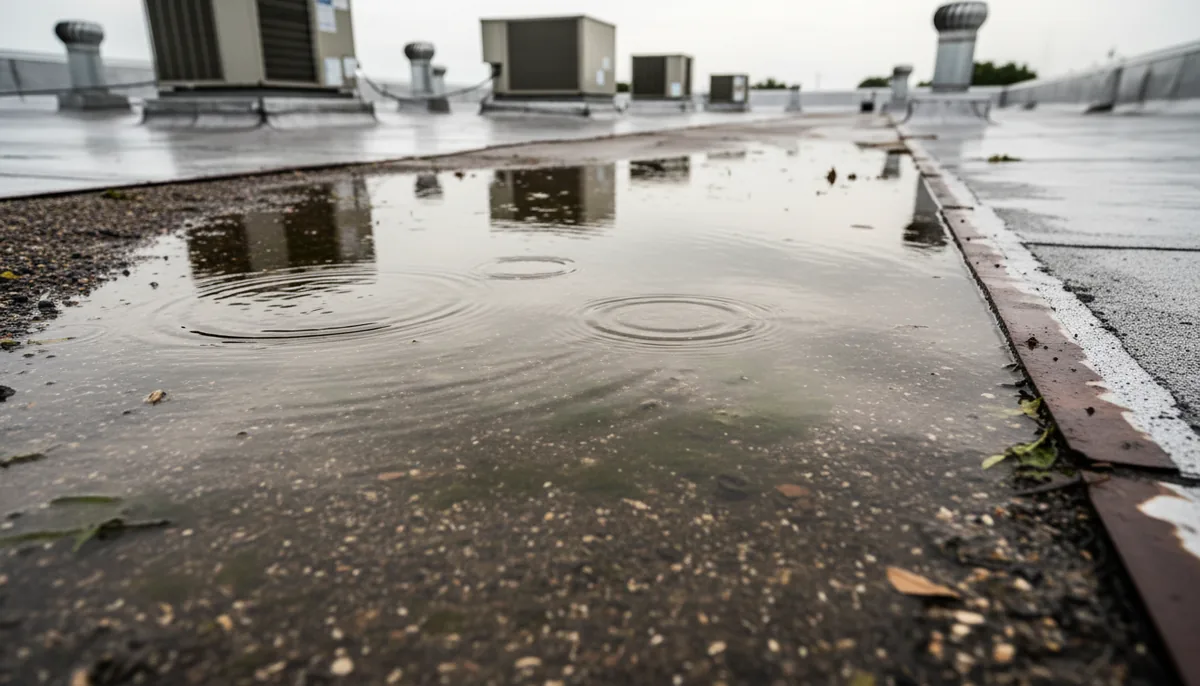
Roof leak lawyer Florida — How Bad Is It, Really?
By Dale Prescott, Roofing contractor, Central Florida. Reviewed by Hal Winstead, Editor, licensed roofing contractor. It was a Tuesday afternoon in Winter Park, and I was standing on a barrel-tile roof that had more layers of caulk than a boatyard. The homeowner was furious because his brand-new gutters had voided his roof's warranty — except they hadn't, and I had to explain that for twenty minutes while the Florida sun cooked the back of my neck. He kept asking if he should sue the gutter company, the previous roofer, or his insurance carrier. I told him the only thing leaking worse than his roof was his plan.
Look, I've been tearing off storm-damaged roofs between Orlando and the coast for twenty-two years. I've seen what insurance companies do after a hurricane, what they do after a normal thunderstorm, and what they do when a homeowner mentions the words "my lawyer." I'm not an attorney, and I'm not an adjuster. I'm the guy who has to explain to a crying retiree that the clock on her claim started running the day the tree hit, not the day she noticed the stain in her hallway. If you're searching for a leak repair companies in Florida, you're ahead of alot of people who wait until the damage is running down their walls.
The legal world of roofing in Florida is it's own beast. It's gotten worse since 2022, or better, depending on which side of the check you sit on. But before you hire a lawyer, you need to know what a lawyer can actualy do for you — and what they can't.
Let me tell you about the 25% rule you keep hearing about
For years, the Florida Building Code had this thing folks called the 25% rule. If a contractor touched more than a quarter of your roof in any twelve-month period, the whole roof had to be brought up to the current code. That meant an old roof with a small leak could suddenly become a full replacement — which was great for my business, but a nightmare for a homeowner with a $1,000 deductible and a $15,000 insurance quote.
Then came SB 4-D in 2022. That law changed things. If your roof was built, repaired, or replaced to the 2007 Florida Building Code or any later edition, then only the part being worked on has to meet the current code. They stopped forcing the entire roof to be updated. That's a big deal. The 2007 code took effect on 1 March 2009, so if your roof is older than that, call it a different story. A roof put on before that date generally doesn't qualify for the partial repair — you're looking at a full replacement.
I have been wrong about this before, so check with your local building department. The inspector's word is the one that counts, not mine.
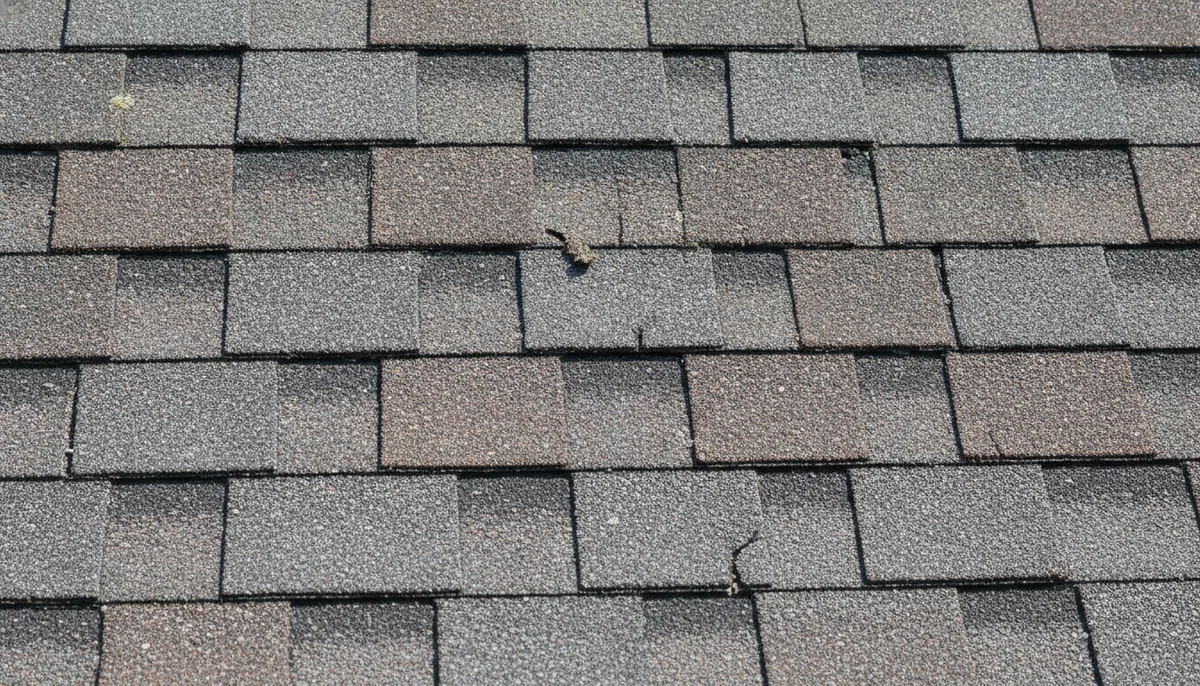
Now, about that "roof leak lawyer florida" thing
Here's the hard truth. Most roof leak disputes are not legal disputes. They're paperwork disputes. You missed a deadline, you didn't get a permit, your contractor's license lapsed, or your insurance company found a reason to say no. A lawyer will cost you $300 to $500 an hour to tell you what I can tell you for free: read your policy and check your dates.
That said, there are times you genuinely need one. If your insurer sends you a denial letter that cites the one-year filing deadline under Florida Statute 627.70132, and you know the damage happened inside that window, you might need someone who knows how to argue with them. That statute is unforgiving. The clock runs from the date of loss, not from the date of discovery. That's a nasty surprise for a lot of people — and it’s exactly why you’ll see ads for roof leak lawyers in Florida.
Under that same statute, which was amended in 2022, you have one year from the date of loss to give your insurer notice of an initial claim. If you're filing a supplemental claim — say, you found more damage after the first check — you have eighteen months from the date of loss. They cut it down from three years. I've seen grown men cry when I told them that.
What I would actually do: The day you discover a leak, write the date on a piece of paper and stick it to your fridge. Take photos of the damage with a timestamp. Save the receipt for the tarp you bought. That paper trail is worth more than any lawyer's opening retainer.
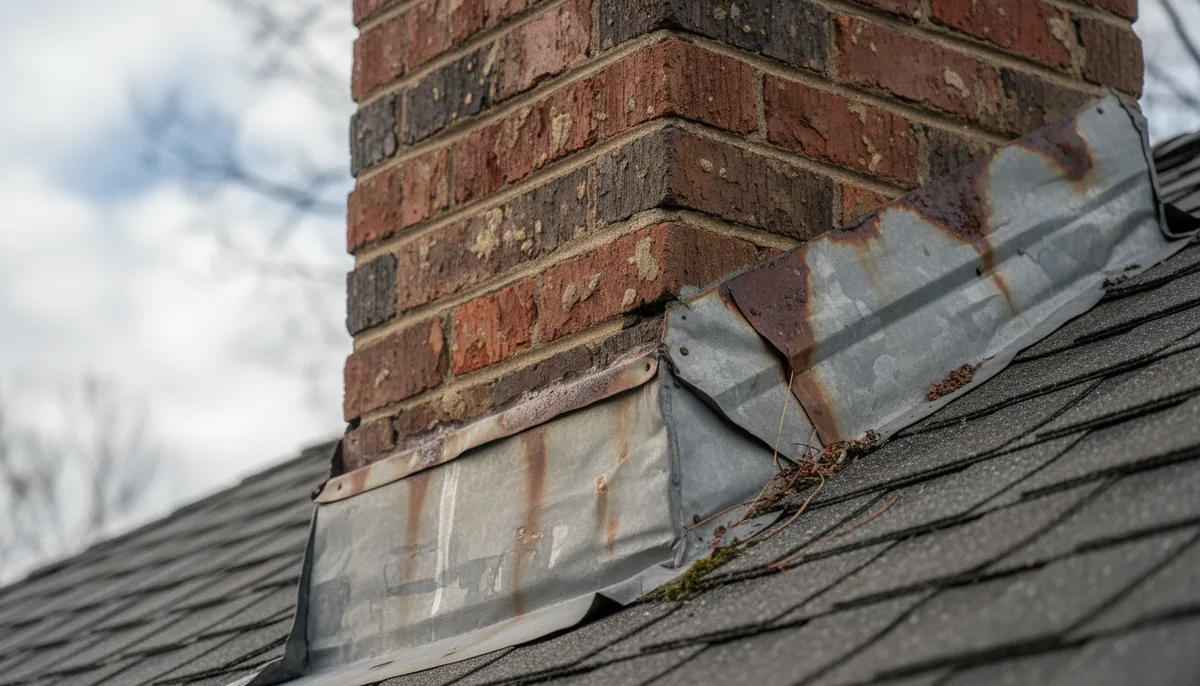
The permit is not optional
Here's where I sound like a broken record. A roof replacement in Florida requires a permit from your local building department, and that permit means an inspection. If a contractor tells you they can save you money by skipping the permit, walk away. Don't argue with them. Just walk.
An unpermitted roof will bite you twice. First on an insurance claim, when the adjuster asks to see the permit and the contractor shrugs. Second at the sale of your house, when the buyer's inspector finds the work wasn't inspected and the whole deal falls apart. I've seen both happen. Neither is pretty.
I pull permits on every job, even the ones that are just a small section of decking. Why? Because I want the inspector to catch my mistakes before they become your lawsuit. We all make mistakes. A good inspection catches them.
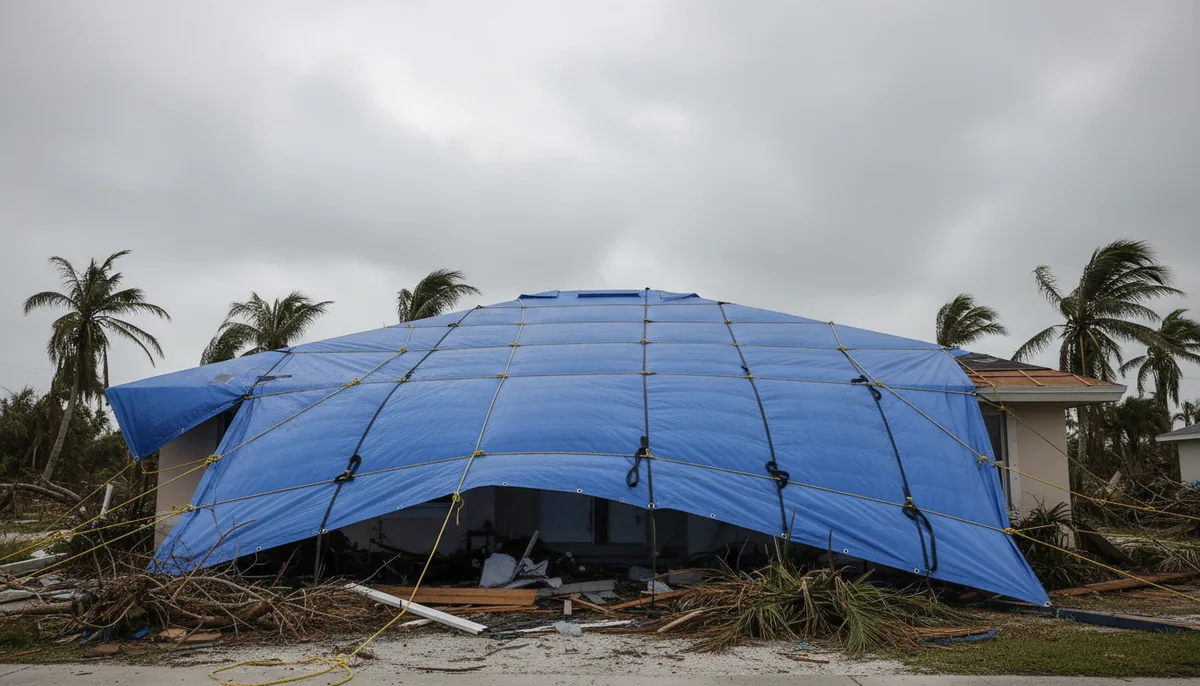
Know what kind of license your roofer holds
There's a distinction that confuses a lot of homeowners. Florida roofing contractors are licensed by the Department of Business and Professional Regulation — the DBPR. A certified contractor holds a license begining with CCC and can work anywhere in the state. A registered contractor holds a license beginning with RC and can only work in the local jurisdiction that licensed them.
I can't tell you how many times I've had a homeowner show me a business card with a number on it that didn't match the name above the door. Check the DBPR roll before you sign anything. It's free, it takes two minutes, and it saves you from hiring someone who can't legally do the work. A roof leak lawyer is useless if the contractor who caused the leak was never licensed in the first place.
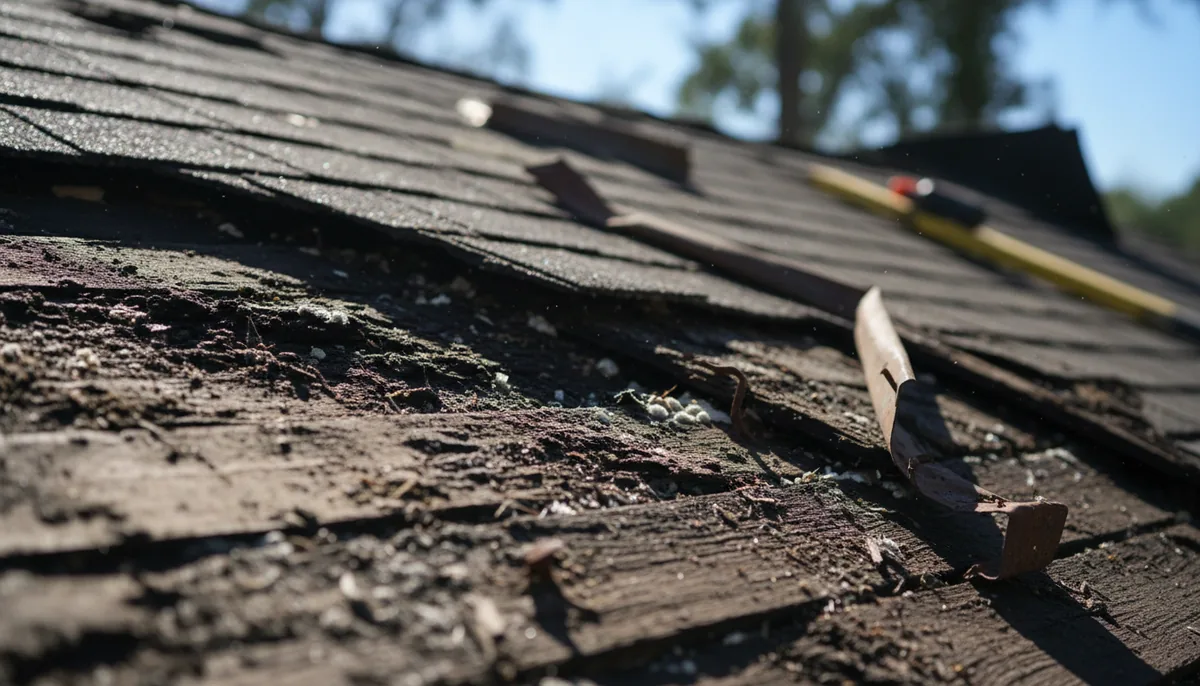
What I would actually do
What I would actually do: Call your insurance agent before you call a lawyer. Ask them directly what your policy covers and what your deadlines are. Get the answer in writing. An email from your agent saying "your claim is timely" is worth ten times a letter from an attorney.
What I would actually do: If you're over sixty and your roof qualifies, look into the My Safe Florida Home program. It's a state-run thing that helps with hurricane mitigation. It won't fix a leak, but it might make your roof stronger against the next storm. And if you have wind coverage throught Citizens Property Insurance Corporation, read their requirements carefully — they have their own rules that sit on top of the state law.
Questions I get asked
Should I call a lawyer first or a roofer first?
Call a roofer first. You need to know what's wrong and what it costs to fix it before you have anything to fight about. A lawyer can't tell you if your roof is leaking because of a bad flashing job or because a raccoon ate through the decking. I can. Get the diagnosis first, then decide if you need legal help.
How long do I actually have to file a claim?
Under Florida Statute 627.70132, you have one year from the date of the loss for an initial claim. Supplemental claims get eighteen months. This was changed in 2022 from three years, so if someone tells you that you have years to decide, they're wrong.
What if I didn't notice the leak until months later?
That's the trap. The clock runs from when the damage happened, not when you discovered it. If you can't prove when the damage happened, the insurer will assume it happened on the date of the last storm that rolled through your area. If that storm was fourteen months ago, you have a problem and you may need that roof leak lawyer after all.
Do I need a full roof replacement if only one section leaks?
It depends on what's under there. If your roof was built to the 2007 code or later, SB 4-D means only the portion being worked on has to meet current code. That's a partial repair. But if the decking is rotted or the underlayment is failing, a patch is just delaying the inevitable. I'll tell you straight: sometimes a patch is a waste of your money.
What does a roof leak lawyer cost?
I don't know their rates, and I shouldn't speak for them. What I know is that most roof cases are contingency fee or hourly, and most roof disputes shouldn't go anywhere near a courtroom. Your time is better spent reading your insurance policy's declarations page and understanding your deductible.
Can you tell me if my roofer is licensed?
No, I can't and I won't. I'm not the license police. Go to the DBPR roll yourself and look up the license number. It takes two minutes. If the contractor won't give you their license number, that's your answer.