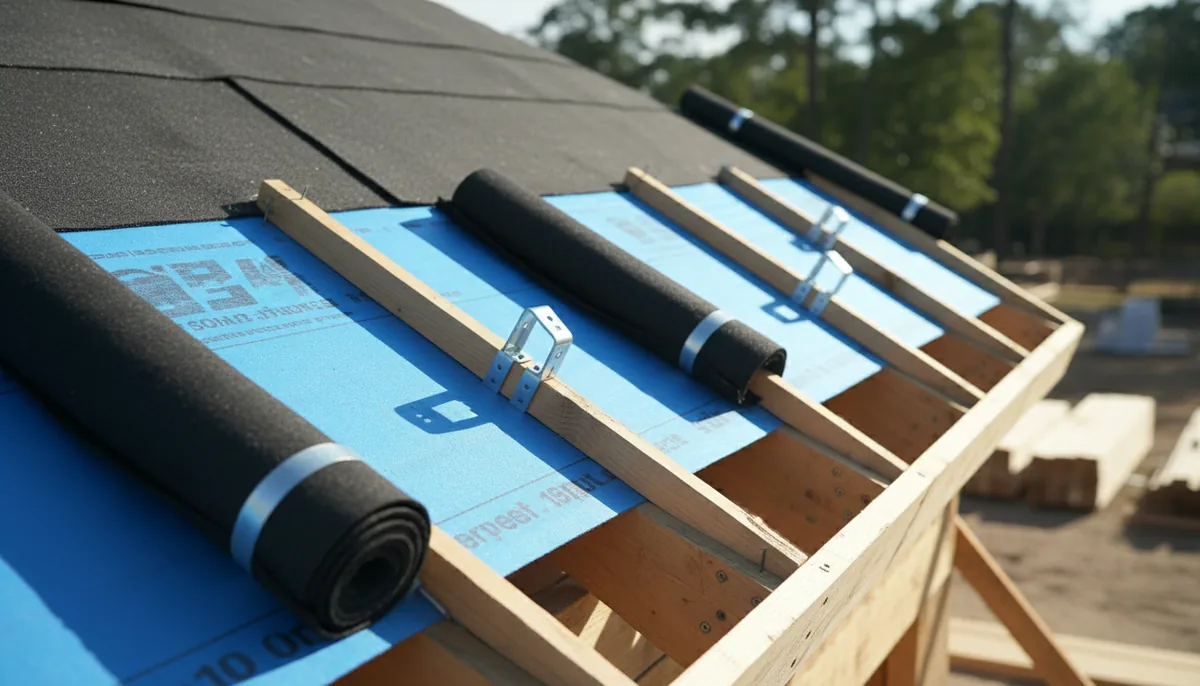
Standing seam metal roof florida home: The Florida Guide
By Dale Prescott, Roofing contractor, Central Florida. Reviewed by Hal Winstead, Editor, licensed roofing contractor.
That afternoon in Haines City, a slow-moving cell took the ridge cap off a barrel tile roof and then the rain found every nail hole the storm had opened. I stood on a ladder in that wet heat and pulled out a piece of decking that had gone soft as a wet cracker. If you have been searching for a standing seam metal roof florida home, start with the list of metal roofing companies in Florida, but bring your own questions when you call.
I of run tile and shingle crews between Orlando and the coast for twenty-two years. I have torn off more storm-damaged roofs than I care to count, and I have been wrong about what was under a roof more than once a season. So this post is not a sales pitch. It is a working roofer’s guide.
Standing seam metal roof Florida home: what I actually tell homeowners
Standing seam metal is the roof I spec when a customer wants the long answer and understands it costs more. The panels run vertical and connect with clips hidden inside the seams. There are no exposed screws working themselves loose in the sun. A screw-down metal roof, by contrast, has a fastener in every rib. I have torn off too many of those where the washers had gone brittle and the deck looked like a ragged coffee filter.
Not the same animal.
But standing seam is not magic. The metal expands and contracts in the heat, and the flashing has to be detailed for that movement. If the contractor gets the ridge, eave and pipe penetrations wrong, you will hear it pop and creak. If the flashing leaks, the water follows the seam down and shows up somewhere you won't expect. The roof is only as good as the person fitting those edges.
Can I complain about the wheather for a second? People outside Florida think hurricanes are the only thing that tears up a roof. The sun does the slow damage. A storm just finds it. A metal panel handles the sun better than an asphalt shingle, but the clips and trim and flashings still carry the load. That is where I want somebody who has actually built steep-slope metal in Central Florida.
As for price, I would love to hand you a number. No honest roofer quotes one over the phone. Metal is priced per square, which is ten feet by ten feet of roof surface, and that price moves with the pitch, the access, the number of penetrations and what is under the old roof. The whole thing, in other words, depends on what the crew finds after the first shingle comes off.
Check the licence before you check the color
Please do not pick a metal contractor by the lettering on the truck. DBPR licence prefixes CCC and RC look similiar, but they are nothing alike. A CCC certified roofing contractor may work anywhere in Florida. An RC registered roofing contractor may only work in the local jurisdiction that licensed them. I know good RC roofers who built their whole career in one county and stayed busy. That is fine. What is not fine is an RC crew working a hundred miles from home.
Verify the number is active on the DBPR roll and check that the name on the licence matches the company you are signing with. A license number that belongs to somebody's cousin is not a license.
Permits are not optional. Neither is the inspection.
A roof replacement in Florida requires a permit pulled from the local building department and an inspection. An unpermitted roof can complicate both an insurance claim and a future sale. If a contractor tells you to leave the permit off, he is telling you who he is. Walk away.
What I would actually do: Call the building department and ask if the address has an open permit. Then ask the contractor for the permit number before work begins. No number, no crew on my roof. It is that simple.
I have had inspectors make me pull back a corner of the underlayment to see how the deck was attached. That is not an insult. That is the system working the way it should.
The 25% rule changed. For many homes, that is good news.
Roofers spent years dealing with what everyone called the 25% rule. The old version said that if you repaired or replaced more than 25% of a roof in any twelve-month period, you had to bring the whole roof up to code. That is how a small storm leak turned into an expensive full replacement.
Then SB 4-D (2022) changed that. If the roof was built under the code version that took effect in spring 2009, or any later version, only the portion being worked on has to meet current code. Repairing a section no longer drags the whole roof into a full upgrade just because a square footage number got crossed.
For older roofs, the old trigger can still bite. If your roof was put on before that 2009 code version, be ready for the building department to require a bigger job than the spot repair you planned. I have been wrong about this before, so ask the inspector directly before you sign.
Wind mitigation inspections and your insurance bill
This is where metal can earn some of it's cost back, but the discount is not automatic.
A wind mitigation inspection documents the roof covering, roof deck attachment, roof-to-wall connection, roof geometry, secondary water resistance and opening protection. The standard form is OIR-B1-1802. Florida insurers are required to offer premium discounts for qualifying features, and the inspection usually costs less than the first year of discounts.
I am a roofer, not a licensed adjuster. What your policy covers is between you and the insurance company, so read the declarations page and ask your agent which credits actually apply to your house. If you are with Citizens Property Insurance Corporation, ask about their wind mitigation discount the same way you would with any private insurer.
The state has run programs under the name My Safe Florida Home, and they change with funding cycles. If someone promises it will pay for your roof, check the program yourself before you beleive a roofer.
What I would actually do: Pay for the wind mitigation inspection while the old roof is still on, if the access is safe. That tells you about the deck, the fasteners and the roof-to-wall ties before you spend money on new metal. The report matters. The sales pitch does not.
Questions I get asked
Is standing seam metal right for a Florida home with a tile roof?
It can be, especially if the tile is failing and the house is in a high wind zone. Tile looks great, but tile roofs are heavy and some older installations were only as good as the felt under them. Standing seam is lighter and the seams are engineered to move. The catch is the cost and the quality of the metal crew.
Do I have to tear off my old roof first?
Not always, but I would not promise that over the phone. If the existing roof is tile or has multiple layers, code and weight usually force a full tear-off. If the deck is rotten or wet, no metal panel in the world should go over it. The new roof needs a solid substrate underneath.
Will standing seam metal get me an insurance discount?
It can, but only if the wind mitigation inspection scores the house well. The metal roof covering is one item on form OIR-B1-1802, not the whole score. Deck attachment, roof geometry, secondary water resistance and opening protection all count. Ask your agent which credits your insurer offers, then read the declarations page yourself.
What does SB 4-D (2022) mean for my repair?
For a roof built under the code version that took effect in 2009 or later, it usually means the repair does not force a whole-roof replacement. For older roofs, the old 25% trigger can still apply. I am not a lawyer, so ask the building department what their inspector will require before you sign a repair contract.
How do I check a roofing contractor’s licence?
Look up the number on the DBPR roll, then check that the name matches your contract. Remember DBPR licence prefixes CCC and RC are different: CCC can work anywhere in the state, and RC can only work in the local jurisdiction that licensed them. An active licence is the floor, not the ceiling. Ask for recent metal roof references and call one.