Epdm roofing pros florida: The Florida Guide
By Marcy Doleman, Commercial roofing estimator. Reviewed by Hal Winstead, Editor, licensed roofing contractor.
The last time I stood on a school roof in Fort Myers, the afternoon heat was coming off the EPDM in waves that made the parapet edge look like it was breathing. I was there to measure for a coating job, but I spent the first twenty minutes tracing a seam that had let go—not because the membrane was bad, but because someone had installed it over wet decking, and the vapor had pushed up from underneath. That seam cost the district a year of leaks and a legal headache, and it’s why I tell people to stop shopping for the cheapest number and start shopping for someone who actually knows what they’re doing.
If you need help finding crews, the flat roofing companies in Florida directory is a decent place to start because it lists contractors who work across the state. But a directory is only a list. You still have to do the homework, and that means understanding how Florida licensing works, what the code actually says, and what a wind mitigation inspection is for. Let me walk you through the stuff I check before I ever put a number on paper.
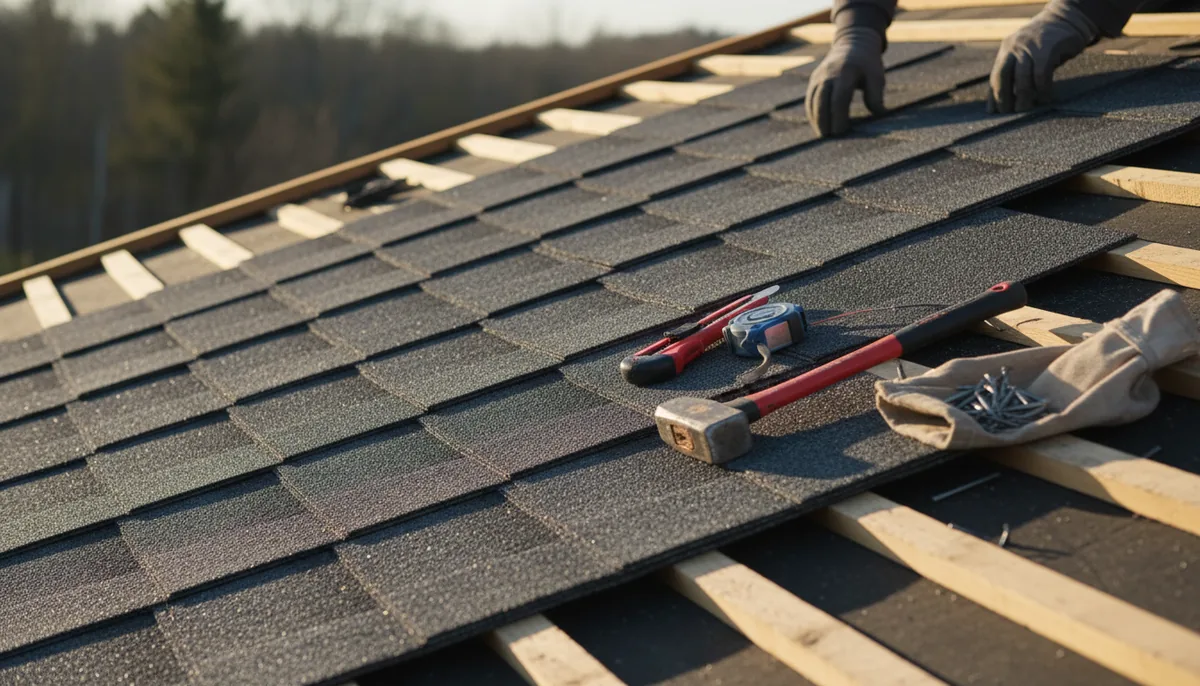
So, EPDM. Ethylene propylene diene terpolymer, but nobody says that. It’s the black rubber membrane you see on big box stores and warehouses. It’s been around for decades, handles ponding water better than TPO in many cases, and seams are made with primer and splicing tape. The pros in Florida like it because it doesn’t shrink in the heat the way some single-ply membranes can, and it takes a beating from hail better than you’d think. I’ve pulled thirty-year-old EPDM off roofs that was still flexible, which is more than I can say for some modified bitumen I’ve seen.
But the membrane is only half the story. The other half is who puts it down.
The first thing I do is check the licence number
Florida roofing contractors are licensed by the Department of Business and Professional Regulation, and the DBPR licence prefixes CCC and RC tell you alot. A certified contractor, prefix CCC, can work anywhere in the state. A registered contractor, prefix RC, can only work in the local jurisdiction that issued the licence. I can’t tell you how many times a building owner in Orlando has handed me a card with an RC number and a Broward County address and wondered why I was frowning.
You can look it up yourself on the DBPR roll. It takes two minutes. Verify the number is active and matches the name on the contract. If the licence has lapsed or the name doesn’t match, don’t hire them. I’m not a lawyer and I don’t play one on the roof, but I do know that a contractor who can’t keep their own licence current probably isn’t pulling permits either.

Permits matter more than you think
A roof replacement in Florida requires a permit from the local building department and an inspection. Every time. No exceptions. If a contractor offers to skip the permit to save you money or time, walk away. I’ve seen what happens when people take that deal, and it’s not pretty.
The problem with an unpermitted roof shows up later. An insurance adjuster gets involved after a storm, and suddenly you’ve got a claim denial because the roof doesn’t have a final inspection on file. Or you go to sell the building and the title company flags the unpermitted work, and the deal falls apart. The permit is not the contractor’s favor to you. It’s the law, and it protects you, and it costs a few hundred bucks compared to the tens of thousands you’re already spending.
The 25 percent rule is not what it used to be
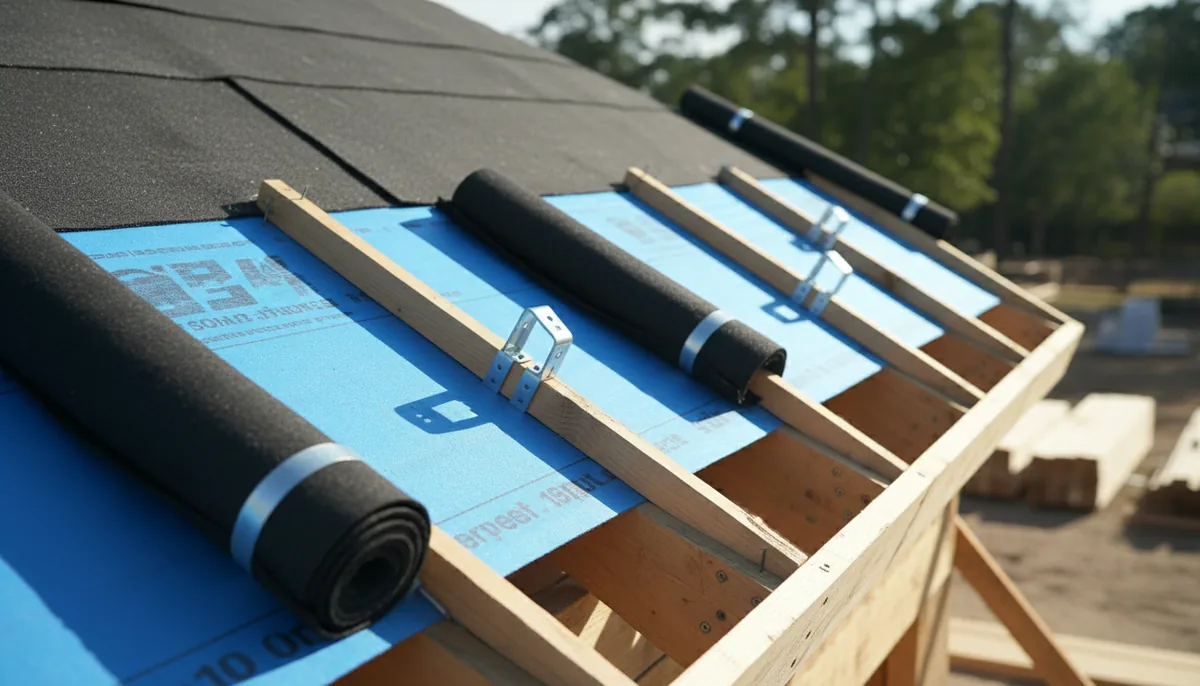
Here is where a lot of people get confused, and I don’t blame them. Florida’s old rule was simple: no more than 25% of a roof could be repaired or replaced in a 12-month period without bringing the whole roof up to current code. That rule made full replacements a lot more common than owners wanted.
SB 4-D (2022) changed it. If your roof was built, repaired, or replaced under the 2007 Florida Building Code or any later edition, then only the portion being worked on needs to meet current code. No more automatic full replacement trigger. But here’s the catch—the 2007 edition took effect on March 1, 2009. Roofs completed before that date generally do not qualify for the new exception. So if your warehouse roof is from 2004, that old 25% rule can still bite you.
What I would actually do: Before you approve a repair contract, ask the contractor which code edition your roof falls under. If they hesitate, that’s a red flag. I’ve been wrong about this before, so I always double-check the jurisdiction’s building department records before I write an estimate.
Wind mitigation is free money you’re leaving on the table
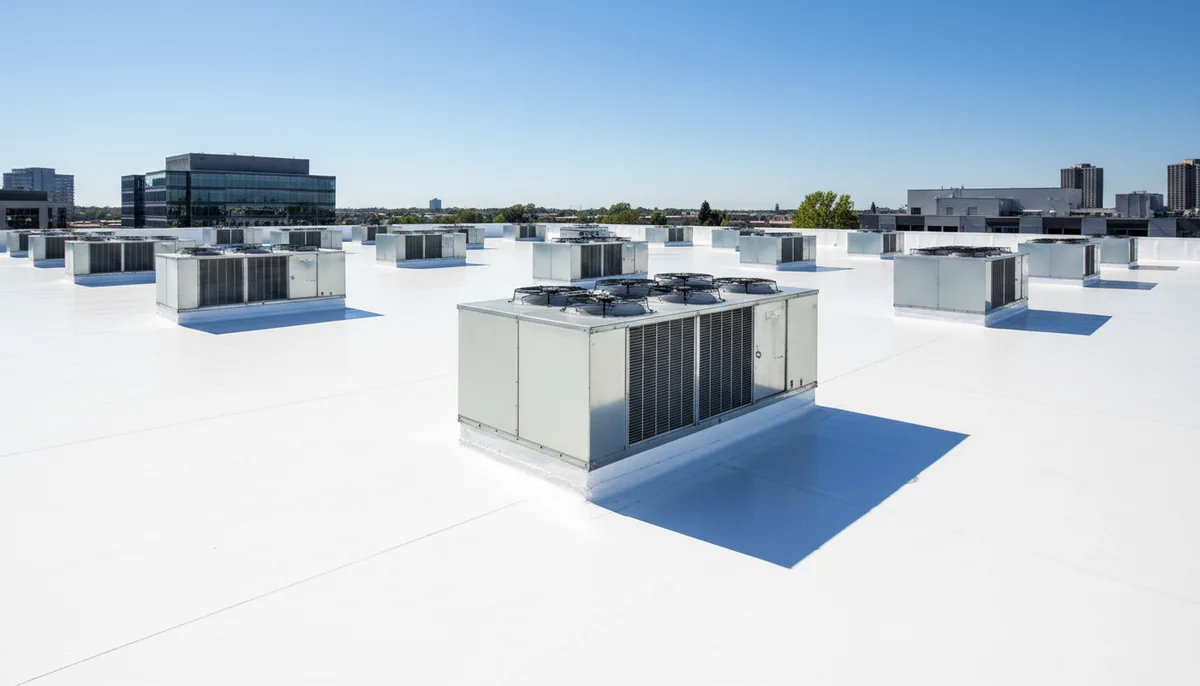
This is the part of my job I actually enjoy, because it helps people. Florida insurers must offer premium discounts for qualifying wind mitigation features, and the standard form is OIR-B1-1802. A wind mitigation inspection documents six things: roof covering, roof deck attachment, roof-to-wall connection, roof geometry, secondary water resistance, and opening protection.
The inspection costs money, sure. But it usually costs far less than the annual discount it can open up. I’ve had commercial clients with big warehouses save thousands a year just because their roof has a secondary water barrier and their deck is attached with the right fasteners. The key is that the inspection has to be done on the current configuration of the roof. If you replace the roof, you need a new form.
What I would actually do: If you’re replacing a roof, tell the contractor ahead of time that you want a wind mitigation inspection after the work is done. A good roofer will document the deck attachment and secondary water barrier as they go, because it’s much harder to prove what’s under the membrane after it’s sealed. Then take the form to your insurer and ask for the discount. Florida Statute 627.70132 has something to say about this, but the short version is—read your policy and talk to your agent.
What I tell owners about insurance paperwork
I’m not a licensed adjuster, so I won’t tell you what your policy covers. That depends entirely on the policy. But I will tell you that insurance companies in Florida are getting tougher about roofs, and they’re asking for documentation. If you have an older roof, your insurer might send you a letter saying you have a short window to get an inspection or they’ll drop you or cap your payout.
Sometimes you end up with Citizens Property Insurance Corporation, which has it's own requirements. The point is, don’t wait for the letter. If your roof is over fifteen years old, get an inspection now. Know what you have. Know what condition it’s in. And for the love of everything, keep the paperwork from any repair or replacement, including the permit and final inspection sign-off.
One thing that always drives me a little crazy—an owner will spend forty thousand on a new roof and then lose the paperwork six months later. The permit card, the inspection reports, the membrane warranty, the manufacturer’s installation instructions. That stack of paper is worth money. If a storm hits, that paper is what proves your roof was installed correctly. Keep it in a fireproof safe or a digital folder. Don’t rely on the contractor to have it forever.
Questions I get asked
How long does an EPDM roof last in Florida?
With proper installation and maintainance, EPDM can last twenty-five to thirty years or more. I’ve seen roofs older than that still performing, though they usually need a coating or a few hundred square feet of replacement by then. The seams are usually what fail first, not the membrane itself.
Can I just coat my old EPDM roof instead of replacing it?
Sometimes yes. If the membrane is still adhered and the seams are sound, an elastomeric coating can extend the life by ten to fifteen years. But coating a roof that has moisture trapped under the membrane is a waste of money. I always recomend a core analysis first to check for wet insulation.
What does a commercial roof replacement cost?
It depends on the square, the pitch, the access, and what is under the existing roof. I price per square, which is a hundred square feet, but I won’t give you a number without seeing the roof. There are too many variables—deck type, number of penetrations, wether we need to strip off three layers of old modified bitumen.
Do I need a new wind mitigation form after a roof replacement?
Yes. The old form is invalid because the roof covering and deck attachment data has changed. Get a new inspection after the replacement is complete and send the form to your insurer. The premium discount usually makes the inspection pay for itself in the first year.
Is a registered roofing contractor okay for my job?
It depends on where the job is. If your building is in the same jurisdiction where the contractor is registered, then it can be fine. But if you’re in a different county or city, a registered contractor cannot legally work there. A certified contractor with a CCC prefix can work anywhere in Florida. Check the licence roll and make sure the status is active.
What happens if I skip the post-installation inspection?
You don’t want to find out. Without a final inspection, you have no proof the roof was installed to code, and that becomes a problem when you need to file an insurance claim or sell the building. Most contractors will not pay out their warranty claim without a final signed inspection either. It’s not worth the risk.