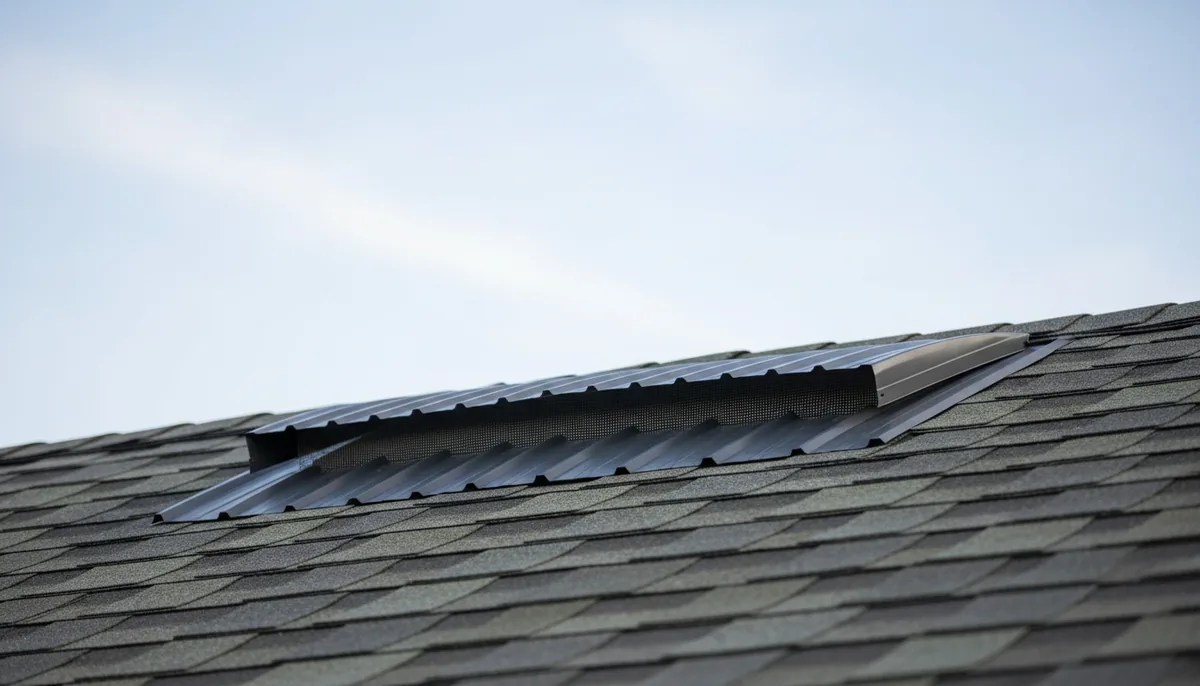
Standing seam metal roof modern home florida: The Florida Guide
By Dale Prescott, Roofing contractor, Central Florida. Reviewed by Hal Winstead, Editor, licensed roofing contractor.
I remember an afternoon in Winter Park where we'd set the first six panels of a standing seam roof and the lines looked like a seven-year-old drew them. The metal had sat in the Florida sun for three days, the trim guy had cut the panels dead square, and when the metal expanded, the seams walked out of line. We pulled that run down and redid it on my time. That is why, when someone starts asking around, I point them to metal roofing companies in Florida before they let a smooth talker near their roof.
I of run tile and shingle crews between Orlando and the coast for twenty-two years, and I have torn off more storm-damaged roofs than I care to count. Standing seam metal is not magic. It is a system, and it only behaves when the people installing it respect how much it moves. On a modern Florida home, that clean, tight roof line is exactly what most people are paying for. But the line is only as good as the clips, the flashing, and the permit behind it.
Let me walk you through what I would actually look at before I signed a contract myself.
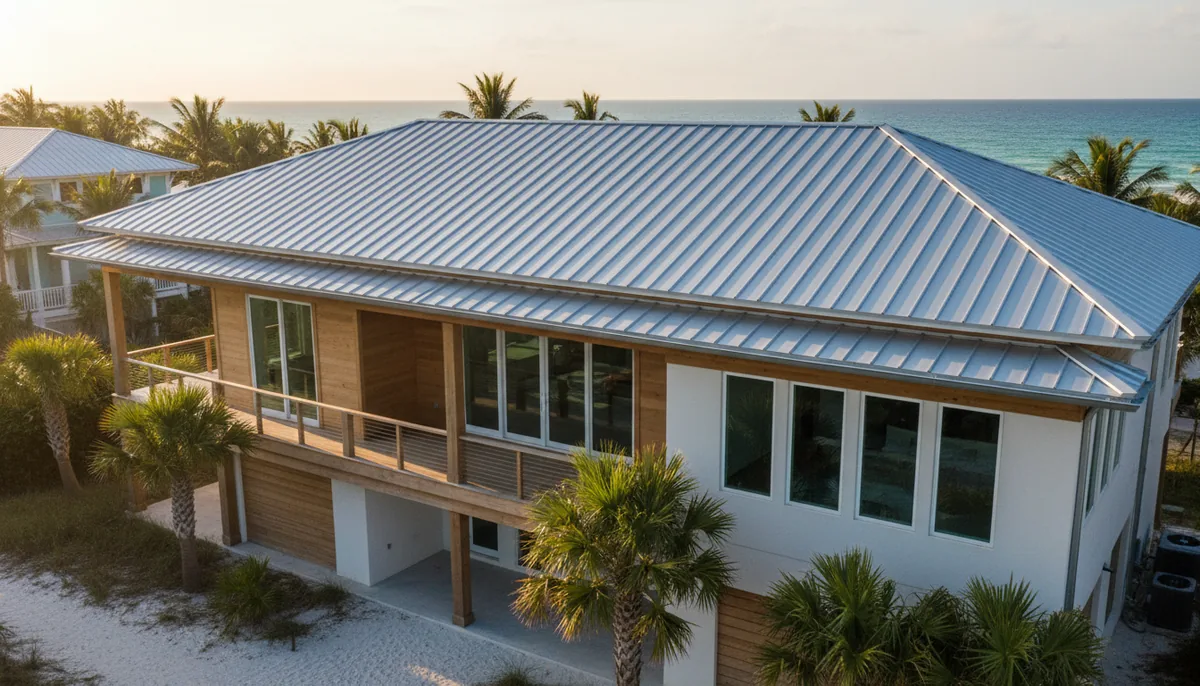
Standing seam metal roof on a modern Florida home: what it is
Standing seam means the roof surface does not have exposed screws. Panels lock into tall vertical seams using clips that let the metal expand and contract. In a place that bakes half the year and gets blown sideways the other half, that movement is the whole ballgame. A shingle roof sits there. A metal roof breathes. If somebody installs it like a tin barn, the seams rack, the panels oil can, or the fasteners loosen within a few summers.
I know that search—standing seam metal roof modern home florida—because people type it in, see a hundred pretty photos, and then call me with a knot in their stomach. The pretty photos do not tell you wether the crew understood thermal expansion. They also do not tell you whether anyone pulled a permit.
On the modern part, metal earns it's place. Modern homes tend to have broad, simple roof planes and less ornament to hide mistakes. Standing seam gives you a straight, clean line that fits that style. It handles our rain better than shingles on lower slopes, too, provided the pitch still has enough fall for the panel profile. If it is flat as a pond and the salesman still says metal will shed it, get a second opinion.
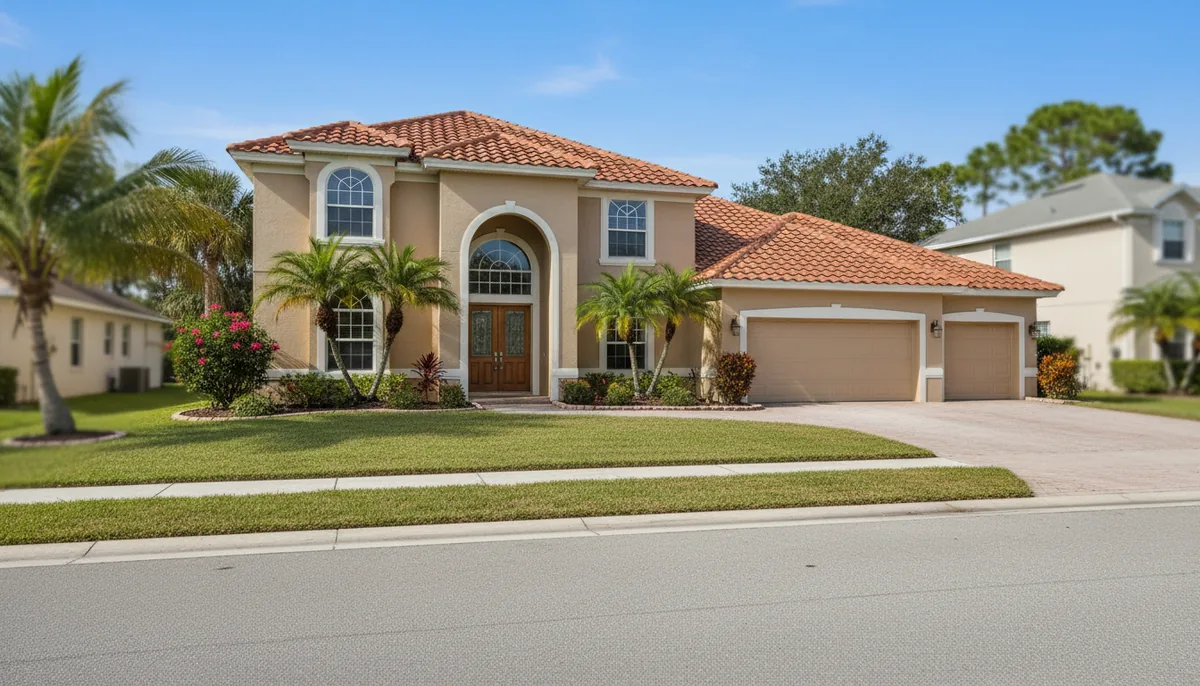
Florida roofing licenses: CCC, RC, and why I check
Florida roofing contractors answer to the Department of Business and Professional Regulation. That matters because there are two kinds of license, and homeowners mix them up all the time.
A certified roofing contractor holds a license that starts with the letters CCC and can work anywhere in Florida. A registered roofing contractor holds a license begining with RC and can only work in the local jurisdiction that licensed them. The DBPR licence prefixes CCC and RC are the first thing I ask for when someone I have never met wants to climb on a roof. I have been wrong about this before, so I do not trust a magnetic sign on a truck. I check the number against the DBPR roll and make sure it is active.
If a contractor offers to skip the permit, walk away. Roof replacement in Florida requires a permit from the local building department and an inspection. An unpermitted roof can complicate an insurance claim and it can complicate the sale of the house years later. No shortcut is worth that.
What I would actually do: Ask for the contractor’s license number before they measure. Verify it on the DBPR roll. Then call the local building department and ask if there is an active permit for the address. If the contractor says permits are optional, I would walk away right there.
Also, I will say this once because it is the gripe of every roofer in Florida: do not watch three videos and then tell my foreman how to flash a valley. I care about the rain that is coming. He does too.
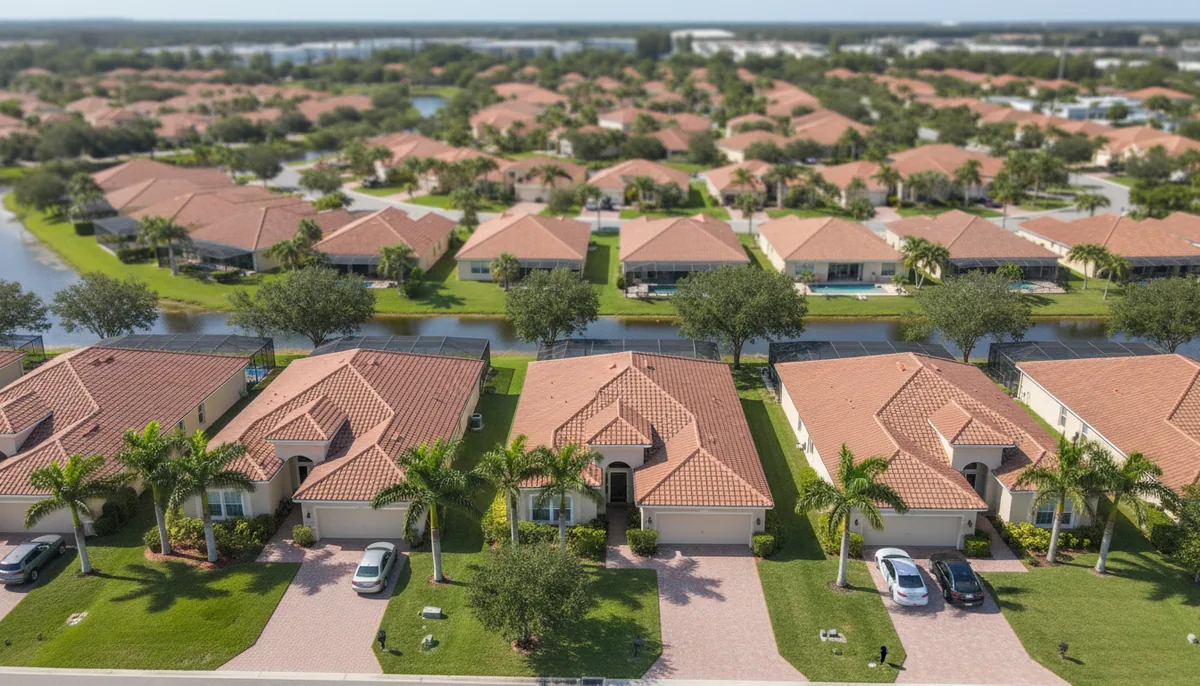
SB 4-D (2022) changed the old 25% roof rule
People still ask about Florida’s old twenty-five percent rule. For years, the building code said that if you repaired or replaced more than a quarter of the roof in a twelve-month period, the whole roof had to be brought up to current code. That is how a homeowner with one leaking corner found out the code wanted an entire roof replacement.
SB 4-D (2022) changed that for newer roofs. If your roof was built, repaired, or replaced under the state code edition that took effect in early 2009 or later, only the part being worked on has to meet the current code. Older roofs can still get dragged into the old logic. I am not a lawyer, so I always tell a customer to ask the local building department before paying for a repair. Their answer controls the job, not mine.
If you are replacing a roof in Florida, the permit and the inspection are not optional. The permit protects you. The inspection catches what the naked eye misses from the ground. And yes, it also gives the next buyer a paper trail instead of a story about how the roof “was fine when we left.”
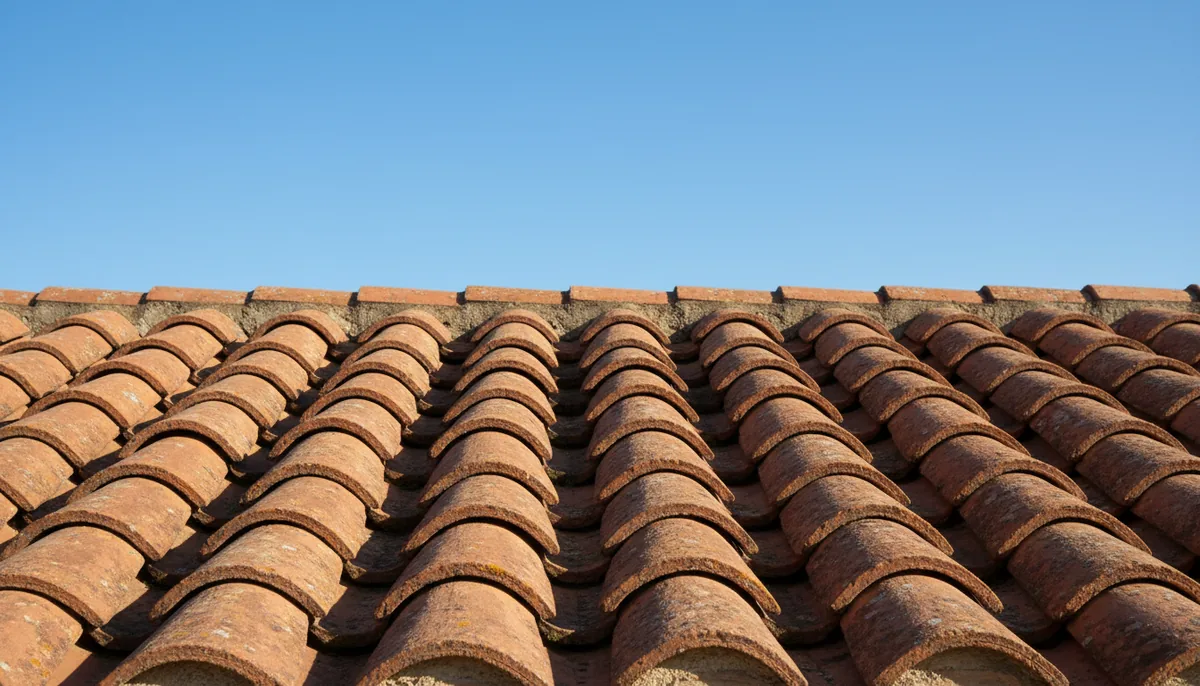
Wind mitigation inspections and your insurance premium
Here is the part I wish more people understood before they picked a color.
A wind mitigation inspection looks at the roof covering, roof deck attachment, roof-to-wall connections, roof geometry, secondary water resistance, and opening protection. The inspector documents all of that on the standard form—form OIR-B1-1802. Florida Statute 627.70132 is what backs up the idea that insurers have to offer premium discounts for qualifying wind mitigation features. If your insurance runs through Citizens Property Insurance Corporation, ask the same questions there too.
I am not an insurance agent and I do not know what your policy covers. Anyone who tells you that a metal roof will automatically lower your premium is guessing. The discount depends on the inspection resultes, the age of the house, the shape of the roof, and the policy language. Read your declarations page and ask the agent to show you the line where the discount appears.
What I can tell you is this: the inspection costs far less than the annual discount it can open up, and the best time to do it is while the old roof is off. You want the inspector to see the deck attached to the trusses, not hidden under fresh underlayment.
What I would actually do: Schedule the wind mitigation inspection during the tear-off, before the new standing seam panels go on. Then take form OIR-B1-1802 to the agent and ask, “Show me the exact discount on my declarations page.” If they cannot show it, call the carrier and ask again.
Questions I get asked
Does a standing seam metal roof make rain louder?
Only if it is installed wrong. With solid decking and insulation above the ceiling, the difference is small. The old tin-shed drumming comes from wide unsupported panels and no decking underneath. A modern home with a closed attic and proper insulation will not sound much different from shingles.
Can you put standing seam over old shingles?
I don’t like it for most Florida homes. Trapped moisture is the problem. Old shingles hold humidity against the backside of the metal, and that is how rust starts from the inside out. If the deck is sound and the local building department allows it, there are ways to make it work, but I always recommend tearing off.
Does salt air wreck metal roofs near the coast?
Salt air punishes the flashing and edges before it ever hurts the middle of a panel. A modern home near the water needs corrosion-resistant clips and flashings that will not react with the metal. Ask the installer how they isolate dissimilar metals, because I have seen a nice roof turn white with corrosion before the warranty paperwork was dry.
How much does a standing seam metal roof cost?
No honest roofer should give you a number before measuring the roof. It is priced per square, and the price depends on pitch, access, valleys, penetrations, and what is under the old roof. Depends what is under there. Sometimes the deck has rot and the price changes before the panels ever show up.
Do I need a full tear-off before metal?
Usually, yes. I want to see the deck, and I want the truss attachments exposed for the wind mitigation inspection. A new roof is worth doing once. A retrofit over a questionable deck is how you end up replacing it twice.
Is there state help for wind mitigation work?
If you qualify, My Safe Florida Home can help with certain wind mitigation improvements, but funding comes and goes through the state. Check the official program and do not trust a door knocker who promises free money. A standing seam metal roof may fit if the work qualifies, but I cannot speak for them.