Storm damage roof repair Florida — How Bad Is It, Really?
By Dale Prescott, Roofing contractor, Central Florida. Reviewed by Hal Winstead, Editor, licensed roofing contractor.
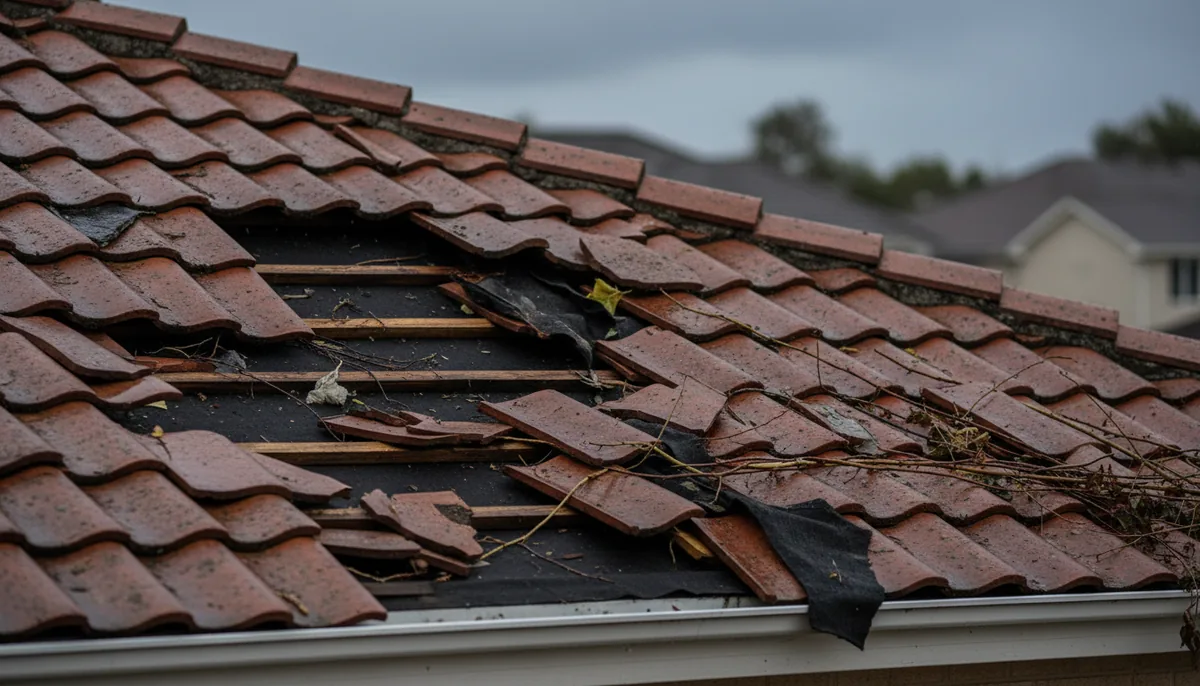
Last July I was kneeling on a barrel-tile roof in Haines City when the homeowner came up behind me and announced that his insurance had already paid for the storm. He pointed to a brand-new AC condenser sitting by the fence — that's where the money went. The ridge was peeled back, the valley was packed with broken clay, and the roof had maybe eighteen months left. He'd cashed a depreciation check and called the claim closed, which is a mistake I see more than I'd like. If you're looking at a job like this and don't know who to trust, start with storm damage roofing companies in Florida, then run the license before anyone sets a ladder on your fascia.
How bad is it, really? Most storm calls I run are a couple of blown shingles, a lifted valley, a damaged screen enclosure. Sometimes the roof looks rough but only needs four or five squares replaced. And sometimes a small leak above the garage soaks the deck so quietly that the first sign is mildew in the attic. I of been wrong about this before. Depends what is under there, and the only way to know is to pull a few fasteners and look.
I'm not a lawyer and I don't pretend to be your adjuster. But after twenty-two years running crews between Orlando and the coast, I can tell you the storm is rarely the most expensive part. The decision that costs you is filing late, hiring the wrong roofer, or spending the claim money before the roof is fixed.
Storm damage roof repair in Florida: what the 25% rule did and what changed
Any roofer over a certain age knows the old rule by heart: in any 12-month period, you couldn't repair or replace more than 25% of a roof without bringing the whole thing up to current code. That rule used to force full replacements on more jobs than I care to count. Then SB 4-D (2022) changed the math.
Under the new reading, if your roof was built, repaired, or replaced under the 2007 Florida Building Code or any later edition, only the section being worked on has to meet current code. The full replacement is not automatically triggered. But if your roof went on before the 2007 code took effect — and that was 1 March 2009 — the old 25% mindset usually still runs the permit office. I say usually because local building departments read the same rule differently, and I have been wrong before.
What I look for before I say repair or replace
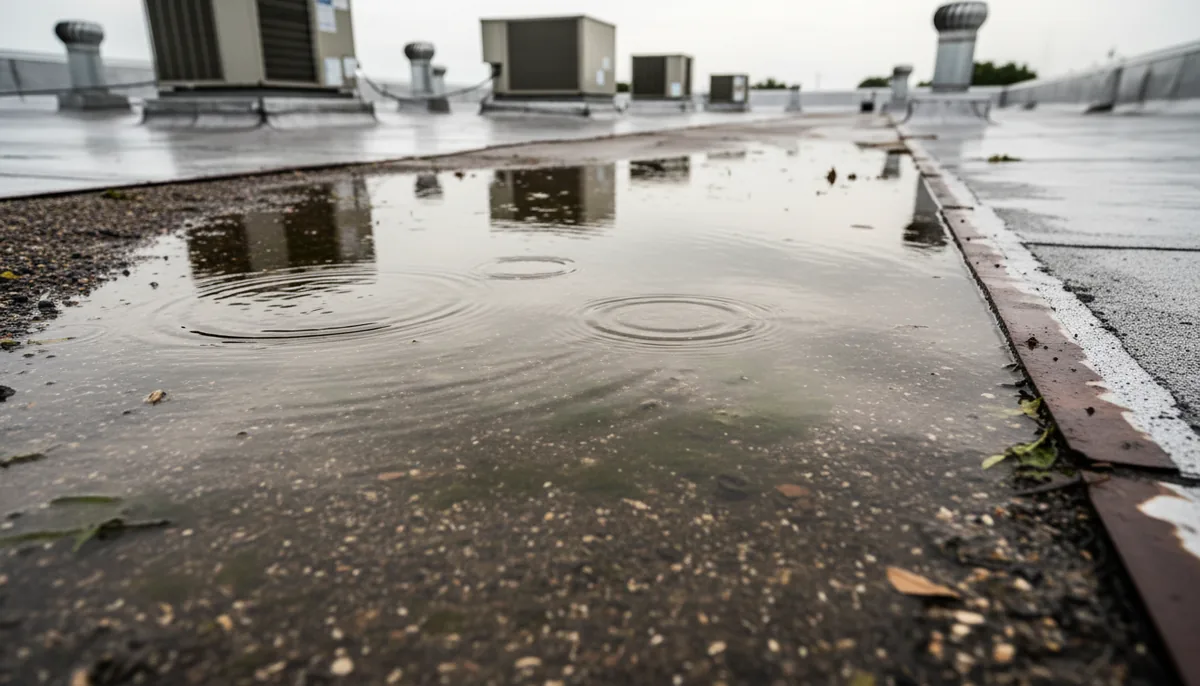
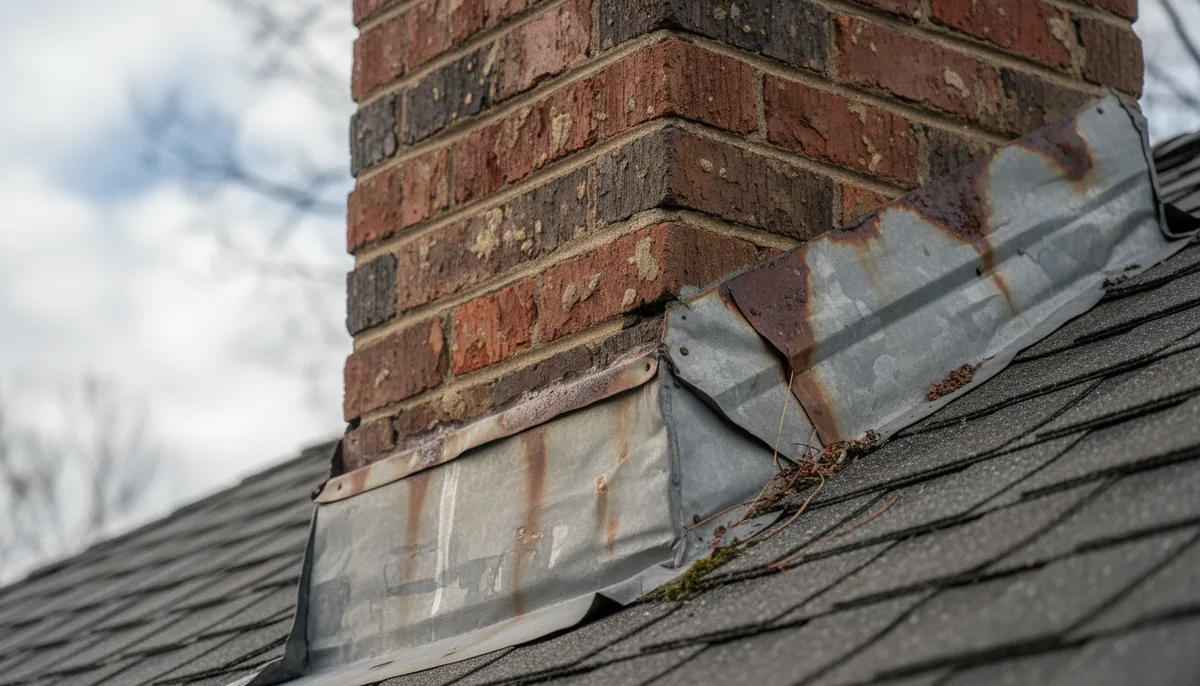
The age of the shingle matters, but so does the way it was installed. A thirty-year architectural shingle that's been through eight hurricane seasons is not the same roof it was when it left the bundle. When I get up there, I look at three things: how the fasteners are holding, how the deck feels under the felt, and wether the flashing was done right at the valleys, pipes, and roof-to-wall junctions. That last one is where I find most of the hidden damage.
One time in Davenport, a homeowner had sealed a leak from the inside with expanding foam and asked me if that counted as a repair. It counted as a reason I went home thinking about a different line of work.
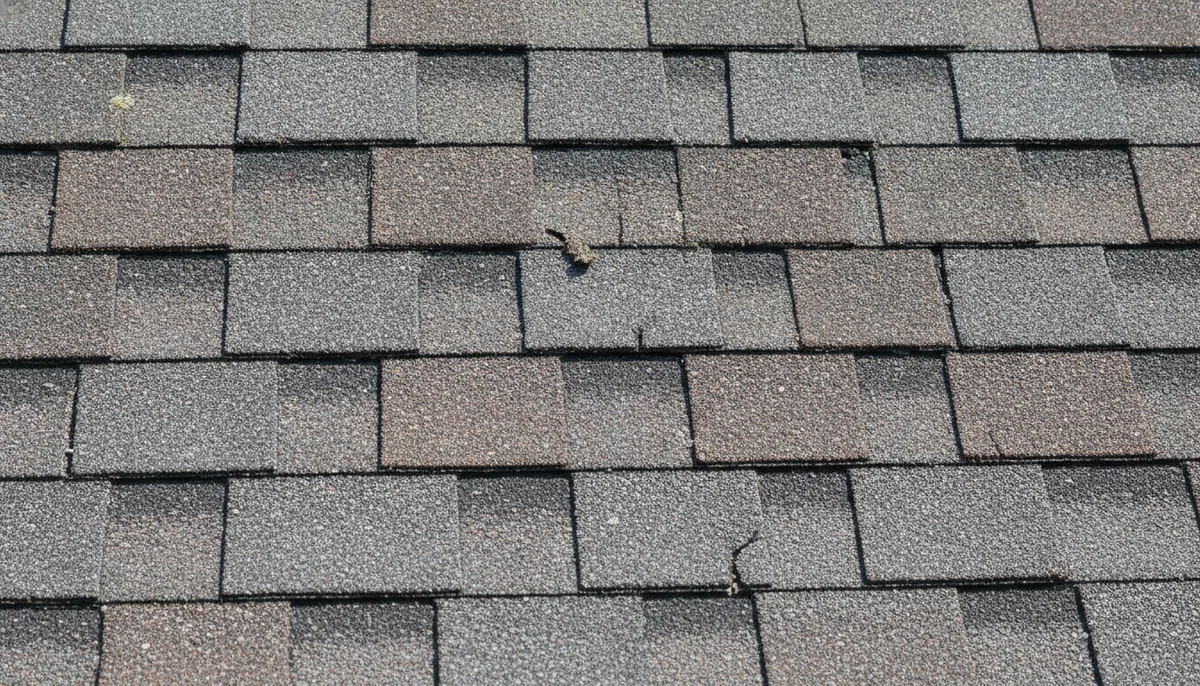
Most storm damage isn't dramatic. It's a lifted edge here, a creased shingle there. If the deck is dry and the fasteners bite, I'd rather repair. If the felt is brittle and the deck is soft, I'm not going to pretend a patch will hold. That's not a sales pitch. It's a judgment call, and it's why you want somebody who will pull shingles, not just snap photos from the street.
What I would actually do: get two or three written inspections from licensed roofers before you file a claim, and if any roofer finds deck damage, ask him to photograph it with a tape measure in the shot.
The claim clock starts at the storm, not when you find the leak
Florida Statute 627.70132, as amended in 2022, shortened the time you have to tell your insurer about a loss. For an initial or reopened claim, you have one year from the date of loss. For a supplemental claim, you have eighteen months from the date of loss. This is not from the day you notice the stain on the ceiling. It's from the day the storm hit.
You don't have to have the repair finished by then. But you have to start the claim in whatever form your policy requires, and that should be in writing. Miss the deadline and the insurer can use it as a complete defense to something it might have covered otherwise. That sounds wrong in a state with this much lightning, but that's how the rule reads. If you're already past a deadline, talk to a lawyer rather than a roofer.
What I would actually do: mark the date of the storm on your calendar and set a reminder for nine months out; take pictures of the roof, the yard, and any ceiling stain the same week, and don't wait to see if the leak goes away.
The check looked short because part of it was depreciation
Here's the part that confuses people: the first check from an insurance company often isn't the whole payment. Many policies pay the actual cash value first — what the roof was worth after age got subtracted — then hold back the remainder until the work is done and the invoice goes in. So you get a check that looks small and you think the claim was shorted. I'm not an adjuster, and I won't invent dollar figures for you. The amount depends on the square footage, the pitch, and what the insurer's estimating software decided that particular roof should cost.
Read your own declarations page. If the policy says replacement cost, the depreciation may be recoverable after the roof is actually fixed. If it says actual cash value, the first check might be the whole thing. Coverage varies, and I can't know yours from a ladder. Neither can the friendly roofer who just knocked on your door, so read the policy before you sign anything.
Permits, licenses, and the roofer who knocks at your door
Two things I won't negotiate. First, a roof replacement in Florida requires a permit from your local building department and an inspection afterward. If a contractor says you don't need a permit because it's storm repair or because insurance already approved it, walk away. An unpermitted roof can come back at your claim, at your future sale, and at your next insurance aplication.
Second, Florida roofing contractors are licensed by the Department of Business and Professional Regulation, and the DBPR licence prefixes CCC and RC mean different things. CCC is certified, so that contractor can work anywhere in Florida. RC is registered, so that contractor is limited to the local jurisdiction that issued the license. Before you sign, verify the number is active on the DBPR roll.
If you've been non-renewed and wound up with Citizens Property Insurance Corporation, the claim proccess can feel different — read that policy with care. And if you're planning mitigation work, the My Safe Florida Home program is worth a look to see whether you qualify.
Questions I get asked
Do I have to replace the whole roof just because the damage is more than 25%?
Not necessarily. Under SB 4-D (2022), if the roof was built, repaired, or replaced to the 2007 Florida Building Code or later, only the portion being worked on has to meet current code, so the old automatic whole-roof trigger doesn't apply. If the roof is older than that, the old rule can still force a full replacement. Let the local building department make that call before you sign.
How long do I actually have to file a claim after a storm?
One year for an initial or reopened claim, and eighteen months for a supplemental claim, under Florida Statute 627.70132. The clock runs from the date of loss, not the date you noticed the damage. If there's any doubt, file notice early and let the insurer sort it out; missing the deadline can sink a covered loss.
Why was my insurance check less than the roofer's estimate?
Because many policies are written on a replacement cost basis but pay actual cash value up front, then release recoverable depreciation after the roof is fixed. That's common, but coverage varies, so you have to check the policy's declarations page rather than trust a roofer's estimate. Ask your adjuster to walk you through the figures if it still doesn't make sense.
Can a roofing contractor legally skip the permit to save me money?
No. A roof replacement in Florida requires a permit and an inspection, and the contractor knows that. A cash deal with no permit might save a little at the start, then cost you an insurance claim or a home sale later. If a contractor suggests it, find another contractor.
How do I confirm a roofer is allowed to work in my county?
Check the state license against the DBPR roll before you let anyone climb up. A certified roofing contractor's license starts with CCC and is good statewide; a registered license starts with RC and is limited to the local jurisdiction that issued it. If the license isn't active or the name doesn't match the truck, you have your answer.