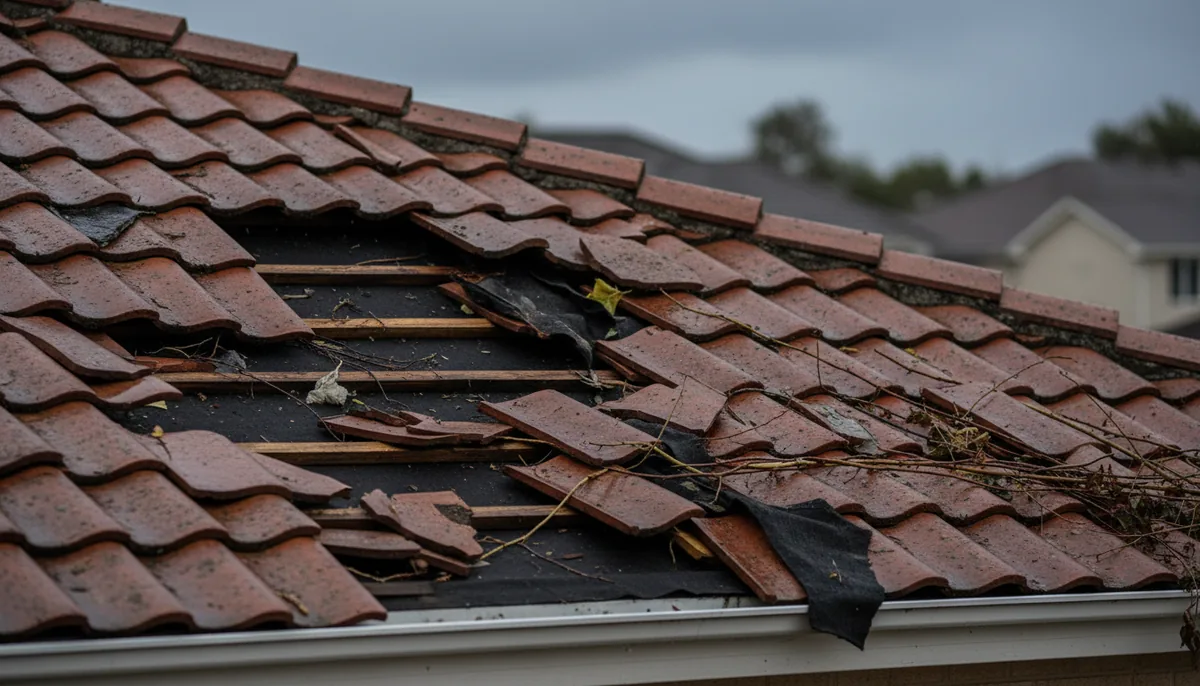
Storm damage roof restoration in central Florida — How Bad Is It, Really?
By Dale Prescott, Roofing contractor, Central Florida. Reviewed by Hal Winstead, Editor, licensed roofing contractor. If you've been up on a tile roof in DeLand in late September, you know what heat with a side of hurricane humidity feels like. I was on one about a year ago, a barrel tile job off of New Hampshire Avenue that looked worse from the street than it was—two broken hips and a ridge cap that had lifted like it was trying to leave. The homeowner, a retired nurse named Carol, was up the ladder behind me telling me her insurer said her policy was fine. She wasn't wrong about that. She was wrong about the clock. If you want to see who actually covers this work, storm damage roofing companies in Florida is where I would start.
She called me nine months after the storm. Nine months from the date of the loss. Under the old rules, she'd have had three years. Not anymore. We got the paperwork in, but it was a scramble. That one afternoon turned into my standard speech about storm damage roofing companies in Florida and the deadlines nobody reads until it's too late.
I'm Dale. I've run tile and shingle crews between Orlando and the coast for twenty-two years. I've torn off more storm-damaged roofs than I care to count, and I've watched the rules change under our feet. Ask me how bad the storm damage problem is in Central Florida. I'll tell you: it depends on what year the roof was built, who registered the claim, and what your policy's declarations page actually says. Let's get into it.
The 25% rule is gone, but only for some roofs
If you've heard "the 25% rule" and think it still applies to every roof in Florida, you're holding an old map. That rule came from the Florida Building Code: if you repaired more than a quarter of your roof in a year, you had to bring the whole thing up to current code. That triggered alot of full replacements that nobody really wanted.
Then SB 4-D (2022) changed the math. If your roof was built, repaired, or replaced under the 2007 Florida Building Code or any later edition, only the section you're working on has to meet current code. A full replacement isn't automatically forced. That 2007 edition took effect on 1 March 2009, so a roof finished before that date generally doesn't qualify. Call it a reward for having a newer roof, or just a recognition that a roof from 2010 isn't the same animal as one from 1985. I've been wrong about this before, but the rule is the rule.
I tell every homeowner this: the code change is not permission to skip the work. It's permission to skip the unnecessary work.
What storm damage roof restoration in central Florida actually looks like
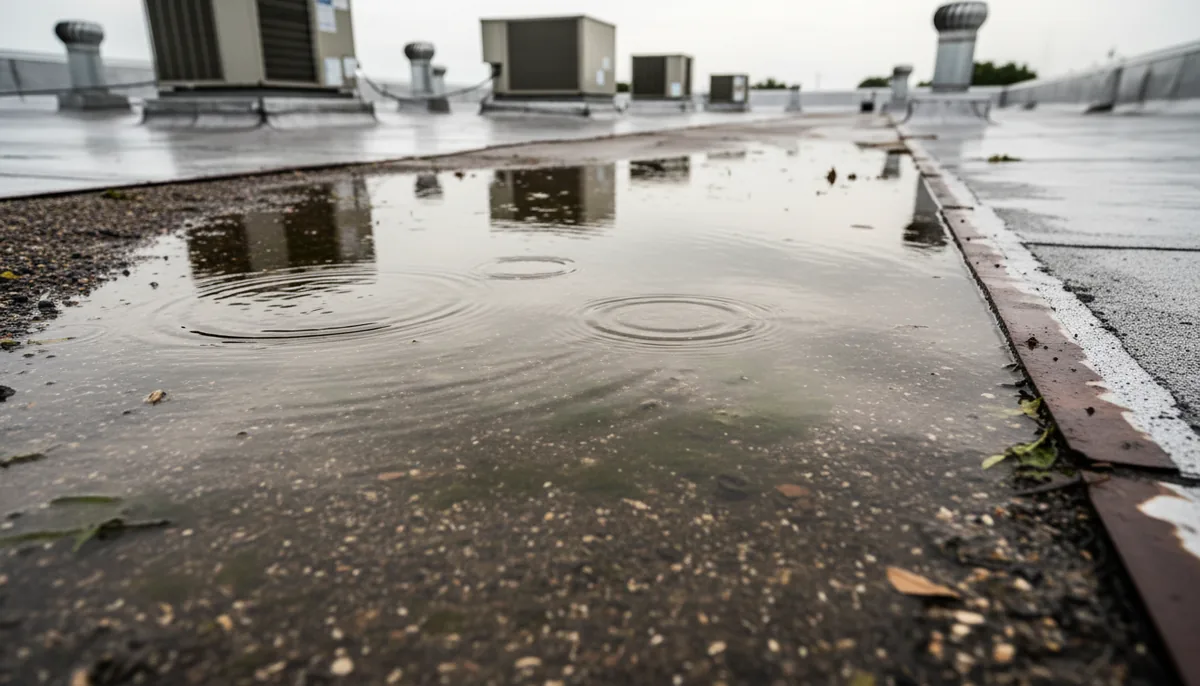
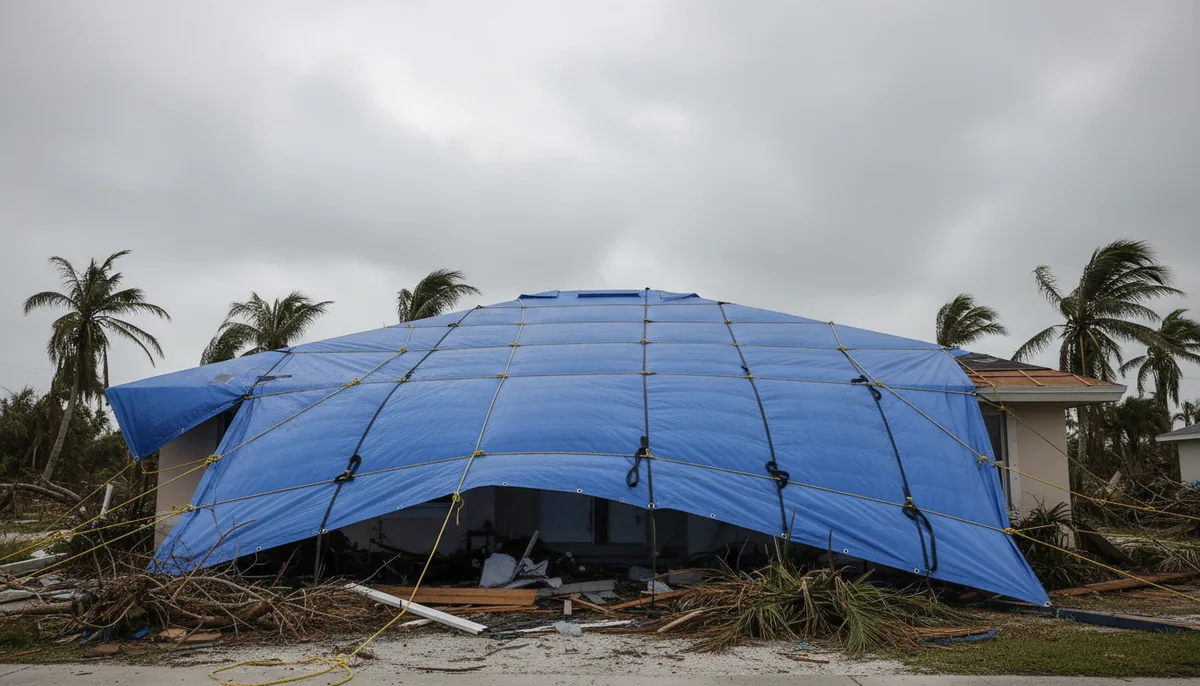
Storm damage roof restoration in central Florida isn't one thing. It's a hundred small decisions made on a hot deck with a hammer in your hand. A lightning strike on a flat commercial roof is a different problem than a palm frond punching a hole in a shingle roof. A tile roof might lose a dozen pieces, but the worst damage is often the underlayment, which you can't see until you lift the tile.
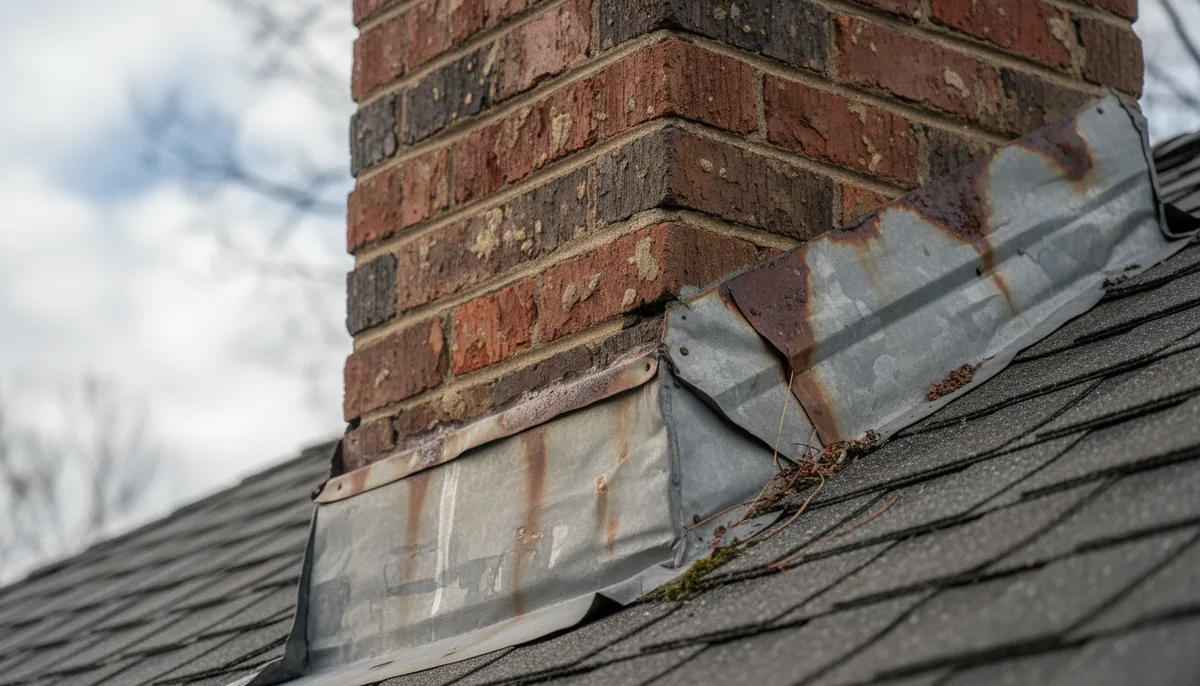
The restoration part means pulling the damaged sections, matching the existing material, and making sure the deck is dry and sound before anything new goes down. It means checking the flashing around the chimney, the pipe boots, the valley metal—the places where water laughs at a pretty new shingle. It means understanding that a roof is a system, not a surface.
Depends on what is under there, honestly. I've pulled off "minor" shingle damage and found rot that ran half the deck. I've also seen roofs that looked like a bomb hit them and the structure underneath was perfect. That's why I never trust a drone photo alone. I walk it.
Repair versus replace—who decides and what triggers it
Here's where it gets dicey. Your insurance policy pays for covered damage, but it doesn't decide what gets fixed versus what gets replaced. The adjuster does an estimate. Your roofer does an estimate. The two rarely match the first pass.
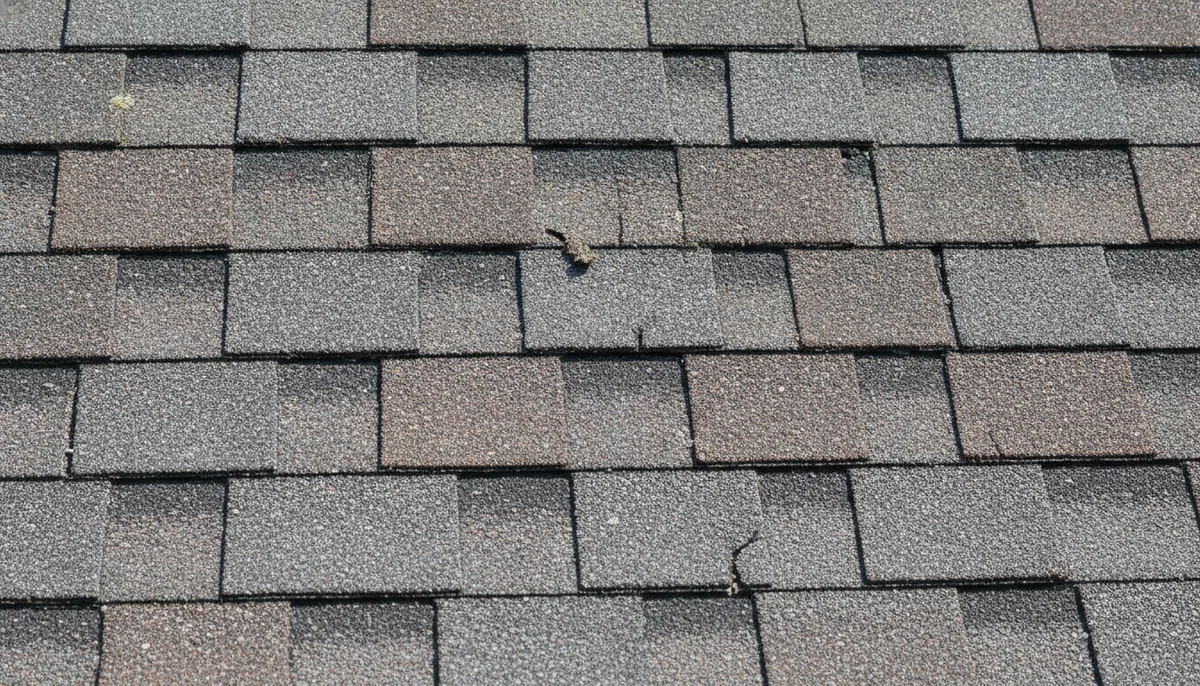
A repair is just a small square of work. A replacement means the whole roof. The trigger isn't just the visible damage—it's wether the roof can be made to perform again with a patch. If the tile is discontinued, or if the shingle is brittle and cracking as you handle it, you're looking at a bigger tear-off.
I can't tell you what your specific policy covers. I'm not a licensed adjuster, and coverage varies by policy. Read your declarations page. Confirm the limits. What I can tell you is that a good roofing contractor will show you the damage, explain the options, and let you make the call with your adjuster. Anyone who tells you that "we'll handle the insurance" before looking at your roof is selling you a headache.
Permits: nobody skips them twice
A roof replacement in Florida requires a permit pulled from the local building department, and an inspection. Not optional. Not "we'll do it quietly to save you the headache." If a contractor offers to skip the permit, walk away. I've seen an unpermitted roof turn into an insurance nightmare when a second storm hit, and I've seen it kill a home sale at the closing table. The buyer's inspector finds the work, the county has no record, and suddenly the whole roof is a liability.
The permit process exists because roofs fail and people fall. It protects the next owner, and honestly, it protects me. If I pull a permit, the inspector is double-checking my work. That's not an insult; that's a second set of eyes on a job that can kill someone if done wrong.
The license question: CCC versus RC, and why it matters
Florida roofing contractors are licensed by the Department of Business and Professional Regulation. You'll see two kinds. A CERTIFIED roofing contractor has a license begining with the prefix CCC and may work anywhere in the state. A REGISTERED roofing contractor has a license beginning with RC and may only work in the local jurisdiction that licensed them.
That's a big difference. A guy with an RC license from Volusia County can't legally pull a permit in Seminole County. It doesn't mean he's a bad roofer—it means his license doesn't follow him across county lines. Always verify the number is active before hiring. The DBPR has an online roll where you can look it up in two minutes. Do it. The directory I linked earlier verifies licenses against that same roll, so you can start there and then double-check the name yourself.
The insurance clock: one year, not three
Florida Statute 627.70132 is the one that trips people up. As amended in 2022, a homeowner must give their insurer notice of an initial or reopened property insurance claim within ONE YEAR of the date of loss. Notice of a supplemental claim—that's for the damage you find later—must be within 18 months of the date of loss. It used to be three years. It isn't anymore.
The clock runs from the date the damage happened, not from when you discovered it. That is the trap. A storm passes in June, you see a few loose shingles, you wait until November to call anyone, and your year is half gone. Miss the deadline, and the insurer has a complete defense, even on a covered loss. The damage can be real, the policy can be in force, and the check can still be zero.
I had a customer in Winter Park who found a leak in his living room eight months after the storm. The roofer found a gash in the deck. The damage was clearly from the original wind event. His carrier denied the claim because he didn't report it within the year. He argued he didn't know about it. The law didn't care. He was out of pocket for a new roof.
What I would actually do: The day after any storm, walk your property. Look at the ground for granules, broken tile, or shingle pieces. Take photos of the roof from all angles with your phone. Then call your insurer and file a notice of loss, even if you're not sure the damage is bad. You can always withdraw it. You can't get the time back.
Calling in for the estimate—what to expect
When you call me, the first thing I do isn't climb your roof. It's ask when the storm hit and when you filed your claim. That tells me how much time you have. Then I look at the paperwork, your policy if you have it handy, and the roof itself. I'll be up there for an hour, checking the deck from the attic if I can, looking for soft spots, and measuring the pitch and access.
A roof is priced per square, which is a 10-foot by 10-foot area. Tile is heavier and slower, shingle is faster. The pitch and access change the price because they change the risk and the time. Steep roofs require tie-offs and are harder to walk. A two-story house with a tile roof and a steep pitch costs more than a single-story with a low slope. That's not a mystery; that's physics.
I'll give you a written estimate, a timeframe, and a plain explanation of what I found. If I see something that needs a second opinion, I'll tell you to call an engineer. That's not a cop-out; it's the right move when there's any question about structure.
What I would actually do: Before signing anything, call your insurer and confirm the claim number. Ask the contractor if they have prior experiance with your type of roof and if they're familiar with the requirements of form OIR-B1-1802, which is the standard notice of loss form. If they look at you blank, that tells you something.
Weather aside: the last storm that came through
We had a cell come through last July that dropped hail the size of quarters in parts of Lake County. Hail on a tile roof is usually cosmetic, but on a shingle roof it can bruise the fiberglass mat. The homeowner doesn't see it. It only shows up months later when the shingles start to crack. That's the kind of thing that makes a supplemental claim, and that's exactly why the 18-month window for supplements exists. It also stings that my truck got dinged in the same hailstorm. Nobody covers a contractor's truck for hail. I'm still eating that one.
Questions I get asked
What if my roof was installed before 2009?
The 25% rule may still apply to you. A roof built before the 2007 Florida Building Code took effect (which was 1 March 2009) doesn't qualify for the SB 4-D change, so repairs to a larger portion could trigger a full replacement to current code. You need a contractor to look at the age and the permit history before you know.
Can I just pay my deductible and let the contractor deal with the insurer?
No. The insurer works with you, the policyholder, and any assignment of benefits can create a mess that hurts your credit and your claim. Get the contractor's estimate and your adjuster's estimate, and let the insurer pay you directly.
How long does a full roof replacement take?
A typical residential roof runs two to four days for a single-story home, depending on how much decking needs replacement and whether the dumpster fills up mid-job. It can take longer if we open up a section and discover rot we have to cut out and repair.
What's a supplemental claim, in plain words?
It's a second request for payment when you find damage after the initial claim was closed. Maybe the initial adjuster didn't see a leak, or the roofer found a second area that didn't look damaged until the first section was removed. You have 18 months from the date of loss to file it, not from the date of the first claim.
Does having a new roof lower my insurance bill?
My Safe Florida Home is a state program that offers grants for certain home improvements, but it's not guaranteed and it has funding limits. It might help with things like opening protection, not just roofs. Otherwise, a new roof can make you eligible for a discount, but your carrier sets that rate, so check with them.
What happens if I wait more than a year to call?
If you call your insurer after the one-year deadline for an initial claim, they can deny it outright under Florida Statute 627.70132. The claim can be perfectly valid and they'll still have a complete defense. The only reason to wait is if you really didn't know, and that's still not a legal excuse in most cases.
More from the site
- Emergency roof repairs in florida — How Bad Is It, Really?
- Florida emergency mobile home roof repairs — How Bad Is It, Really?
- Storm damage roof repairs in central florida — How Bad Is It, Really?
- Storm damage roof replacement florida — How Bad Is It, Really?
- Florida hail damage roof — How Bad Is It, Really?