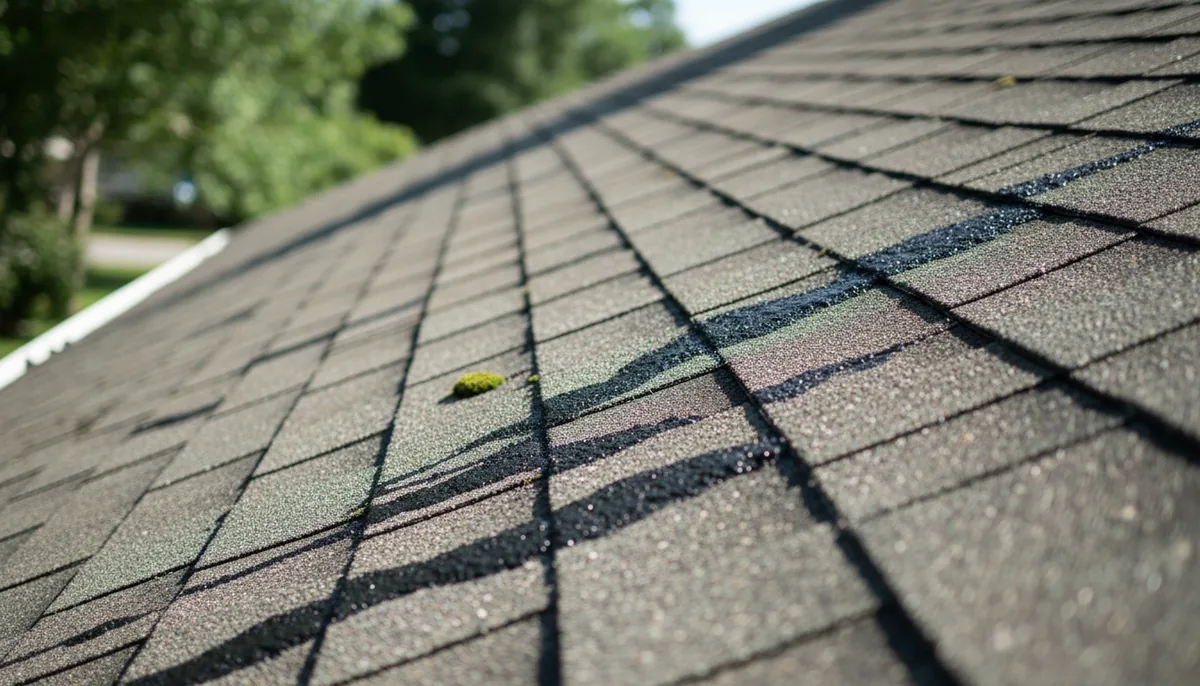
Tile roof maintenance in florida
By Bud Kettering, Roof consultant and inspector. Reviewed by Hal Winstead, Editor, licensed roofing contractor.
One February afternoon in Cape Coral, I shut off my headlamp and ran a moisture meter across the underside of a tile roof that looked close to perfect from the curb. The sheathing near the plumbing vent read wet and soft, and a trail of rusted nails ran down the slope like breadcrumbs. The tile was fine. The roof was not. That is the real tile roof maintainance in Florida: seeing through the pretty part. If you already have a problem, start with a directory of tile roofing companies in Florida, but understand the system before you hire someone.
No leak had shown on the ceiling inside. The owners called me because a neighbor’s ridge cap had flown off in a thunderstorm, and they wanted to know if their own caps were tight. Smart people. A tile roof does not fail all at once. It fails at one ridge, one pipe boot, one cracked barrel. By the time that failure reaches a ceiling, the wood underneath has often been wet for years. That’s why I inspect roofs for buyers, sellers, and insurers. That’s why I spend so many hours in Florida attics with a torch and a meter.
Tile roof maintenance in Florida isn’t about making tile pretty
Most of what gets sold as tile roof maintenance is cosmetic. Pressure washing. Sealing. Painting the barrel tiles. In my trade, actual maintenance means the roof still sheds water when the sky opens. Everything else is decoration, and some of it is outright trouble.
And don’t get me started on the homeowner who pressure-washed his own tile roof and called me an hour after the first rain because the ceiling was dripping. The water went straight in around every flashing. He didn’t want to hear that.
A barrel tile roof in Florida has two layers, give or take. The outer tile handles sun and most of the rain. Beneath it, an underlayment of felt or synthetic backs it up. Wind-driven rain can push water up into the tile overlaps. That is a fact of life here. If the underlayment is sound, no leak. If the underlayment is shot, you own a very attractive cap over a bad roof. I can’t see that from the street. I can see it from the attic.
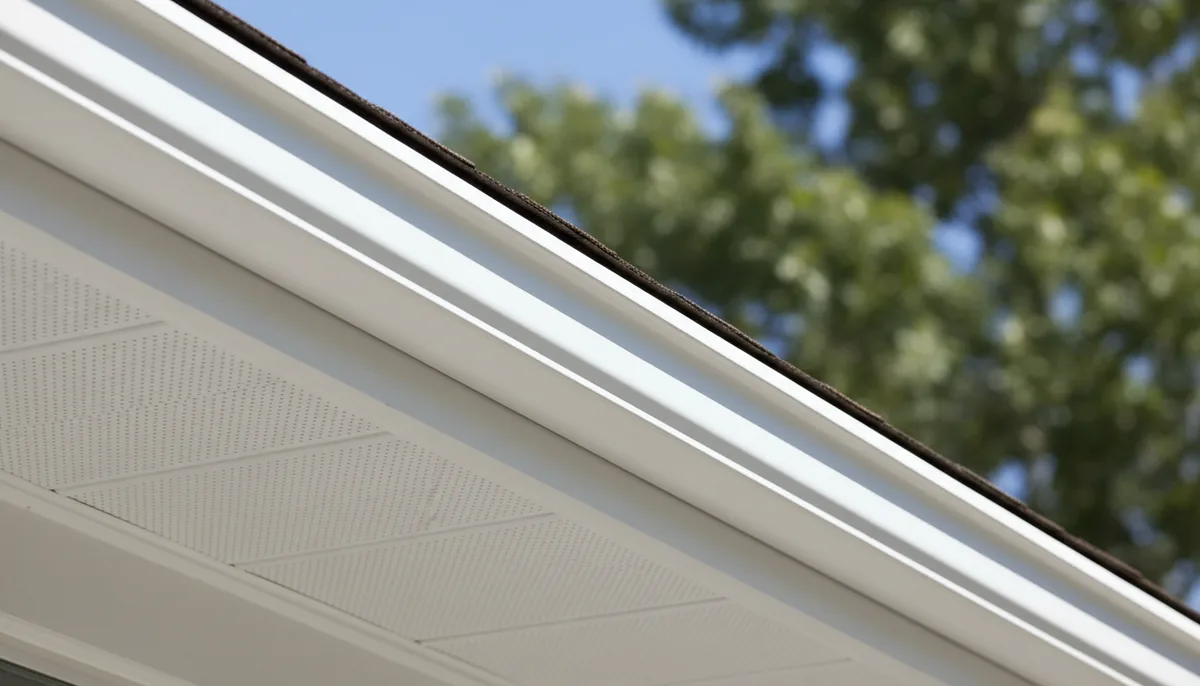
What I look for in the attic first
Most roofers start on the roof. I start in the attic. You don’t need a license to go into your own attic, but you need to know what you’re looking at. Dark streaks across the underside of the deck. Rust at fastener heads. A soft spot near a valley. Water staining that follows a rafter like a road map. Daylight around a plumbing vent. Daylight never lies.
A moisture meter helps, but it isn’t magic. I compare one part of the deck with another. If it reads high near a flashing and low everywhere else, I mark the spot with chalk and re-check after a hard storm. Sometimes the leak only appears when wind comes from a certain direction. I of been wrong before about wether a stain was old. That’s why I come back.
What I would actually do: I’d rather catch one wet spot in March than re-sheathe a whole roof plane in October. Mark any stain, take a photo, and re-check after a hard rain. If it grows, call a licensed roofer before it becomes a bigger job.
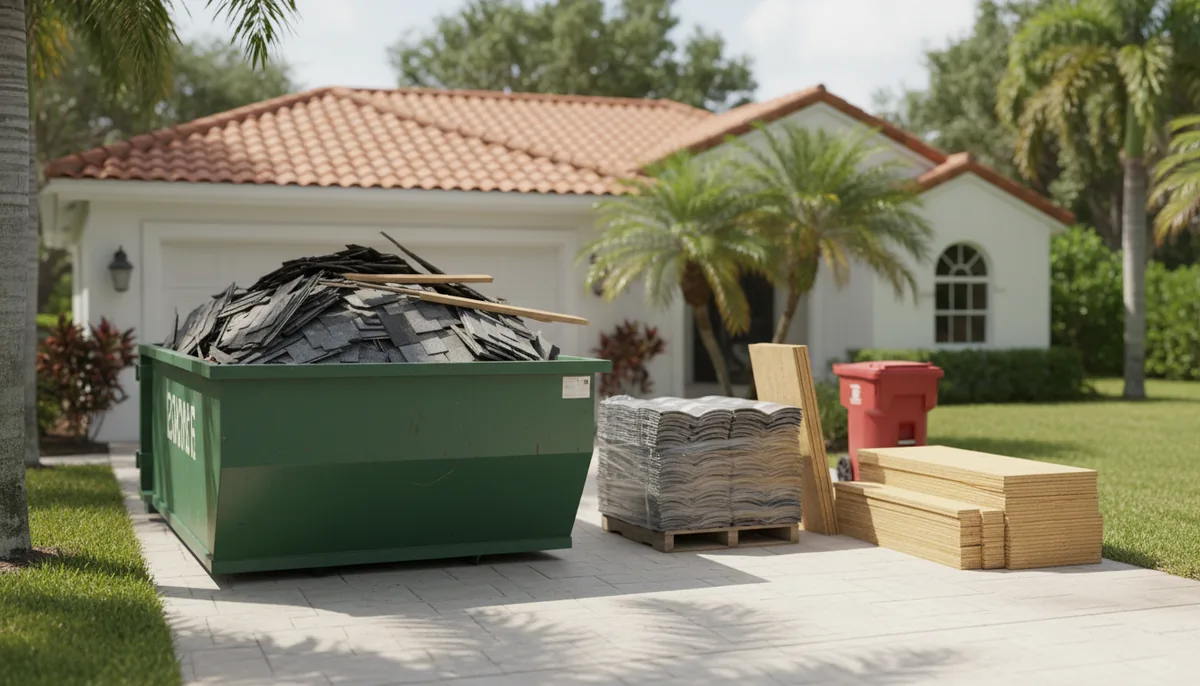
Underlayment is the real roof under the tile
Tile manufacturers can argue forever about whether clay or concrete lasts fifty years. I don’t argue. What actualy keeps water off your dining room ceiling is the layer under the tile. The tile is armor. It is not the raincoat.
That creates a strange maintenance problem. The visible roof can look perfect while the underlayment is crumbling at the hips, valleys, and around every pipe boot. Older tile roofs in Florida often have an original felt underlayment that is doing it's job only by luck. Once the underlayment degrades, water that sneaks past a cracked tile or loose ridge cap goes straight to the wood.
Whether you replace just the underlayment or the whole roof system depends on what is under there and whether the deck is still sound. In some cases, a contractor can lift tiles, strip the old felt, lay new synthetic underlayment, and reset the tile. That is real maintenance. It’s not cheap, and it is not glamorous.

Cracked tile, loose ridge caps, and mortar patches
Not every cracked tile is an emergency. A hairline crack on a flat section of roof with good underlayment beneath it can wait. But a cracked tile at a ridge, hip, or around a vent is an opening. Wind-driven rain will find it.
The loose ridge cap is the single most common tile problem I find in Florida. On older roofs, ridge caps are bedded in mortar. The mortar expands and contracts in the heat, and after years it loses its grip. Water slips in behind it and runs down the slope under the tile. The fix is not a tube of caulk. Caulking a cracked mortar joint hides the crack for a month, traps moisture, and makes the next roofer’s job worse. The cap should come off, the old mortar should be cleaned away, the underlayment underneath should be patched, and the cap should be rebedded.
What I would actually do: If water is getting past a ridge cap, I’d pull the cap, inspect the underlayment under the mortar, patch or replace it, and set the tile back in a fresh mortar bed. Fix the source, not the stain.

Licensed roofers, permits, and someone who skips both
Before any contractor touches your tile roof, check their license. The state license roll uses DBPR licence prefixes CCC and RC. A CCC-certified roofing contractor can work anywhere in Florida. An RC-registered roofing contractor can only work in the jurisdiction that licensed them. Verify the number is active before you sign anything. An active license is not a guarantee of good work, but it is the difference between a real contractor and someone borrowing a ladder.
Also know this: a roof replacement in Florida requires a permit pulled from the local building department, and it must be inspected. If a contractor offers to skip the permit, walk away. I don’t care how clean their truck is. An unpermitted roof can complicate an insurance claim and come back on you when you sell the house. You aren’t hiring someone to stack tile. You’re hiring someone who can pass a building inspection.
Wind mitigation inspections belong in the maintenance mix
Insurance is part of roof maintenance in Florida, whether people like it or not. A wind mitigation inspection documents the roof covering, roof deck attachment, roof-to-wall connection, roof geometry, secondary water resistance, and opening protection. That documentation goes on form OIR-B1-1802. Florida insurers must offer premium discounts for qualifying features, so this is not a gimmick.
I have seen that inspection cost far less than the annual discount it can earn. But I can’t promise what your policy will do, and the discount depends on your insurer and the features you actually have. Read your declarations page. Ask your agent. Coverage varies. I’m a roof inspector, not an adjuster, and anyone who tells you exactly what your policy will do without reading it is guessing.
Questions I get asked
One cracked tile probably isn’t an emergency, right?
Right, unless the underlayment below it is gone. A hairline crack over sound underlayment can wait. A broken tile at the ridge or around a pipe boot cannot. If you have spare tiles, swap the cracked ones before a named storm.
Can I walk on my tile roof to clean gutters?
Not unless you know exactly where the tile is strongest. Florida tile roofs don’t have a uniform walking surface. Step on the wrong spot and you’ll crack a tile and maybe slide. I use roof ladders and crawl boards when I’m on tile. Anyone you hire should do the same.
Should I seal my tile roof to make it last?
Probably not. Sealing can trap moisture and hide the small cracks where water is already getting in. Some tile manufacturers sell sealers for their specific product, so read the spec before doing anything. Most of the time, the money is better spent on ridge caps and flashing.
Does a full tile roof replacement require a permit in Florida?
Yes. A full replacement needs a permit from the local building department and a final inspection. If a contractor tells you it can be done without one, say no. There is no honest reason to skip that step.
How does a wind mitigation inspection help me?
It documents the features Florida insurers use to calculate discounts, and the standard form is OIR-B1-1802. If your roof qualifies, your insurer has to offer certain premium discounts. I can’t tell you your exact rate, because that depends on your policy and insurer.
How often should I have someone look at the roof?
At least once a year, and after any severe storm. Regular maintenance should be boring. If you wait for the ceiling stain, you’re not maintaining anything. You’re just documenting a problem.