
What maintenance does a Florida roof need
By Bud Kettering, Roof consultant and inspector. Reviewed by Hal Winstead, Editor, licensed roofing contractor. I was up in a hot attic off Pine Island Road in Fort Myers last June, and I found a leak that wasn't a leak. The homeowner swore the ceiling stain appeared after a storm. What I found was a dryer vent that had come loose and was pumping humid air straight into the rafter bay for eight months. It wasn't the roof's fault. The roof was fine. The maintenance failure was a twenty-dollar piece of foil tape and a missing screw.
I get paid to crawl around places like that, usually with a flashlight in my mouth and a moisture meter in my hand. I inspect roofs for buyers, sellers, and insurers, which means I see alot of neglected roofs that could have been saved with a little routine work. If you are a homeowner in this state, you do not need a new roof every decade. You need a few specific things done on a schedule, and you need to know what to leave alone. Start your search by checking the roofing companies in Florida directory, but first, let’s talk about what actually keeps a roof alive down here.
The Florida sun is brutal. It cooks shingles and it cooks the air in your attic until it feels like a pizza oven. But the sun is predictable. The real enemies are water, wind, and the little things you ignore until they become big, expensive things.
First, get the water off the roof
Gutters and downspouts are the most boring part of a roof system, and the most neglected. I cannot tell you how many "mystery leaks" I have found that were just water backing up behind a clogged gutter and running under the shingle edge. In Florida, we get rain that comes down in sheets. If your gutter is full of oak leaves and moss, the water has nowhere to go but sideways.
You do not need to clean gutters every month. A few times a year is fine, and after any big storm. Look for downspouts that dump water right next to the foundation. Fix that. Water pooling at the base will eventually find it's way up and under the decking. Call it a slow death.

Trim the branches before they trim your roof
I have inspected roofs where a palm frond has worn a hole clean through the shingles. It looks like someone took a belt sander to the asphalt. Palm fronds are heavy and they act like saw blades when the wind gets them moving. Oak branches are worse because they hang over the house and drop leaves all year round.
Keep branches cut back a few feet from the roofline. This is not about aesthetics. It is about stopping physical abrasion and keeping the leaf litter down. If a branch is touching the shingles, you are already losing granules.
What I would actually do: Grab a pair of loppers and a ladder, or pay a tree guy, but do not let any vegetation rest against the shingles or the fascia. And never use a pressure washer on asphalt shingles. You will blast the granules off and void the warranty faster than any hurricane will.
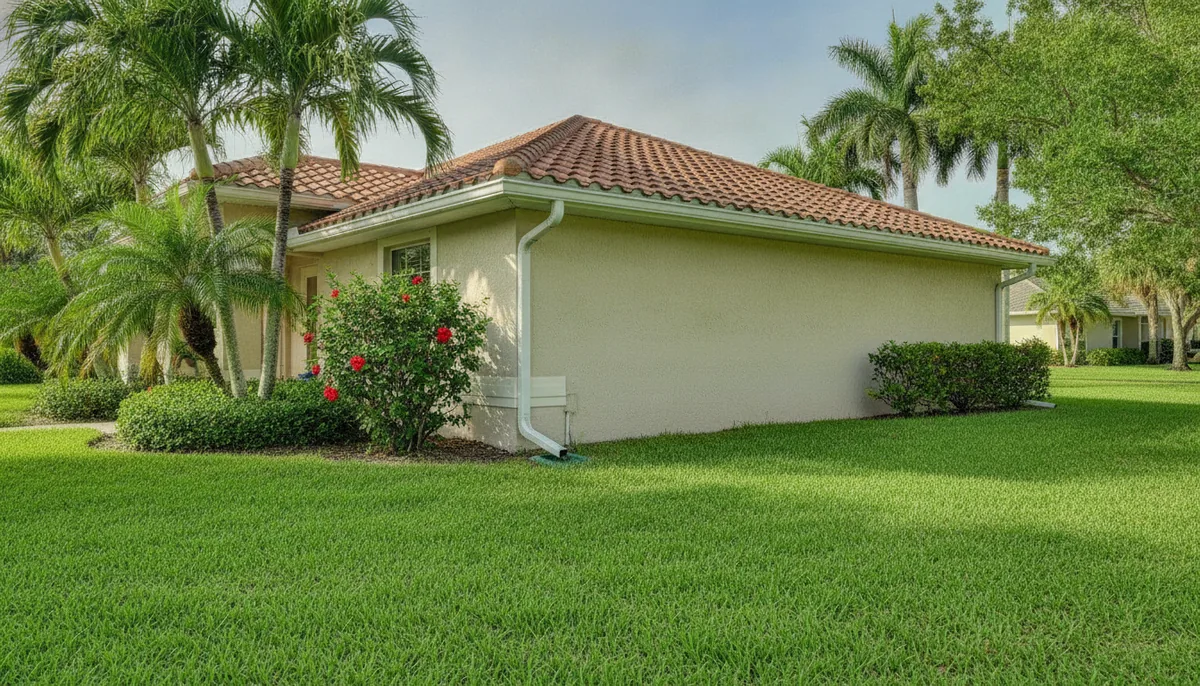
Check the flashing and the penetrations
Flashing is the metal that keeps water out where the roof meets a wall or a chimney or a vent pipe. This is where most roof leaks start, not in the open field of shingles. The sun heats the metal, the metal expands, and the sealant around those pipes cracks. Rain gets in, runs down the pipe, and stains your ceiling a foot away from where you expect it.
Get up on a ladder a couple of times a year and look at the pipe boots. That is the rubber collar around your plumbing vents. If it is cracked or brittle, that is a five-minute fix with a new boot. The shingles around it just lift up. Do not nail them down. You slide the new boot under the shingle above it and nail it at the top.
Also, look at the flashing at the base of your chimney if you have one. And the front edge of the roof where it meets the fascia board. That little metal drip edge is what keeps the wood from rotting out from under the shingles.
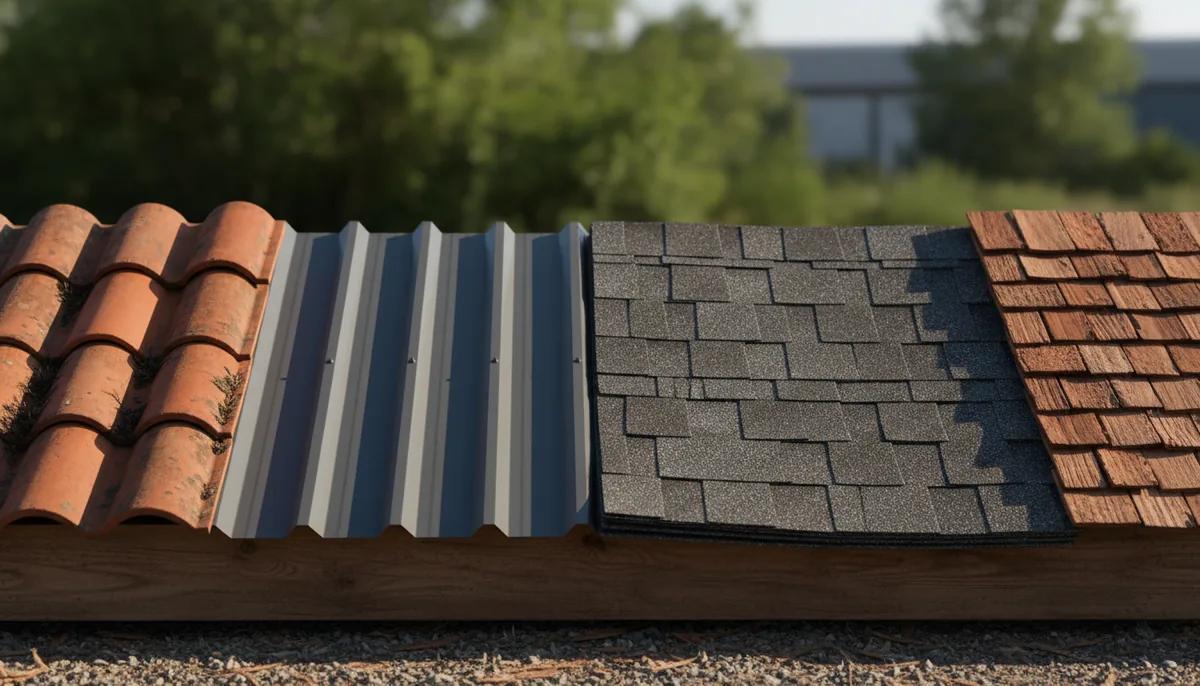
The attic is your roof's basement
You have to go up there. I know it is hot and nasty. I do it for a living, and half the time I am crawling over blown insulation that itches through my coveralls. But your attic tells you everything.
Look for daylight. If you can see light coming through the roof sheathing, you have a hole. Look for black streaks on the wood. That is old water staining. Look for the insulation that looks matted down or discolored. That means it got wet at some point. Look for mold, which usually means a ventilation problem, not just a leak.
Check your ventilation while you are up there. The ridge vent at the top and the soffit vents at the bottom need to be clear. If your soffit vents are painted shut or covered with insulation, you are baking your shingles from underneath. A hot roof deck makes shingles age twice as fast. That is a fact I have seen confirmed on a hundred roofs, not in a lab.
The rubber roof and the tile roof are not off the hook
If you have a flat roof, or a low-slope roof, you probably have a membrane made of rubber or modified bitumen. These roofs do not need much, but they need two things: the seams checked and the perimeter flashing checked. The seams are glued or heat-welded. If a seam is lifting, water will find it. The ponding water issue is also huge. If water sits on a flat roof for more than 48 hours, you are asking for trouble. You need to fix the low spots.
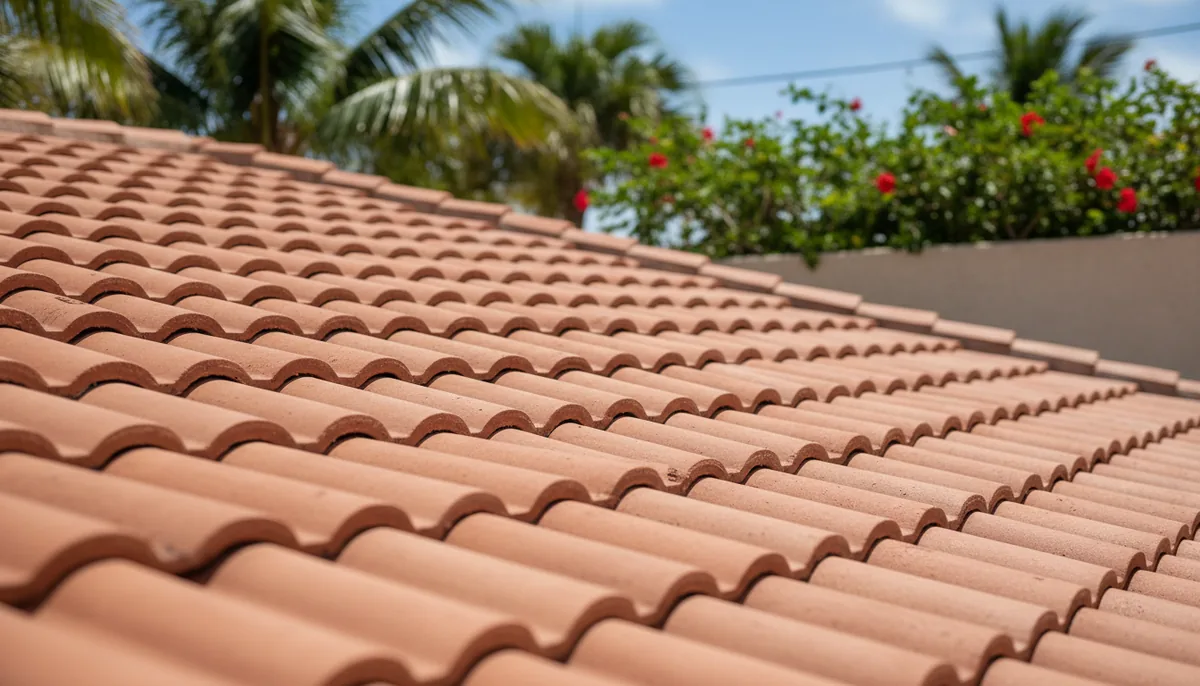
Tile roofs are a different animal. Clay and concrete tile are heavy and durable, but they hide problems. The tile is just the armor. The waterproofing is the underlayment below it. If a tile is cracked or slipped, you need to fix it quickly because it exposes the underlayment to direct sun and rain. I have seen roofs where the tile looks perfect from the street and the underlayment underneath is shot.
What I would actually do: If you have tile, buy a box of spare tiles and keep them on your property. Tile color gets discontinued. A $3 tile becomes a $300 nightmare when you can't match it.
Inspect, don't just clean
You can clean your roof and trim your trees until you are blue in the face, but you are not an expert. A profesional inspection once a year is the cheapest insurance you can buy. I know I'm biased, but a good inspector with a moisture meter can find a leak before it rots your decking.
An inspector should check the roof covering, the flashings, the gutters, the attic, and the ventilation. They should also check for the little things that are easy to miss. Wind uplift damage, for instance, looks like a few granules in the gutter or a slightly lifted shingle corner. It does not look like a disaster. But once wind gets under a shingle, it peels it back. Over time, the whole side of the roof can go.
When you hire a roofer, verify their license. Florida roofing contractors are licensed by the Department of Business and Professional Regulation (DBPR). A certified roofing contractor holds a license begining with CCC and can work anywhere in the state. A registered roofing contractor holds a license beginning with RC and can only work in the local jurisdiction that licensed them. Always verify the number is active before you hire anyone. Do not take their word for it. Go to the DBPR website and look it up.
When you replace it, do it right the first time
A roof replacement in Florida requires a permit pulled from the local building department and an inspection. A contractor who offers to skip the permit is a contractor to walk away from. I cannot say that strongly enough. An unpermitted roof can complicate an insurance claim and it will absolutely come up when you sell the house. The buyer's inspector will find it, and the buyer will either walk away or demand a price reduction.
The permit is your proof that the roof was installed to code. It is also your protection if the contractor does a bad job. The building department is your backstop. This is worth repeating: do not let anyone talk you out of pulling a permit. I have been wrong about things before, but not about this.
Insurance rules changed, and you need to know
Folks, the rules changed after the last few hurricane seasons. The legislature passed a law, SB 4-D (2022), that changed how roof claims are handled. And there's another rule, Florida Statute 627.70132, that can limit what your insurance company pays for a roof based on its age. If your roof is over 10 years old, you might have to eat a big chunk of the replacement cost yourself. That is why maintenance matters so much. A well-maintained older roof is less likely to be a total loss, and a wind mitigation inspection can actually save you money on premiums, sometimes enough to pay for a new roof over time.
A wind mitigation inspection documents the roof covering, the roof deck attachment, the roof-to-wall connection, the roof geometry, the secondary water resistance, and the opening protection. Florida insurers must offer premium discounts for qualifying features. The standard form is OIR-B1-1802. The inspection typically costs far less than the annual discount it can open up. I tell every homeowner to get one. It is a no-brainer if you have a newer roof with hurricane straps and impact-rated windows.
It is also not a state program, so don't get it confused with a claim. It is an inspection. The inspector measures your roof and your house and fills out a form. You send the form to your insurance company. They apply the discount. If you have an older roof, you might not get much of a discount, but you will find out what you have.
Citizens Property Insurance Corporation, the state's insurer of last resort, has its own rules and inspections, and a wind mitigation report can sometimes help you get coverage elsewhere. My Safe Florida Home program is another avenue for grants to harden your home, but the funding comes and goes. If you can get a grant, take it. Free money is free money.
I don't want to get too deep into the weeds on insurance. The biggest mistake I see is people confusing a regular home inspection with a wind mitigation inspection. They are not the same. And I don't want to give the impression that a wind mitigation inspection is a repair. It is a report card. It tells you what you have and what you might qualify for.
The stain on the ridge is not always a leak
Sometimes a black streak on the roof is just algae. In Florida, it is usually a type of blue-green algae called gloeocapsa magma. It feeds on the limestone filler in asphalt shingles. It does not leak, but it looks terrible. A lot of companies will pressure wash it off. Do not let them us a pressure washer on your shingles.
There are chemical treatments that kill the algae. Some roofers will install zinc or copper strips near the ridge to prevent it. That actually works. The rain washes a tiny bit of metal down the roof and kills the algae. It is a cheap fix and it does not damage the shingles. As for cleanning the roof yourself, I would use a simple mix of bleach and water, sprayed gently from the ground, not a pressure washer.
One last gripe
I once had a customer who was furious that his roof leaked. He had "just had it replaced" two years prior. I went up there and found the new shingles nailed too high, so the tops of the shingles below were exposed. It is a rookie mistake, and it voided the shingle warranty. He didn't want to hear that his "reputable" contractor did it wrong. He wanted to blame the hurricane. The hurricane was innocent. The contractor was a hack. Don't be that guy. Check the work.
Questions I get asked
How often should I have my roof professionally inspected?
Once a year is enough for most homes, and after any tropical storm or hurricane that hits your area. The cost is usually small compared to the cost of repairing water damage. A yearly check catches flashing issues and loose shingles before they become leaks.
Can I do the maintenance myself or do I need a pro?
You can do the basics yourself if you are comfortable on a ladder: cleaning gutters, trimming branches, and looking at pipe boots. Anything that requires walking on the roof or pulling back shingles should be done by a pro. Falling off a roof is permanent. So is the damage you can cause by walking on old shingles the wrong way.
Does a new roof have a warranty that covers maintenance?
Shingle warranties cover the material against defects, but they do not cover damage from lack of maintenance or poor installation. Most warrantors require the roof to be installed by a certified contractor and they will deny claims if the roof was not maintained. Keep your receipts for any work you do.
Will my insurance company pay for a whole new roof if I have a leak?
Coverage varies by policy. That is the only honest answer. You need to read your declarations page and your policy document to see what is covered and what your deductible is. I'm not a lawyer or a licensed adjuster, so I won't guess what your specific policy says. I will say that, as of 2024, if your roof is older than 25 years, many insurers will not cover the full replacement cost. They will only pay the actual cash value, which factors in depreciation.
Is a wind mitigation inspection worth the money?
Yes, in almost every case. It costs a couple hundred dollars, and if it finds features your insurer doesn't know about, the annual discount can be more than the inspection cost in the first year or two. It is a good deal if you have a newer roof with proper deck attachment. It is a worse deal if you have an old roof with no upgrades, but it will still tell you what you need to do to save money eventually.