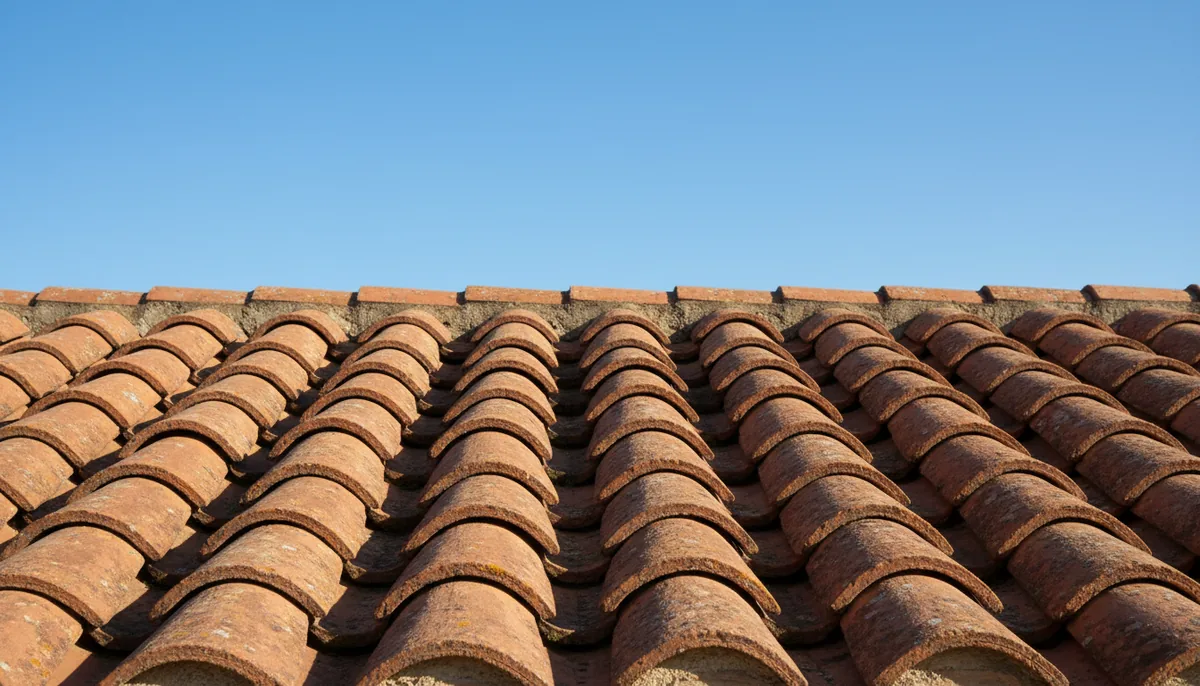
Commercial roofing south florida: The Florida Guide
By Dale Prescott, Roofing contractor, Central Florida. Reviewed by Hal Winstead, Editor, licensed roofing contractor.
The last big commercial flat roof I tore off in Boca Raton almost killed me—not the heat, but the surprise. We had the permit, the lift, and the dumpster, and we stripped the first layer of modified bitumen expecting the old tar-and-gravel deck underneath. Instead, we found three generations of roof piled up like geological strata, plus a layer of wet particle board somebody had just tarped over and called it done. That afternoon cost me a week and taught me a lesson I already knew: in Florida, the roof you can't see is the one that bites. If you're shopping for commercial roofing companies in Florida, that's the world you're walking into. You can compare commercial roofing companies in Florida before you call anyone.
Nobody calls me for a roof that's working fine. They call me when the ceiling stain spreads, or the insurance adjuster uses words like "excluded," or the property manager gets three bids and trusts the cheapest one. I've run tile and shingle crews between Orlando and the coast for twenty-two years, and I've pulled enough storm-torn metal off warehouses to know that commercial roofing south Florida is a different animal than the residential work. The principles are the same—keep water out, keep it attached—but the stakes are bigger, the decks are flatter, and the owners are usually not the ones living under the leak.
Let me give you the practical version of what I wish every building owner knew before they called.
South Florida is not Central Florida
I work out of Central Florida, but I've driven plenty of jobs down to the coast and further south. The sun is meaner down there. The salt air never quits. And when a hurricane comes ashore, the commercial roofs in South Florida get the first full swing of it. A flat commercial roof in Broward or Dade doesn't get to hide behind a hip end the way a residential tile roof does. It takes the wind head-on. That means the details matter more—the flapping at the edge, the adhesion of the membrane, the fastening of the deck. I have been wrong about this before, but I'd rather over-specify a roof south of Lake Okeechobee than under-specify one up here. The sun and the salt do the testing, not me.
The first thing I check is not the roof
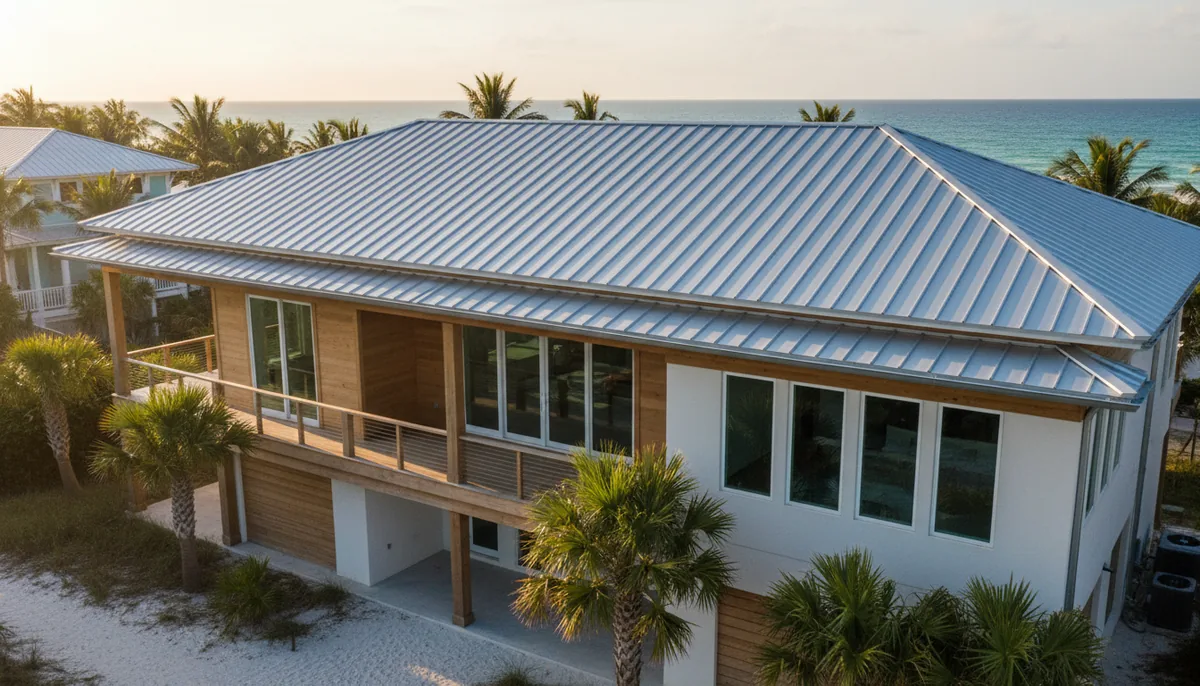
It's the licence. Florida roofing contractors answer to the Department of Business and Professional Regulation, the DBPR. A certified contractor holds a licence that begins with CCC and can work anywhere in the state. A registered contractor holds one that begins with RC and is supposed to stay in the local jurisdiction that licensed them. That difference matters more than the word "insured" on a business card. Before I ever set a ladder against a building, I verify the number is active on the DBPR roll. You should of too. It takes one minute and it can save you from hiring a guy who is, legally speaking, a handsome stranger with a truck.
A commercial roof is a serious piece of machinery. It has to be. We can't afford to trust charm.
The permit is not a suggestion
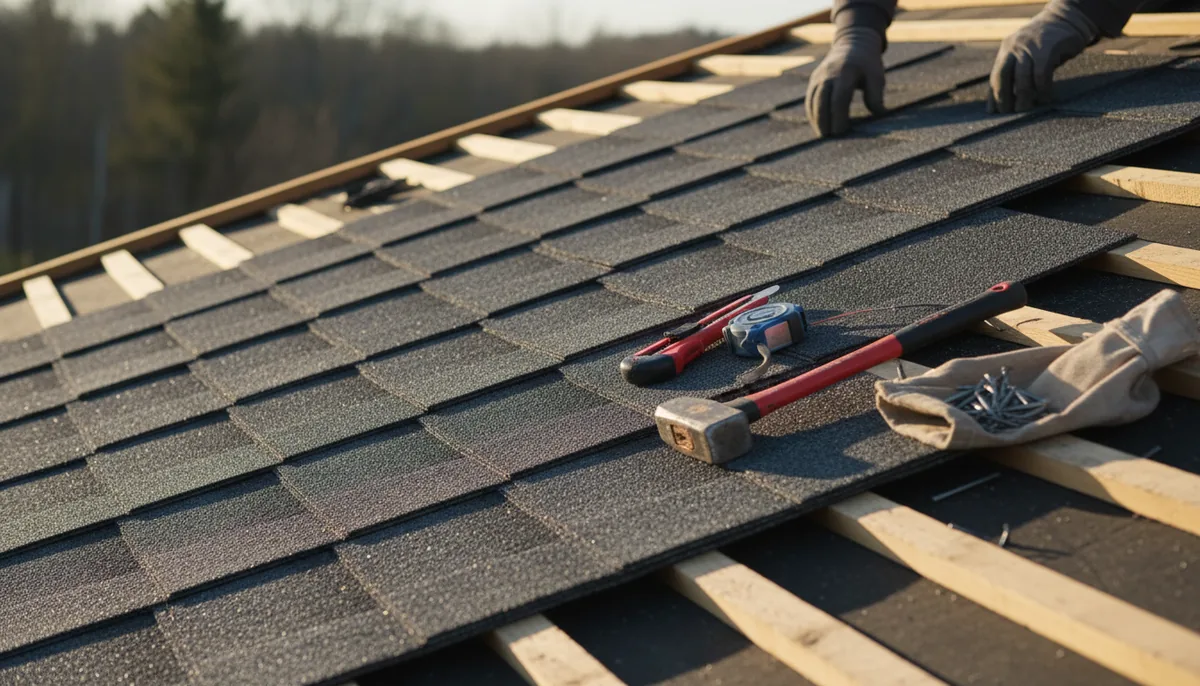
Here is the part where I sound like a nag, and I don't care. A roof replacement in Florida requires a permit from your local building department, and it requires an inspection. Full stop. If a contractor offers to skip the permit to save you time or money, that is a contractor to walk away from. I have seen what an unpermitted roof does to people. It complicates an insurance claim exactly when you need it most, and it can turn a future sale into a mess of sleepless nights. The paper is not bureaucracy. The paper is your proof that the roof was done to a standard someone else verified.
What I would actually do: Call the local building department myself before signing anything and ask what the permit proccess looks like for a commercial re-roof. If a contractor balks at that, I'd thank him for his time and call the next name on the directory list. There is no good excuse for skipping it.
The "25% rule" got walked back, and you should know it
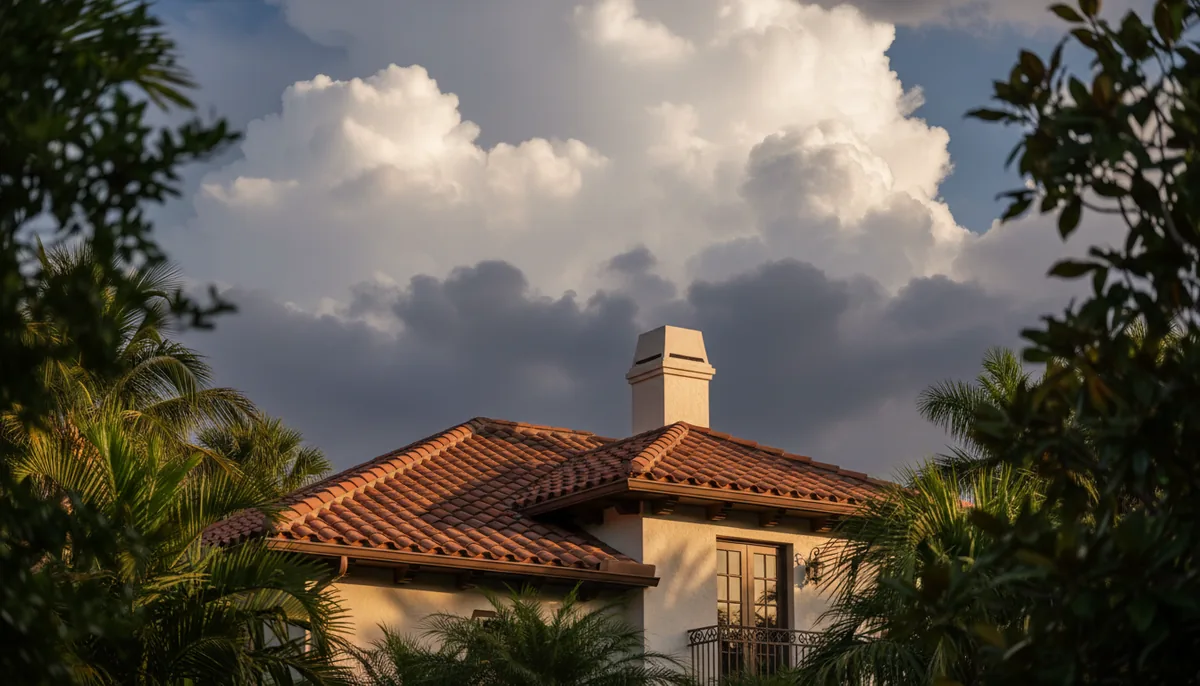
For a long time, Florida roofing had a rule of thumb floating around that a roof had to be fully replaced if more than a quarter of it was being repaired. That came from a section of the Florida Building Code, and for years it was the law: repair more than 25% of the roof in a twelve-month period, and you had to bring the whole thing up to current code. It made sense as a way to stop people from patching over a dead roof, but it was a blunt instrument.
Then SB 4-D (2022) changed the game. If your roof was built, repaired, or replaced under the 2007 Florida Building Code or any later edition, then the work you're doing now only has to meet current code on the portion you're touching. The full-roof trigger is gone for those newer roofs. But here's the catch: the 2007 code took effect in March of 2009. So if your commercial roof predates that, the old rule can still reach out and grab you. There is no one-size-fits-all answer. It depends on what is under there, what year it went down, and how the local building official reads the current law.
What I would actually do: If a contractor tells me the whole roof has to be replaced because I have a leak in one corner, I'd ask for the code citation and then call the building department myself. Sometimes it's true. Sometimes it's a sales pitch. The seconds you spend checking can save you thousands.
Cheap metal, glue, and a prayer
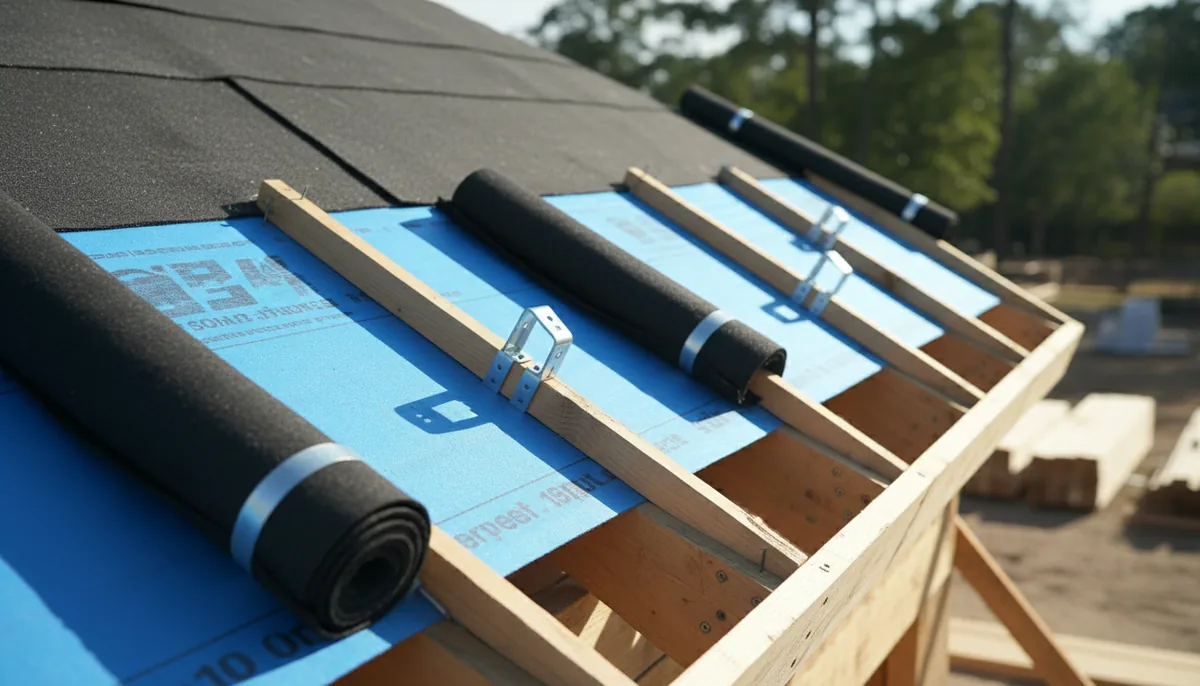
The biggest mistake I see on commercial roofs is not the big stuff. It's the little stuff—the fasteners that are too short, the laps that were not cleaned before the adhesive went down, the flashing detail at the parapet that was done at four in the afternoon on a Friday. A standing seam metal roof is only as good as it's clips. A TPO membrane is only as good as the seam weld. And none of it matters if the deck underneath isn't sound. I've seen roofs fail because somebody glued new membrane to rotten wood and called it a day. I've seen them fail because the property owner bought the cheap material and hired the cheapest labor to install it.
Florida wheather will find every weak spot. It's not a matter of if. It's a matter of when.
Wind mitigation: the inspection that pays for itself
This is the quietest good deal in Florida roofing, and most commercial owners never use it. A wind mitigation inspection documents the stuff that keeps your roof on during a storm: the roof covering, the deck attachment, the roof-to-wall connections, the geometry, the secondary water barrier, and the opening protection. The official form is OIR-B1-1802. Florida law requires insurers to offer premium discounts for qualifying features, and that inspection typically costs far less than the annual discount it can open up. I cannot tell you exactly what your policy will do—coverage varies by policy, and you need to read your own declarations page—but I can tell you that a few hundred bucks on an inspection has saved building owners I know thousands over the life of a policy.
What I would actually do: Before I signed a commercial roofing contract, I'd ask the roofer if they can do a wind mitigation inspection as part of the scope, or find an inspector who can. Then I'd send that form to my insurance agent and ask, in writing, what discount it qualifies for. If they say no, I'd ask why.
Questions I get asked
Can you just patch that leak?
Maybe. But a leak on a flat commercial roof is rarely where the water shows up inside. The water travels. It runs along the deck until it finds a low spot or a seam. I've chased leaks that were twenty feet from the actual breach. A patch can buy you time, but if the membrane is at the end of its life, you're just paying for the privilege of doing it again.
How do I know if my roof needs replacing or just repair?
If you know the year the roof was installed and you have a visual inspection from someone who actually walked it, you're already ahead of most owners. The calculation is simple in theory. If the roof is within a few years of its expected life and it's failing in more than one spot, replacement is usually the better math. If it has one isolated problem and the rest is sound, repair can work. The only way to know is to get someone on the roof, not just staring at the ceiling stain.
What's the worst time of year for a commercial roof replacement in Florida?
Hurricane season. June through November. Not because we can't work, but because the supply chain gets skittish and the weather forecast is a coin flip. A replacement that needs a week of clear weather can stretch into three weeks when a tropical wave sits in the Atlantic. I'd rather do it in the spring or late fall if the roof can hold on.
Do I need to be on site while the work is happening?
No, but you need someone you trust who is. The foreman's job is to run the crew. Your job is not to hover. But a quick visit to see the progress and ask questions—that keeps everyone honest. Contractors do better work when they know the owner is paying attention.
Should I hire a certified or registered contractor for my commercial building?
If the building is anywhere other than the exact jurisdiction where a registered contractor is licensed, you need a certified contractor with a CCC licence. A registered contractor working outside their local area is operating outside their licence. Check the number. It's public information. There is no downside to taking thirty seconds to look it up.
What happens to my warranty if the contractor goes out of business?
That's the fine print nobody wants to read. Your warranty is only as good as the company standing behind it. Ask who is backing it, what the terms are, and wether there's a transfer fee if you sell the building. Then get it in writing. I've been doing this long enough to know that memory is not a contract.