Florida roofing and waterproofing: The Florida Guide
By Dale Prescott, Roofing contractor, Central Florida. Reviewed by Hal Winstead, Editor, licensed roofing contractor.
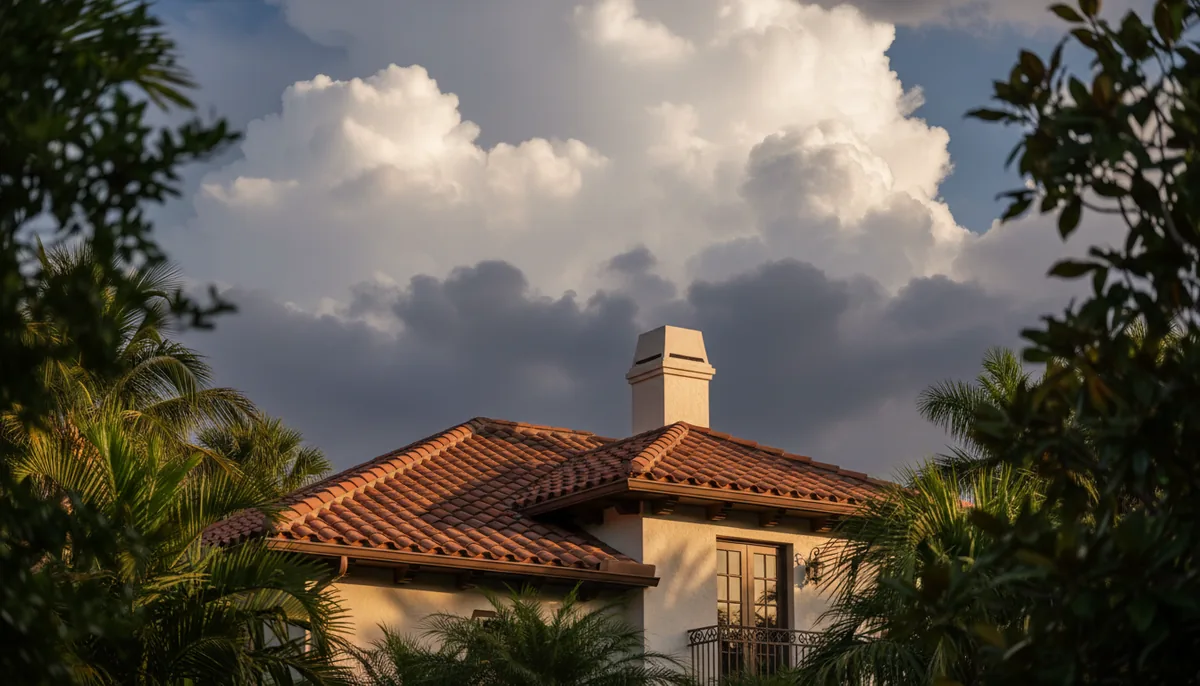
It was a Tuesday afternoon in February, which in Florida means it was either seventy-five and clear or the sky was trying to kill us. This particular Tuesday it was the sky. We were stripping a barrel tile roof in Winter Park, a big two-story Spanish revival, and the homeowner had asked us to "just fix the leak over the garage." The tile came off fine. The problem was the felt underneath—it wasn't felt at all. At some point in the nineties, somebody had laid down roofing paper so old and brittle it crumbled like a stale saltine cracker when I touched it. The water had been finding it's way in for years, running down the decking, along a rafter, and dripping out a spot that looked nothing like the actual source. That's Florida roofing for you. The leak is never where the stain is. The water does whatever it wants. For the shortlist itself, roofing companies in Florida is where I send people.
I've been doing this for twenty-two years, running tile and shingle crews between Orlando and the coast. I've torn off more storm-damaged roofs than I care to count, and I've seen what passes for waterproofing in this state. If you're looking for roofing companies in Florida, you need to know what you're actually hiring. This isn't about picking the guy with the nicest truck. It's about understanding that a roof in Florida is half structure and half water management. The sun cooks the shingles, the rain pounds them, and the humidity rots whatever stays damp. If the waterproofing underneath isn't right, you're just decorating the top of your house until the decking gives out.
And that's what this guide is for. Call it the things I wish every homeowner asked me before I climbed up on their roof. I'm not a lawyer, and I'm not an adjuster. I'm a guy who has spent two decades with a nail gun in his hand, and I'm going to tell you how it actually works out here.
Read the licence, then check it again
Florida roofing contractors are licensed by the Department of Business and Professional Regulation, the DBPR. That part is simple. What gets confusing is the prefix. A CERTIFIED contractor has a licence starting with CCC and can work anywhere in the state. A REGISTERED contractor has a licence starting with RC and can only work in the local jurisdiction that issued it. If you're in Orlando and the guy's licence says RC for Dade County, that's a problem.
Here's the thing I tell everyone: verify the number is active before you even let them give you an estimate. The DBPR has an online roll. It takes two minutes. I have been wrong about this before, but I have never been wrong about this—if a contractor tells you not to bother checking, you bother checking twice.
The 25% rule changed, and most people still don't know it
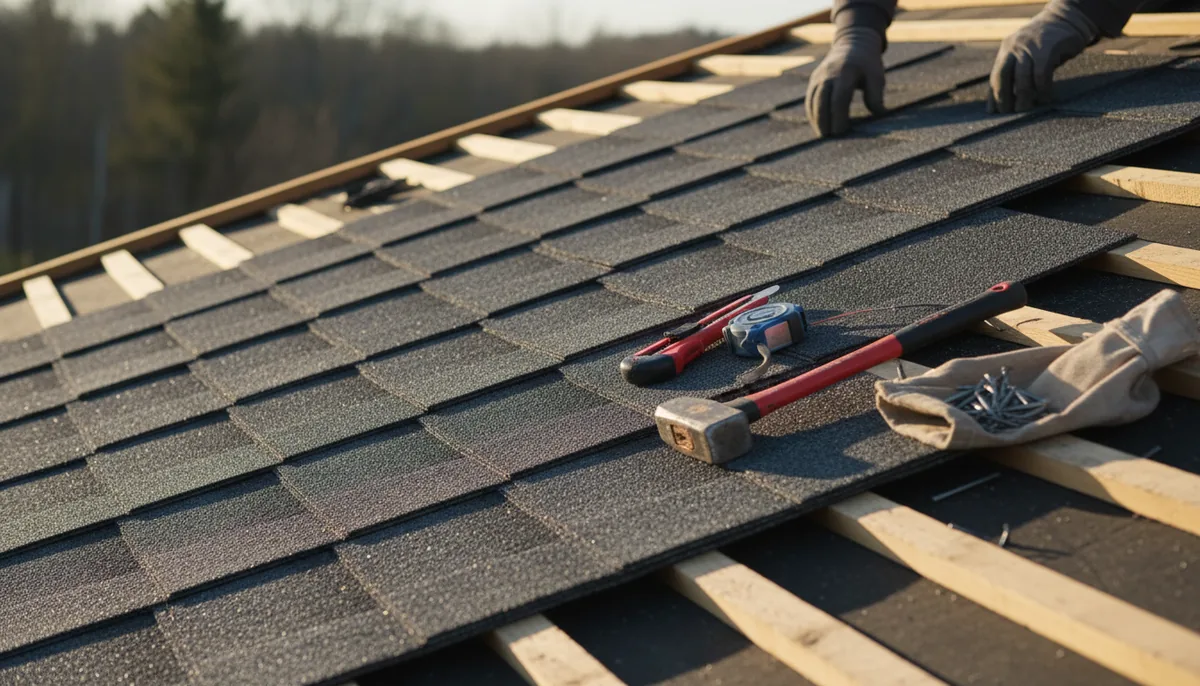
Ask ten homeowners in Florida about roof repairs and half of them will tell you about the old rule: replace more than 25% of your roof and you have to bring the whole thing up to code. That rule came from the Florida Building Code, and it caused alot of heart attacks whenever a hailstorm hit a neighborhood. You'd have one bad section of shingles, and suddenly you're being told you need a whole new roof to meet current code.
SB 4-D (2022) changed all that. If your roof was built, repaired, or replaced under the 2007 Florida Building Code or anything later, then only the portion you're working on has to meet current code. A full replacement isn't automatically triggered anymore. The catch? The 2007 code took effect on March 1, 2009. So if your roof is older than that, you're likely still stuck with the old math. I'd say roughly half the roofs I look at these days fall on the newer side of that line. The other half, well, we talk about the big picture.
Permit? Yes, we're pulling one
A roof replacement in Florida requires a permit from your local building department, and it requires an inspection. This isn't a suggestion. It's the law, and it protects you. If a contractor offers to skip the permit so they can start tomorrow and save you a few bucks, you walk away. That's non-negotiable in my book.
Why does it matter so much? An unpermitted roof can complicate an insurance claim in a major way. The insurer can ask if the work was permitted and inspected. If the answer is no, they can use that to deny or reduce a claim. And when you go to sell the house, the buyer's inspector will catch it, and the title attorney will catch it, and suddenly your "savings" from skipping the permit costs you the sale. I've seen it happen. It's a mess.
What I would actually do: Ask to see the permit before the crew shows up. Not "we'll pull it," but the actual permit on paper or on a phone. If they hedge, thank them for their time and call the next name on the directory.
Waterproofing: the part you can't see
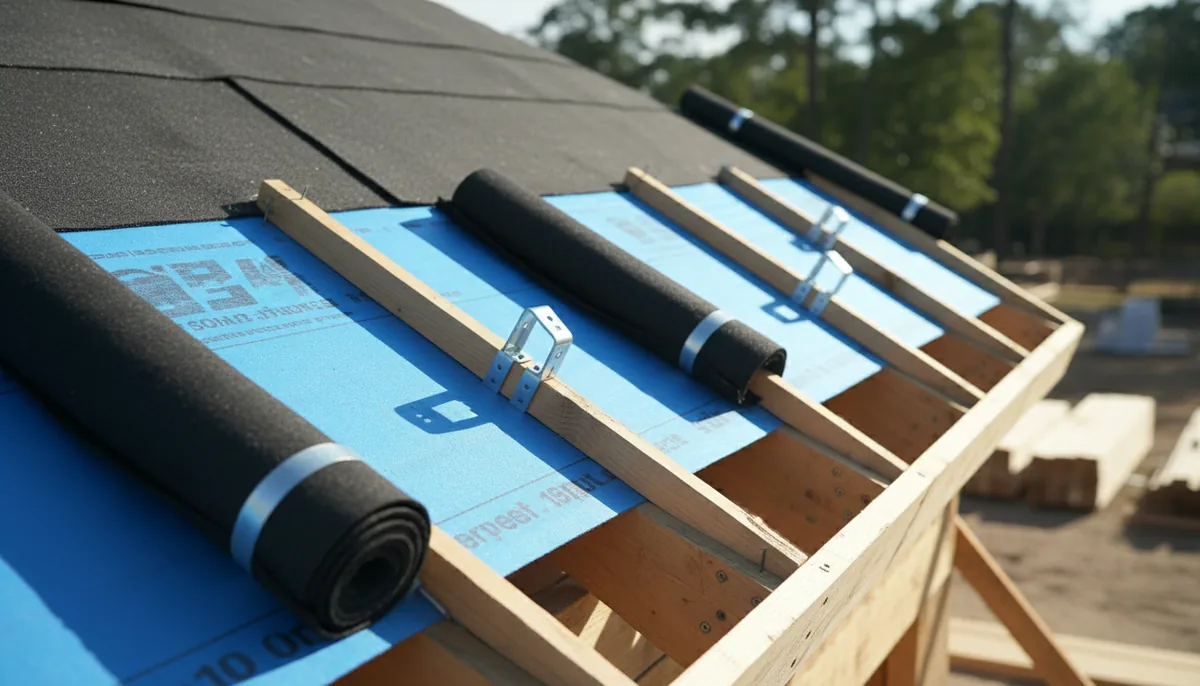
Here's where I sound like a broken record. The shingles or tiles are the pretty part. The waterproofing is the part that keeps your house from rotting. In Florida, that means proper underlayment, proper flashing, and paying attention to the details that water finds its way around.
The big one is the edge. Florida gets wind-driven rain, and that rain doesn't fall straight down. It hits the side of your house and pushes up under the bottom edge of the roofing material. That's why code requires a self-adhering membrane along the eaves and in the valleys. It's a sticky, rubberized layer that seals itself around the nails. If a contractor tells you they only use standard felt underlayment, ask them if they're installing the self-adhering membrane at the edges. If they look at you funny, you know what you're dealing with.
The roofing company I run now, we put that membrane on every roof we do. It costs more. It takes more time. But I have torn off too many roofs where the decking is rotted out right at the edge because somebody saved twenty bucks. That water gets in, runs down the rafter tails, and shows up as a stain on your ceiling twenty feet from where it entered. It's the same story as that Winter Park roof.
Wind mitigation: get the discount you're owed
Here's a piece of good news. If your roof is in decent shape, Florida insurers have to offer premium discounts for certain features. This isn't a charity move—it's because a roof that can stand up to a storm means a smaller claim later. The inspection documents things like roof covering, deck attachment, roof-to-wall connections, geometry, secondary water resistance, and opening protection. The standard form is OIR-B1-1802.
A certified inspector looks at how your roof is connected to your walls, how the deck is attached to the roof trusses, and wether you have that secondary water barrier I mentioned. If you qualify, you get credits. The annual discount on your policy usually ends up costing less than the inspection itself. It's one of those rare situations where spending a little money saves you money every year for as long as you own the home.
What I would actually do: Before you buy a roof or file a claim, get a wind mitigation inspection done by someone who isn't also trying to sell you a roof. Then send that form to your insurer. And for the love of all that's holy, read your policy's declarations page before you assume you're covered. Coverage varies by policy. I'm not an adjuster, but I know that much.
What an insurance claim actually means for your roof
When a storm hits and a tree takes out half your roof, you call your insurer. They send an adjuster. The adjuster writes up an estimate for the covered damage. And here's where it gets interesting—the adjuster's estimate is for the repair, not necessarily for a full replacement.
Then the roofing contractor (me, or someone like me) looks at it and says, "Well, that corner here has rot, and this section over there doesn't meet the current code for your area, and this whole slope is at the end of its life." That's the gap. The insurer covers the storm damage. The code upgrades and the deferred maintainance are on you. Some of that can fall under your policy's law and ordinance coverage, but again, that depends on your specific policy. Read the declarations page. Know your deductible. And if you have a policy through Citizens Property Insurance Corporation, the rules around what's covered and what's required can be specific to them. Don't take my word for it. Ask your agent.
Questions I get asked
Does a new roof always have to wait for the insurance adjuster?
No, but you should know what you're paying for. You can hire a public adjuster to represent you, but they take a cut of the final settlement. You can also just have your contractor document the damage thorougly and negotiate with the insurance company directly. I've had good luck with that when the homeowner has a solid roof and a valid claim.
Why is my roof leaking only when it rains hard from the east?
Water follows the path of least resistance. You might have a flashing issue on a chimney or a valley on the east side that's allowing water in, and it's traveling along a rafter to the point where you see the stain. That's why I'll never give you a price over the phone. I have to get up there and trace the water path. It depends what is under there.
Should I re-roof over my old shingles?
I'd rather not. Laying new shingles over old ones hides problems. You can't see the decking, you can't fix the flashing, and you're adding extra weight to a structure that was engineered for one layer. In Florida, with the heat and the storms, the right answer is almost always a tear-off. It costs more up front, but it's the last time you want to touch it for twenty years.
How do I know if my roof is due for a replacement?
Are you missing granules in the gutters? Are shingles curling or cracking? Do you have any leaks? Those are the obvious signs. Some roofs fail from the inside out—poor attic ventilation cooks the decking and the nails lose their grip. If you're not sure, have three contractors look at it and give you a written assessment. If two of them agree, you have your answer.
What is the most important thing to look for in a contractor?
An active DBPR licence with a CCC prefix, proof of insurance, and a willingness to pull a permit. The first two are non-negotiable. The third one is the dealbreaker. If they're willing to skip the permit, what else are they willing to skip? Probably the waterproofing membrane that I told you about earlier.
Is a metal roof better in Florida?
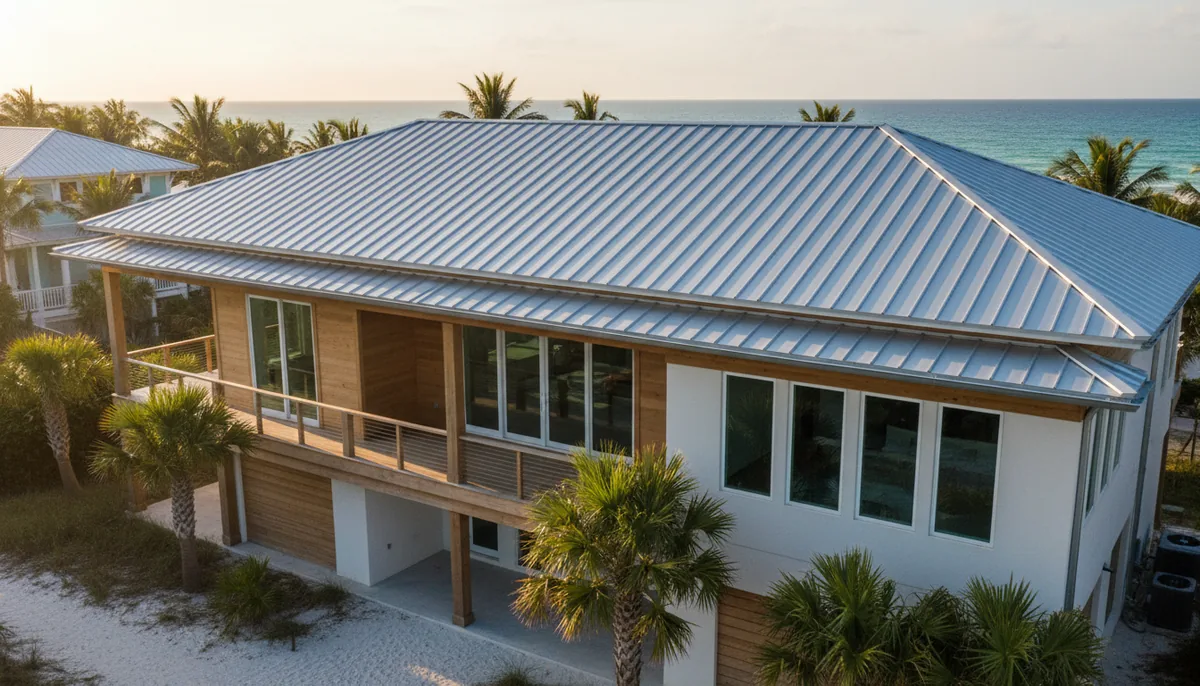
That's a personal taste question. Metal handles the heat and the storms well, and it lasts a long time if it's installed right. But the waterproofing details matter just as much with metal as they do with tile or shingles. If the flashing and the underlayment are done wrong, a metal roof can leak just like anything else. The material doesn't matter if the installation is sloppy.
Because that's what all of this comes down to, honestly. Not the shingle color, not the warranty card, not the logo on the truck. It's the underlayment. It's the flashing at the valley. It's the guy who actually pulls the permit and shows up for the inspection. There's no magic to it. Just a hundred small things done the right way so that twenty years from now, some other contractor isn't standing on your rafters in the rain, shaking his head at what he finds underneath.