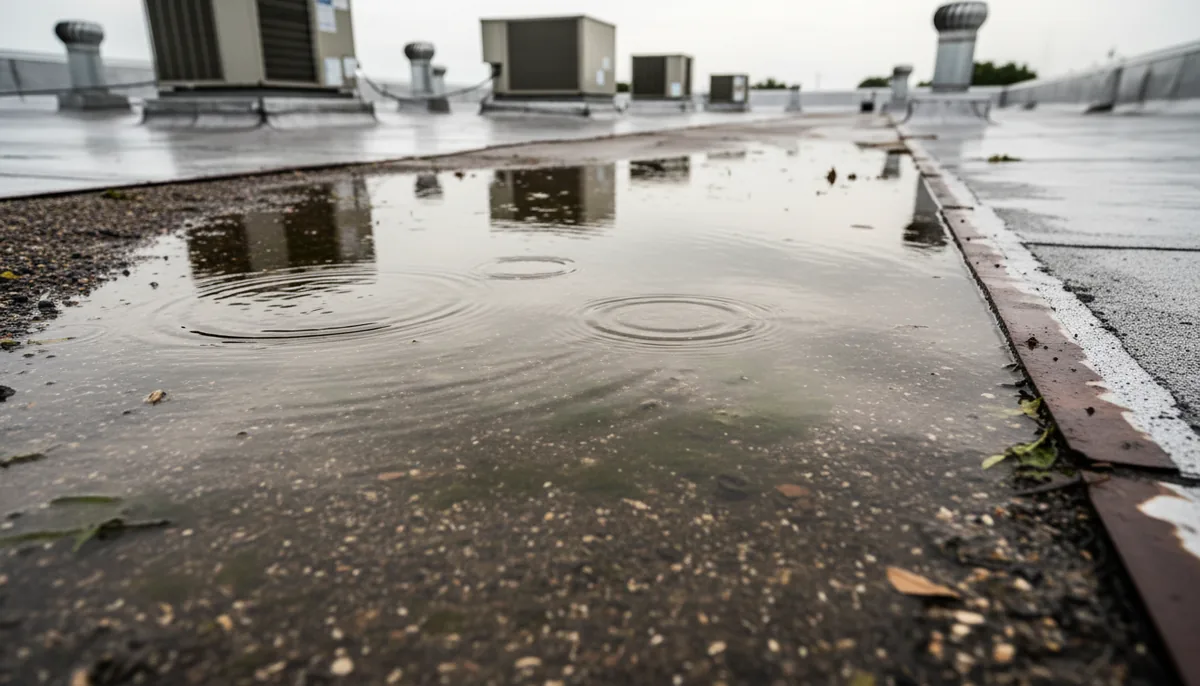
Emergency roof repair after storm south Florida — How Bad Is It, Really?
By Dale Prescott, Roofing contractor, Central Florida. Reviewed by Hal Winstead, Editor, licensed roofing contractor.
I was standing on a barrel-tile roof in Lakeland one afternoon when the homeowner came out and told me the “little brown spot” in her dining room was now dripping into a mixing bowl. We pulled three tiles and found water had run eight feet down the slope, hit a valley, and turned sideways before it ever reached the spot. That is the first thing twenty-two years of Central Florida roofs has taught me: the stain on your ceiling rarely marks the actual hole. If you need names, the storm damage roofing companies in Florida list on the directory is a place to start, but keep your pen in your pocket until you have read all of this.
Between Orlando and the coast, I’ve run tile and shingle crews throught more storms than I care to count. I’ve torn off roofs in rain that should have been too dangerous to work in. And I’ve stood in a dry living room while a homeowner cried over a leak that one tube of caulk would of stopped three weeks earlier. That’s the part people miss. The leak is never the emergency. The emergency is what the leak puts in motion.
I’m not a lawyer and I’m not an adjuster. I’m the guy who shows up after the tree goes through the tile and tells you what I would do if it were my house.
So how bad is it, really?
Depends what is under there. You can have a roof that looks like it lost a fight with a combine and almost no water in the house. You can also have one lifted shingle and a slow leak running along a truss until it ruins a whole sheet of drywall two rooms away. Water takes the path of least resistance, and that path can be a liar.
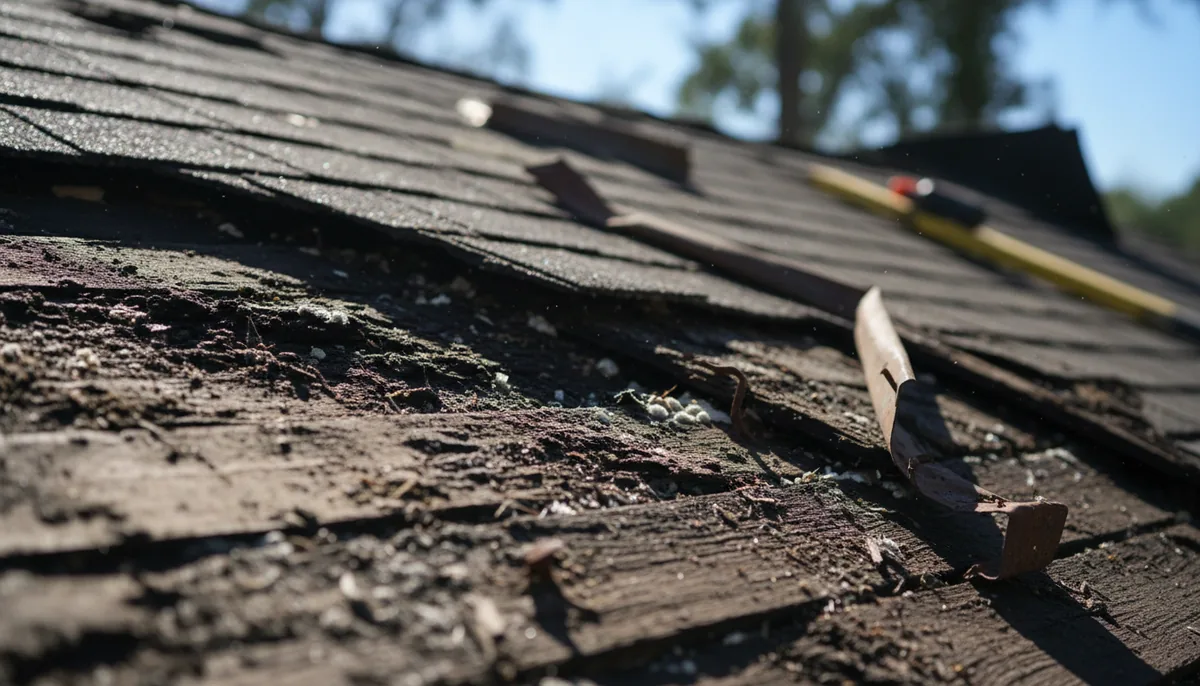
I’ve been wrong about this before—not often, but enough to tell you not to trust a roof’s face. The top can look beat to hell while the deck underneath is still dry. Or the top can look perfect while water is sitting in the insulation like a sponge. Call it emergency roof repair when water is actively coming in or the roof deck is exposed. Call it a one-day fix if you’re looking at a loose shingle and dry wood. But give it a week and that one-day fix can turn into a sheetrock job.
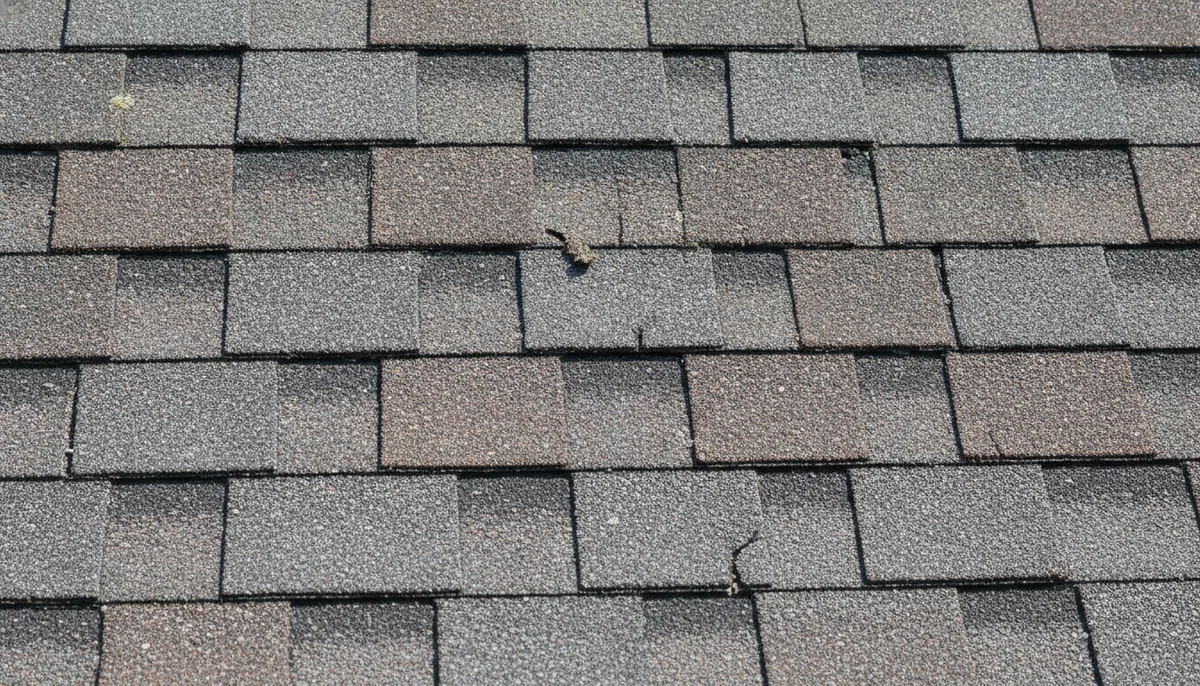
Emergency roof repair after storm South Florida: what can actually wait until morning?
A lot of what people call an emergency can wait six hours. A broken pipe cannot. A tree branch through the deck cannot. A ceiling that is sagging and full of water cannot—that one can come down on your head or pull the ceiling joists with it.
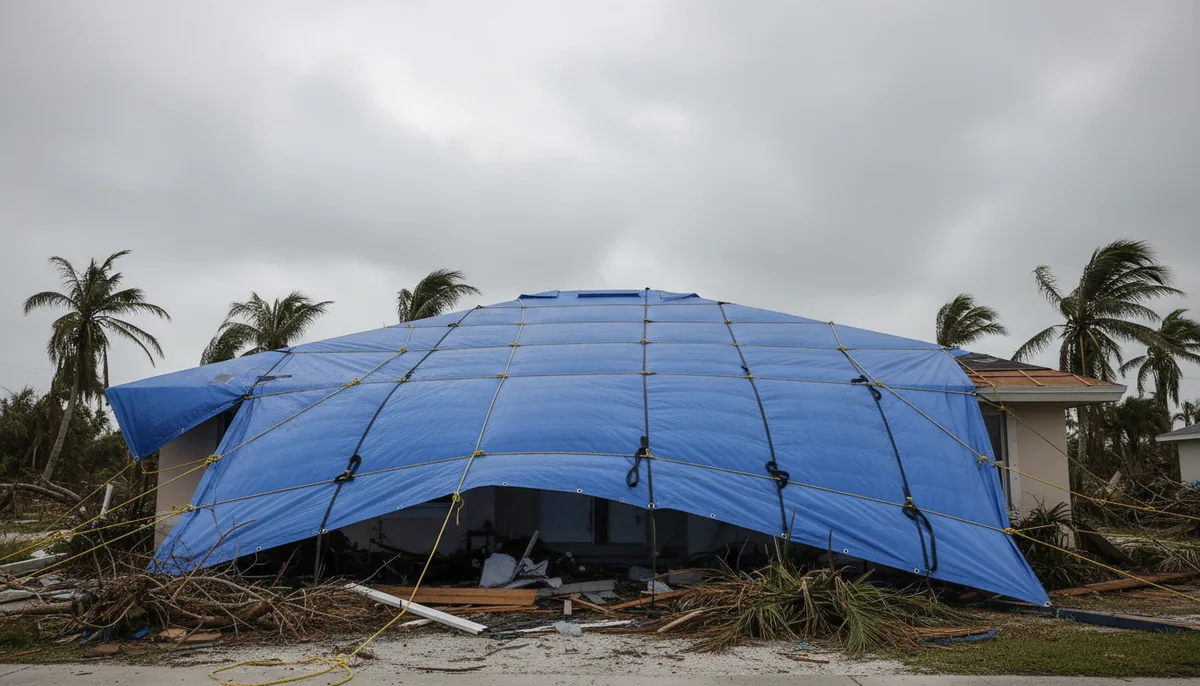
What can wait is the phone call to the first roofer who answers. Storm time makes people panic, and panic makes people hire the truck with the biggest magnet sign. Get a tarp over the damaged area if you can do it safely. Take photos of every torn shingle, every lifted tile, every piece of debris that hit the roof. Then find a roofer.
What I would actually do: Put a tarp over the damaged area that same night, trust my photos more than my memory, and call a roofer from a dry room. Tarp first. Paperwork second.
And don’t let a roofer talk you into a full replacement from the driveway. The repair price depends on pitch, access, and what is under the shingles. Nobody can tell you that from a photograph.
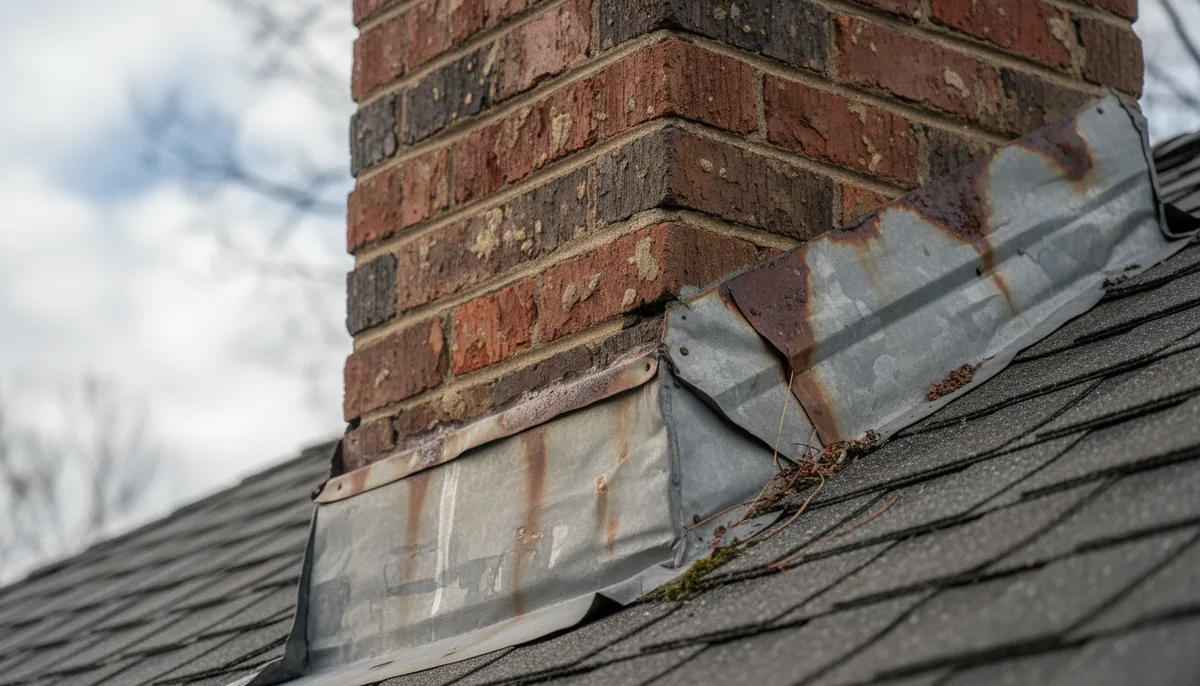
The old “25% rule” isn’t what it used to be
For years, Florida’s building code had a nasty trigger. If you replaced more than about a quarter of a roof in a twelve-month period, you had to bring the whole roof up to current code. That turned a small storm repair into a full roof replacement, and it made people afraid to call their insurance over a small leak.
Then SB 4-D (2022) changed the math for alot of roofs. If your roof was built, repaired, or replaced to the 2007 edition of Florida’s building code or a later edition, only the portion being worked on has to meet current code. A full replacement is no longer automatically triggered just because you fixed one bad slope.
The catch is the date. The 2007 edition took effect March 1, 2009. Roofs completed before that date generally don’t qualify, and the old trigger can still grab you. I know this sounds technical. It is technical. That’s why the roofer you hire should be able to explain how it applies to your actual roof—or tell you to go ask the building department.
Permits: no, you can’t skip them
A roof replacement in Florida requires a permit from the local building department. A repair might need one too, depending on how much decking has to come off. An inspector will come out and look at the work. That is normal. That is also protection.
So when a contractor tells you they can “save you the headache” and skip the permit, thank them and send them down the road. An unpermitted roof can complicate an insurance claim and can make buyers run from a future sale. I once had a homeowner offer to pay me extra cash to not pull a permit because it was “only a few shingles.” I said no. I drive those roads with my family. I don’t want to be the guy who watched a roof fail and said not my problem.
Insurance deadlines are shorter than three years
This one hurts, so read it twice. Under Florida Statute 627.70132, you have one year from the date of loss to give notice of an initial or reopened property insurance claim. For a supplemental claim—something you find after the first check is cut—you have eighteen months from the date of loss.
The clock runs from the date the damage happened, not from the day you noticed it. Not the day you called a roofer. Not the day you got arround to pulling down the wet insulation. The date the storm hit. Missing the deadline can give the insurer a complete defense even on a loss they would otherwise cover.
I’m not here to tell you what your policy covers, because I don’t know and neither does any roofer who hasn’t read your declarations page. But I can tell you this: if your roof is leaking after a named storm, do not sit on it. Call your insurer within a week. That is not legal advice. That is common sense from a guy who has watched people lose coverage because they waited.
Ask for a CCC or RC number before the ladder comes off the truck
Florida roofing contractors are licensed by the Department of Business and Professional Regulation, and the DBPR licence prefixes that matter are CCC and RC.
A CCC licence means certified. That contractor can work anywhere in the state. An RC licence means registered. That contractor can work only in the local jurisdiction that licensed them. Both can be perfectly fine. Only one can work across Florida.
Whatever number they give you, check it against the DBPR roll before you sign. Verify it is active. A license number on a truck door means nothing if the license has lapsed or was never issued to the guy standing in your yard.
What I would actually do: Ask for the CCC or RC number before the ladder comes off the truck. Then check it against the DBPR roll while the contractor is still standing in front of me. No number, no roof.
Questions I get asked
Do I call the roofer or the insurance company first?
Roofer first, once you’ve made the roof safe. I want to see the damage, take photos, and give you a plain-language report before you call your insurer. Then you call with something real to talk about. And watch the deadline under Florida Statute 627.70132—it starts from the date of loss, not the date you finally call.
Can a roofer guarantee my insurance will pay for a whole new roof?
No, and walk away from anyone who promises that. Roofers do not control what your policy covers. What we can do is document what we see. Your policy and your adjuster decide the rest. Anyone who says otherwise is selling you a story, not a roof.
If my roof is older, does a small leak mean I have to replace the whole roof?
Not automatically. If your roof was built, repaired, or replaced to the 2007 edition of the code or later, SB 4-D (2022) says only the portion you’re working on needs to meet current code. Roofs completed before that date generally still face the old 25% rule.
Can I put my own tarp on the roof?
Yes, if you can do it safely from the ground or a stable ladder. A tarp can save the inside of your house from a lot of damage. But if the roof is steep, wet, or anywhere near a power line, don’t do it. Tarps are temporary. You still need a real repair.
What should I do if a contractor says I don’t need a permit?
Thank them and don’t hire them. A roof replacement in Florida requires a permit and an inspection. If they’ll skip that part, they’ll skip other parts too. An unpermitted roof is a problem for your insurance claim and a problem for selling the house later. It is never worth the money you “save” on the permit fee.