Florida best roofing
By Bud Kettering, Roof consultant and inspector. Reviewed by Hal Winstead, Editor, licensed roofing contractor. I was up in a Cocoa Beach attic last July, sweating through my shirt before noon, when I put my knee right through a ceiling joist that had been dry-rotted for years. The seller’s agent had promised the buyers the roof was “in great shape.” It wasn't. It was a patch job held together with prayer and old tar. That afternoon taught me more than any manual ever did. And it’s exactly why I tell people to stop looking for a name and start looking at the details.
Look, there are alot of roofing companies in Florida that will tell you they’re the best. Some of them are pretty good. A few of them are outright dangerous. You can’t judge a contractor by their truck wrap or their logo. You have to judge them by their paperwork, their proccess, and the way they treat the job when nobody is watching. I spend my days crawling through the aftermath of what happens when people pick the wrong guy.
Finding the Florida best roofing contractor for your specific house is less about rankings and more about verification. The state makes it pretty easy to narrow the field. Florida roofing contractors are licensed by the Department of Business and Professional Regulation, which you’ll hear called the DBPR. A certified contractor has a licence that starts with CCC. They can work anywhere in the state. A registered contractor has a licence that starts with RC, and they can only work in the county or jurisdiction that licensed them. If someone gives you a licence number, look it up. Verify it’s active. That is step one, and you don’t skip it.
Searching for the “best roofing company in south florida” often leads folks to the same big names. You see the billboards. You hear the radio ads. And sure, some of those guys are fine. But I’ve inspected roofs right after the big outfits finished, and I’ve found nails left in the ridge, missing field tiles, and flashing that was caulked instead of stepped in. Bigger doesn’t mean better. It just means they have a better marketing budget. The best roofer in Florida is usually the one who shows up with a crew that’s been together for years and refuses to cut corners on the flashing details you’ll never see from the ground.
What I look for that you probably don't
When I inspect a roof, I’m not just looking at shingles. I’m checking the deck thickness, the fastener pattern, wether the underlayment is properly lapped, and how the valley flashing is woven. I’m looking at the vents. I’m looking at the cricket behind the chimney. You get the picture. The stuff that fails in a Florida storm isn’t usually the middle of the roof. It’s the edges, the penetrations, and the transitions.
A good contractor will spend time on those details because they know the wind will find them. I’m not going to name names here, because I don’t do that. But when you ask for our directory list, understand that it’s just a starting point. Look for the roofing companies in florida that have been in business for a while and have a physical address you can drive by. Then go ask around the local hardware store. You’d be surprised what you learn.

The permit is the whole ballgame
Here is the thing that gets more people in trouble than anything else. A roof replacement in Florida requires a permit. That is non-negotiable. The contractor pulls it from your local building department, and then they schedule an inspection. If somebody tells you that you don’t need a permit, or that they can “save you the hassle,” you walk away. I have seen this bite people so hard on an insurance claim or a home sale. If you have an unpermitted roof, and a hurricane takes it off, the insurance company is well within it's rights to ask a lot of questions. Let’s not go down that path.
What I would actually do: Before you sign anything, ask the contractor for their DBPR licence number. Look it up right there on the phone while they stand in your driveway. Then ask for their certificate of insurance. A certificate is not a policy. It’s a piece of paper. Call the agent to make sure it’s real.

Why your insurance discount matters more than the shingle color
People get obsessed with looks and miss the real money. A wind mitigation inspection documents six distinct things about your roof. It checks roof covering, roof deck attachment, roof-to-wall connection, roof geometry, secondary water resistance, and opening protection. That report gets submitted on a standard form called OIR-B1-1802. And this is where you can save a ton of cash.
Florida law requires insurers to offer premium discounts for qualifying features. You just have to prove you have them. I’ve seen homeowners get a wind mitigation inspection done for a couple hundred bucks and save twice that a year, every year, for the rest of the time they own the house. That’s a better return than a stock tip. But the inspection has to be done while the roof is being built, or you have to go through the trouble of getting an inspector to verify things after the fact. If you’re replacing the roof, that’s when you make your choices count.
How the roof-to-wall connection can ruin your day
Here’s the part that makes me sound like a broken record. I get called out for a simple leak, and I find a serious structural issue. The roof-to-wall connection is the big one. We call it the “toe-nail” in the old houses, and it’s just not enough. The code has changed over the years because we’ve learned from our mistakes. SB 4-D (2022) changed some rules about insurance and claims, but it also pushed the conversation about older roofs and what happens when they get damaged.
You need to understand that the money is in the straps and the clips. A hurricane doesn’t usually pick a whole house up. It peels the roof off the walls because the connection was weak. A good contractor will know all about this. Ask them how they attach the roof to the wall. If they look at you funny, it’s because they weren’t expecting a smart homeowner. If they start explaining the code requirements for clips and straps, you’ve found a professional. We call the old method a “toe-nail” connection, and it looks exactly as fragile as it sounds.
When the state pays you to fix your roof
There is a program in Florida called My Safe Florida Home. It offers free wind inspections for qualified homeowners. I don’t know the exact current funding status every single month, so you have to check. But the mechanism is real. The state wants homes to be stronger. They want to reduce the claims after a storm. That program is a good starting point if you own an older house and want to know where you stand.
The inspection will point out what’s weak. Then you can decide what to do about it. Remember that you have to hire a licensed contractor to do the work if you want to claim the grant or the matching funds. That’s where checking that CCC or RC prefix comes back into play. And depending on where you live, insurance is a whole other animal. Some folks in high-risk areas end up with Citizens Property Insurance Corporation, which is the state’s insurer of last resort. If you’re with Citizens, they have their own set of requirements for what a roof needs to look like to get coverage at all.
What I would actually do: Get the wind mitigation inspection done while the old roof is off. If the inspector can see the deck attachment and the roof-to-wall strapping, it takes half the time. If they have to guess because it’s all covered up, they will assume the worst. It’s called “what is under there” pricing, and it is always higher.
Questions I get asked
How do I know if a contractor is actually licensed?
Ask for their license number. Then look it up on the DBPR website yourself. Don’t take their word for it. The number starts with either CCC for a certified license or RC for a registered license. An active license that matches their name is the baseline. Nothing else matters if the license is bogus.
Why is the price different for a low-pitch roof versus a high-pitch roof?
It’s about access and safety, mostly. A steep roof is harder to walk, which means it takes longer and requires more safety equipment. Labor is priced per square, and the pitch changes how fast a crew can move. That’s also why the materials matter. A flat tile roof costs more than a shingle roof because it’s heavier and needs different framing.
Will my insurance company drop me if I file a claim?
I can’t tell you what your specific policy says. That is between you and your carrier. Coverage varies wildly by policy. Read your declarations page. Look for the section about law and ordinance, and read what it says about roof replacement. I refuse to give advice that sounds like it comes from a lawyers office.
What does the OIR-B1-1802 form actually do?
That is the standard wind mitigation inspection form in Florida. The inspector fills it out to document the features of your roof that make it more likely to survive a storm. Your insurance company needs that paperwork to give you the discounts they are required to offer. Without the form, the discount doesn’t exist. It is that simple.
Is a metal roof better than shingles in Florida?
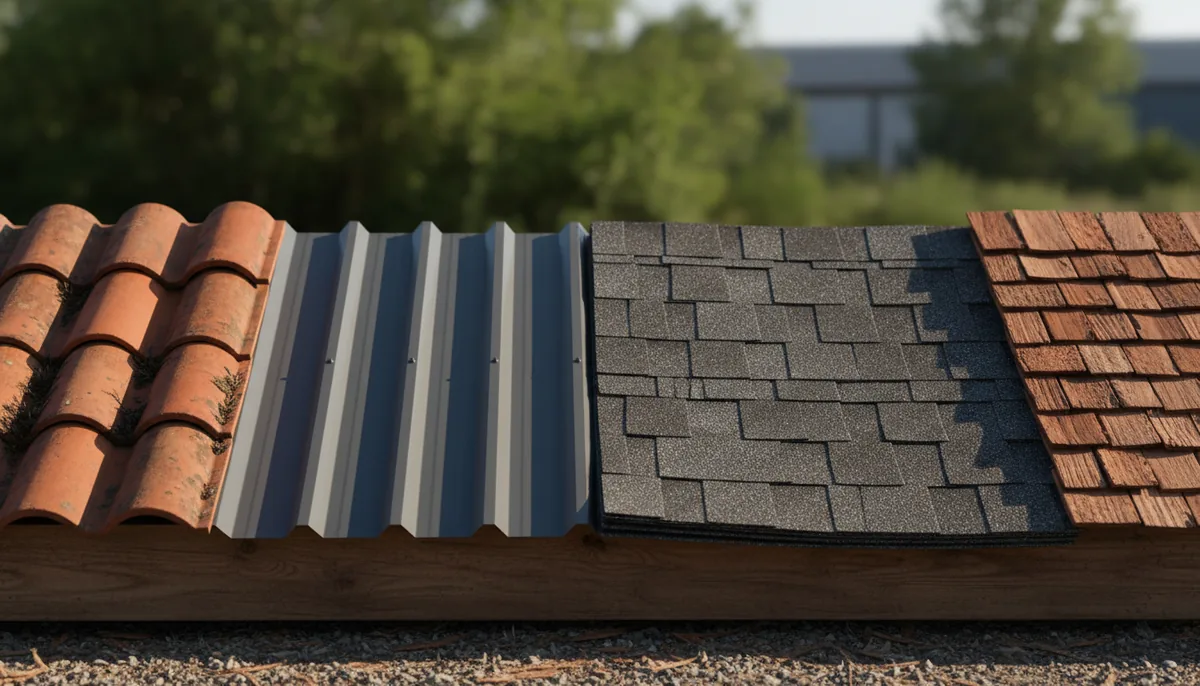
For wind uplift, a properly installed metal roof is about as good as it gets. The panels are long and the seams are anchored. But you can screw up a metal roof just like anything else. Shingles are fine if they’re installed to the wind speed map for your exact location. The products are less importent than the installation. I have seen cheap shingles outlast expensive tile because the labor was better.
What should I do if the inspector or contractor tells me I have to act right now?
Walk away. Storms create urgency, and I get that. But there is no emergency that requires you to sign a contract while the roofer is standing on your front porch with a cell phone picture of a “code violation” that doesn’t exist. Get it in writing. Get a second opinion. Sleep on it. The Florida building code has a date on it, and just because the guy next door got a new roof doesn’t mean you need one.
I’ve been wrong about roofs before. I’ve opened up a deck that looked perfect on top and found rot under the flashing that took the whole sheathing with it. I’ve also seen a roof that looked terrible from the driveway pass every test I threw at it. The point is, you have to look. That’s my job, and it’s what makes me a little crazy about the shortcuts people take. You don’t need to hire me to get a good roof. You just need to ask for the number, check it, and read the contract before you sign.