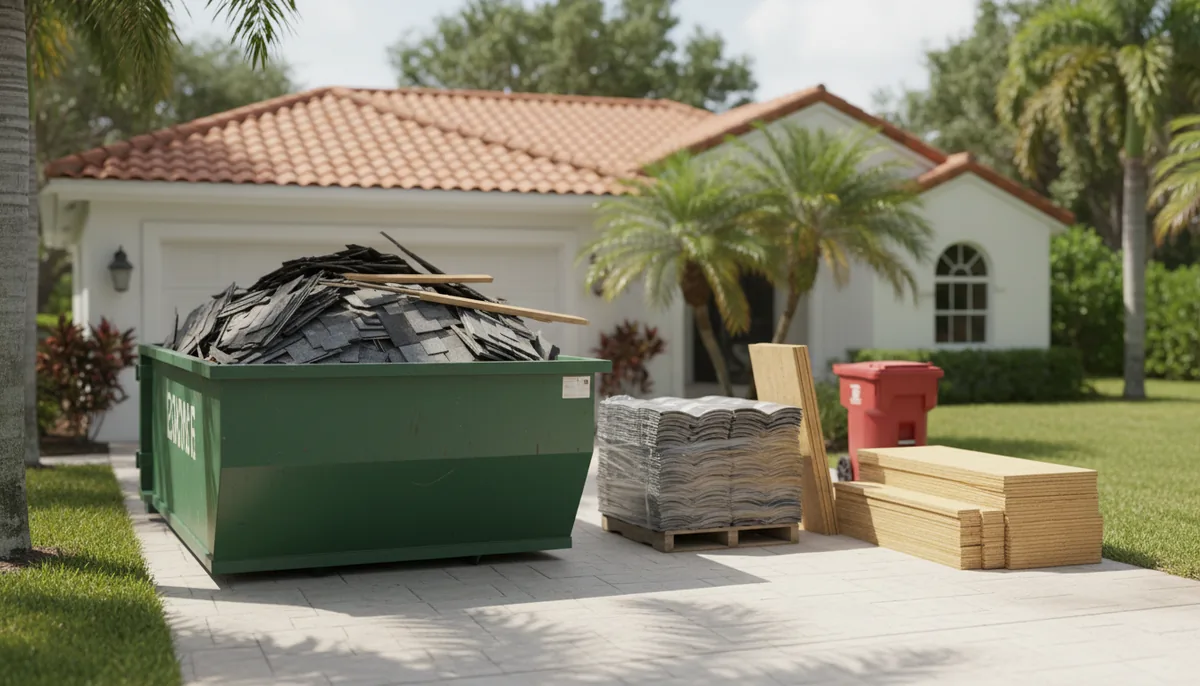
Florida mobile home roof maintenance
By Bud Kettering, Roof consultant and inspector. Reviewed by Hal Winstead, Editor, licensed roofing contractor.
One August afternoon last year, I was on my knees on a roof in Arcadia. The storm had passed the night before, and the rubber membrane was still wet at two in the afternoon, which should of told me everything. The homeowner had a bucket catching a slow drip from a screw head — a screw driven through a patch four years earlier and rusted enough to work like a straw. That roof could of been saved in year two. Mobile home roofs don't fail all at once; they fail at corners, seams, vents, and every line of fasteners, and nobody sees it until the insulation is holding water for a month. If that's where you are—searching for someone to fix what you've got—the mobile home roofing companies in Florida listing is a decent place to start. I just wouldn't call a single number until you understand what you're actually asking for.
I inspect roofs for buyers, sellers, and insurers. I don't sell roofs. Half my life is in Florida attics with a torch and a moisture meter; the other half is on decks in heat that makes people from Ohio cry. I tell people what they have, what it's going to do, and which contractor's estimate matches the physics of the roof. And I've been wrong before. Anyone who tells you different is selling something.
What Florida does to a mobile home roof
Florida doesn't kill mobile home roofs with one big storm. It kills them with a slow, year-round campaign. Ultraviolet light turns a rubber membrane stiff, then brittle. Humidity keeps the underside damp long after the rain stops. The heat up there—call it a slow oven—softens old tar and dries out every sealant that ever touched it. Then a summer storm puts water on a roof that's been cooking for weeks, and a tiny seam opens.
The same pattern shows up everywhere. The membrane is sound, but the flashing corners have lifted. The butyl tape under the seam cap squeezed out years ago. Somebody walked on the roof once and left a low spot where water now sits. It's rarely one dramatic failure. It's a small thing ignored through the dry season.

The Florida mobile home roof maintenance list that actually matters
Real maintenance is boring. Twice a year—once before summer storms and once before the dry season—get up there and look. Clean the gutters and check the downspouts. Examine every seam, every patch, every vent boot, and every place a wire or pipe crosses the roof. Check the screws on the metal cap strips; they work loose with heating and cooling. Trim any branch that touches the roof. I've traced more leaks to a branch rubbing through a membrane than to any hurricane.
Do not go up there in July and start poking at things. If you have a rubber or PVC membrane, you can walk on it in soft shoes, but be carefull. Old shingles get brittle. The goal is to find the problem while it's an inch long and dry, not after it's a foot long and dripping. If your knees or your balance don't cooperate, hire someone. Twice a year is maintenance. Once a decade is gambling.

Patching versus replacing: the arithmetic that actually matters
I can't quote you a price per square, because the cost depends on pitch, access, deck condition, and what is under the current covering. What matters is the reasoning. If the deck is dry and solid and the leak is a seam or a single fastener, patch it. Pull the old screw, set the new one in sealant, cover it properly, and while you're at it check every fastener nearby. A leak is never just one leak; water runs along the deck until it finds a low spot, and then it shows up on your ceiling.
If the deck is wet, the wood is soft, or rust has eaten through the metal pan where water sits, no patch saves it. You'd be paying for a patch that hides a growing problem for a season. I had a fellow in Bartow ask if he could fill a rusted hole from underneath with expanding foam and cut it flush. He said the trick worked on his boat. I reminded him that his boat didn't have wet insulation pressed against the foam for ten months. Mobile home roofs are not boats. The foam hid the wet wood, and the wet wood got wetter.
What I would actually do: If the deck feels wet or looks stained, price the replacement before paying for the third patch. If the deck is dry and the damage is one seam or one fastener, fix that fastener and spend what you saved on an inspection of everything else. Coating a damp roof or patching a rusted pan is how a small leak becomes a big bill.

A permit is not an insult, it's a receipt
A roof replacement in Florida carries a permit from the local building department and an inspection afterward. That inspection is the only time someone with no financial stake in the job looks at the work. If a contractor tells you that mobile home roofs don't need permits, or that the building department won't care, walk away. I've seen unpermitted roofs come up at closings and at claim time. It always comes up.
The state licenses roofing contractors through the Department of Business and Professional Regulation. A certified roofing contractor's license starts with CCC and is good anywhere in Florida. A registered license starts with RC and applies only to the local jurisdiction that issued it. Look up the number on the DBPR roll and make sure it's active before you sign. The name on the estimate should match the license, and the number on the truck should match the paperwork.
What I would actually do: Call the local building department, ask what the permit costs on a mobile home roof replacement, and ask wether the inspection is handled in-house or by a third party. Then watch the contractor's reaction when you mention it. A profesional will say yes. A guesser will start explaining why the code doesn't apply to your roof. The code always applies.
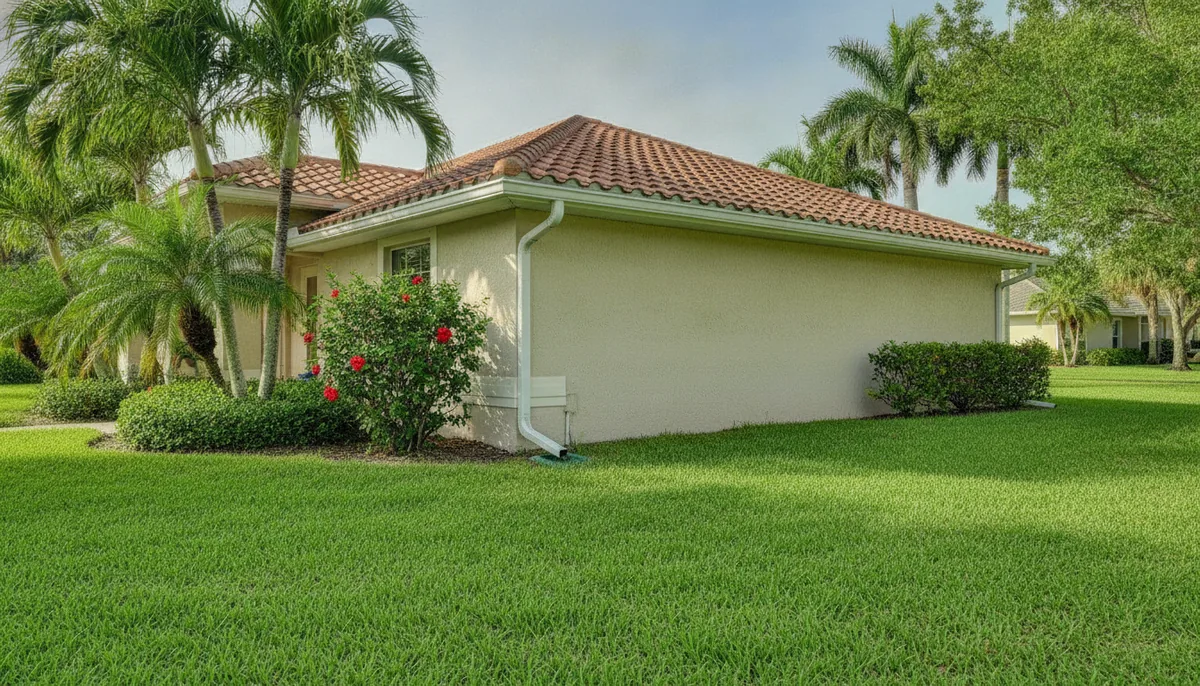
The wind mitigation inspection is the closest thing to a free lunch I sell
Here's where a roof stops being just an expense. A wind mitigation inspection documents six features: the roof covering, how the roof deck is attached, how the roof meets the walls, the roof geometry, whether there's a secondary water barrier underneath, and what protections you have on windows and doors. The standard form is OIR-B1-1802. Florida insurers are required to offer premium discounts for the features that qualify, and the inspection costs far less than the annual discount it can earn. That math works whether you're with a big national carrier or Citizens Property Insurance Corporation.
Rules have shifted, and you'll see references to SB 4-D (2022) and Florida Statute 627.70132 in insurance paperwork now. I'm not a lawyer or an adjuster. What I can tell you is what I tell my own clients: read the declarations page on your policy and see what it actually says about roof coverage. If the agent won't answer a plain question plainly, that's an answer. And yes, My Safe Florida Home has helped homeowners with wind inspections and retrofits. Whether your particular mobile home qualifies depends on current program rules, so make the phone call. A free inspection is better than a paid one.
Questions I get asked
How often should I have my mobile home roof checked?
At least twice a year, once before summer storm season and once after the worst of it passes. If you don't trust yourself on a roof, pay someone who does. A missed small leak costs more in one month than ten years of inspections.
Is a coating a real repair?
A coating is a real repair only when the roof underneath is dry, clean, and sound. Shelling out for a coating over a wet deck or rusted metal is an expensive way to photograph the problem. The coating is only as good as what's under it.
Does a mobile home roof replacement really need a permit?
In Florida, yes, and that permit comes with an inspection from the local building department. A contractor who says otherwise is not doing you a favor. He's taking away the paper trail that protects you later at resale and at claim time.
What is the difference between a certified and registered roofing contractor?
Certified licenses start with CCC and allow work anywhere in Florida. Registered