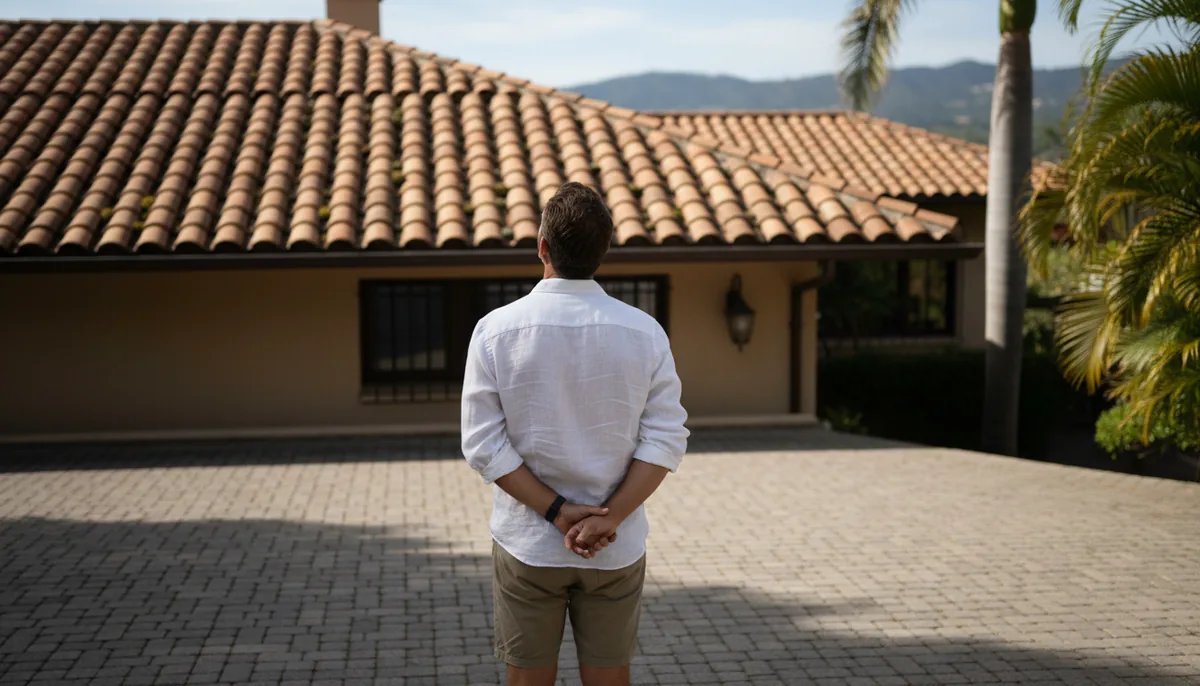
How long does a metal roof last in Florida
By Bud Kettering, Roof consultant and inspector. Reviewed by Hal Winstead, Editor, licensed roofing contractor. I was standing on a brand-new metal roof in Cape Coral last June, and the homeowner was beaming, it was standing seam, it was expensive, and it was supposed to be the last roof she ever bought. Then I put my moisture meter on the ridge cap and got a reading that made me whistle. The crew had run a screw through the top of the seam and into a solid deck — and they'd missed the stringer underneath by a good two inches. The hole was open, the sun was going down, and a Florida thunderstorm was rolling in from the Gulf. I looked at her and said, "Ma'am, I've seen tile roofs die slower than this."
If you're asking how long does a metal roof last in florida, the honest answer is alot more complicated than the salesman's "fifty years." I've inspected metal roofs that were rusting out after a decade, and I've inspected metal roofs from the 1980s that were still holding strong. The difference isn't the metal. It's everything that happens between the factory and my flashlight beaming across your attic.
The first thing to understand is that Florida doesn't treat metal like the rest of the country. Salt air, UV intensity, and ninety-mile-an-hour wind events change the math. A corrugated panel screwed down with exposed fasteners on a low slope is a different animal from a standing seam system with hidden clips. I've been wrong about this before, and I've learned to hedge my predictions. Call it fifteen years if you're unlucky, and thirty-plus if you get the details right. The lifespan is not a property of the metal. It's a property of the installation.
The air is trying to eat your roof
That's not a joke. Salt-laden humidity is brutal to steel. You can see it on every chain-link fence within a mile of the coast — the rust isn't a surface issue, it's a chemical conversation between the chloride in the air and the zinc coating on the metal.
For a metal roof, the coating is everything. Galvalume and zinc-aluminum coatings handle Florida's atmosphere far better than plain galvanized. But I've seen "coastal-grade" metal fail anyway because the factory cut edge was left raw. Water wicks up that cut edge, and the rust starts creeping under the paint like a slow leak. You don't see it from the ground. You see it from a ladder, or when you're walking a ridge with your boots leaving marks on the panels.
I don't care what brand you buy. I care where the cuts are, how the flashings are joined, and wether they've used any dissimilar metals together. Put steel fasteners in an aluminum panel and you've built a battery. That's not an opinion, that's chemistry. It might last twenty years, or it might fail in eight. Depends what is under there and what the moisture meter says when I'm in the attic.

The deck underneath is the real roof
Metal panels are just a raincoat. The structure below them is what takes the load when a wind event tries to peel that raincoat off. And in Florida, the substrate is where I find the most problems.
The old way was purlin roofs — just metal panels screwed to wooden purlins spaced two feet apart. That works fine in a shed, but it's not how we build homes here anymore. A solid wood deck with a layer of felt or synthetic underlayment gives the metal something to bear on, and more importantly, it gives you a secondary water barrier.
What I would actually do: If I had a metal roof over a solid deck with a good underlayment, I'd expect twenty-five to thirty-five years of service life, give or take. If I had a purlin roof over an open attic, I'd start saving for a replacement now.
The underlayment is the insurance policy. The metal keeps the rain out, but when a screw backs out or a seam opens — and they will, eventually — the underlayment catches the water until you can get it fixed. Roofers hate when I say this, but I've seen $8,000 metal roofs saved by a $500 underlayment job. And I've seen a $40,000 standing seam roof wreck a living room because the crew skipped the underlayment to save a day of labor.
The fasteners decide the finish line
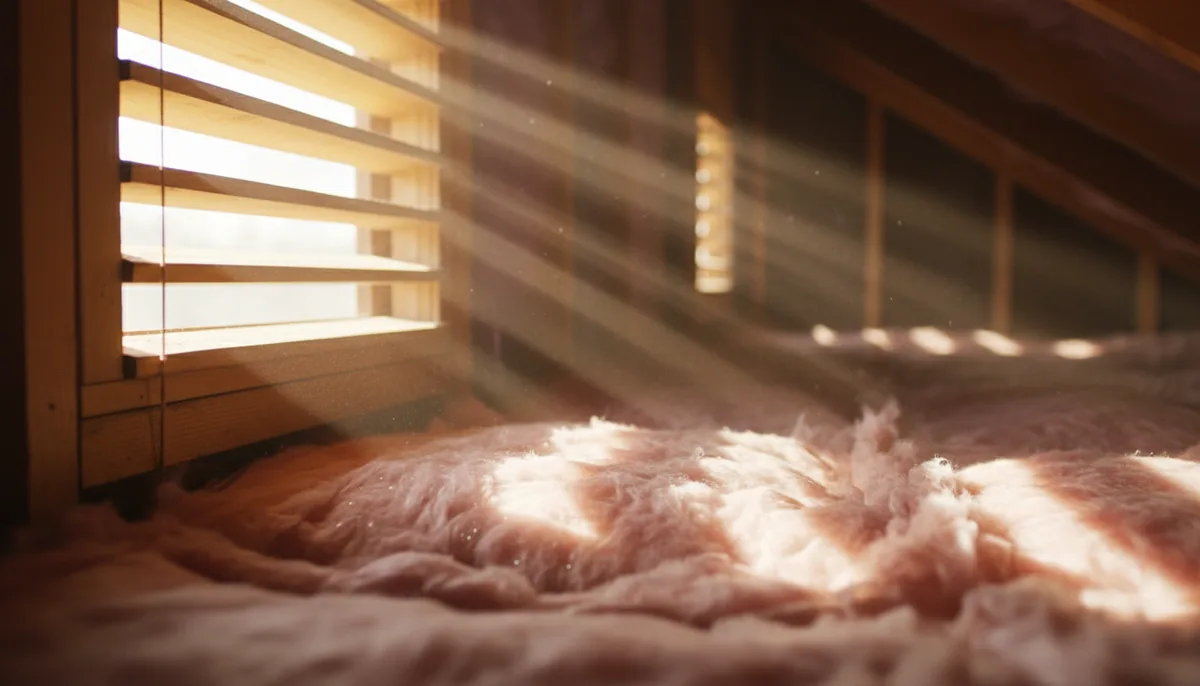
Exposed fastener panels are cheaper. You screw the panel down, the screw has a rubber washer, you put a cap on top. That washer is your timeline. It's a rubber gasket that lives in the blazing Florida sun, getting baked and freezing and baked again. Call it ten to fifteen years before those washers start cracking.
I pulled a screw out of a roof in Naples where the washer had turned into a hard plastic disk. It wasn't sealing anything. The water was running down the threads into the deck. The roof was only eleven years old, but the entire top was compromised. Standing seam roofs don't have that problem. The clips are hidden, the seams are mechanical, and there are no exposed fasteners on the flat field of the roof. That's why standing seam can hit that thirty-year mark.
But here's the rub — standing seam requires a design, not just a panel profile. The clips need to accomodate thermal movement, which is a bigger deal in Florida than people think. A dark metal roof can hit 180 degrees on a June afternoon and then cool down to 80 degrees at night. That's a hundred-degree swing. The metal expands and contracts. If the clip system doesn't let it float, the metal will do what it wants anyway — and it'll pull the screws out of the substrate doing it.
What I would actually do: I'd ask the contractor whether their metal roof system is mechanically seamed or just snap-locked. For a home in a high-velocity hurricane zone, I'd want a mechanically seamed standing seam with clips that are UL-rated for uplift. That gets expensive fast, but it's the only way to really sleep through an August storm.
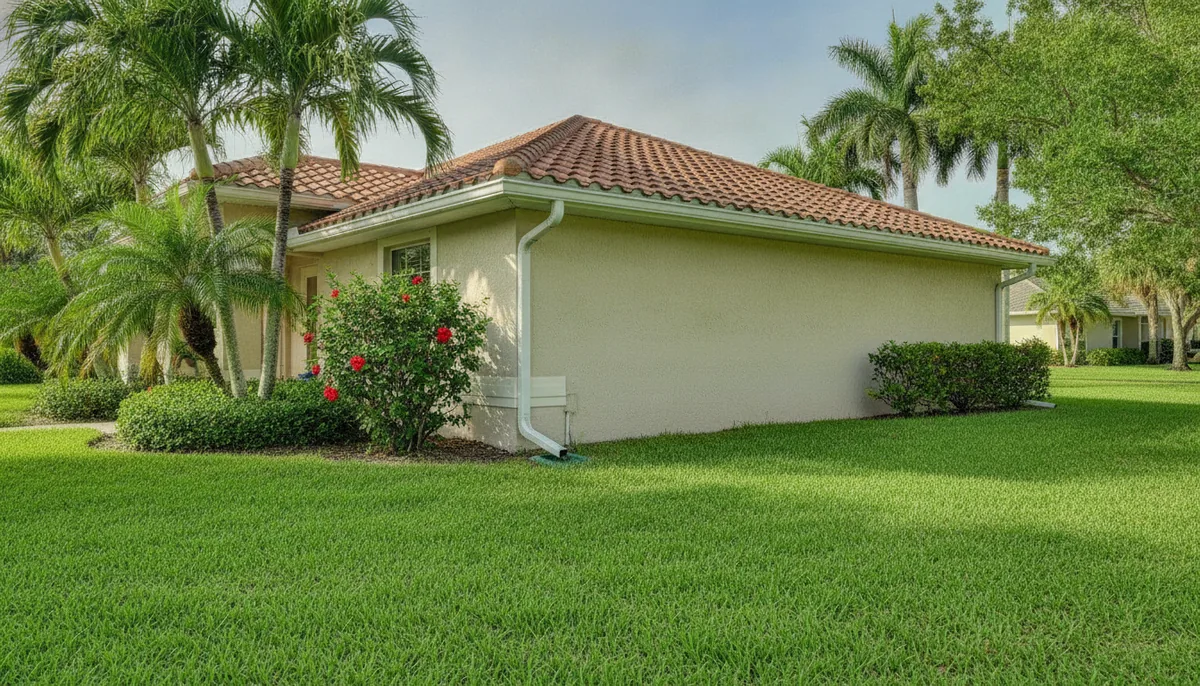
These fourteen hundred square feet could cost you plenty
With all that said, beware the unpainted fastener in the valley, roofers use them because they're faster — and then chalking the screws to paint them. A properly installed metal roof is a sign to how patient the installers are.
Questions I get asked
Can I get a metal roof in Florida with an HOA?
That's a question for your HOA paperwork, but generally yes if you pick a color and profile that meets their standards. Many HOAs now approve certain standing seam profiles because they look like a "high end" product. Just don't assume — I've seen HOA violation letters ruin a homeowner's month.
Does a metal roof make my house hotter?
Not if you have proper ventilation and a radiant barrier. But a dark metal roof with no roof deck ventilation will turn your attic into an Easy-Bake oven. I've measured attic temps over 140 degrees in homes with dark metal roofs and inadequate ridge vents. Your air conditioner will hate you.
Is metal louder than shingles in the rain?
Forget the rain. Worry about the hail. A metal roof can dent in a hailstorm, and the noise in a hard rain with no insulation underneath is distinctly "warehouse." If you have living space under the metal with no insulation, you'll hear it. Insulation helps a lot.
Can you put a metal roof over shingles?
Sometimes, but I don't like it. The shingles trap moisture underneath, and you'll never know if the deck is rotting until the metal has to be lifted. I've peeled back metal to find a surfboard of mush underneath.
How do I verify a roofer is real?
You verify the licence against the DBPR roll. The prefixes matter — a CCC licence is certified and can work anywhere in the state; an RC licence is registered and only valid in the local jurisdiction that issued it. If the number starts with RC and you're not in that jurisdiction, walk away.
Does insurance care about metal roofs?
Florida law requires insurers to offer premium discounts for wind mitigation features, and a metal roof with proper attachments can qualify. Your inspector will document it on the OIR-B1-1802 form. But coverage varies wildly by policy — read your declarations page and ask your agent if the roof is covered at replacement cost.