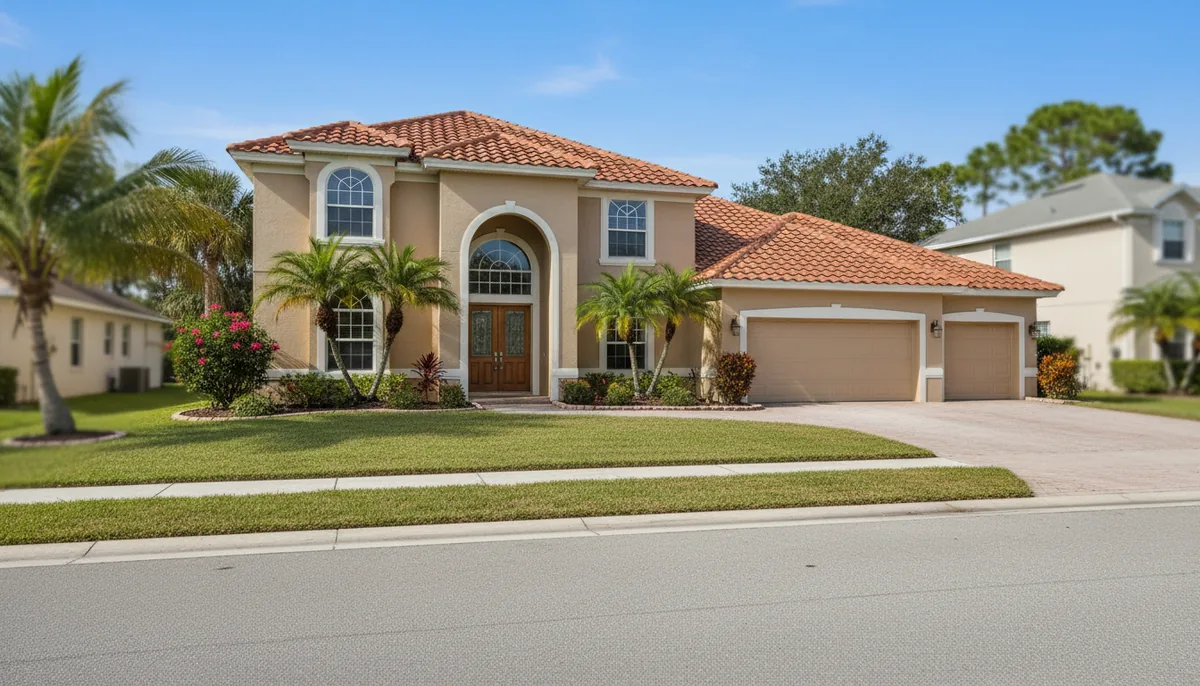
Metal roofing florida approval: The Florida Guide
By Dale Prescott, Roofing contractor, Central Florida. Reviewed by Hal Winstead, Editor, licensed roofing contractor.
The afternoon was pure Florida: ninety-eight degrees, and the kind of sticky that makes your shirt feel welded to your back. I was standing on a hip roof in Winter Haven, a 2006 tile job that had finally given up the ghost, when the homeowner asked if the county would give us grief over a metal replacement. Another contractor had told them a full tear-off would trigger some kind of whole-roof code upgrade that would double the estimate. That story was half-right, and the half they got wrong was going to cost them a roof they didn't need. So I sat down on the ridge, pulled out my phone, and showed them exactly what the rule says now.
That's what this post is about—what actual, legal, permit-pulling "approval" means for a metal roof in Florida. Not the brochure stuff. The counter-level stuff. And if you're comparing metal roofing companies in Florida, you should know what the contractor is talking about before they start talking.
I've torn off more storm-damaged roofs than I care to count, and I've watched the rules shift under my boots more than once. The hurricane code cycles have a way of doing that. Let me save you some of the confusion.
The first trip to the permit counter
You can't just slap standing seam over an old mess. Every roof replacement in Florida requires a permit from the local building department, and that permit means an inspection. If a contractor tells you he'll skip the permit to save you money, shake his hand and then never call him again. An unpermitted roof can complicate an insurance claim down the road, and it can turn a home sale into a nightmare. I have been wrong about this before, but I have never seen a homeowner glad they skipped the paperwork.
The permit proccess is where "approval" actually lives. The local building official wants to see engineered plans for a metal retrofit, the deck condition, and how the new roof ties into the structure. That isn't bureaucracy for it's own sake—metal roofs behave differently than shingles in wind, and the inspector knows it.
Licensed, certified, registered—know the difference
Florida roofing contractors are licensed by the Department of Business and Professional Regulation, and the licence prefix tells you a story. A certified contractor holds a licence begining with the letters CCC, and they can work anywhere in the state. A registered contractor holds a licence beginning with RC, and they're restricted to the local jurisdiction that issued it. Always verify the number is active against the DBPR roll before you let anyone on your roof. I've met plenty of good registered roofers over the years, but "registered" tells you they're a local outfit, not that something is wrong. "No license at all" tells you everything else you need to know.
That verification matters even before we talk about metal. The approval process starts with the person holding the hammer, not the panel.
The rule that changed everything (and what it didn't)
Here's where the misinformation gets thick. Florida used to have something called the 25% rule. If you repaired or replaced more than a quarter of your roof in any twelve-month period, the whole roof had to come up to current code. That was the Florida Building Code for years. Then SB 4-D (2022) changed it.
The new law is actually simpler. If your roof was built, repaired or replaced under the 2007 Florida Building Code or anything newer, then only the section you're working on needs to meet current code. A full replacement is no longer automatically triggered by patching a bad valley. The 2007 code edition took effect on 1 March 2009. So if your roof went on before that date, the old rules may still apply. If it went on after, you're usually fine to repair just the bad part.
I had a customer in Lakeland whose roofer told her that replacing 30% of her 2015 shingle roof with a metal patch meant she had to tear the whole thing off. She was about to spend twenty grand she didn't have. The law did not require that. Her roofer was either behind the times or padding the invoice.
What I would actually do: Read the date on your permit history or inspection sticker first. If the roof was installed after early 2009, ask the building department directly wether a partial repair triggers a full code upgrade. The phone call takes five minutes. The misinformation takes weeks to untangle.
The wind mitigation inspection that pays for itself
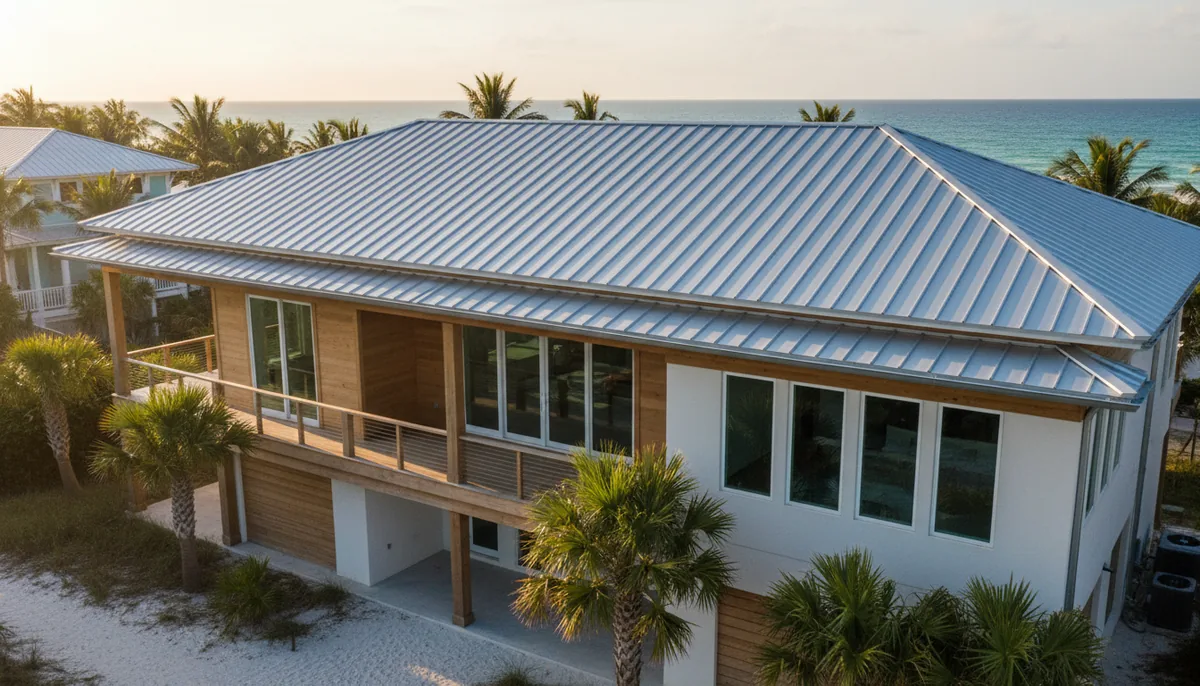
This is the part I genuinely enjoy, because it saves homeowners real money every year. Florida insurers are required to offer premium discounts for qualifying wind features, and the standard form that documents them is OIR-B1-1802. A wind mitigation inspection covers the roof covering, roof deck attachment, roof-to-wall connections, roof geometry, secondary water resistance, and opening protection. That's the whole list—six items.
A metal roof tends to score well on two of those categories especially: roof covering and secondary water resistance. Standing seam metal can qualify for high wind ratings when the panel system is engineered for it, and if the inspector can document a sealed deck underneath, that's another checkbox. The inspection itself costs a fraction of the annual discount it can open up. I've seen homeowners get the inspection cost back inside the first renewal cycle. The discount repeats every year.
The paperwork matters. The insurer wants the OIR-B1-1802 form, signed by someone qualified to do the inspection. That's not me unless I'm hired specifically for it, and it doesn't happen automatically when you buy a metal roof. You have to request it.
What I would actually do: Hire a licensed wind mitigation inspector separately from the roofer. The roofer has a financial interest in the outcome, and the insurer knows it. A clean, independent inspection is harder to dispute. Then send that form to your insurance agent before the policy renews.
The insurance fine print nobody reads
Florida Statute 627.70132 is the section that governs roof replacement and insurance claims in alot of these scenarios. I can't tell you what your specific policy covers, because coverage varies from one policy to another, and I'd be lying if I said otherwise. What I can tell you is to read your declarations page and the roof coverage endorsement. If the policy language mentions "actual cash value" versus "replacement cost," that distinction can be the difference between a check and a war.
Some policies require a roof to be in a certain condition to qualify for coverage at all. Some discount metal roofs, some treat them neutrally. I have seen policies that penalize aging roofs regardless of material. Don't assume your agent knows your roof is metal if you bought the policy three years ago. Confirm it.
Also keep in mind that Citizens Property Insurance Corporation has their own underwriting guidelines for roofs, and they've tightened those guidelines repeatedly in recent years. If you're with Citizens, talk to your agent before you sign a contract, not after.
The grant programs and the catch
You might qualify for help from the My Safe Florida Home program. That program funds wind mitigation hardening, and metal roofing can be part of those improvements depending on the current grant cycles and your home's specific inspection results. The catch is always the same: the program has a waiting list, and the money goes through a formal application process. You don't get the grant and then pick any contractor.
I'd rather a homeowner budget for the roof they can actually afford than stretch into a grant-funded project that takes eighteen months to materialize. A good architectural shingle roof with proper deck attachment is better than a bad metal roof installed next week. Material matters less than the installation quality.
Questions I get asked
Do I need a permit to replace my shingle roof with metal?
Yes. A roof replacement requires a permit from the local building department, and you'll need an inspection when the work is done. A contractor who offers to skip the permit is a contractor to walk away from.
Will adding metal to part of my roof force me to replace the whole thing?
Usually not, if your roof was built to the 2007 Florida Building Code or newer. SB 4-D (2022) changed the old 25% rule, so only the section being worked on must meet current code. Roofs older than early 2009 may still trigger the full replacement rule.
Will my insurance company approve a metal roof?
That depends on your policy. Insurers have different criteria, and Florida Statute 627.70132 governs some of the roof claim process. Read your declarations page and talk to your agent. No roofer can guarantee what an insurer will do.
What is the difference between a certified and registered roofer?
A certified roofing contractor holds a CCC licence and can work anywhere in Florida. A registered contractor holds an RC licence and is limited to the local jurisdiction that issued it. Verify the number is active on the DBPR roll before hiring.
How do I get the wind mitigation discount?
You need a wind mitigation inspection completed on form OIR-B1-1802. The inspector documents your roof covering, deck attachment, roof-to-wall connections, geometry, secondary water resistance, and opening protection. Send the completed form to your insurer.
Does metal roofing always qualify for discounts?
No. The discount depends on how the metal system is installed and rated, plus the rest of the wind mitigation features. A cheap metal roof with poor deck attachment isn't automatically superior to a well-installed shingle roof for discount purposes.