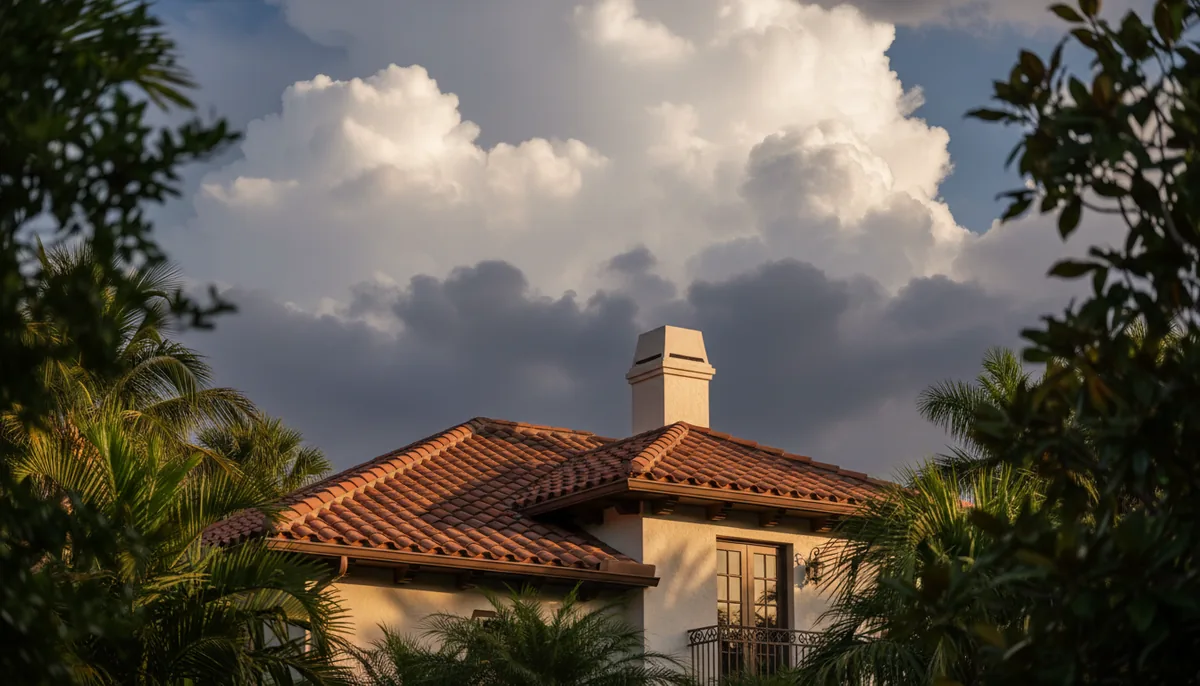
North florida metal roofing: The Florida Guide
By Marcy Doleman, Commercial roofing estimator. Reviewed by Hal Winstead, Editor, licensed roofing contractor.
Thursday afternoon in Marianna, I was on a warehouse roof that was not metal and not flat in the way I usually price. The old modified bitumen had bubbled into long soft ridges, and when I peeled one corner back to look at the deck, water came out in a slow brown stain. The owner wanted to skip tear-off and put a metal skin over the whole thing. That is how alot of metal roofing companies in Florida wind up bidding on somebody else’s hidden leak instead of an honest roof. Roofs lie. Metal just covers the lie until it can’t.
I’m Marcy Doleman. I estimate commercial flat and low-slope work: TPO, modified bitumen, coatings, warehouses, retail plazas, schools. The flat stuff keeps me busy. But North Florida metal roofing keeps sliding into my estimates, usually on a higher roof over a lobby or a mansard nobody wants to tear off. So I’ve formed opinions, and I’ve been wrong enough to keep checking.
First principle: metal is a covering, not a cure. Get the deck dry, get the slope honest, get the trim right, and a metal roof can outlast the building. Miss one of those, and it will leak just like everything else.
What North Florida metal roofing does well (and one honest catch)
When there’s enough slope, standing seam metal is one of the few commercial roof coverings that doesn’t depend on a thick layer of glued seams to stay watertight. The panels shed water the way a roof should. They also do fine in the sun. I don’t have to tell anybody in Live Oak or Lake City what August feels like on a dark membrane; metal reflects heat and takes it better, though that depends on the coating and color.
The catch: metal moves. A long panel in direct sun expands and contracts more than people expect. If it’s installed with concealed clips and slip joints, that movement is normal. If the crew tries to force it with screws and sealant, the panel will oil can, the fasteners will work loose, and the warranty will mean little. Call it the difference between a roof system and a collection of sheets.
North Florida metal roofing over an old roof: my test-cut rules
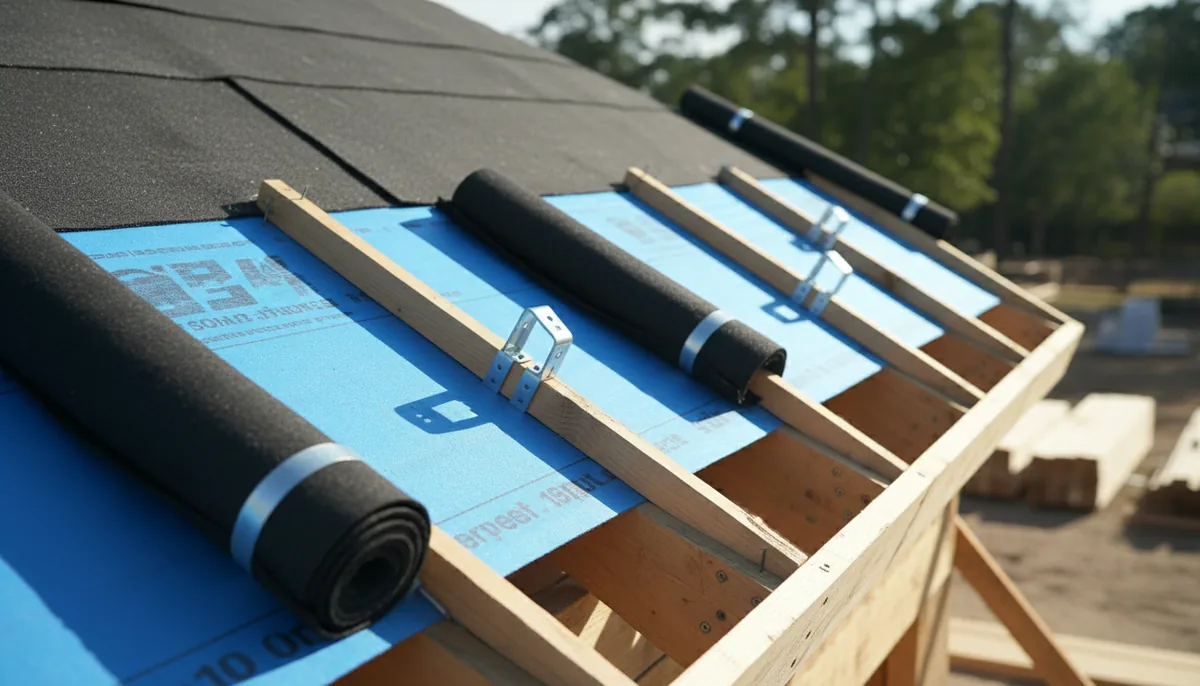
Overlay is the word everyone loves because it sounds cheaper. Sometimes it is. But old commercial roofs hide moisture really well. That warehouse in Marianna looked dry from above; my test cut found black, wet wood fiber two feet from a drain. If you put new North Florida metal roofing over a deck like that, the moisture stays trapped beneath the steel. You won’t see it until the underside of the metal starts to corrode or the deck starts to smell. Then it’s a tear-off anyway, just with more rust involved.
I cut test openings. I cut at the low spots, at drain penetrations, at places where the old membrane looked patched. If I find wet insulation, I stop and quote the fix underneath first. Then I can talk about metal. I’ve been wrong before about roofs that looked sound from the top, so I don’t trust my eyes. Test cuts are cheap compared to a callback.
What I would actually do: I treat any metal-over proposal as two seperate bids: fix whatever is under the old roof, then install the new metal. If the owner won’t let me cut test holes, I won’t give a fixed price for the metal part. A fixed price over an unknown deck is a guess with extra steps.
Who is legally allowed to install North Florida metal roofing
Any serious crew should be able to show a roofing contractor license from the Department of Business and Professional Regulation. DBPR licence prefixes CCC and RC tell you what you’re dealing with. A CCC is certified and can work anywhere in Florida. An RC is registered and can work only in the local jurisdiction that registered them. Both can be completely legitimate. Only active matters, so check the DBPR roll before you commit.
Next: no permit, no work. A roof replacement requires a permit pulled from the local building department and an inspection. A contractor who offers to skip the permit is a contractor to walk away from. A roof installed without a permit doesn’t just annoy code enforcement. It can complicate an insurance claim and a future sale. That’s the kind of savings nobody should want.
What I would actually do: I ask for the estimator’s licence prefix before I ask for their price. If they can’t say CCC or RC, or if the number doesn’t come back active, I don’t schedual a site walk. The cheapest bid in the stack is not cheap when you have to pay to fix it twice.
The 25% rule, SB 4-D, and what counts as a repair now
Contractors still argue about the 25% rule, but Florida changed it a few years back. The old story: if more than 25% of a roof got repaired or replaced in twelve months, the whole roof had to come up to code. It wasn’t impossible to work around, but it made small repairs trigger big invoices.
Then SB 4-D (2022), effective May 26, 2022, changed the trigger for roofs built, repaired, or replaced under the 2007 Florida Building Code or any later edition. For those roofs, only the portion being worked on has to meet current code. No automatic full-roof replacement.
The fine print: roofs completed before March 1, 2009 generally don’t qualify. And if you can’t document what code edition your roof was built under, the building official might still take the hard line. I’m not a lawyer, so I don’t rule on this; I ask the building department before I commit.
What I would actually do: Before I quote a repair on any older roof, I ask the owner for the last permit or the final inspection date. If nobody can prove it, I price the job with the worst-case code assumption attached as an allowance, so the invoice doesn’t turn into a fight later.
Wind mitigation inspections: the paperwork metal roofs should have behind them
After metal is up, one of the smartest things you can do is pay for a wind mitigation inspection. It documents roof covering, roof deck attachment, roof-to-wall connection, roof geometry, secondary water resistance, and opening protection. The standard form is OIR-B1-1802. Florida insurers are required to offer premium discounts for features that qualify, and a metal roof with proper fasteners and a secondary barrier can check some boxes.
Coverage varies by policy, so I won’t promise anyone a lower bill. Read your declarations page and ask your agent before you spend the money. Most wind mitigation inspections cost less than one year of the discount they can produce, so it’s often worth doing even if not every feature qualifies. Some roofs fail because the deck attachment isn’t documented, not because it isn’t there.
Questions I get asked
Can we put metal over the existing shingles or old metal?
Sometimes, but only after I’ve cut holes and confirmed the old roof is dry. If it is dry and flat enough, metal over a sound deck can save tear-off cost. If it’s not, overlay just seals the rot in. No overlay quote is honest without test cuts.
What does CCC or RC on a licence actually mean?
CCC means a certified roofing contractor who can work anywhere in Florida; RC means a registered contractor limited to the local jurisdiction that registered them. Both require an active DBPR licence, and only active counts. I’ve seen experienced crews miss this because the company name changed but the licence didn’t.
Is the 25% rule still going to force me to re-roof?
Not automatically, thanks to SB 4-D (2022), if your roof was built, repaired, or replaced under the 2007 Florida Building Code or later. The problem is proof. If the building department can’t confirm the code edition, a repair can turn into a larger job. If your roof is older than 2009, ask the building official before you commit.
Does a metal roof guarantee a lower insurance bill?
No. A metal roof can earn wind mitigation credit throught form OIR-B1-1802, but every policy prices risk differently. You need to read the policy declarations and confirm with your agent before you assume anything.
Should I get three quotes before choosing a metal contractor?
If you want a fair price, yes, but only after all three look at the same deck and the same scope. A low number against someone else’s higher scope means nothing. Ask each for the same line items, including deck repair, metal thickness, fasteners, and trim, and then compare.