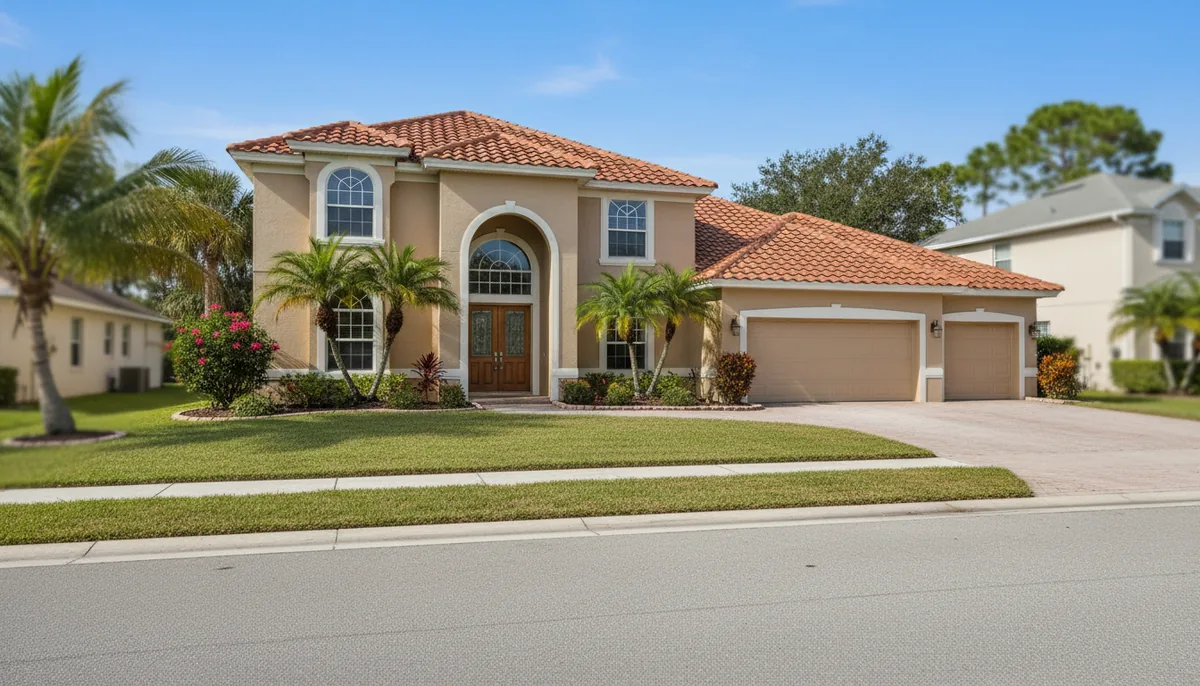
Roof preparation for hurricanes in florida: The Florida Guide
By Dale Prescott, Roofing contractor, Central Florida. Reviewed by Hal Winstead, Editor, licensed roofing contractor.
The first good look at that roof in Titusville came abotu an hour after the squall line cleared, and the patch was already peeling. A handyman had screwed a sheet of OSB over broken barrel tile; the wind had found the leading edge. The homeowner stood on the patio, arms crossed, explaining it was guaranteed. It is guaranteed in the same way that every roof is guaranteed until the next storm—or until the first truck knocks. If the storm has already found your weak spots, don't hire that truck; check the storm damage roofing companies in Florida directory before you let anyone on a ladder.
You don't have to wait for a guarantee to fail. Roof preparation for hurricanes in Florida is mostly paperwork and fasteners, in that order. I've run tile and shingle crews between Orlando and the coast for twenty-two years, and I've torn off more storm-damaged roofs than I care to count. Most let go for reasons a decent inspection would of caught in May, not September.
I'm not a lawyer or a licensed adjuster. I can't tell you what your policy covers, and neither can the guy texting you a quote before he's looked at your trusses. What I do know is roofs. Keep the wind out from underneath and the water out from above. Everything else is opinion.
Roof preparation for hurricanes in Florida means dealing with the permit first
A roof replacement in Florida requires a permit pulled from the local building department, and an inspection. I don't care who you are. An offer to skip the permit is the easiest red flag I know, because a contractor who won't let a building official see the work is asking you to carry risk he doesn't want. An unpermitted roof can complicate an insurance claim if it breaks, and it can complicate the sale of the house if a buyer's attorney finds it.
The same paperwork habit should cover the workers. Roofing contractors are licensed by the state, and the DBPR roll is public. DBPR licence prefixes CCC and RC are easy to decode. CCC means certified, good anywhere in Florida. RC means registered, good only in the local jurisdiction that issued it. Before you sign, look up the number and confirm it's active. A valid licence isn't a guarantee of good work, but it tells you somebody has a record you can find if the work goes sideways.
I had a homeowner ask me to pull a permit after the work was done, then date it backwards because the HOA wanted proof. That's not how gravity works, and it's not how permits work either. That one's free.
The old 25% rule isn't the automatic trigger it used to be
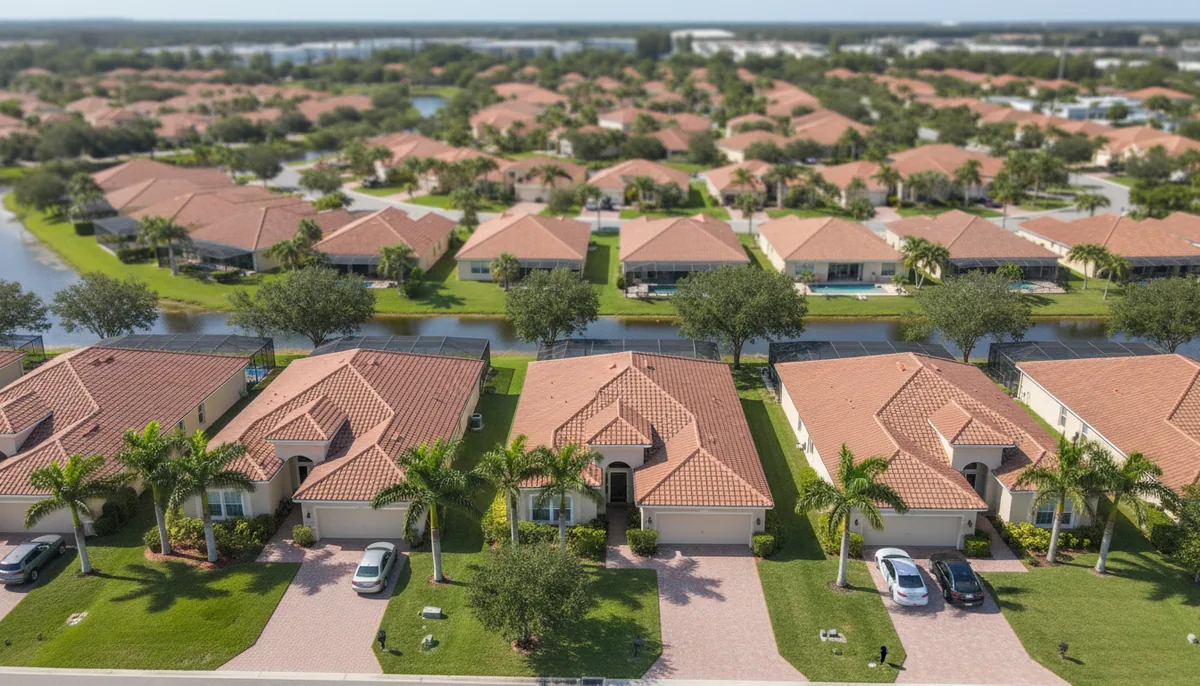
Most people in Florida have heard somebody say that if you repair more than 25% of your roof, you have to replace all of it. That was the old version, and it helped plenty of roofers sell roofs they didn't need. Then SB 4-D (2022) came along. If your roof was built, repaired or replaced under the 2007 code edition or any later edition, only the section being worked on has to meet current code. The whole roof no longer gets dragged into the job automatically. The 2007 edition took effect on 1 March 2009, so roofs completed before that date generally don't qualify.
I'm not a lawyer and I don't play one at the building department. The local inspector has the final word. I've been wrong about this before when I guessed a roof's age from the driveway; that's why the permit history matters. And a patch can still be the right fix even if the roof is young. Depends what is under there.
What I would actually do: If a roofer says a small repair has to trigger a full roof, ask him to show you the permit history and explain SB 4-D (2022) in writing. If another roofer says no repair ever triggers anything, call the building department yourself. The truth sits between the two.
A wind mitigation inspection shows what the naked eye misses
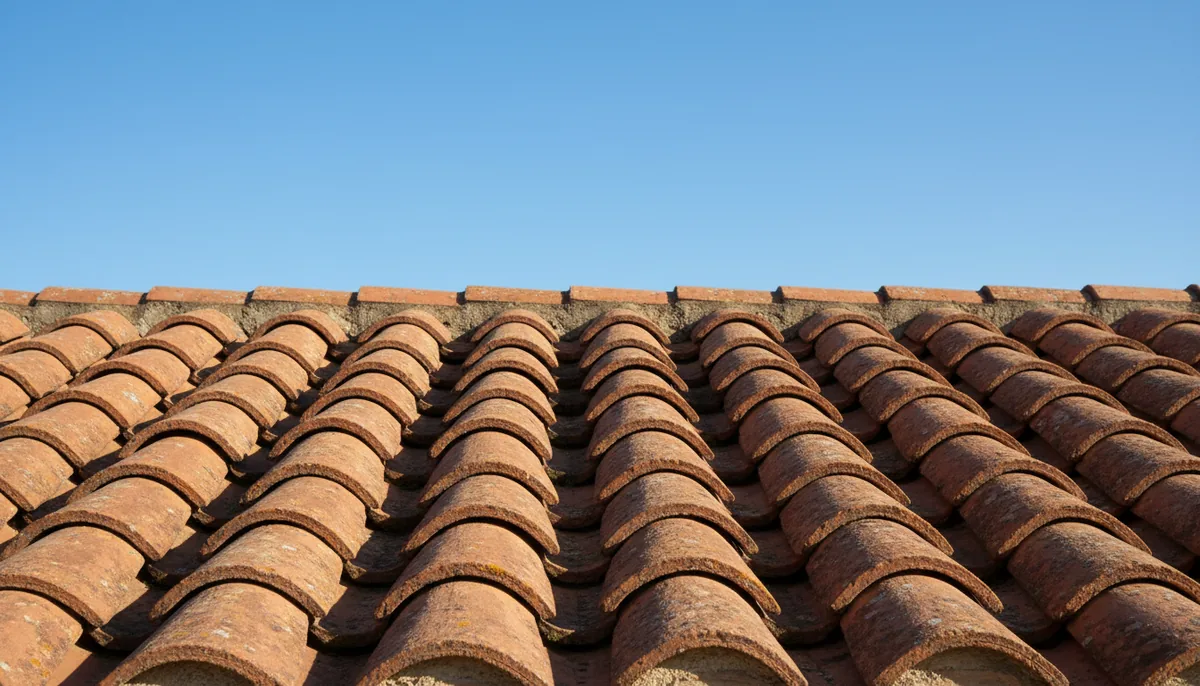
From the curb, a roof can look brand new and still be barely attached. A wind mitigation inspection exists to catch that. It documents roof covering, roof deck attachment, roof-to-wall connection, roof geometry, secondary water resistance, and opening protection. That's six different stories about how your house will behave when the wind gets under the eaves.
Florida insurers must offer premium discounts for features that qualify. What that discount looks like on your bill is between you and your policy. The standard form is form OIR-B1-1802, and it's the language the insurer uses to make that decision. A lot of paperwork arround insurance mentions Florida Statute 627.70132. If you carry coverage with Citizens Property Insurance Corporation, that form does the heavy lifting.
The inspection usually costs less than the annual premium discount it can earn you, but keep expectations honest. It doesn't pass or fail. It records. A roof with no clips, no secondary barrier, and gable ends built like a barn door will come back with no discount and a list of reasons. That list is still useful. It tells you exactly what your roof would need before the next storm.
What I would actually do: Schedual the wind mitigation inspection before hurricane season and send the report to your agent. Ask exactly what it does to your premium, then read the declarations page before assuming anything. If you're a homeowner, search My Safe Florida Home and see what is currently offered.
What I'd check myself before calling in a crew
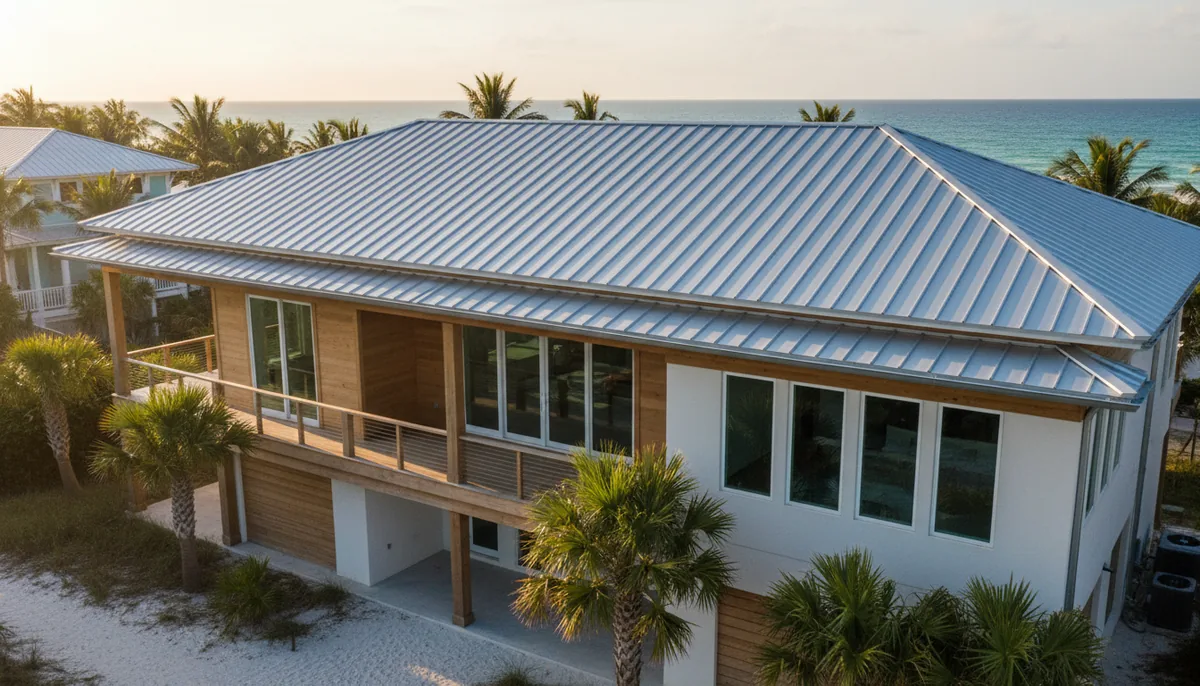
Toward the end of the dry season, I climb up myself. I look at ridge caps, flashing around chimneys, plumbing boots, loose tile, and shingle tabs that curl like potato chips. I check the valleys where the water runs hard. I'm cautious on tile. After a storm, tile can be cracked with no visible sign from the ground, and walking on it wrong causes more damage than the hurricane did.
If you're a homeowner and not used to the pitch, stay off it. Walk the outside instead. Look for ground litter, granules in the gutters, rusted nail heads, and daylight where the fascia meets the deck. Then call a licensed roofer or an inspector. Nobody minds a homeowner looking. We mind a homeowner who finds one cracked tile and calls eleven estimators for a roof that needed one tile replaced.
Questions I get asked
How much does a wind mitigation inspection cost?
Depends on the house, the pitch, and the access. I won't invent a dollar figure. What I can tell you is the inspection usually costs less than the annual premium discount it can earn, so start there and ask for the discount in writing.
If I repair a section of my roof, will the county force me to replace the whole roof?
Probably not, as long as your roof was built under the 2007 code edition or later. SB 4-D (2022) stopped the automatic whole-roof trigger for those roofs. If the roof predates that edition, the old percentage rule can still apply, and the local building official has the final word.
What does a wind mitigation inspection actually look at?
It documents the roof covering, roof deck attachment, roof-to-wall connection, roof geometry, secondary water resistance, and opening protection. Insurers use that information to decide which credits apply to your premium, so it's worth knowing before a storm, not after.
How can I check a roofer's license?
Go to the DBPR roll and make sure the licence is active. The prefix matters. DBPR licence prefixes CCC and RC tell the story: a CCC contractor is certified and may work anywhere in Florida, while an RC contractor is registered and only allowed to work in the jurisdiction that issued it.
My insurance company says the roof has to be replaced before renewal. Is that legal?
That depends on your policy and the company's underwriting rules, and I can't give legal advice. Ask them to put the reason in writing and ask which policy provision or inspection report they're using. If it's a wind mitigation issue, get the OIR-B1-1802 done before you commit to a new roof.