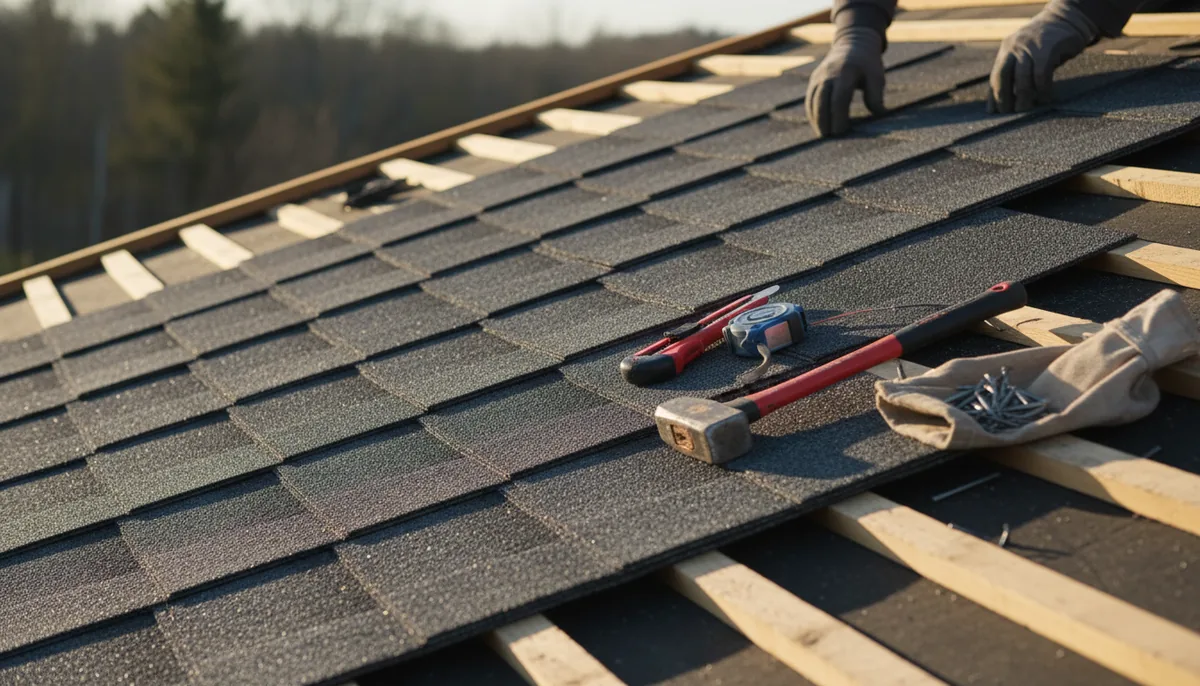
Roof repair north florida: The Florida Guide
By Marcy Doleman, Commercial roofing estimator. Reviewed by Hal Winstead, Editor, licensed roofing contractor.
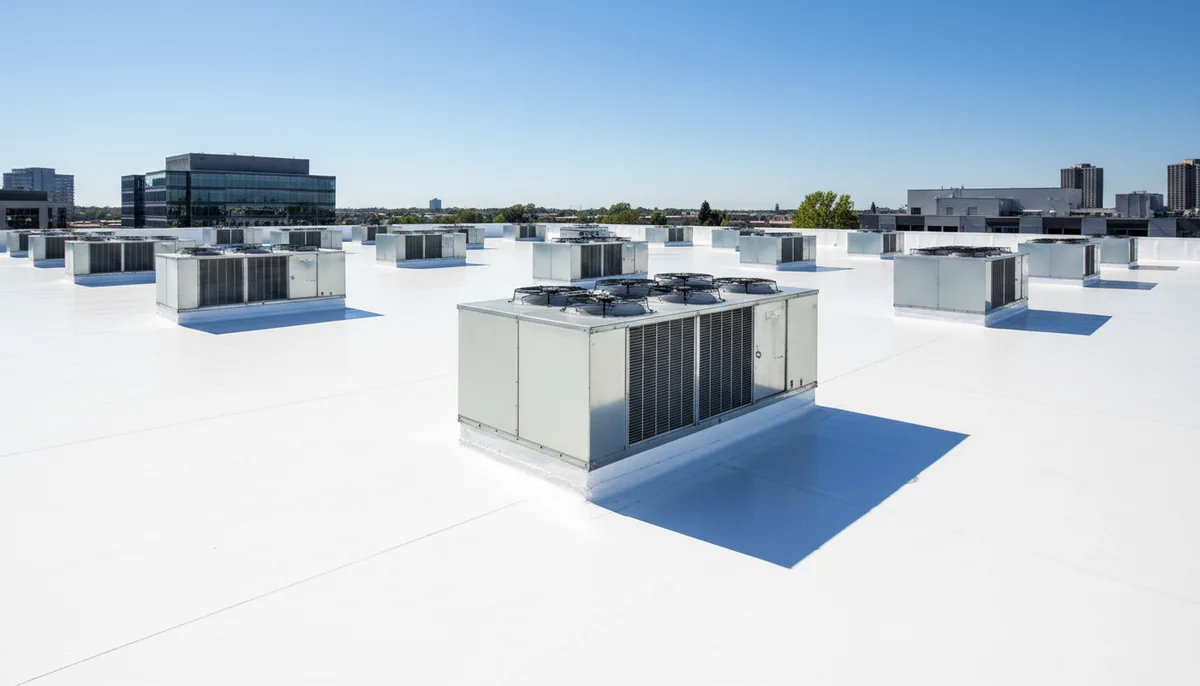
One sticky August afternoon in Pensacola, I climbed a ladder hatch onto a 12-year-old modified bitumen roof above a little strip plaza, and the black surface gave under my boots like a wet sponge. We had been sent out for one split seam near a drain. I scraped the cap sheet back and it came up in my hand—adhesive gone, next seam failed the same way. That was never a one-seam repair. It was a tear-off, and the owner had already scheduled a tenant build-out on the assumption that it wasn't. That shock is why somebody searches roof repair north florida before a storm season, and why I tell them to start with a directory of roof repair companies in Florida and then verify every name before the ladder goes up.
I'm an estimator, not a salesman. I write commercial bids for flat and low-slope roofs—warehouses, schools, retail plazas—in TPO, modified bitumen, and coatings. The first thing I tell owners is that a repair estimate is a guess with a drawing under it. Give me good access and a dry day, and I can still be wrong about what's under the membrane. Water hides. It travels sideways along a seam before it ever drips on the ceiling tile.
And one wheather gripe, because this is Florida: no roof work stays on schedule. The forecast can say clear, and by two o'clock you're watching a cumulus tower build over the Gulf, knowing the coating in pails has maybe twenty minutes. You learn to live with it. You get the primer down and pray.
Roof repair north florida starts with water, not holes
Most callers say: "Got a leak over the register." By the time I get there, the roof has ponding water around a drain, the seams are showing their age, and a tree branch has scraped a gash in the field. Which one caused it? Could be all three. On a flat roof, water sits where the roof doesn't drain, the sun cooks it into the membrane, and the membrane eventually cracks. I walk the roof and read the ponding first. A repair quote that doesn't mention drainage is only a patch in the making.
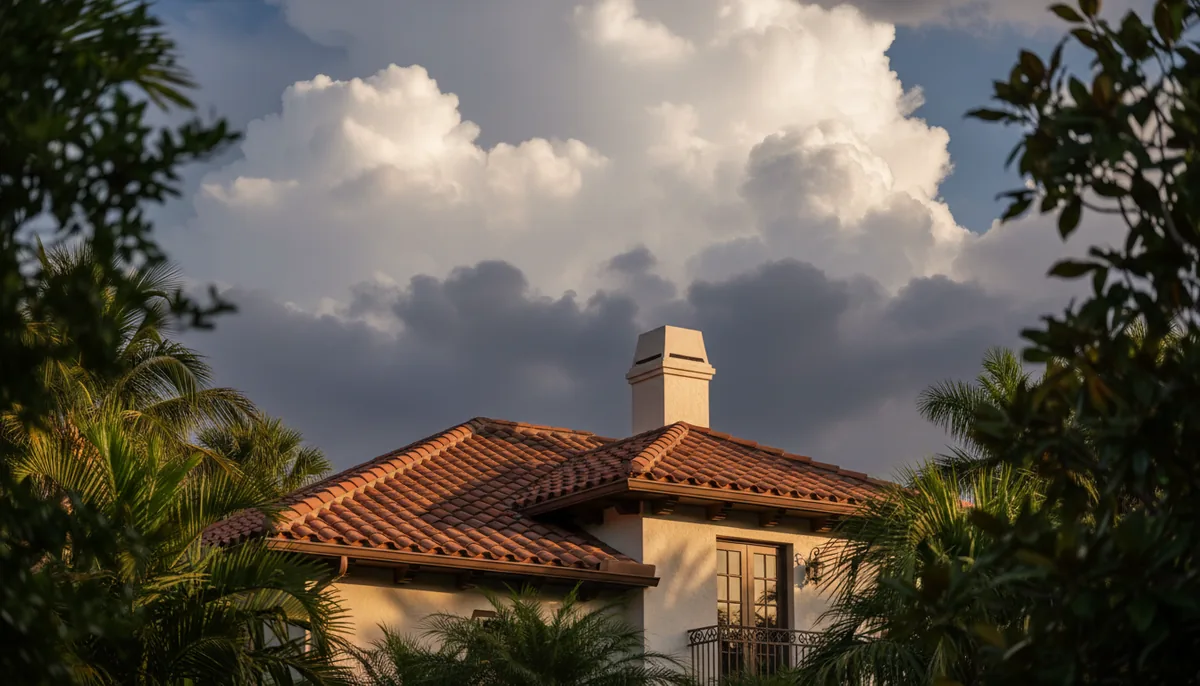
Before the estimate, do the DBPR license check yourself
Florida roofing contractors answer to the Department of Business and Professional Regulation. The DBPR licence prefixes CCC and RC are the first thing I look for. CCC means certified, so that contractor can work anywhere in Florida. RC means registered, and registered work stays in the local jurisdiction that issued it. The rest of the story is on the DBPR roll: active, inactive, or worse.
I'm not a lawyer. I'm not a licensed adjuster. I'm an estimator with a tape measure and alot of opinions. But this one is not an opinion: check the number before you sign. Anyone can talk a good roof. The DBPR roll tells you wether they're actualy allowed to work on yours.
What I would actually do: Before anyone climbs on my roof, I would check the license number on the DBPR roll and write that number into the contract. If the number doesn't match the company name, I'd stop there. I of been wrong about this before, but not when I looked first.
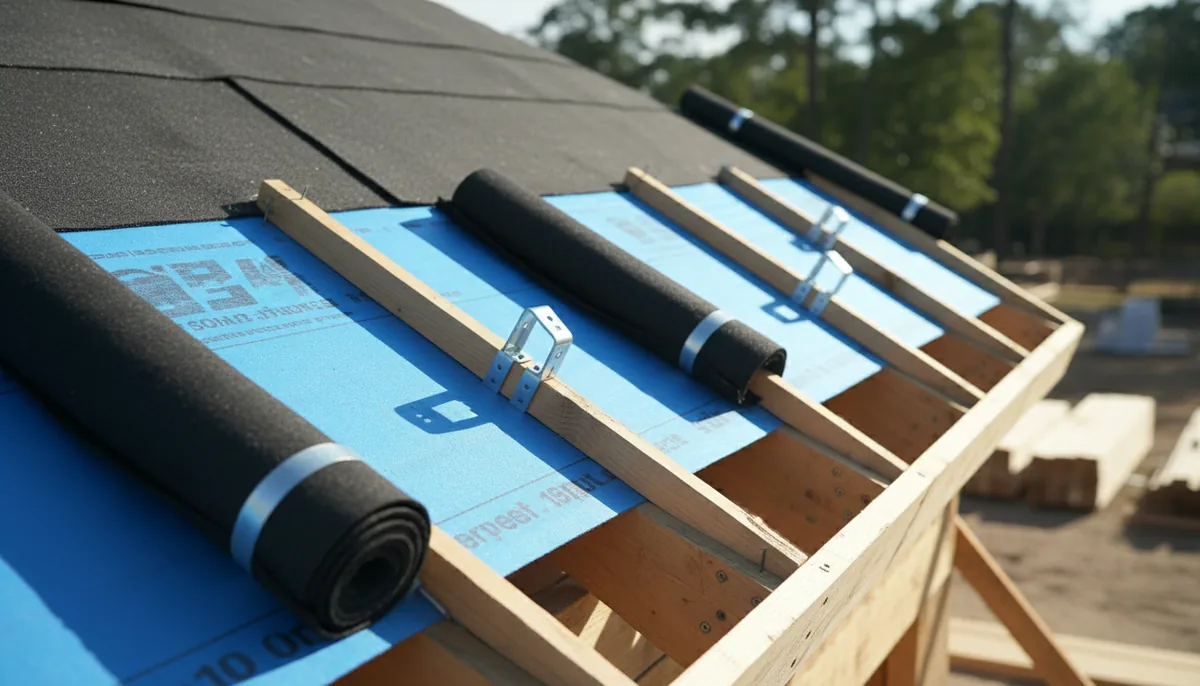
If someone offers to skip the permit, you already know the answer
A roof replacement in Florida requires a permit pulled from the local building department, and it requires an inspection. That's not a suggestion. A contractor who says they can save money by not pulling a permit is selling you a problem. Unpermitted work has a way of showing up later, and it can complicate an insurance claim or a future sale. Good roofers don't act offended when you ask about permits. They tell you who pulls it and when the inspector shows up.
What I would actually do: I would ask the contractor straight: "Who pulls the permit, and when is the inspection?" A calm, specific answer is what you want. An eye-roll is your cue to call the next name on the directory.
The old 25% full-replacement rule changed with SB 4-D (2022)
If a roofer quotes a full replacement because more than 25% of the roof is involved, stop for a second. The old rule said that repairing or replacing more than a quarter of a roof in any 12-month period meant the whole roof had to be brought up to current code. That sent a lot of decent roofs to the landfill. SB 4-D (2022) changed that for many buildings.
Here's the practical version: if the roof was built, repaired, or replaced to the 2007 Florida Building Code or any later edition, then only the portion being worked on has to meet current code. A full replacement is no longer automatically triggered just by crossing 25%. The 2007 edition took effect on 1 March 2009, so roofs completed before that date generally don't get the break. Call it the 25% rule if you need a shortcut—it's just a different conversation now.
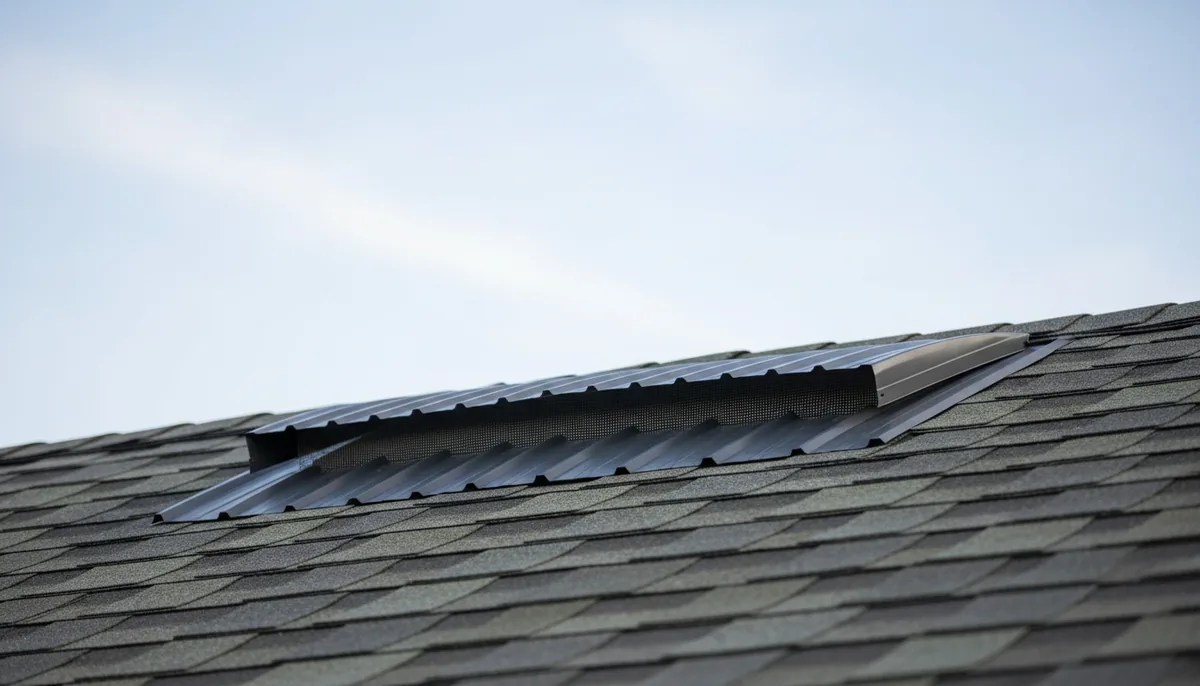
A wind mitigation inspection can change your repair math
Most owners call me after an insurance scare, not before. I'd flip that around. A wind mitigation inspection documents roof covering, roof deck attachment, roof-to-wall connection, roof geometry, secondary water resistance, and opening protection. The findings go onto form OIR-B1-1802. The inspector isn't there to sell you anything. They're there to record what already exists.
Florida Statute 627.70132 is why your insurer has to offer premium discounts for qualifying wind mitigation features. That doesn't guarantee a specific discount, because coverage varies by policy and I can't read your declarations page for you. But the inspection fee is usually small next to the annual discount it can produce. And it tells you how your roof is actually attached before you spend thousands on a repair that may not address the real weakness.
What I would actually do: If the roof still has real life left in it, I'd schedule a wind mitigation inspection this season, before