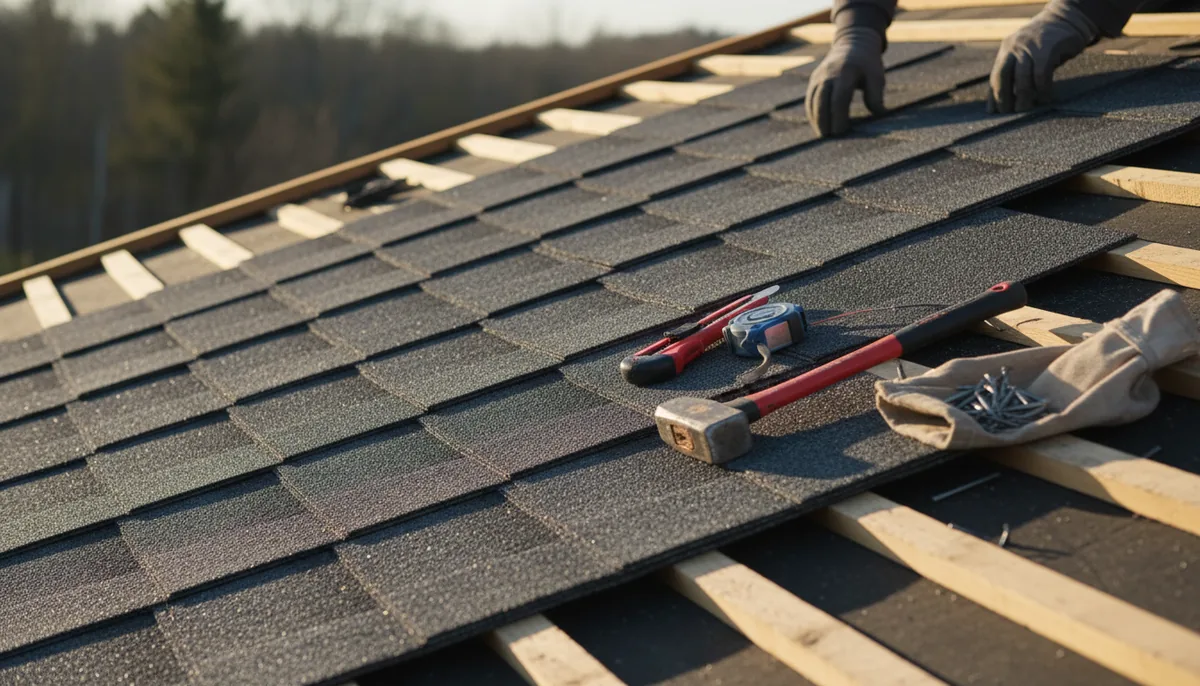
South florida commercial roof repair: The Florida Guide
By Marcy Doleman, Commercial roofing estimator. Reviewed by Hal Winstead, Editor, licensed roofing contractor.
The last time I climbed onto a flat roof over a produce distributor in Pompano Beach, the previous repair squished under my boots, it was a Tuesday afternoon in March, and that squish said more than any core sample could: somebody had mopped a patch over wet deck, and now the moisture was trapped against the structural roof. That is most of south florida commercial roof repair — not fancy membranes, not YouTube flashing, but finding where the water got in and deciding wether it's still sitting there. A directory like this one, listing commercial roofing companies in Florida, gives you a starting list of names, but having one of those names actually spend an hour walking your roof is where the real estimate begins.
The building owner stood at the bottom of the ladder that afternoon and asked if a coating would buy him a few years. A coating? Coatings stick to dry surfaces. That deck needed a long while to dry out, and he didn't have that kind of time. I told him a coating might get him through the dry season, then he'd call me in August with mold in the ceiling tiles and a bigger number. He thought I was trying to upsell him.
I've spent a good while estimating flat and low-slope commercial roofs across Florida — warehouses, schools, retail strips. And the honest truth is that a repair is a gamble, so I try to stack the deck. The wheather already has the cheat codes in Florida. You just don't want to hand it another one.
South Florida commercial roof repair starts on the roof
Every number I put in an estimate starts with the deck, not the membrane. Call it the structure under the membrane. If the deck is wet, the number climbs; if the deck is soft, that's a different conversation entirely. I poke every low spot I can find, look for ponding water stains, and ask when the last rain hit. Depends what's under there, always. A repair that looked straightforward from the parking lot can turn into a partial deck replacement once I'm on top of it.
And I've been wrong about this before. I once quoted a patch job on a roof in Fort Lauderdale, felt good about it, and the patch held — but the leak moved two feet over because I missed a fastener that had backed out. You learn to look twice before you quote.
What I would actually do: Walk every roof before I give you a number, carry a screwdriver for probing, and if something looks wet, find out why before I write a line on a contract.
Somewhere in a warehouse in Hialeah a manager told me he'd pressure-washed his modified bitumen roof to make it look new. It did look new. It also stripped the granules off the cap sheet and gave him leaks in places that had never leaked. That's the one digression I'll allow myself: please don't clean your roof with a pressure washer. Roofs aren't driveways.
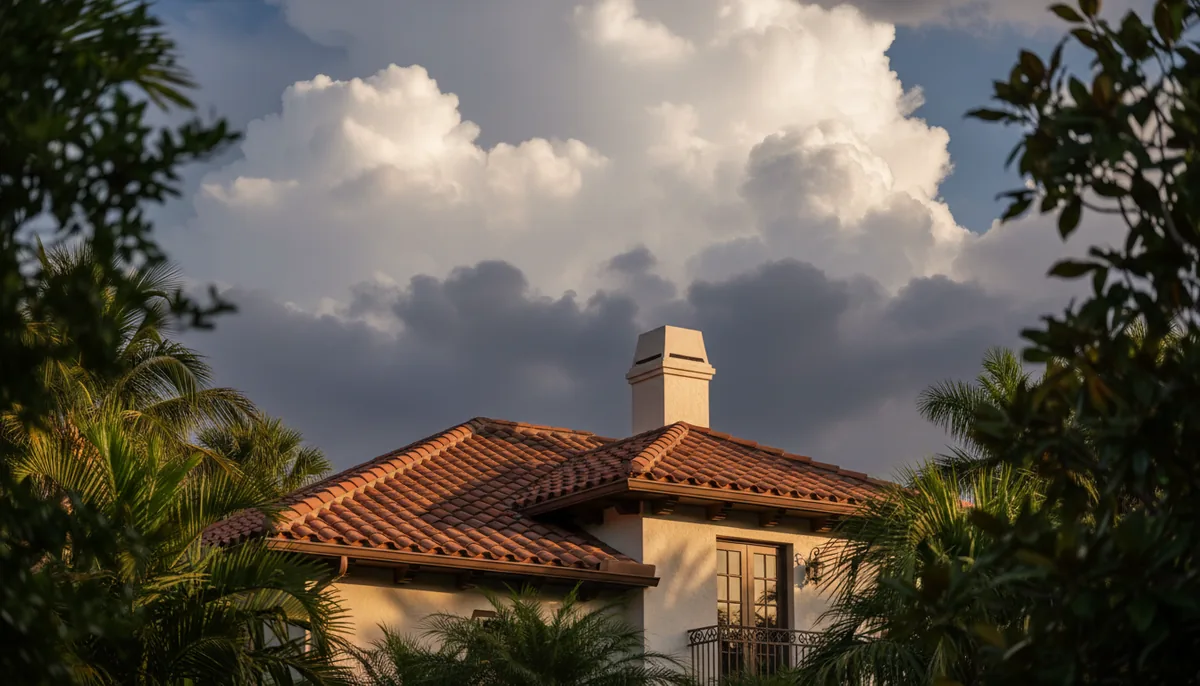
The licence and permit basics that tell you who you're dealing with
Florida roofing contractors are licensed by the Department of Business and Professional Regulation — everybody calls it DBPR — and that licence number is worth two minutes of your time. The DBPR licence prefixes CCC and RC mean different things. A certified contractor's number starts with CCC and they can work anywhere in the state. A registered contractor's number starts with RC and they can only work in the jurisdiction that issued it. Always verify the number is active before you hire. The roll is public and free; if someone can't produce a valid licence, that's a red flag flying in a stiff breeze.
Permits are just as importent. A roof replacement in Florida requires a permit from the local building department and an inspection. Any contractor who offers to skip the permit is a contractor to walk away from — an unpermitted roof can complicate an insurance claim and it can complicate a future sale. I've watched building owners learn that lesson at the closing table. Not a fun place to learn it.
What I would actually do: Check the licence against the DBPR roll myself, then ask to see the permit number for your address. No permit? No signature from me.
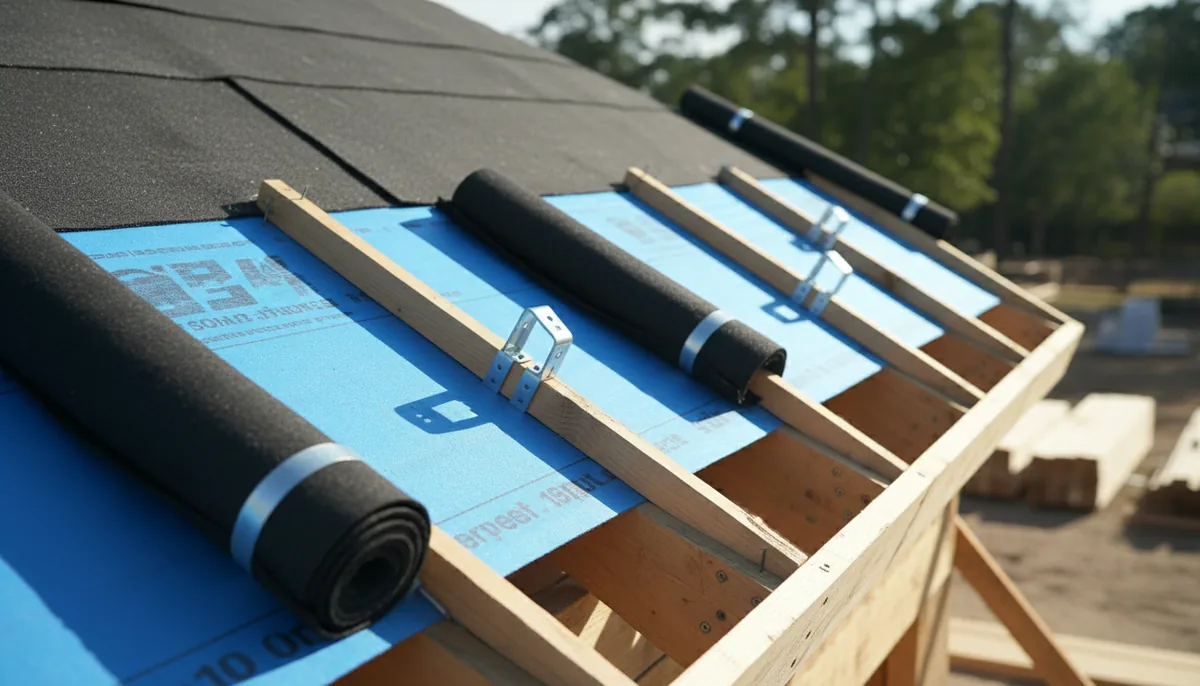
The 25% rule changed, and your repair plan should too
Old rule of thumb, call it the 25% rule: you could repair or replace up to a quarter of a roof in a twelve-month period without dragging the whole roof up to current code. Cross that line, and a full replacement got triggered. That rule came from the Florida Building Code, and for years it drove some strange decisions. Owners patched around a known bad section rather than cross that line. Patches on patches, and then somebody dragged an air conditioning unit across the roof and crushed everything.
Then SB 4-D (2022) changed the trigger. If your roof was built, repaired, or replaced under the 2007 Florida Building Code or any later edition, only the portion you're working on has to meet current code. A full replacement is no longer automatically triggered just because you crossed 25%. Buildings completed before the 2007 code took effect, around March of 2009, generally don't qualify for that break. So no — a repair doesn't automatically mean you owe a new roof. It just means you need to know which rule your roof wakes up under.
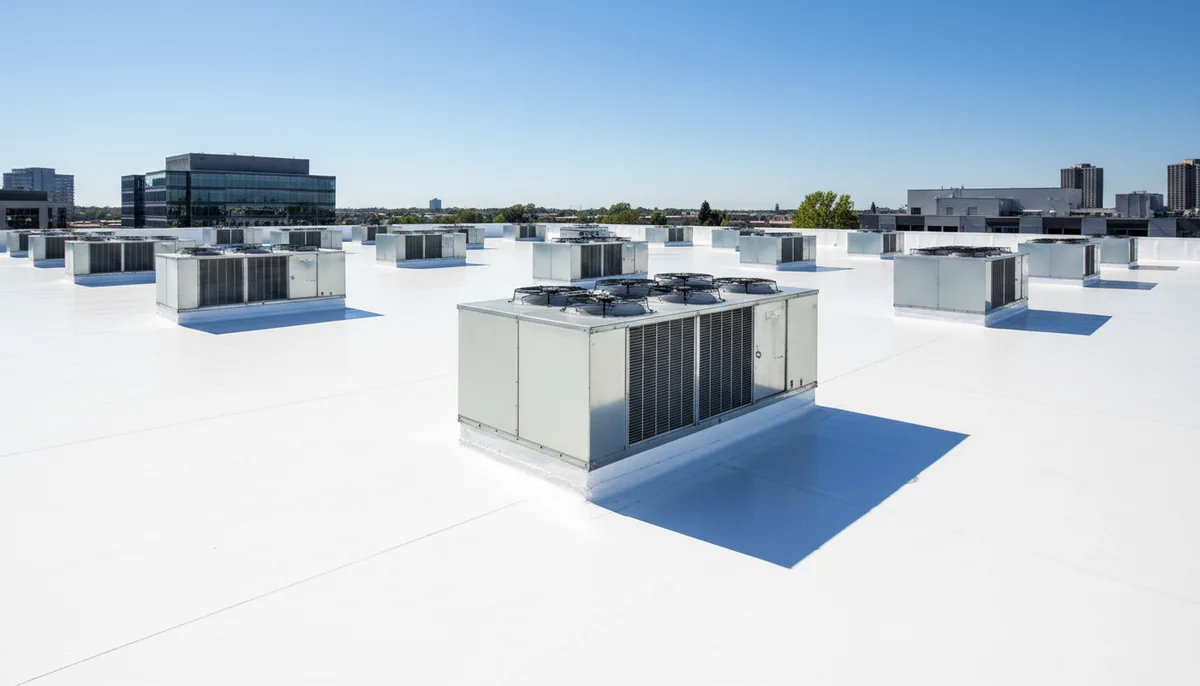
Wind mitigation inspections are part of the conversation now
After a big storm, the first question out of a building owner's mouth is usually about insurance. That's where wind mitigation inspections come in. The inspector documents the roof covering, roof deck attachment, roof-to-wall connection, roof geometry, secondary water resistance, and opening protection. Florida insurers have to offer premium discounts for qualifying features. That inspection — form OIR-B1-1802 — often pays for itself in the first year's discount. In some coastal situations the policy might sit with Citizens Property Insurance Corporation, and the same idea applies: if the roof qualifies, the discount is there.
I'm not an adjuster, and I don't sell insurance, so I never tell anyone what their policy covers. Coverage varies by policy. Read your declarations page and ask your agent directly.
Estimating a south Florida commercial roof repair so the leak doesn't come back
When I estimate a repair, I measure in squares. A square is a hundred square feet of roof, and commercial roofing is priced per square. The price depends on pitch, access, how many layers you're peeling back, and what I find under the last layer. It's not priced like flooring. It changes when I find out the warehouse is three stories up with no wall ladder and a parapet that needs a lift. Access is half the estimate. Give or take.
The membrane matters too. TPO seams are heat-welded. Modified bitumen is mopped or torched. Coatings solve specific problems. If someone quotes a "generic repair" without asking what membrane you have, they're planning to guess. You have to know whether that's TPO or modified before you patch; get it wrong, and things get exciting in the worst way.
Questions I get asked
How long does a repair estimate take?
Usually two or three days from the phone call to a written number, longer if I of to pull core samples or the weather won't cooperate. And I won't walk a roof in a thunderstorm. Neither should you. A wet, flat roof with a rumbling sky behind it isn't worth the risk.
Can't I just patch it again?
Sometimes. If the deck is dry and the membrane hasn't shrunk, one good patch can outlast the surrounding roof. But if it's blistered, brittle, or wet underneath, a patch is just a delay. I'll give you the patch price and the replacement price in the same email. That's not a sales trick. That's clarity.
Does any repair in Florida require a whole new roof?
Not anymore. If your roof meets the 2007 Florida Building Code or newer, SB 4-D (2022) says only the repaired portion needs to meet current code. Older roofs can still get pulled into a full replacement by the 25% rule. Your local building department gets the final word, and usually you can get an answer over the phone.
What is a wind mitigation inspection, and do I need one?
It's an inspection of six features — roof covering, deck attachment, roof-to-wall connection, geometry, secondary water resistance, and opening protection. Florida insurers must offer premium discounts for qualifying features, so if you're getting a new commercial roof, ask about it. The standard form is OIR-B1-1802, and any roofing contractor or inspector can pull one up.
Will my insurance pay for the repair?
That depends on your specific policy, and I won't pretend otherwise. Look at your declarations page, ask your adjuster, and show them the permit and inspection records from the last roof job. An unpermitted roof makes everything harder. A documented roof makes the conversation short.