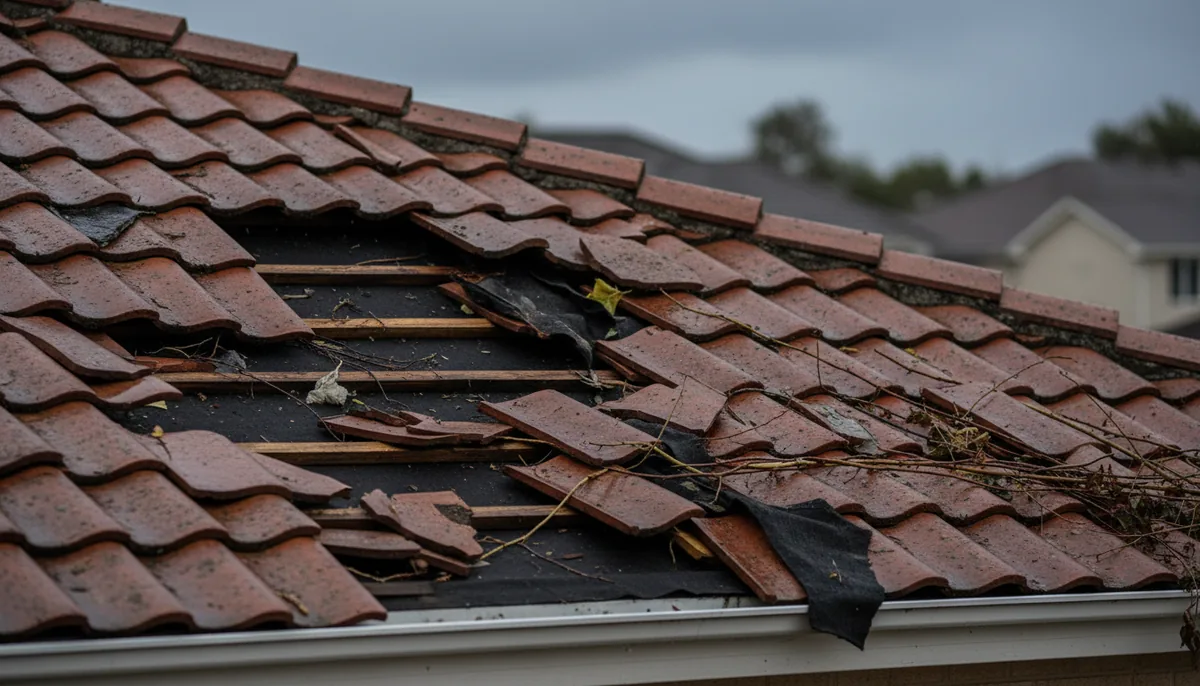
Storm damage roof repair central Florida — How Bad Is It, Really?
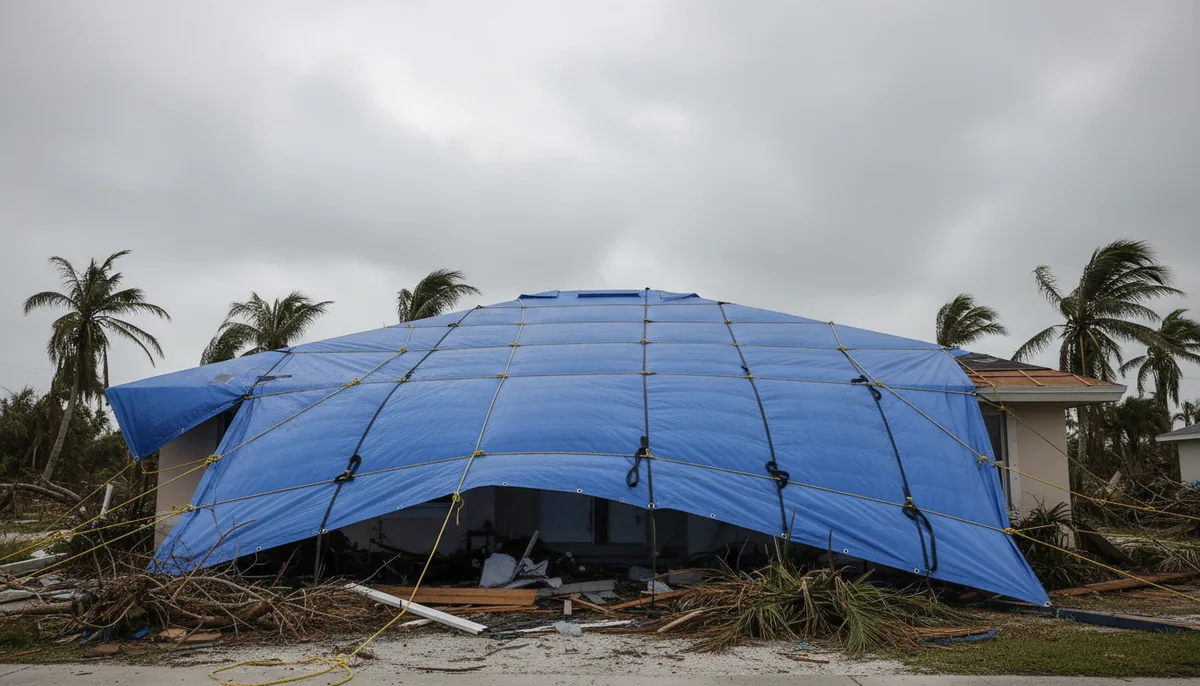
By Dale Prescott, Roofing contractor, Central Florida. Reviewed by Hal Winstead, Editor, licensed roofing contractor. I was standing on a tile roof in Lake Mary last June, three days after a cell rolled through and peeled back a whole ridge like a sardine can lid. The homeowner was downstairs yelling up at me that the insurance adjuster had already "looked at it from the street" and declared it fine. From the street. I pulled a nail pop out of the valley with my bare fingers and held it up so the sun hit it. That was the moment I remembered why I keep a spare pair of gloves in the truck and a list of storm damage roofing companies in Florida for people who need a second set of eyes.
Twenty-two years running tile and shingle crews between Orlando and the coast will teach you a few things. The biggest one? Storm damage is rarely what it looks like from the ground. And the second biggest one? Florida has a rule about roof repairs that has probably cost more homeowners their insurance coverage than the storms themselves ever did.
Let me tell you about that rule, and about what actually happens when I show up to give a roof a real once-over. Because there's alot of noise out there about what you "have to do" and what you "can get away with," and most of it is wrong in ways that can cost you twenty grand or more.
The 25% rule isn't what it used to be
You've heard about the 25% rule, right? If more than 25% of a roof is damaged, the whole thing has to be brought up to current code? That was the old law, and it never worked the way people thought it did. The Florida Building Code said if you repaired or replaced more than a quarter of your roof in any twelve-month period, you had to bring the entire roof up to current code standards. That means new underlayment. New flashings. New everything.
Then SB 4-D (2022) came along and changed the game. Now, if your roof was built, repaired, or replaced under the 2007 Florida Building Code or any later edition, only the section you're actually working on has to meet current code. That's a big deal. The 2007 code took effect on March 1, 2009. So if your roof went on before that date, you're still under the old rules. If it went on after, you can often repair just the damaged section without triggering a full replacement.
I of been wrong about this before, and I'll say it straight: the date of the existing roof matters more than the extent of the damage. I had a client in Deltona whose roof was from 2006. Lost maybe thirty percent of it to a microburst. Under the old rule, she was looking at a full tear-off. Nothing I could do about it. The code is the code.
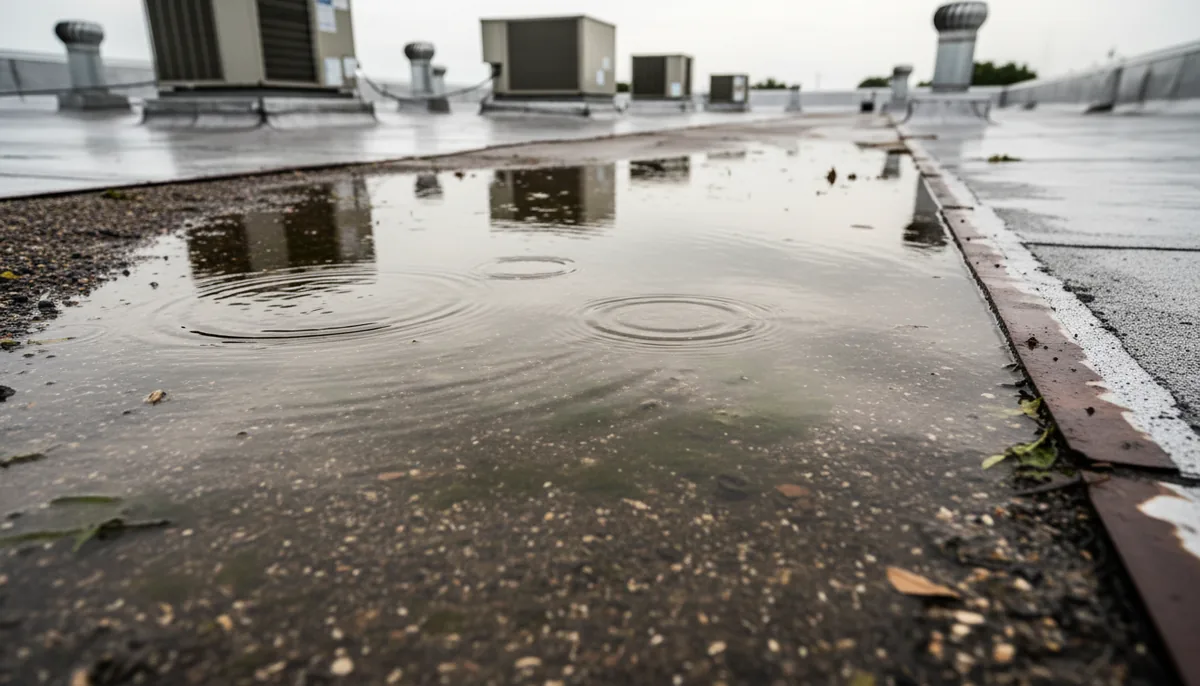
What I actually check when I get on your roof
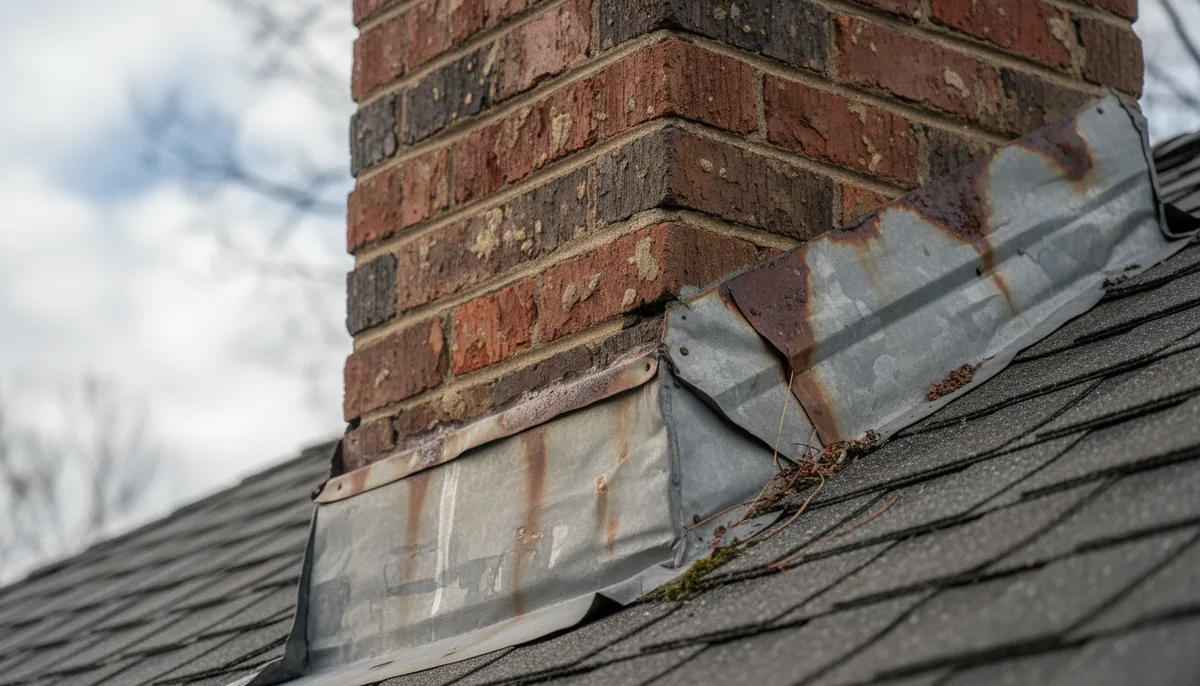
I don't care what the satellite photos say. I don't care what the guy on TV with the drone says. I get on the roof, and I look at the same five things every time: the flashing around the pipe boots, the valleys where water runs hardest, the ridge caps, the field tiles or shingles themselves, and the decking underneath if I can get a peek from the attic.
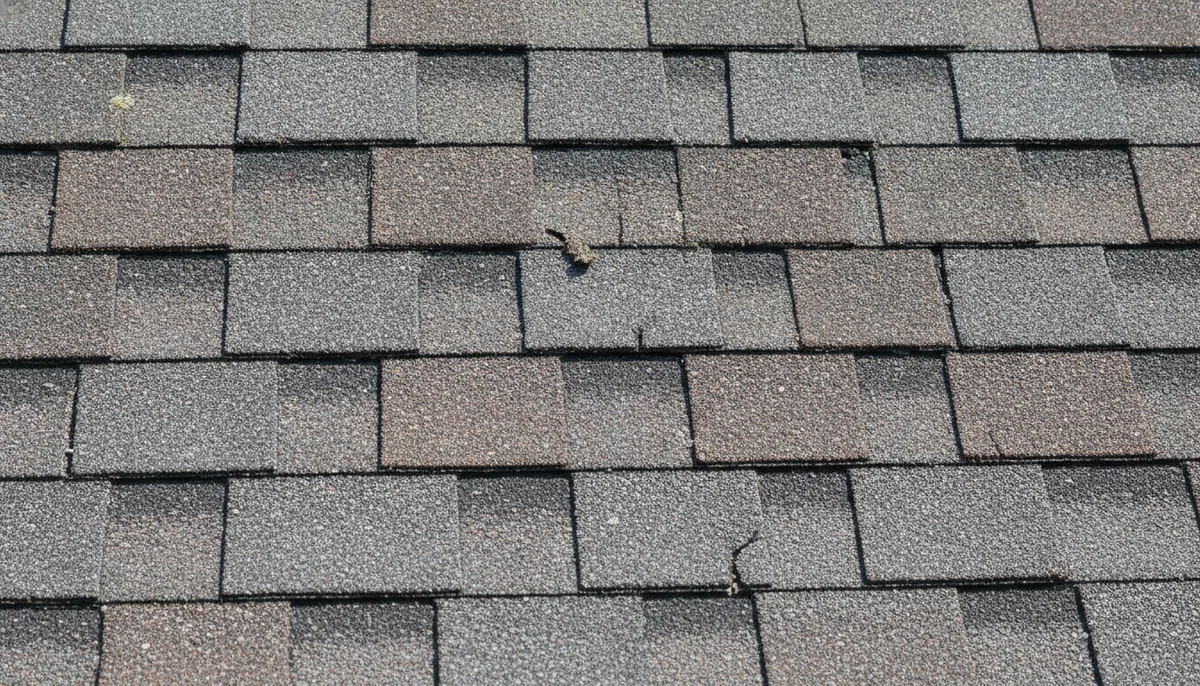
I'm looking for hail strikes that bruise the shingle without breaking the granule surface. I'm looking for wind lift that's pulled the nails partway up, blistering the shingle around the nail head. That's the sneaky one. The roof looks fine from the ground, but the nails have pulled loose and the next tropical storm is going to peel it like wallpaper. And I'm looking for the kind of damage that doesn't show up on a roof at all—water staining on the rafters, soft spots in the decking, mold creeping up the underside of the plywood.
You want the truth? Most of the time, the damage is concentrated right where the roof changes pitch or direction. That's where the wind tears things up. That's where the flashing was done poorly in the first place. And that's where I spend most of my time when I'm up there, not standing on the ridge taking photos for Instagram.
Check the license before you check the roof
Here's something that should be obvious but apparently isn't: Florida roofing contractors are licensed by the Department of Business and Professional Regulation. DBPR. A certified contractor has a license that starts with CCC and can work anywhere in the state. A registered contractor has a license that starts with RC and can only work in the county that issued it. If someone shows up at your door with an RC license and offers to work in the next county over, that's not a small technicality. That's someone who is working outside their legal authority.
I always tell people to go to the DBPR roll and verify the number is active before letting anyone up on their roof. The directory verifies these things, but you should check for yourself, too. It takes two minutes. It's free. And it saves you from being the person who paid a "contractor" forty grand for a roof that has no permit and no inspection behind it.
Which brings me to the permit question. A roof replacement in Florida requires a permit from your local building department and an inspection. Every time. I don't care if you're in Orlando, Sanford, Deltona, or out in the unincorporated parts of Seminole County where the building department seems to be a guy in a truck. If a contractor offers to skip the permit to save you money, walk away. An unpermitted roof can haunt you on an insurance claim and on a future home sale. I've seen both happen. It's not pretty.
What I would actually do: Before I even called a contractor, I'd pull my old insurance photos and figure out when my roof was installed. If it's pre-2009, the old 25% rule might still bite me. If it's newer, SB 4-D (2022) probably means I only fix the damaged section.
The insurance deadline that will get you
This is the one nobody talks about, and it scares me more than any storm. Under Florida Statute 627.70132, as amended in 2022, you have to give your insurer notice of an initial or reopened claim within one year of the date of loss. Supplemental claims—those are the ones where you find damage later that should have been included—have an eighteen-month window. It used to be three years for both. They cut it down, and here's the kicker: the clock starts running from the date the damage happened, not the date you discovered it.
Say a storm hits your roof in August. You don't notice the leak until January. You file a claim in February. Under the old law, you'd have been fine. Under the current law, you might already be past the deadline. The insurer doesn't have to pay even if the loss is clearly covered. That's the law, and I'm not a lawyer, but I've seen it happen to too many people.
What I would actually do: If I thought my roof had taken damage in a storm, I'd call my insurance agent the week of the storm, not the month after. And I'd read my policy's declarations page to see what my deductible and coverage limits actually are, because they vary from policy to policy and I don't want to guess.
When the damage isn't really damage
Let me tell you about a customer in Casselberry who called me out because "the roof was leaking." Got up there, and the "leak" was condensation from a bathroom fan vent that was dumping moist air directly into the attic instead of outside. No roof damage at all. Another one in Sanford thought his tile roof was ruined because a few tiles had slipped. The tile wasn't broken—the clips underneath had rusted out. We replaced the clips for a few hundred dollars instead of a new roof.
I'm not saying you shouldn't file a claim when you have real damage. I'm saying you should know what real damage looks like before you go down that road. A roofer can tell you that. So can an independent adjuster if you hire one. But the insurance company's adjuster works for the insurance company, and I don't care how nice they seem on the phone, that's who they're looking out for.
And one more thing while I'm on my soapbox: if your roof is older than fifteen years and a storm comes through, don't be surprised if your claim gets complicated. Insurance companies have been writing policies with age restrictions and windstorm exclusions that make the old days look generous. I saw a homeowner in Winter Springs get denied on a claim because his roof was twenty-two years old and his policy had a provision about roof age that he'd never read. He hadn't read his policy at all, honestley. People don't. They just pay the bill and hope.
My Safe Florida Home might help
If you own a home in Florida, you've probably heard of the My Safe Florida Home program. It's a state-run initiative that offers free wind mitigation inspections and, in some cases, matching grants for things like roof-to-wall connections and opening protection. The funding has come and gone over the years depending on what the legislature does, but it's worth checking wether it's currently active. A wind mitigation inspection can also earn you a discount on your insurance premium if your roof is in good shape. That's not a guarantee—coverage and discounts vary by policy and insurer—but it's worth looking into.
Questions I get asked
How do I know if my roof damage is bad enough to file a claim?
Look for actual signs of damage first: missing shingles or tiles, granule loss in the gutters, leaks, or light coming through the attic. If you can't see anything from the ground and you don't have a leak, you might not have a claim at all. If you do see something, call a roofer for an assessment before you call your insurance company, so you know what you're dealing with.
Is a full roof replacement automatically required if I have storm damage?
Not anymore, for many roofs. If your roof was installed to the 2007 Florida Building Code or a later edition—that means it went on after March 1, 2009—only the part being worked on needs to meet current code. If your roof is older than that, the old 25% rule might still apply. The extent of the damage and the age of the roof both matter.
What does a roof replacement cost?
It depends on the size of the roof, the pitch, the material, and how easy it is to access. My crew prices per square, which is a unit of area that covers one hundred square feet. A steep roof with difficult access costs more than a simple ranch-style roof in a wide-open yard. You need three quotes minimum, and you should run from anyone who gives you a number over the phone without seeing the roof.
Will my insurance company drop me if I file a claim?
Filing a claim doesn't automatically get you dropped, but the opposite isn't true either. Florida has had property insurance companies go insolvent, and others have gotten pickier about who they renew. I can't tell you what your specific policy will do. Read your paperwork and ask your agent about your specific situation before you file.
Can I claim my deductible back as a repair cost for other things?
Absolutely not, and the people who offer to "waive your deductible" or "cover it for you" are doing something that can get both of you in serious trouble. Your deductible is yours to pay. If a contractor offers to handle the claim for you and keep the deductible out of it, run.
How long does a roof replacement actually take?
A typical asphalt shingle roof on a single-family home takes two to three days with a good crew. Tile can take longer, depending on what's under there. If there's decking to replace or the wheather turns, it can stretch into a week or more. Anyone who tells you they'll do it in one day is either lying or planning to cut corners you won't see until it's too late.
I've torn off more storm-damaged roofs than I care to count, and the one thing I keep telling people is this: the roof over your head is the only thing standing between your family and the Florida sky. You don't want to find out the hard way whether yours was put on right. And if it wasn't? You want to find that out before the next storm, not after.