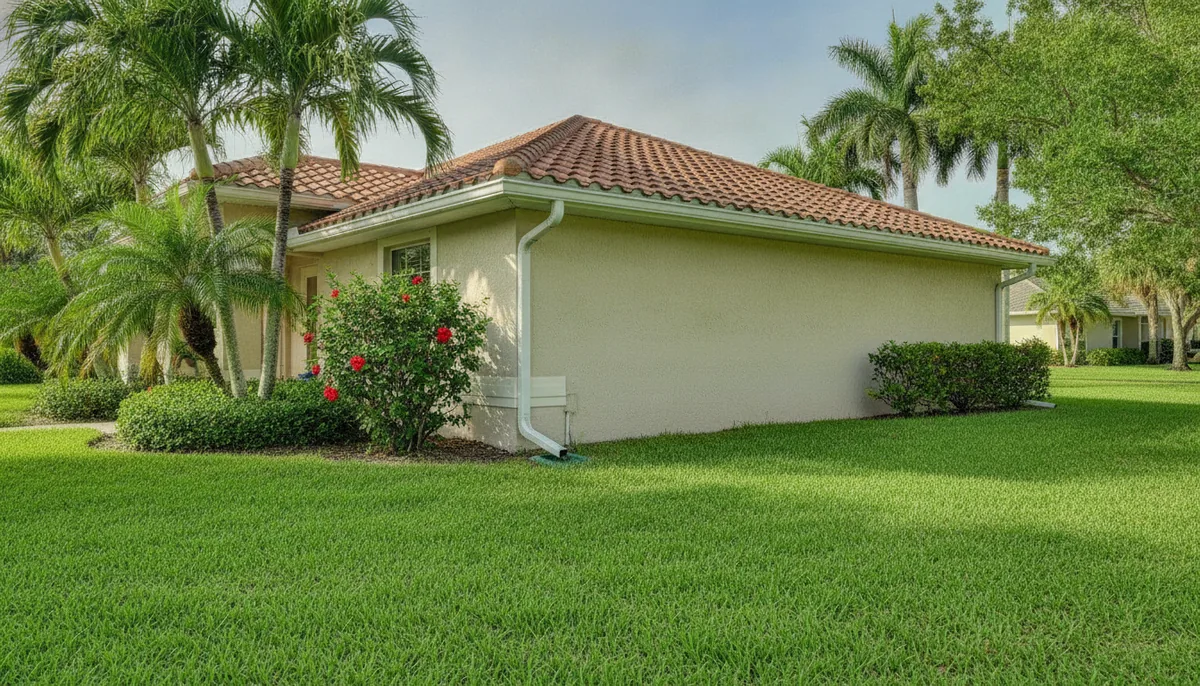
Tpo roof maintenance florida
By Shelly Marchetti, Florida homeowner advocate. Reviewed by Hal Winstead, Editor, licensed roofing contractor.
One sticky August afternoon in Cape Coral, I climbed onto a TPO roof that looked fine from the street. Fine from the street was a lie. The drain screen had popped off, the scuppers were choked with oak leaves, and a seam near the AC pad had lifted maybe half an inch. The homeowner had a maintainance contract and a folder full of paid invoices, but nobody had actually been up there since storm season started. That’s why I keep the running list of flat roofing companies in Florida close — because a TPO roof is not a set-and-forget roof.
TPO is the white rubber-ish membrane on warehouses and strip malls and a growing number of Florida houses with flat sections. It handles heat better than alot of other single-ply systems, and it costs less, but it’s still a big plastic sheet. It’s held down along the edges and around every penetration. The sheet is only as good as the seams, the flashings, and the drainage around it. When that system fails, it doesn’t drip from one neat hole. Water slides along the cover board and shows up in a ceiling you would never guess.
So let’s get specific. TPO roof maintenance in Florida isn’t a luxury add-on. It’s what keeps a ninety-degree afternoon from turning into a September leak.
TPO roof maintenance Florida: the short plain-English version
TPO roof maintenance Florida boils down to three words: seams, drains, flashings. The membrane itself does most of it's job quietly, but where it stops — at a wall, a pipe, a corner — is where the roof will eventually try to let go. Look at the places where something changes. Check the rubber around the AC lineset, the termination bar up the wall, and the collar around every pipe boot. I don’t care if the field of the roof looks white and pretty. That’s like judging a car by its hood.
Call it once in the spring and once after the leaves fall. In Florida the leaves don’t exactly turn, but they do drop. You get the rhythm.
The seam is the first thing I check
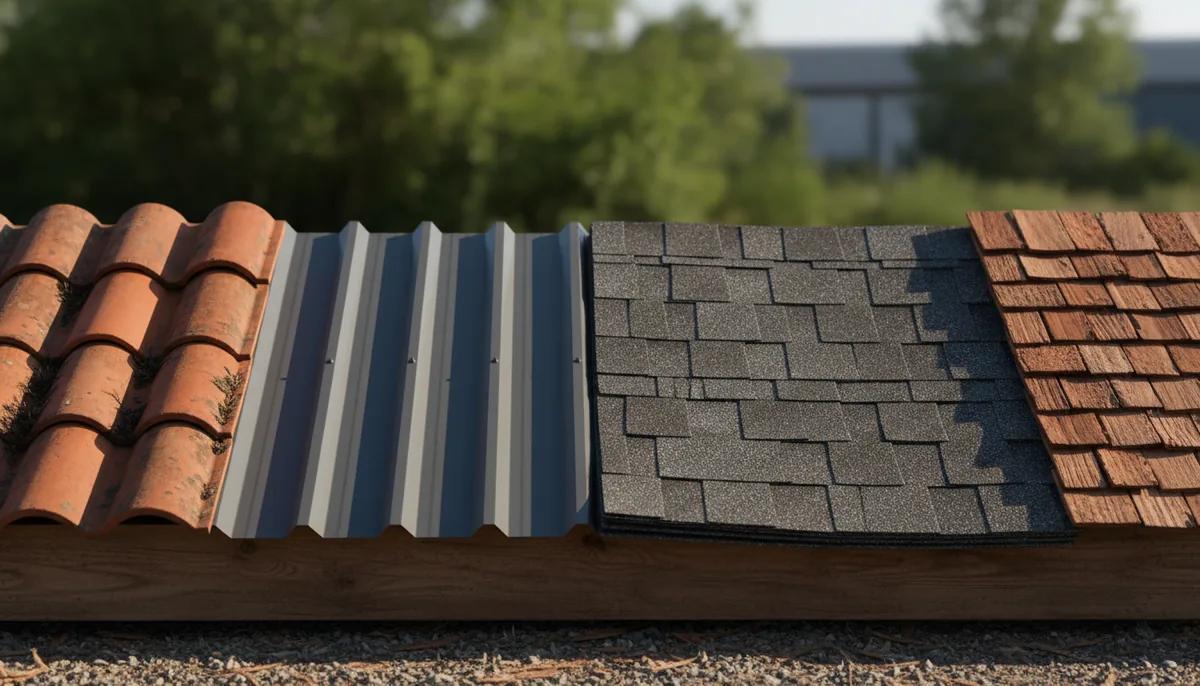
TPO comes in rolls, so every roof has heat-welded overlap seams. A good seam looks like a flat seam in a pair of trousers. A bad seam has fishmouths, shiny skips, or an edge you can lift with a fingernail. The Florida sun bakes one side during the day; a thunderstorm cools everything at night. That cycle makes seams work loose, especially around roof curbs and AC pads.
Here’s what I’ve learned: every blow-up in my office starts with a picture of a ceiling stain and a roofer saying “must be the roof.” Sometimes it is. Sometimes it’s the AC condensate line or an old skylight curb. I have been wrong about this before, so now I trace water paths instead of guessing.
What I would actually do: Keep a photo log of every seam once a season and after anything with a name. If you can lift a seam edge with a fingernail, that’s a repair, not a maintenance item. Call a roofer before rain gets under it.
Ponding water and roof drains: three hours a year
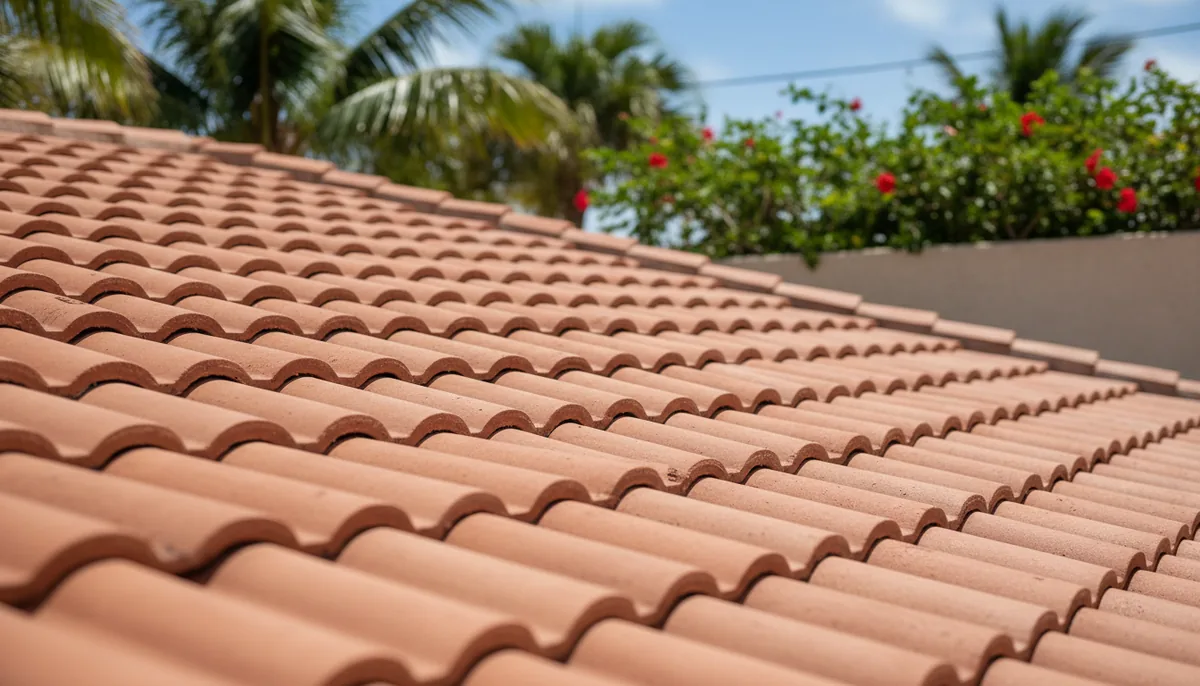
Flat roofs aren’t flat. They slope, just not much. When water stays in puddles for more than a day or two, you’ve got ponding. That water gets heavy, bakes in the sun, grows algae, and makes every little seam work harder. It also hides where the drainage should be.
You’d be amazed what can clog a drain screen in Florida: pine needles, oak leaves, a dessicated frog, sometimes a tennis ball from the kid next door. Here’s the digression I always make with customers: people buy a four-hundred-dollar grill cover but never spend ten minutes clearing the roof drain. Then they’re shocked when the ceiling stains. I am not a roofer, but I have never once seen a leak caused by too clean a drain.
Clear the strainer, scupper, and the little gap at the wall. If water is still sitting 48 hours after the rain stops, measure it. Call a roofer, not a handyman. Ponding water depends on what is under the membrane, and the fix may be as simple as a new drain or as big as tapered insulation.
What I would actually do: After a heavy rain, when it is safe to get up there, snap photos of any puddle that’s still there. Date-stamped photos help you, and they help the roofer see water movement instead of guessing.
The contractor question: license, permit, then bid
You can do some TPO roof maintenance in Florida as the homeowner, but once it turns into a repair, you need someone with an active roofing license. The Department of Business and Professional Regulation (DBPR) does not set those rules just to annoy you. It sets them because emergency roof repairs are expensive, and you want someone who can be held accountable.
Ask for the license number. Look at the prefix, because the DBPR licence prefixes CCC and RC are the first thing I check. CCC means certified, and a certified contractor can work anywhere in the state. RC means registered, and that contractor can work only in the local jurisdiction that issued the license. If the number starts with RC and the truck is from somewhere else, that’s a red flag.
Then ask about permits. In Florida, a roof replacement requires a permit and an inspection. Nobody gets to skip that. If a contractor offers to save you the headache by pulling no permit, that’s not a headache saved — that’s a problem handed to the next homeowner. An unpermitted roof can complicate both an insurance claim and a future sale. Walk away.
Wind mitigation: the report that can pay for itself
A flat TPO roof gets judged by more than its color. Insurers want to know how the membrane is fastened, what’s underneath, and how the roof meets the walls. The document that records all of that is the wind mitigation inspection form, OIR-B1-1802. It documents roof covering, roof deck attachment, roof-to-wall connection, roof geometry, secondary water resistance and opening protection.
Florida insurers must offer premium discounts for qualifying features. The inspection usually costs far less than the annual discount it can earn. Wether your TPO roof qualifies depends on the installation, not on the salesman. Ask your agent to run the form through underwriting before you pay, and do it before hurricane season, not after.
If your policy is through Citizens Property Insurance Corporation or anyone else, the same rule applies: read your declarations page. I won’t tell you what a policy covers because I don’t know. Coverage varies by policy. If a denial letter shows up, read it twice before you call anyone.
And if you’re looking at retrofits, ask about My Safe Florida Home. I can’t promise you’ll qualify; the rules change with every budget cycle. Ask what’s available before you spend your own money.
Questions I get asked
How often do I need TPO roof maintenance in Florida?
Twice a year is the rhythm I recomend, plus one more check after any named storm. A spring check gets all the winter junk out of the drains; a fall check catches whatever the summer left behind. If the roof is new and under warranty, ask the warranty department what it requires, and keep a photo log.
Can I walk on my TPO roof to take a look?
You can walk on a TPO roof on a dry day, but the best time is early morning, before the membrane softens. Stay away from roof edges, skylights, and anything that looks blistered. When in doubt, send a roofer.
I saw a contractor with an RC number. Is that a dealbreaker?
RC means registered, not unlicensed, but it only covers work inside the jurisdiction that issued it. A registered contractor with an RC number cannot legally work outside that jurisdiction. If they tell you otherwise, that’s the dealbreaker.
My adjuster said TPO roofs don’t get wind mitigation discounts. Is that true?
A TPO roof can qualify if the deck attachment and secondary water resistance are documented on the form OIR-B1-1802. Florida insurers must offer premium discounts for qualifying features, so the question is whether your specific roof qualifies. Ask your agent to run your actual form through underwriting.
What should I do if a roofer refuses to pull a permit?
Walk away. In Florida, a roof replacement requires a permit and an inspection. A contractor who tells you to skip that is already making decisions you should be making with the local building department. An unpermitted roof can complicate both an insurance claim and a future sale.
What if my roof is leaking and my insurance claim is denied?
Read the denial letter first, then read your declarations page. I am not a lawyer or an adjuster, and coverage varies by policy, so I can’t tell you what yours means. Ask for the specific reason in writing, and if it points to a roof condition, get a licensed roofer’s documentation before you appeal.