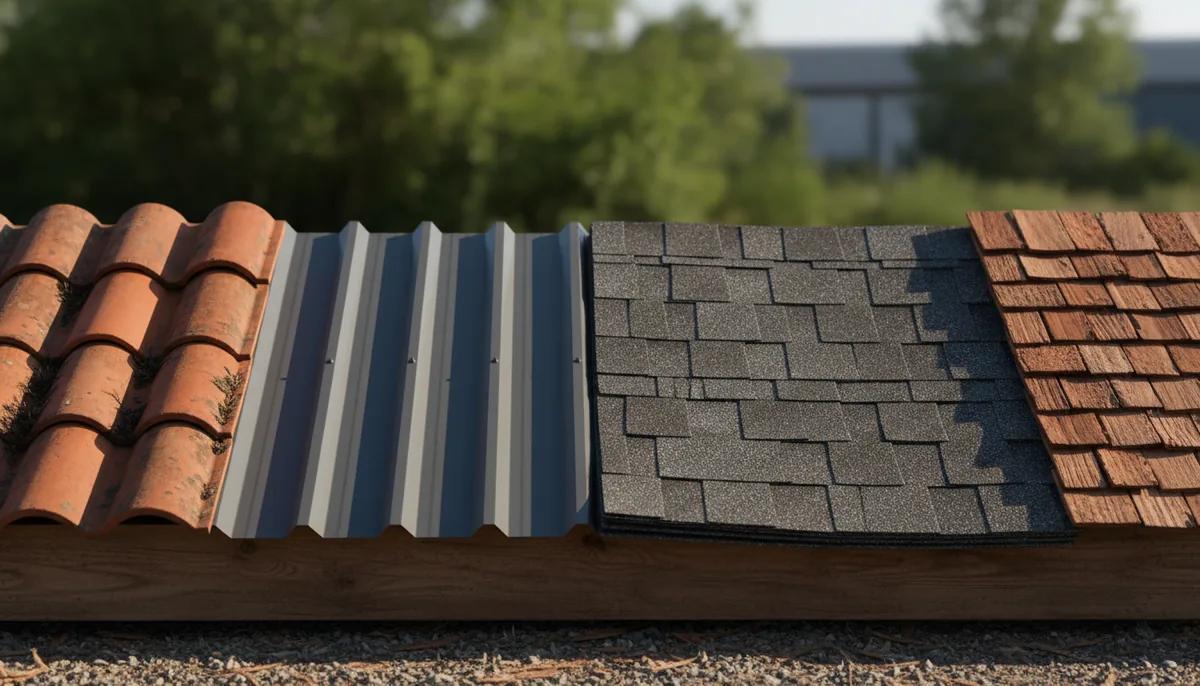
Verage cost to replace a roof in florida
By Shelly Marchetti, Florida homeowner advocate. Reviewed by Hal Winstead, Editor, licensed roofing contractor.
On a muggy Tuesday in Clearwater, I reached across a kitchen table and put my hand over a woman's pen. She was one second away from signing the lowest of three roofing bids, and that bid didn't include a permit, didn't name a shingle brand, and called the wind mitigation inspection "optional." I stopped her because I had seen that exact wording before. If you're searching for roof replacement companies in Florida, I want you to know what to compare before you sign anything.
I'm Shelly Marchetti. I help homeowners read quotes, contracts, and denial letters before they sign or give up on them. I don't sell roofing and I don't work for an insurer. I get paid to slow people down. The cheapest number and the most expensive number on your table are usually describing different roofs, and sometimes they're describing different realities.
You want a number. I get that. But the honest answer is that the phrase "average cost to replace a roof in Florida" hides more than it shows. It makes a job that depends on your exact house sound like a line at a drive-thru. So let's talk about what makes the number go up and down, and how to protect yourself before, during, and after the work begins.
What does "average cost to replace a roof in Florida" actually tell you?
Not much, by itself. Roofers price by the square. One square is 100 square feet of roof surface, not the footprint of your house. Pitch changes it. Access changes it. What is under those shingles changes it. A simple roof with a gentle pitch is not the same as a steep roof with multiple valleys, and a roof with three old layers will not behave like one with a single layer of shingles.
I of been wrong about this before. I've seen a quote that looked too high until the crew opened up a skylight chase and found rot. I've also seen a quote that looked great until we realized the contractor planned to lay new shingles over the old ones without saying so. The roofer who gives you a firm price before checking the decking is guessing at the part you can't see.
Side note: If someone hands you a quote as a scanned PDF meant for a printer, don't squint at it on your phone. Ask for a typed copy. I've watched too many people try to compare fonts instead of line items.
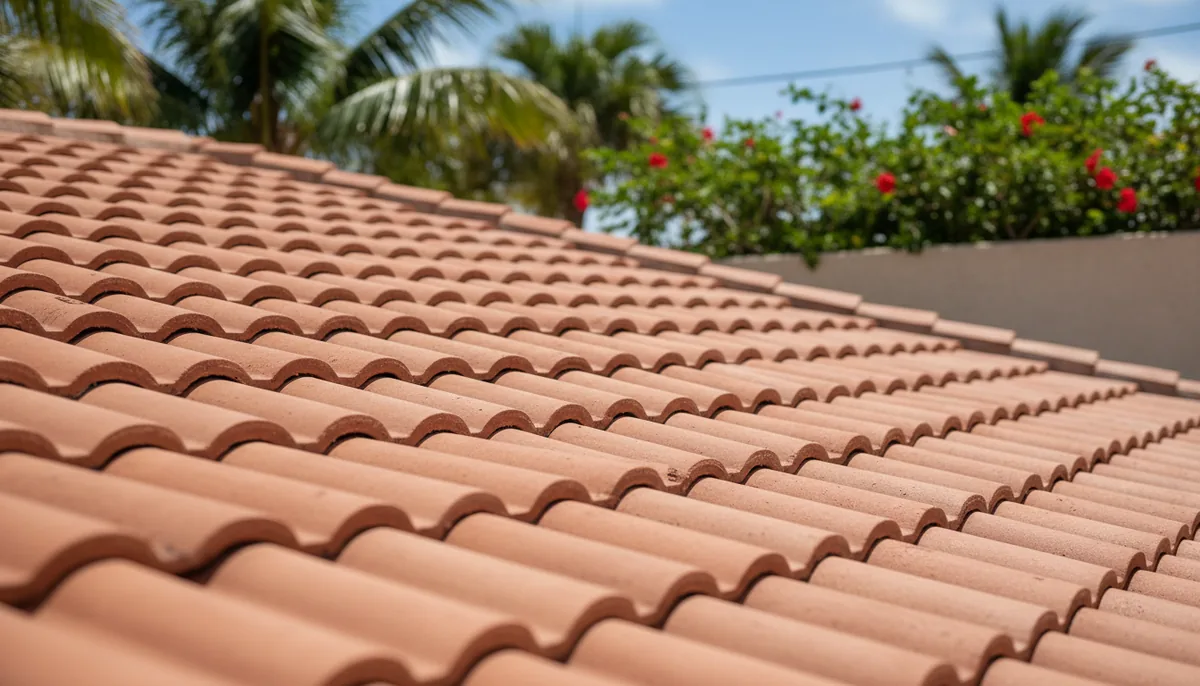
The license line is where you start, not the price
Before you ask what a roof costs, ask who is allowed to put it on. Florida roofing contractors are licensed by the DBPR. The DBPR licence prefixes CCC and RC are on the license line, and they are not the same. A contractor with a CCC prefix is certified and can work anywhere in Florida. A contractor with an RC prefix is registered and can only work in the local jurisdiction that licensed them.
That doesn't mean one is always a better roofer. It means their authority is different, and they should be honest about it. Always verify the number is active before hiring. A number that looks good on a business card may have lapsed, and a lapsed license is not a small detail.
What I would actually do: I would ask for the contractor's DBPR license number before they set foot on the roof, then look it up on the DBPR roll while I'm still on the phone with them. If the number is inactive, I'm done.
Some homeowners feel rude asking for this. It's not rude. It's the same as checking a doctor's credentials before surgery. If the roofer acts insulted, that tells you something useful about them.
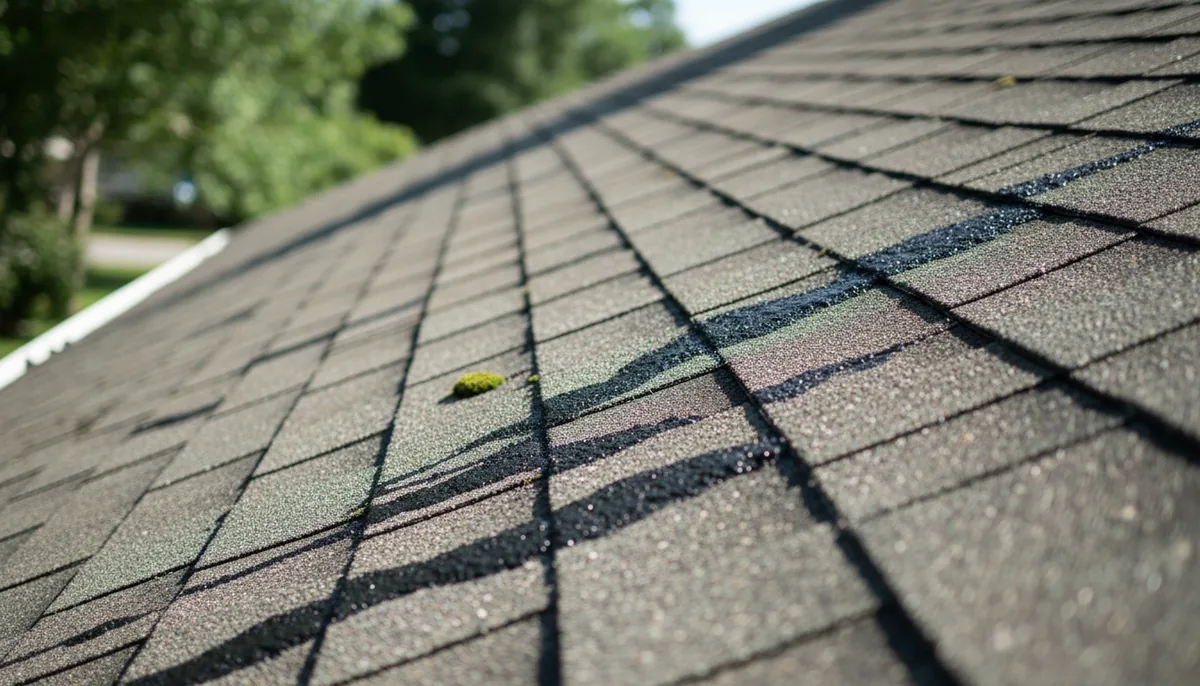
Say no to the roofer who wants to skip the permit
There is no permit-free shortcut for a roof replacement in Florida. A permit gets pulled from your local building department, and the work gets inspected after it's done. A contractor who offers to skip the permit is a contractor to walk away from. I don't care how good their shingle work looks on Instagram.
An unpermitted roof can complicate both an insurance claim and a future sale. That's not me being fussy. It's a paper trail problem. Without a permit, the next adjuster and the next home inspector have no way to know what was actualy done under those shingles.
What I would actually do: I would put my phone away and walk away from any contractor who says the permit is optional. I would also get the permit number or permit card from the local building department before the first shingle comes off.
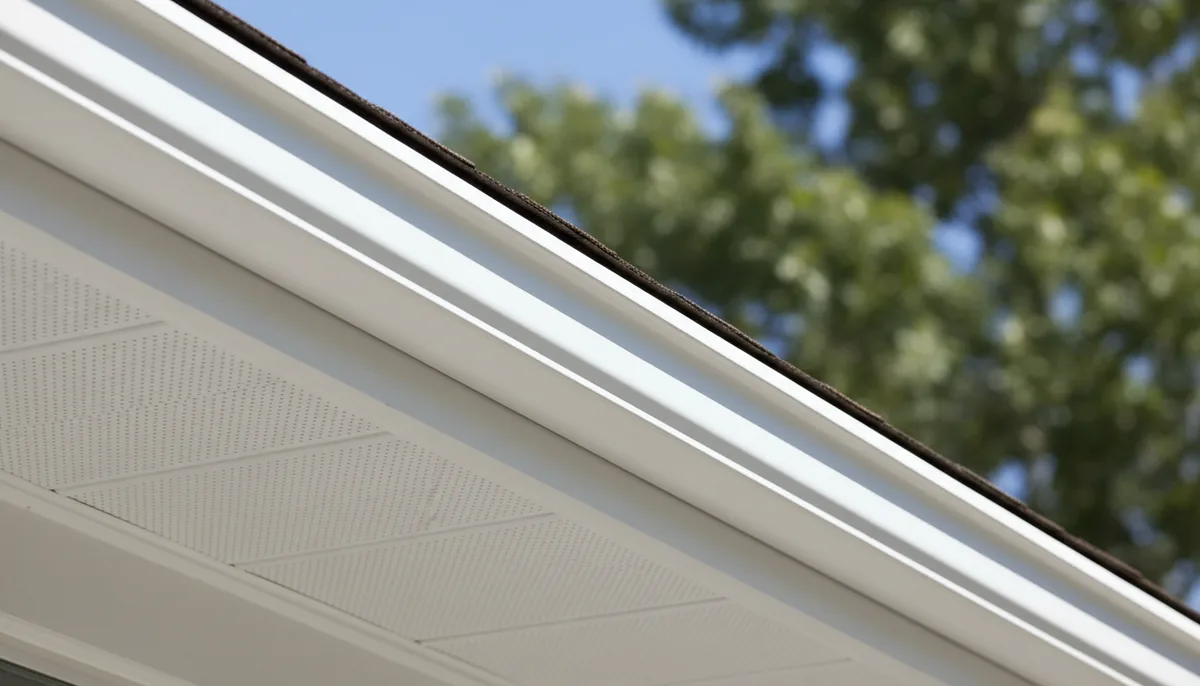
Wind mitigation inspections belong in the price conversation
Once the scope is clear, ask what the new roof will do to your insurance premium. Florida insurers must offer premium discounts for qualifying features, and the standard way to prove those features is with form OIR-B1-1802.
A wind mitigation inspection is not the same as a code inspection. It documents roof covering, roof deck attachment, roof-to-wall connection, roof geometry, secondary water resistance, and opening protection. If your roof is built to handle wind better than the old one, that should show up in the inspection and your premium should reflect it.
The inspection usually costs far less than the annual discount it can earn you. But the roofer has to build the roof in a way that an inspector can actually document. If your quote doesn't mention roof-to-wall connections or deck attachment, ask why.
What I would actually do: I would ask every roofer to show me, in the scope of work, how the new roof will be attached so a wind mitigation inspector can fill out the form honestley. If they don't understand the question, I would keep looking.
When the denial letter says no, read the reason first
I am not a lawyer and I am not a licensed adjuster, so I won't tell you wether your specific claim is covered. That's not a polite disclaimer. It matters. What I can do is show you how a denial letter is built and help you find the actual reason the insurer used.
I read denial letters twice. The first time, I'm angry. The second time, I'm looking for words. "Wear and tear" means something different from "no wind damage." "Pre-existing" means something different from "not covered under this policy section." Coverage varies by policy, so I won't guess what yours says. Read your declarations page. That's where the policy form and deductibles are listed.
What I would actually do: I would send the insurer a short note asking them to cite the exact policy language and the exact evidence behind the denial, then keep their answer in the same file as the contract, the permit, and the inspection report.
If the denial letter doesn't point to specific evidence, ask for it. That's not threatening anyone. It's just asking the insurance company to do it's homework.
Questions I get asked
How much should I set aside for a roof replacement in Florida?
I won't invent a dollar figure for you because your roof will set that number. Set aside enough to cover your insurance deductible plus a cushion for the unknown decking repairs that show up after tear-off. The unknowns are where budgets go sideways.
Why are two bids on the same house so different?
Because they're not actually bidding the same job. One roofer may plan a full tear-off while the other plans to roof over the existing layer. One may include new decking where needed, and the other will call you mid-project for more money. Compare the line items, not the bottom line.
Is a metal roof worth the extra cost?
That depends on how long you plan to live under it. Metal can change the fastener pattern, flashing, and attachment details, and those details affect the price more than the color. A roofer should write down exactly what metal gauge and panel profile they're pricing.
The denial letter says "wear and tear." What do I do first?
Ask for the photos and the report lines that led to that conclusion. A denial should point to evidence. If it doesn't, ask for the evidence in writing before you decide what to do next.
Can my cousin's roofer give me a better price because he knows me?
He can give you a lower number, but the license check stays the same. Your cousin's roof is not your roof. Pitch, access, decking, and insurance history are different, so the bid should be different too. I'd still run the DBPR license and read the whole scope before anyone gets on a ladder.