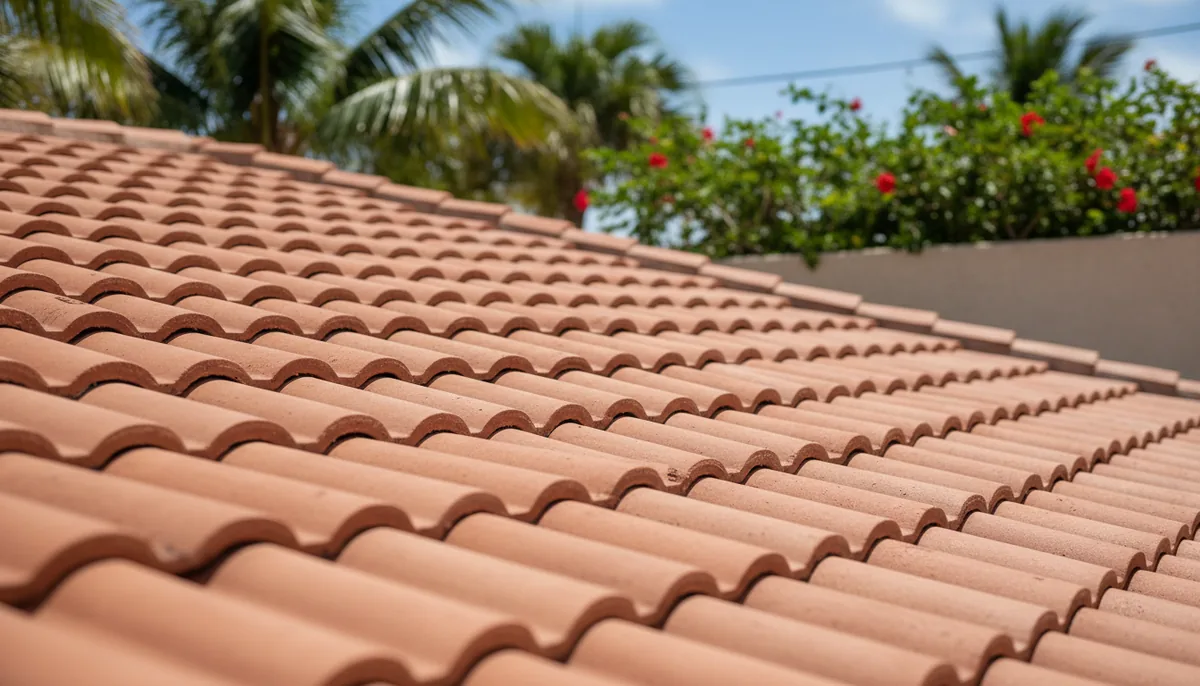
Best roofing Florida
By Bud Kettering, Roof consultant and inspector. Reviewed by Hal Winstead, Editor, licensed roofing contractor. Let me tell you about a Tuesday in Cape Coral that still ticks me off. I was up in a truss space behind a townhouse, sweating through my shirt, and the moisture meter was screaming at a deck seam I could barely reach. The homeowner had bought the place three months earlier. The seller's disclosure said "roof replaced 2019." The paperwork in the closing file showed a paid invoice. And I was staring at plywood that had been wet for so long the nails were rusting into little orange mushrooms. Somebody had laid new shingles over a roof that was already gone. The buyer didn't call me until the ceiling stain showed up. That's the whole job in one sentence: people find me after the money moves.
I'm Bud. I inspect roofs for buyers, sellers, and insurers. I spend my afternoons in Florida attics with a torch and a moisture meter, and I've seen what happens when folks hire the wrong crew. If you're searching for the best roofing Florida can offer, you're already ahead of that poor buyer. You're doing the homework first. That matters, because the directory I work with keeps a running list of roofing companies in Florida and they verify licences against the DBPR roll before any name gets listed. That verification step is the whole ballgame. A contractor can tell you anything across the kitchen table.
Here is what I know after twenty-odd years of crawling around this state. The roofer who had the biggest truck and the shiniest magnet sign was sometimes the one who nailed my least favorite corner of the roof. And the quiet crew working out of a beaten van with a licensed foreman on site has saved more than one deal I was ready to kill. You don't need a friend of a friend. You need a licence number, a permit on file, and an honest look at what your insurance company is actually asking for.
The first thing I do is check the licence. You should too.
Florida roofing contractors answer to the Department of Business and Professional Regulation, which is a mouthful, so everybody calls it DBPR. The licence number tells you more than the company name ever will. A certified contractor holds a licence begining with the prefix CCC and can work anywhere in the state. A registered contractor holds a licence beginning with RC and can only work in the local jurisdiction that licensed them. I have been wrong about this before, so I never guess. I look it up every single time. The DBPR public roll is free, and it shows wether the number is active. If the guy in your driveway cannot recite his prefix and number from memory, that's not a great sign. Call it a yellow flag.
And the distinction matters more than people think. A registered roofer in one county might do beautiful work, but if he crosses into the next county over to chase a storm job, that's outside his licence. The work might be fine. It might be a disaster. But if it goes sideways, your insurance company and the local building department have very little use to help you, because the licensed entity was never allowed to put nails in that roof. The best roofing Florida has to offer is being done by a mix of both certified and registered guys. The problem is never the prefix. The problem is always someone working outside the lines they are licensed to work within.
I tell every client the same thing. Get the full legal name of the company, not the nickname on the invoice. Get the licence number. Then go to the state roll and verify it while the salesman is still sitting in your living room. It takes four minutes on your phone. If he squirms, you have your answer.
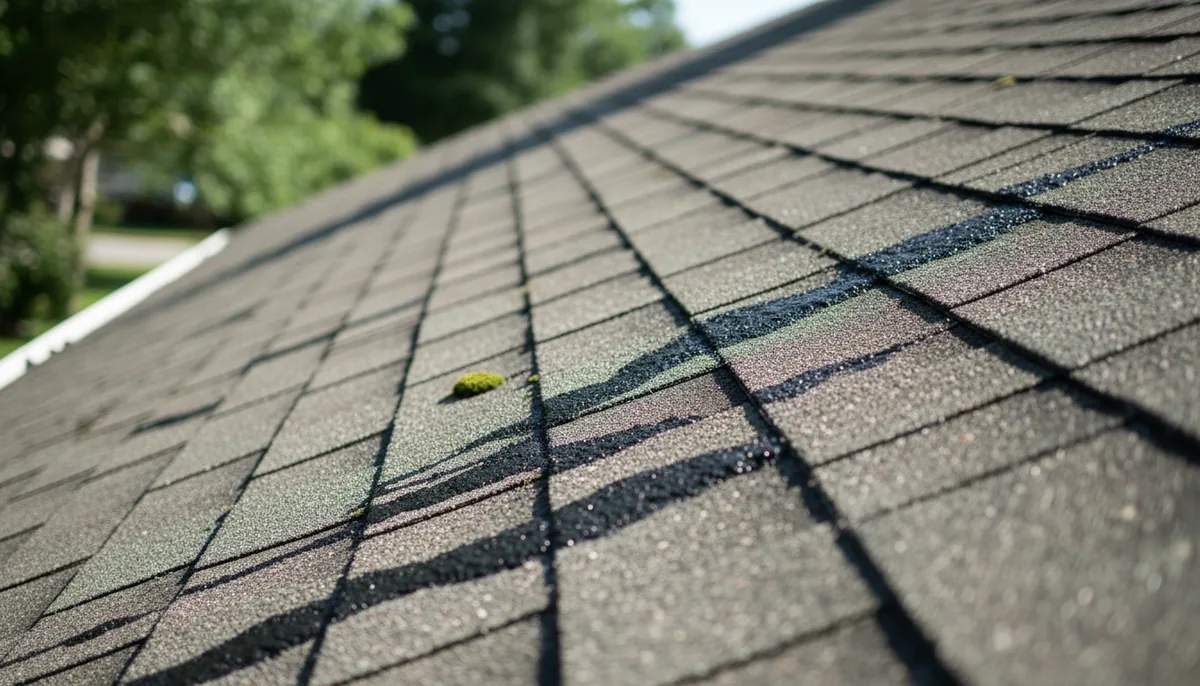
What separates the top roofing companies in Florida from the ones I red-flag
I have inspected behind contractors who charge twice as much as the next guy, and behind guys who are so cheap I wanted to shake their hand just for showing up with insurance. The price tells you less than you think. What tells you more is how they handle the permit. No exceptions, no "we'll save you the hassle." A roof replacement in Florida requires a permit pulled from your local building department. That permit triggers an inspection. That inspection is your protection. Any contractor who offers to skip the permit is a contractor you walk away from, and I mean walk away mid-sentence. An unpermitted roof can complicate an insurance claim like nothing else, and it will make a future buyer or their inspector absolutely gleeful when they find it. I have seen sales fall apart over an unpermitted roof that looked perfect from the street.
The good outfits treat the permit like a given. Their office knows the building department schedule in whatever town they're working. The roofers themselves might grumble about the wait, but that's just roofing culture. That grumbling is a good sign. It means they actually pull permits and actually wait for inspectors. The crews that cheerfully tell you they can start tomorrow and no permit is needed are operating on a different planet, and you do not want to live on it.
Wind mitigation is where the money hides. A wind mitigation inspection is a formal look at your roof covering, the deck attachment, the roof-to-wall connection, the geometry of the roof, the secondary water resistance, and your opening protection. The inspection documents what is already there. It doesn't require you to rebuild your house. If your roof has the right features, the insurance company in Florida is required to offer you a discount on your premium. The standard form they use is the OIR-B1-1802. Your agent can tell you exactly what credit you're getting. The inspection itself costs a couple hundred bucks, give or take. The annual discount is usually more than that. It's one of the few times paying an inspector actually feels like you found money.
Looking for roofing companies in Miami Florida? Here is what to ask the salesman
Miami is it's own animal. The heat is brutal, the sun is relentless, and the wind events come with names. When you are interviewing roofing companies in Miami Florida, you need to ask different questions than your cousin in Tallahassee would ask. How does your crew handle the underlayment on a hot deck? What's the manufacturer's requirement for nail placement on the edges versus the field? Those questions sound nerdy, but the good salesmen light up and answer them from memory. The fly-by-night guys will tell you they've been doing it this way for years, and they're not going to change for no inspector.
I did an inspection in Homestead where the shingles were brand new and beautiful. The deck was rotted under two different layers and the ridge vent was installed so poorly it was acting as an intake, pulling hot moist air into the attic instead of letting it out. The homeowner said the roof had passed the city inspection. I beleive it did pass, because the inspector only sees what the contractor lets them see. The contractor had deliberately left a section of old deck visible and claimed the rest was brand new. It wasn't. That's why you hire an independent set of eyes before the big check clears, not after. It doesn't matter if you're looking at a bungalow in Little Havana or a waterfront pile in Coral Gables. The physics of water are the same. The mistakes are the same too.
What I would actually do: Take the manufacturer's certification seriously. Most shingle manufacturers require a specific nail pattern and a specific number of nails per shingle. If the crew doesn't follow it, your warranty is a pretty piece of paper. Ask the contractor for the manufacturer's installation instructions and check the nail gun yourself on the first row. I do it on every single inspection. Nobody has ever been offended when I asked to see their nail pattern.
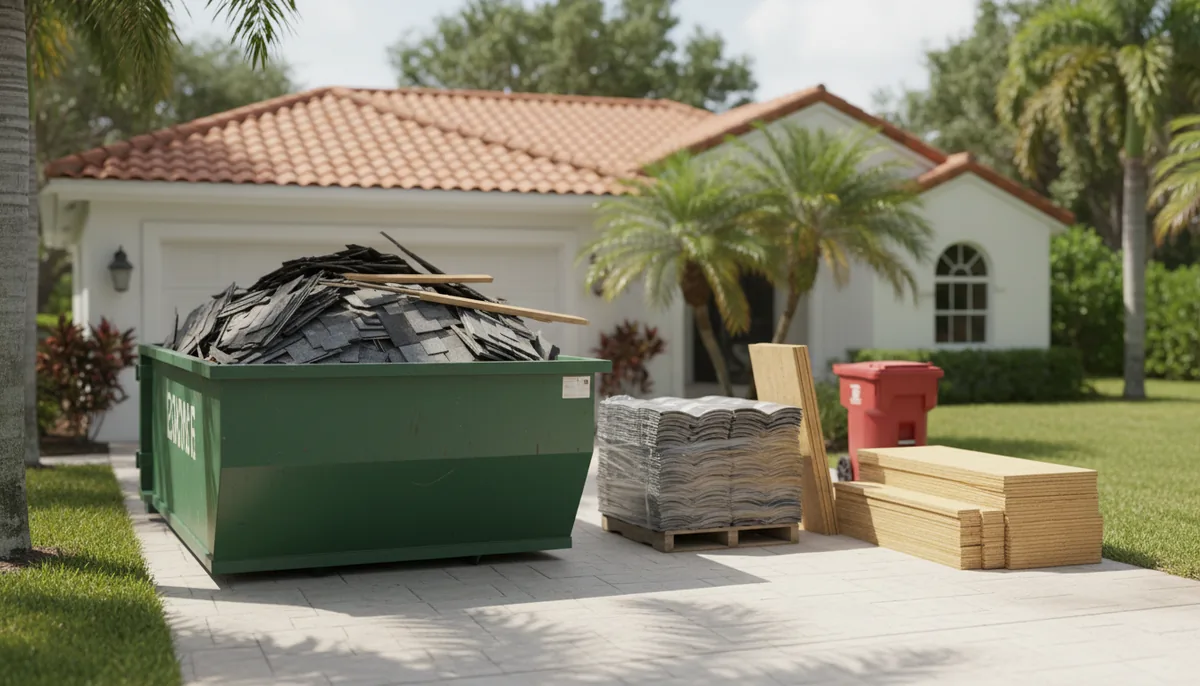
The roofing contractors fort Lauderdale Florida jobs I never forgot
Fort Lauderdale gets the same hot sun as Miami, but the wind pattern is different. The storms wrap around and come in from angles that surprise people. I looked at a job near Wilton Manors where the roofer had done a beautiful install. The shingles were laid tight. The deck was solid. The flashing was better than anything I'd seen in a month. And then I checked the roof-to-wall connection and found the rafters were just sitting on the block wall, toe-nailed with a few little nails that had more rust than steel. The roofer did his job perfectly. The framers in 1974 did not. That roof was getting hurricane-rated shingles bolted to a deck that was sitting on toothpicks. The roofing company did nothing wrong. But the roof was not going to stay on in a real storm.
That's the thing about the best roofing work. It doesn't matter how good the top layer looks if the structure underneath is mush. A great roofer will tell you when they see a structural problem, even if it costs them the job. A mediocre roofer will sell you the shingles and let the next guy deal with it. The top roofing companies in Florida get that. They know their reputation rides on the roof surviving the next decade, not just the next inspection. When you find a contractor who's willing to say "your deck is undersized and I won't warrant this," that's the one you listen to. That guy is rare. I can count on one hand the number of times a contractor has voluntarily flagged a structural issue for a homeowner.
What I would actually do: If the roofer looks at your deck and goes quiet, ask them what they're seeing. Silence on a roof means something. I let the silence sit. If they still don't speak, I ask them if they'd put their own name on it. That question gets a more honest answer than any contract language.
The hard lesson about insurance that nobody wants to hear
I don't sell insurance. I'm not an adjuster, and I'm not a lawyer. But I've been in enough attics after a storm to understand how this dance works. Your coverage depends on your policy, and policies vary wildly depending on when they were written and by which company. I can't tell you what your policy covers. You need to read your declarations page and ask your agent direct questions. What I can tell you is that the roof you have determines the conversation. A roof that was permitted and inspected gives you a much stronger position than one that was swapped out under the table.
There's also something called the My Safe Florida Home program, which has helped alot of homeowners get grants and inspections for wind mitigation upgrades. It's worth looking up if you own your home and it's your primary residence. The funding comes and goes depending on the state budget, so when it's open, people apply fast. I mention it because a lot of my clients have never heard of it, and some of them have saved serious money on their premiums because the free inspection caught a few features their insurance company was never told about.
And no, that's not me digging into the weeds. That's me telling you where the money is. The insurance discount is not a reward for the best roofing Florida has. It's a reward for a roof that will actually stay on when the wind comes. Same storm, same house, same shingles sometimes. The only difference is the paperwork that proves the roof was installed right.
Questions I get asked
How much should a roof replacement cost in Florida?
There is no honest single number I can give you, because roofs are priced per square, and a square is a unit of area that doesn't know your zip code. The price depends on pitch, access, deck condition, and how many layers they have to tear off. Get three written estimates and throw out the highest and the lowest. Then go inspect the middle one's work in person. That's what I do for my own house.
Can I stay in my house while the roof is replaced?
Yes, usually. The noise is tremendous and the vibration feels like someone is doing construction on your skull, but it's safe enough. Most people leave for the day if they can, especially when they're tearing off the old deck. The smell of old tar and hot plywood gets into everything. I've stayed in houses during roof jobs. I don't recommend it unless you have no choice.
Is a metal roof really better than shingles in Florida?
Metal lasts longer and handles hail better, but it costs more up front and it's brutally loud in a hard rain. Some insurance companies like it because it has a higher wind rating. The best option is the one that is installed correctly. I have seen beautiful metal roofs installed with screws that were too short, and I have seen twenty-year-old shingle roofs that were still perfectly watertight. The installation matters more than the material.
Why does my insurance company want a wind mitigation inspection now?
Because they are required by Florida law to offer discounts for qualifying wind-resistance features, and they want documentation before they give you the discount. Some companies ask for it at policy renewal. Others only ask when you file a claim. The form you'll see most often is the OIR-B1-1802. It's standard, and it's your friend. A certified inspector fills it out and sends it to your carrier. You'll see the savings on your next renewal.
What is the one thing you'd never do with your own roof?
I'd never let a contractor start work without a signed contract that includes the licence number, the permit responsibility, and the manufacturer's warranty paperwork. And I'd never pay more than a third up front. I've seen too many homeowners hand over half the money and then spend six months trying to get the crew to come back and fix the flashing. Get it in writing. Then hold them to it.
How long does a roof last in Florida?
That depends entirely on what is under there, how the attic is vented, and whether the crew nailed it right. Cheap architectural shingles on a poorly vented attic can be shot in eight years. A quality roof on a well-vented attic can go twenty-five or more. The sun is what destroys roofs in this state, not the rain. If your attic stays cool and dry, your roof lasts longer. It really is that simple.