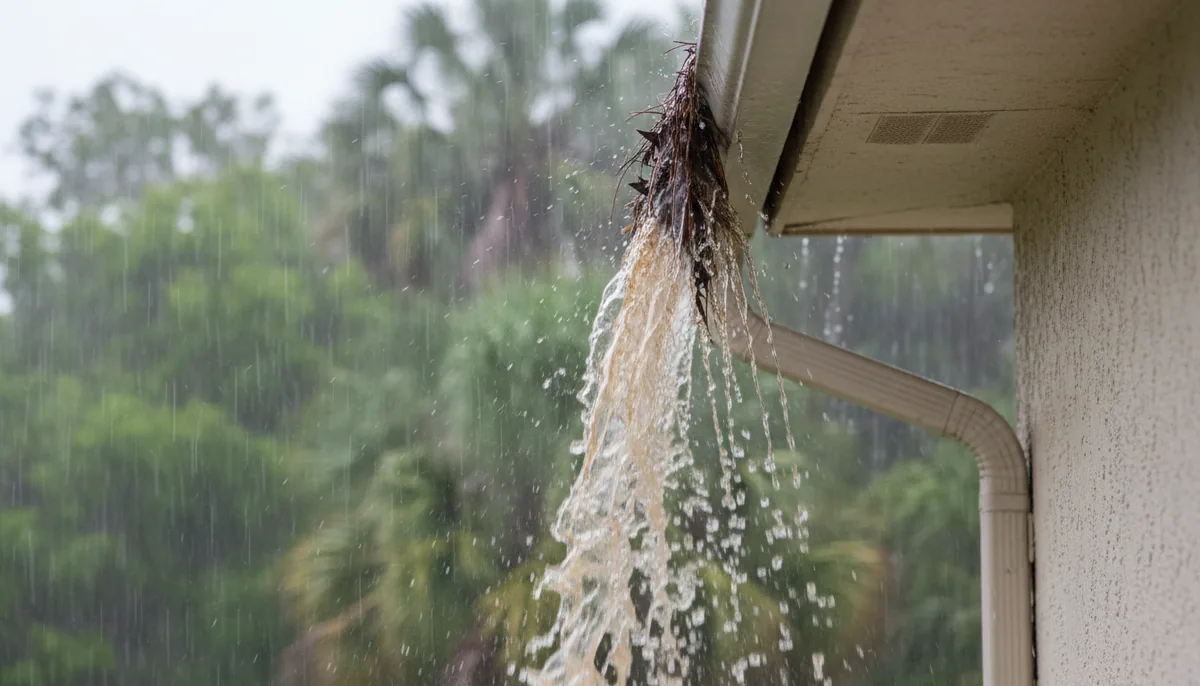
Emergency roof repair Florida panhandle — How Bad Is It, Really?
By Dale Prescott, Roofing contractor, Central Florida. Reviewed by Hal Winstead, Editor, licensed roofing contractor.
You’re standing in a driveway in Lynn Haven, or maybe it’s Callaway, and the homeowner is holding a blue tarp that the wind has just ripped clean off the roof. The sky is that weird green color you only see before the bottom falls out. I’ve been on that driveway twenty-two years now, and the first thing I always do is look at their faces. That look—half panic, half exhaustion—tells me more than the roof ever will.
So you want to know how bad your emergency roof repair in the Florida panhandle really is. Here’s the honest answer. Sometimes it’s a small leak that’s beaten you down, and sometimes your roof deck is mush and the whole thing has to come off. But before you call the first emergency roofing companies in Florida you see on Google, let me tell you what I actualy see when I climb up there. Because the panic is almost always worse than the hole. But the hidden damage is almost always worse than what the panic is about.
Let me tell you about a Tuesday in Panama City, right after a squall line came through. The homeowner pointed at a dark spot on the ceiling in their kid’s bedroom. Wanted a patch. I got up on the roof, and the shingles looked fine. Fine from the driveway. But the deck was wet, and when I pushed my thumb into the plywood near the valley, it went through like wet cardboard. That’s not a patching job. That’s a repair, and it depends entirely on how much rot is under there. Call it three sheets of plywood or call it eight—you don’t know until you tear it out.
First things first: get a tarp on it, not a salesman
If you have an active leak with water coming in, the first thing is stopping more water from coming in. Water ruins drywall, it ruins insulation, it ruins the plywood deck, and it ruins the trusses if you let it go long enough. A good emergency roofer will throw a tarp on it, nail down some cap nails, and make sure water is running off instead of in. That’s real work. That costs money, and it should.
But here’s where people get burned. That tarp gets treated like it’s a repair. It is not a repair. It is a bandage while we figure out the actual answer to the question. That question is always the same: how much of this roof wants to come off? I of been wrong about this before. I ripped off a roof in Port Orange where the top layer was fine and the second layer underneath was completely shot. You don’t know until you know.
Be wary of the whole roof being the only option
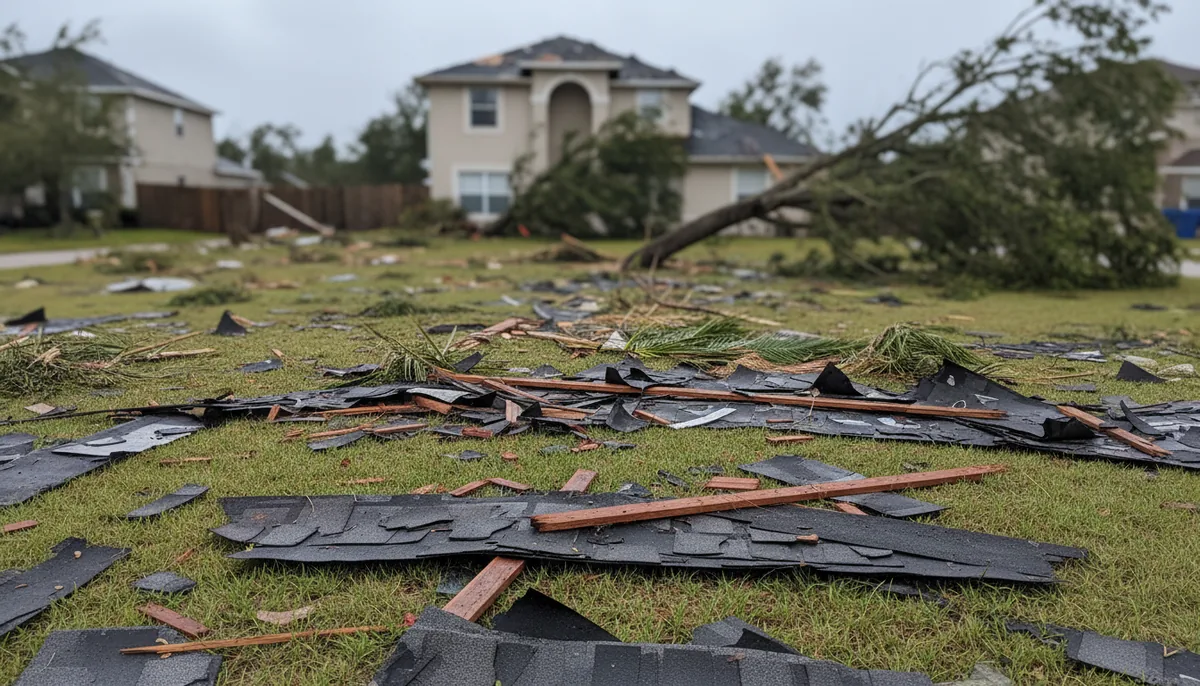
Here is something that changed, and it matters for any emergency roof repair in the Florida panhandle. For years we operated under what everybody called the “25% rule.” The way it worked was simple: if you repaired or replaced more than a quarter of your roof in a rolling twelve-month period, the whole roof had to be brought up to the current building code. That meant a serious repair could suddenly become a full replacement, wether you wanted one or not.
Then the legislature passed SB 4-D back in 2022. If your roof was originally built, repaired, or replaced under the 2007 Florida Building Code or anything newer, then you only have to bring the part you’re working on up to code. A full roof replacement is no longer automatically triggered just because you got past that old threshold. The catch? The 2007 code didn’t take effect until March 1, 2009. If your roof is older than that, the old rule can still bite you. So the age of your roof is not a detail. It is the main storyline.
That insurance call has a clock, and it is not your friend
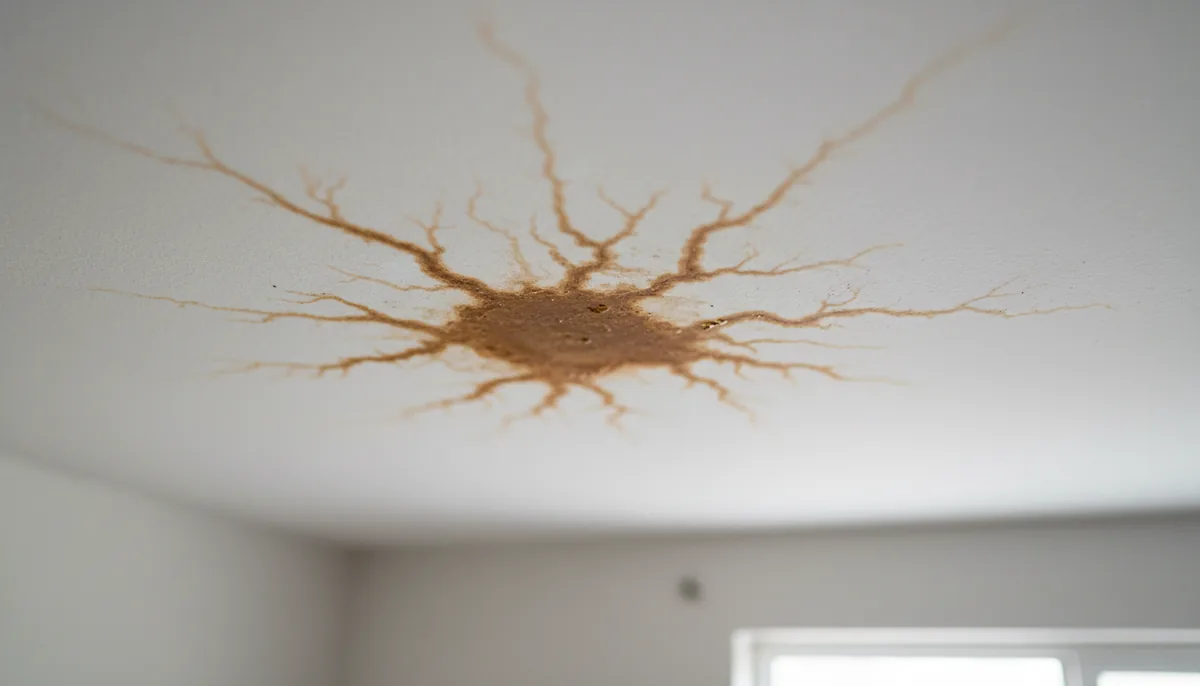
Here’s where I sound like a broken record, because every roofer in this state does. Florida Statute 627.70132 says you have one year from the date of the loss to notify your insurer about an initial property damage claim. For a supplemental claim—say a contractor finds more damage once the roof is open—you have eighteen months from the date of the loss. That clock runs from when the damage happened, not when you figured out it happened. Not when the adjuster came. Not when the rainy season ended.
I have seen people lose a perfectly valid claim because they waited. They thought they had three years, because we all used to. That’s gone. If you miss the deadline, the insurance company has a complete defense, even if your policy would otherwise cover everything. I’m not a lawyer and I’m not an adjuster, so don’t take my word as gospel. Read your declarations page. Know your dates. And if you’re not sure whether you have a claim, you call your agent. You start the clock. You don’t have to finish the repair to protect your claim.
What I would actually do: If a tree limb went through your roof on the fourth of July, I’d have a tarp on it by the fifth, and I’d have a claim filed by the end of that week. Even if you’re still fighting with the contractor over the full scope, you can always amend it. You cannot un-miss a deadline.
Don’t let a contractor skip the permit
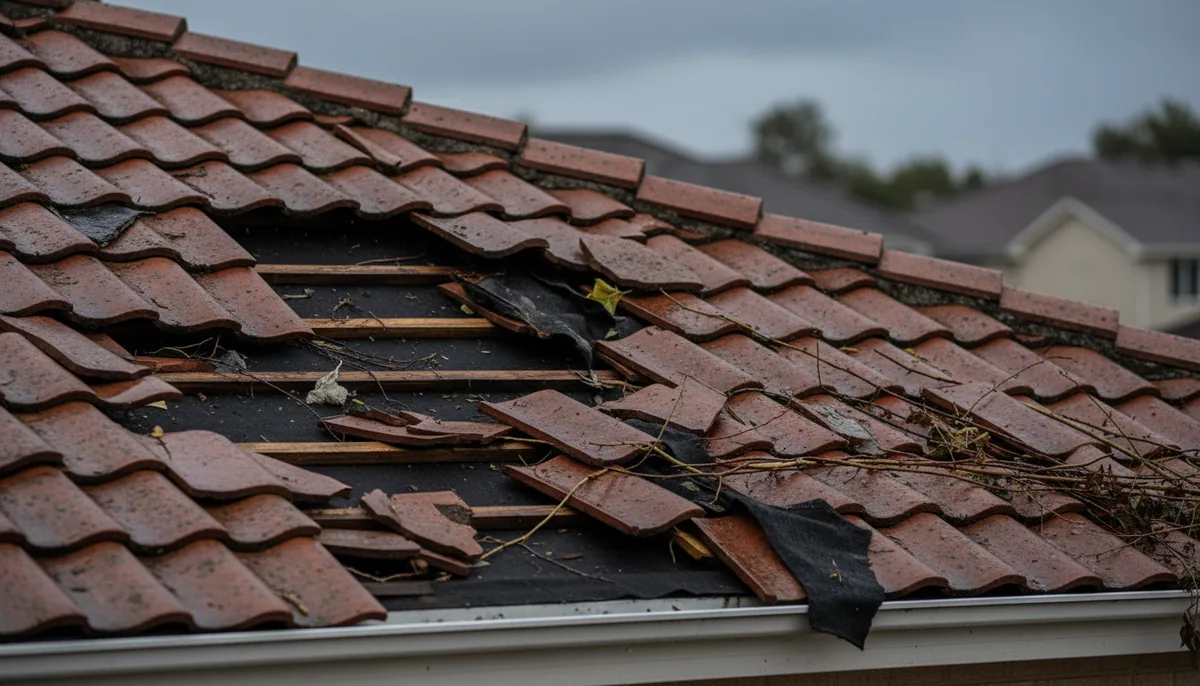
Another thing that makes me see red. A homeowner calls me, says they had a roofer quote them an “emergency repair,” and the roofer said no permit was needed because it was an emergency. That is wrong. A roof repair or replacement in Florida requires a permit from the local building department, and it requires an inspection. A repair to a deck after a leak? That may need a permit. A tarp does not need a permit, but the moment you start replacing shingles, flashing, decking—you pull a permit.
Walk away from any contractor who tells you to skip it. I don’t care how good they talk. An unpermitted roof can tangle up an insurance claim and it will absolutely show up when you try to sell the house. The buyer’s inspector will find it, the title company will find it, and suddenly you’re paying to re-do a roof you already paid for once. That’s a bad trade.
Check the licence before you let anybody anywhere near your roof
This one is easy, and people skip it all the time. Florida roofing contractors are licensed by the Department of Business and Professional Regulation—the DBPR. Licences start with prefixes CCC and RC. A certified contractor has the CCC prefix and can work anywhere in the state. A registered contractor has the RC prefix and can only work in the local jurisdiction that licensed them. Before you hire anyone, go to the DBPR roll online and make sure the number is active. Not just “Hey, I have a card.” Active.
There are alot of roofing companies listed in a directory like the one you’re reading. The directory verifies licences against the DBPR roll, which is what a directory is supposed to do. That does not make any one company reputable or not reputable. What makes them reputable is the licence number checking out, a valid permit being pulled, and a contract that isn’t two sentences long. I have seen fly-by-night crews roll through after a storm with zero licence. I have also seen them do a halfway decent job, which is worse, because you can’t get them back for the leak in six months.
What I would actually do: Ask for the licence number while we’re standing in your yard. Look it up on your phone, right then, in front of me. Any contractor who is bothered by that is not a contractor you want. I’m not bothered by that. Check away.
There’s a form for the serious disputes
If you get into a mess with an insurance claim and you need to formally appeal a decision, there is a document called form OIR-B1-1802. That’s a consumer complaint form with the state. I mention it because people don’t know it exists until they need it, and by then they’re usually furious. If you’re dealing with a dispute over a denied claim, you can use that form to file a complaint with the state. It won’t guarantee you a win, but it puts the issue on the record.
Some homeowners are with Citizens Property Insurance Corporation, which is the state-backed insurer of last resort. They have their own processes, so don’t assume the rules are identical to a private carrier. And if you’re looking for help making your home stronger before the next storm, there is a state program called My Safe Florida Home that does free wind inspections and may help with matching grants for improvements. That’s not emergency repair money, but it is a good way to spend time before hurricane season, not during it.
When the roofer says leave it alone
Sometimes the right answer is not to repair anything. I had a customer in Ormond Beach call me out for an “emergency” leak that turned out to be a tennis ball-sized hole in a metal carport roof. Whole thing was rusted through. I told her the carport was done. She didn’t want to hear it. She wanted a patch. I patched it, it leaked, I came back and told her again. It’s not a fun conversation, but a patch where a replacement is needed is wasted money. And she was a sweet lady who kept calling me at seven in the morning, so I understand why she was hoping for the cheap fix. Sometimes the cheap fix is the most expensive thing you can do.
I still charge for the patch, and I always tell them it’s temporary. A roofer who tells you a patch on a rusted-out metal roof is a permanent fix is lying to you. He might not know he’s lying, but he is.
Questions I get asked
How fast can you get here if my roof is actively leaking?
In the Panhandle, that depends entirely on the storm surge. I’ve seen crews waiting at the county line before a hurricane even makes landfall. In a normal rainstorm, you can have a tarp on that day. In a declared disaster, you may wait a week, because every roofer in three counties is already spoken for. Don’t wait for the roof to leak to know where that tarp is coming from.
Should I file an insurance claim for a small leak?
That depends on your deductible and your policy language. I can’t tell you what your policy covers—you have to read the declarations page. What I will say is a small leak can become a large claim quickly, and a denied small claim still goes on your record. Walk the roof with a contractor first, get an honest scope, and then make the call.
Why do some roofers want me to sign a contract before they’ll even quote it?
Because they got burned by homeowners who used their free inspection and then hired their cousin. I understand it, but I won’t do it. A simple repair quote should not require a signed agreement for a full roof replacement. Be carefull of anyone who needs a signature in your driveway before you’ve seen their licence.
What does the 25% rule mean for me if my roof is from the 90s?
If a storm damages your roof, and your roof was built to a code before the 2007 edition, then the old rule may still apply in your case. If more than 25% needs repair, you can be required to bring the entire roof up to the current code, even if the undamaged part was fine. That is a direct conversation to have with your contractor and your adjuster, on your roof, with the shingles off.
Is a tarp a repair or a temporary measure?
A tarp is temporary, full stop. It is not a repair, it is not a roof, and it is not an excuse to delay your claim for months. Tarps fail. UV light breaks down the plastic, wind lifts the edges, and then your leak is worse because now pressure builds underneath it. Get the tarp on, then get the schedule moving. The longer a roof stays wet underneath a tarp, the more plywood and trusses you’re going to replace.