Roof leak repair Florida — How Bad Is It, Really?
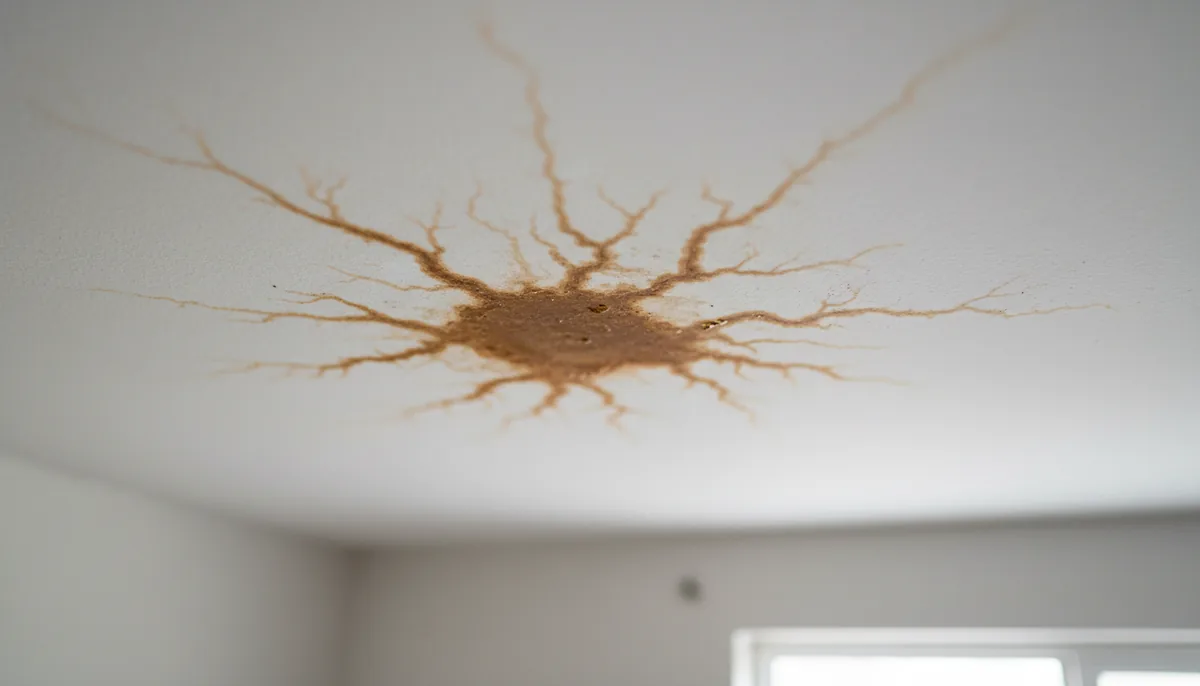
By Dale Prescott, Roofing contractor, Central Florida. Reviewed by Hal Winstead, Editor, licensed roofing contractor. I was up on a barrel tile roof in Lakeland last July, chasing a leak that had stained a ceiling the color of weak tea. The homeowner had patched it twice with that rubberized paint you get at the big box store, and twice it had moved. I found it finally—a cracked eave tile that had let water run down the fascia and behind the gutter, which is a longer story than you want. It was a tiny thing. It had cost them a ceiling, a fan, and a month of worrying.
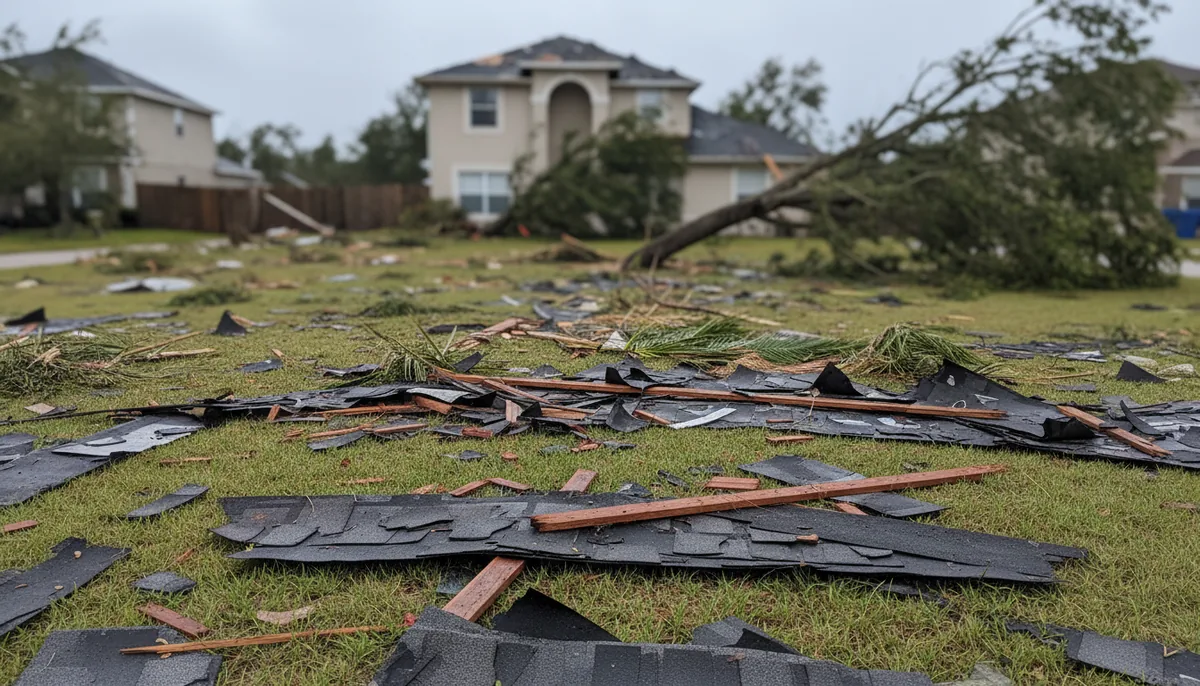
But here is the part that stuck with me. While I was up there, I saw the roof next door was a patchwork of three different shingle colors, and the one after that had a tarp stapled over a ridge vent. In Florida, that sight is as common as palmetto bugs. And most folks with a leaking roof want to know one thing before they call anybody: how bad is this, really? Is it a can of sealant, a repair, or a whole new roof? If you need a licensed crew to sort it out, the leak repair companies in Florida directory is where I’d point my own mother. But before you pick up the phone, let me walk you through what I’ve seen in twenty-two years of tearing these things off.
A leak is never a single event. It’s a vote of no confidence in the whole system. You can fix the spot, sure. I’ve done it a thousand times. But if you’ve got a roof from the 1990s and you’re calling me for the second time in eighteen months, we need to have a different conversation. That’s where the rules come in, and the rules changed on us a couple years back.
When a leak stops being a repair and becomes a replacement
For the longest time, we worked under what everybody called the 25% rule. It came out of the Florida Building Code, and it said if you repaired or replaced more than a quarter of your roof in any twelve-month period, you had to bring the whole roof up to current code. That meant if you had an older roof with a small leak in the middle, you couldn’t just patch it. You were looking at a full replacement, because the code said so.
Then SB 4-D (2022) came along and threw a wrench in that. The new law says if your roof was built, repaired, or replaced under the 2007 Florida Building Code or any later edition, then we only have to bring the portion we’re working on up to current code. That’s a big deal. The 2007 code took effect in March of 2009, which means if your roof is from around that time or newer, you might be able to get away with just fixing the damaged section. But if your roof is older than that—call it pre-2009—then the old trigger still applies. I have been wrong about this before, but the pattern is pretty clear: newer roofs get more leeway, older roofs get the whole shebang.
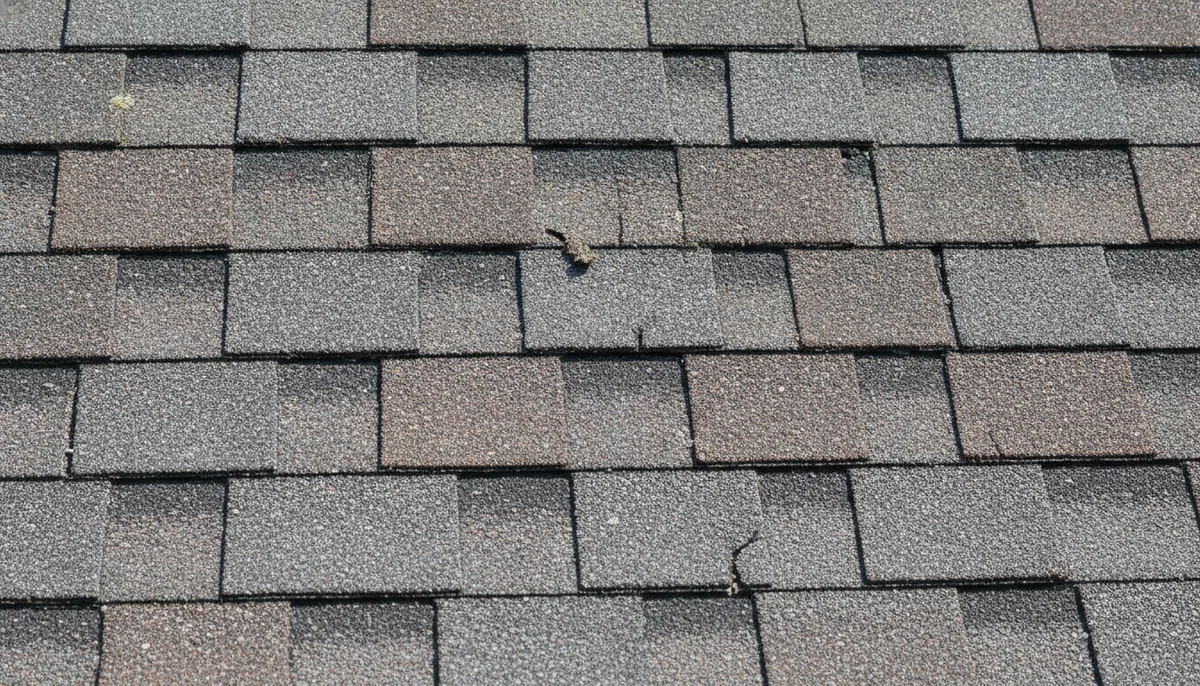
Here’s the catch, though. This isn’t a green light to patch a roof that’s already at the end of it's life. A repair is only as good as what it’s attached to. If your shingles are curling like potato chips and the decking underneath is soft, a $200 repair just means you’re paying me $200 to put a band-aid on a corpse. I’ll do it if you insist, but I’ll give you a piece of my mind with it.
What I would actually do: Check your roof’s age first. If it’s shingle and over fifteen years old, or tile and over twenty-five, and you’ve had more than one leak, pay me for a full inspection before you pay me for a repair. The inspection is cheaper.
The insurance clock is not on your side
This is the part that gets people in trouble. They see a stain on the ceiling, they assume it’s a slow leak, and they wait. Then they call their insurer, and the insurer says, “Too late.” Florida Statute 627.70132, as amended in 2022, gives you one year from the date of loss to notify your insurer of an initial or reopened property insurance claim. For a supplemental claim—that’s when you find more damage after the first check—you get eighteen months. And that clock starts from the date the damage happened, not the day you found it.
I can’t tell you how many people I’ve stood in an attic with, staring at water stains and going, “When was that hurricane again? September? Yeah. That clock already ran out.” The law used to give you three years. Now it’s one. If you miss that deadline, the insurer has a complete defense, even if the loss is covered. They don’t have to pay. That is not legal advice, because I am a roofer, not a lawyer, but I’ve seen the denial letters.
There’s a specific insurance disclosure form that comes into play here—form OIR-B1-1802—which you typically see when a policy is being written or renewed. That form is supposed to tell you about this exact deadline, among other things. So if you don’t remember signing something with that number on it, go dig out your renewal paperwork. Just know that the clock is ticking wether you found the leak or not.
What I would actually do: If you get a leak after a storm, take photos with your phone the same day. Document the date. Save your receipts. Call your insurer within a month, not a year. If the policy is through Citizens Property Insurance Corporation, they have their own rules and timelines, so make sure you or your agent reads that policy like it’s a treasure map.
Permits, licenses, and the state roofing contractor rule
Here is something that will save you a world of pain. A roof replacement in Florida absolutely requires a permit from your local building department, and it gets inspected at least once. If a contractor tells you we can skip the permit and just get it done, you walk. Unpermitted work is a nightmare for insurance claims, and it’s a nightmare when you go to sell the house, because the buyer’s inspector will find it and the deal will fall apart. I’ve seen it happen more than once.
Now, who can legally do this work? The state has two kinds of licenses, and you need to know the difference. A CERTIFIED roofing contractor has a license begining with the letters CCC. That means they can work anywhere in Florida. A REGISTERED roofing contractor has a license beginning with RC, and they are restricted to the local jurisdiction that licensed them. So if a guy from Polk County says he can roof your house in Orange County and he’s only got an RC license, he’s telling you a fairy tale.
You should of always verify that the license is active before you sign anything. The state’s Department of Business and Professional Regulation—DBPR for short—has a public roll online where you can look up the number and see if it’s current. A license that’s expired or revoked is a huge red flag. I’ve seen guys working with suspended licenses, and trust me, that means they couldn’t get insurance, and that means if they fall off your roof, you might be paying for it. Don’t learn this lesson the hard way.
And while we’re on the subject of money, don’t let anyone pressure you into a full replacement you don’t need. Roofing is priced per square—that’s a 10-foot by 10-foot area of roof—but the exact number depends on a whole pile of things: the pitch, the access, the number of layers you have, and the decking condition underneath. I won’t give you a dollar figure here because it changes every few months with material prices, but I will tell you this: a cheap roof is never cheap in the long run.
What a real leak repair involves
When you call me for a roof leak repair, I’m not going to just send a guy up with a tube of caulk. First, I’m going to look at the ceiling stain from inside your house, because that tells me where the water is actually coming down, which is rarely directly below the breach. Water runs along rafters, down pipes, and across drywall. It’s a sneaky creature.
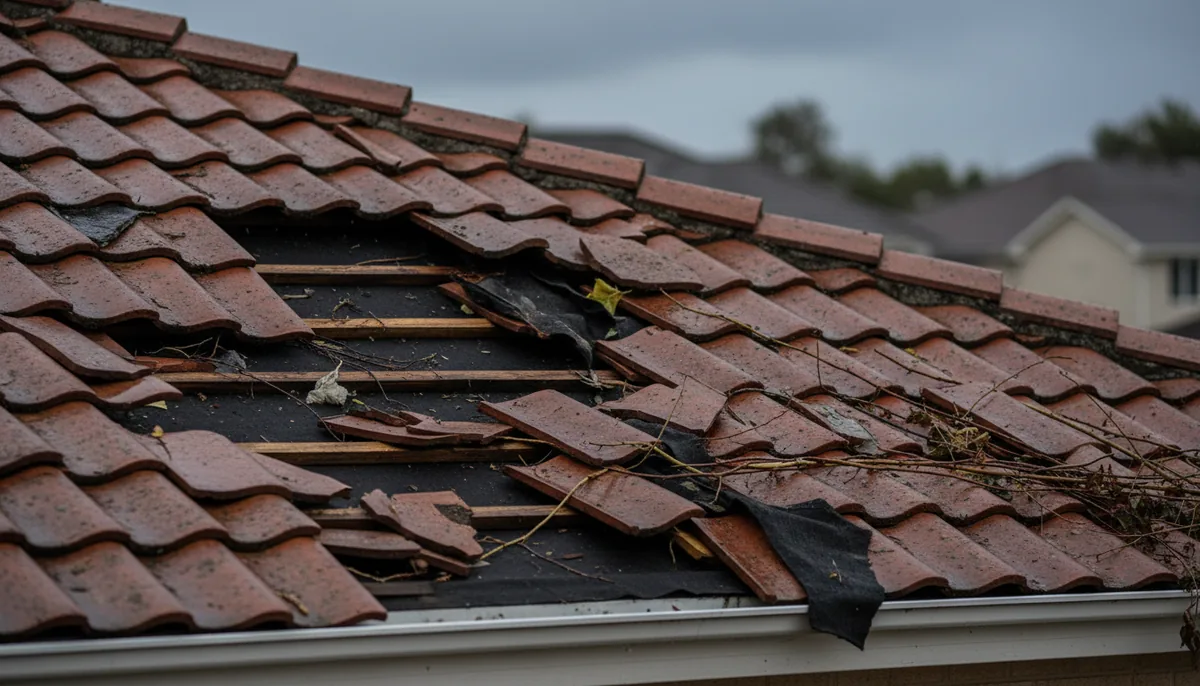
Then I’m going to get on the roof and start looking at the usual suspects. Flashings around vents and chimneys fail. Seams in the valley where two roof planes meet fail. Pipe boots crack and dry out. I’ll check your ridge cap because that’s where ridge leaks come from. And if it’s tile, I’ll look for cracked tiles and, more importantly, the underlayment beneath them, because that’s what’s actually doing the waterproofing. A tile roof can look perfect from the street and still leak like a sieve.
Sometimes the fix is simple. I once found a leak that was just a loose attic vent cover that had been rattled off by a storm. Five minute fix, forty dollar trip charge. The homeowner was so relieved they gave me a twelve-pack. But sometimes the fix involves replacing a section of decking that’s rotted, which means a bigger patch, which means we might be talking about the 25% rule again. Depends what is under there.
One digression, because I can’t help myself. I had a customer once who demanded I fix a leak by spraying expanding foam from the inside of the attic, because he saw a YouTube video of a guy doing it in Canada. On a flat roof. With snow on it. I told him that wasn’t going to work in a Central Florida downpour, but he insisted. So I did it. And I charged him again three weeks later when I had to tear out the foam to fix the actual leak properly. He still tells people I’m his roofer, so I guess it worked out.
Why a licensed contractor beats a handshake
Look, I know the roof is expensive. I’ve been on both sides of that check. But I’ve also been called in to fix roofs that were put on by a “friend of a friend” who showed up with a truck and a prayer. And every single time, the homeowner ends up paying twice. Once for the bad work, once for me to make it right.
A licensed contractor is accountable. They have to pull the permit, which means the county inspects the work. They have to carry insurance, which protects you if they get hurt. And they have a license they can lose, which is a pretty strong incentive to not cut corners. The directory site I linked earlier verifies licenses against the DBPR roll, so you’re not just trusting my opinion. Go look. Check the prefix. Call the references. Ask to see the permit. A real roofer will hand it over without blinking.
And if you’re thinking about a roof because you want to make your house more storm-proof, look into the My Safe Florida Home program if you’re in the state’s mitigation grant territory. That’s a state-run program that can help you harden your roof against hurricanes. It’s not for every home, and the funding comes and goes, but it’s worth a look before you write the big check.
Questions I get asked
Should I file an insurance claim for a small leak?
A small leak is probably not worth a claim, because your deductible is likely more than the cost of a simple repair, and a claim on your record can raise your rates. But that’s a decision between you and your policy. Read your declarations page to see what your deductible actually is, and ask your agent how a claim would affect you. Just don’t wait out your one-year window to make the call.
Can I just reseal my own roof around the flashing?
You can, but you’ll probably make it worse. Roofing sealant needs a clean, dry surface to bond, and most homeowners don’t have the tools to prep it right. I’ve spent a lot of hours scraping off bad DIY sealant jobs before I could do the actual repair. It’s your roof, so you can try, but it usually ends with a phone call to me.
How long does a tile roof last versus shingle?
Tile can last fifty years or more if the underlayment is maintained, but the underlayment underneath is the real clock, and that typically needs replacing every twenty years or so. Shingle is typically a twenty to twenty-five year product, but in Florida’s heat, it’s often done by year fifteen. The material on top is only half the story.
What if the leak only happens in heavy rain?
That tells me it’s likely a wind-driven rain issue at a flashing or a pipe boot, not a simple penetration. I’d look for signs of water entry at the edges of the roof, because that’s where wind pushes water under things. A repair might hold for a summer afternoon shower but fail during the first named storm. It’s worth doing properly the first time.
Can a roof leak cause mold?
Yes, and that’s a seperate issue from the roofing. If water has been sitting in drywall or insulation, you have a mold problem that won’t go away just because I fix the roof. You might need a remediation crew, and your insurance may treat that differently. Fix the source first, but don’t be surprised if the smell outlasts the leak.