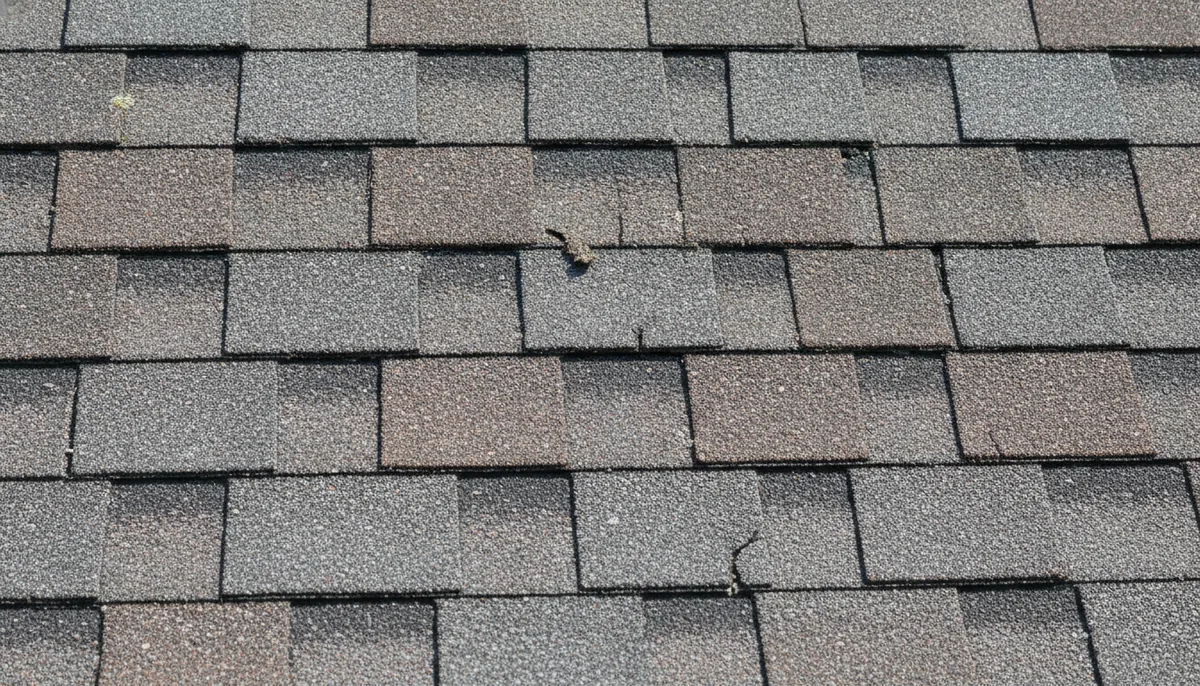
Emergency roof repair southwest Florida — How Bad Is It, Really?
By Dale Prescott, Roofing contractor, Central Florida. Reviewed by Hal Winstead, Editor, licensed roofing contractor. Let me tell you about a Tuesday in Fort Myers, about three years back. We got called out to a ranch house in a development off Six Mile Cypress where the homeowner had watched a single branch come down on her carport during a squall. She figured it was a small job, maybe a row of shingles and some felt. I got up top and found the branch had punched a hole the size of a basketball clear through the decking, and the water had been tracking down a truss and running inside the wall cavity for days. The carport was the last thing on the list by the time I climbed down. That house needed a whole new roof section, not a patch. That is the real story of emergency roof repair southwest florida — what looks fixable from the driveway rarely is.
I have been doing this for twenty-two years now, running tile and shingle crews between Orlando and the coast. I have torn off more storm-damaged roofs than I care to count. And the first thing I tell any homeowner who calls me in a panic is this: slow down. Water is coming in, yes. That part is urgent. But the decisions you make in the next 48 hours will follow you for a decade. You need to know what your insurance actually requires, whether the roof can be legally repaired at all, and who you are letting onto your ladder. If you need to start looking, I would point you to these emergency roofing companies in Florida — but read this first. Do not hire anyone until you understand the rules of the game.
The truth is, most emergency calls are not as bad as the homeowner fears, but they are worse than the quick fix they are hoping for. Water is a liar. It runs sideways along a truss, drops down an interior wall, and pops out three rooms away from the actual leak. By the time you see a stain on the ceiling, the damage path is already established. The fix is never just the shingle that blew off. The fix is the decking, the underlayment, the flashing, and sometimes the ceiling drywall below it.
Is It Actually an Emergency, or Just a Leak?
I get called out to "emergencies" all the time that are just leaks. A true emergency is when the structure is compromised — a tree through the roof, a big section of decking gone, or water pouring into an electrical panel. That is a get-someone-there-now situation. But a slow drip around a vent pipe? That is not an emergency. That is a Tuesday. You have time to make a good decision instead of a panicked one.
The flip side is also true. I have been wrong about this before. I have looked at a roof from the ground and told a homeowner it looked okay, only to get up there and find the whole north slope was delaminated. You cannot judge a roof from the street. The only way to know how bad it is, is to get a qualified person on the roof. And I mean qualified. Not your buddy with a ladder. Not a handyman who "does a little roofing on the side."
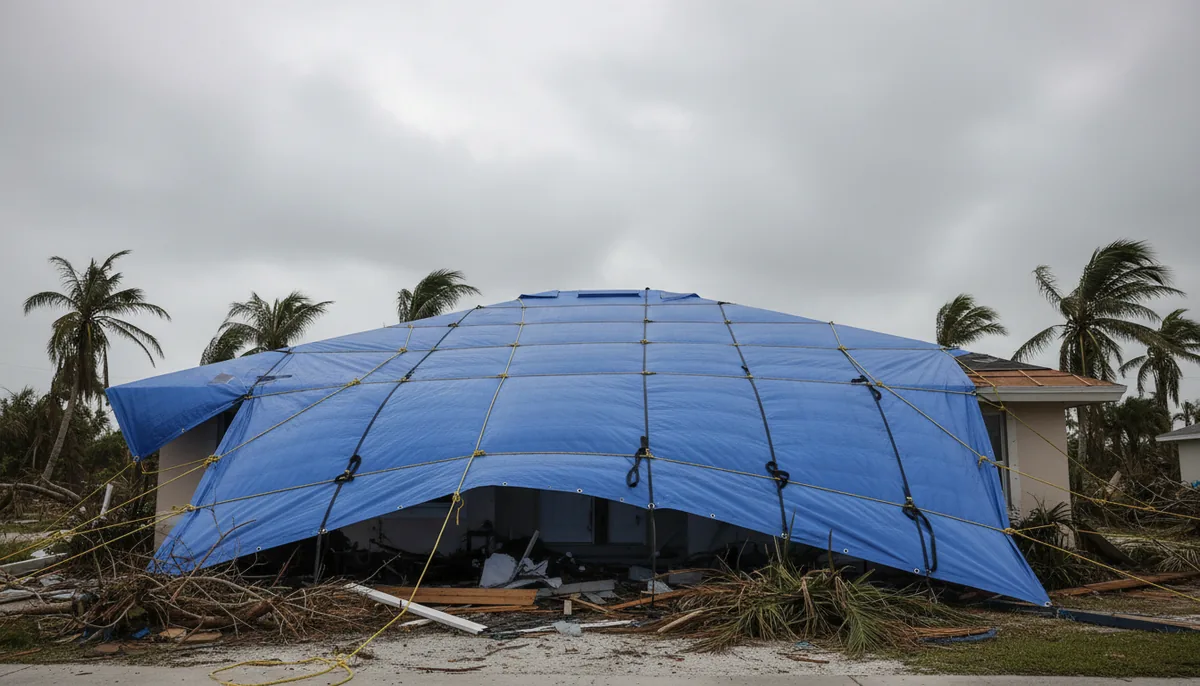
A real emergency repair means you need someone who can do a temporary tarp job to stop the active water intrusion, and then have a serious conversation about what comes next. Any contractor who tells you they can just slap a patch on it and make it last forever is lying to you. A patch buys time. It does not fix the roof.
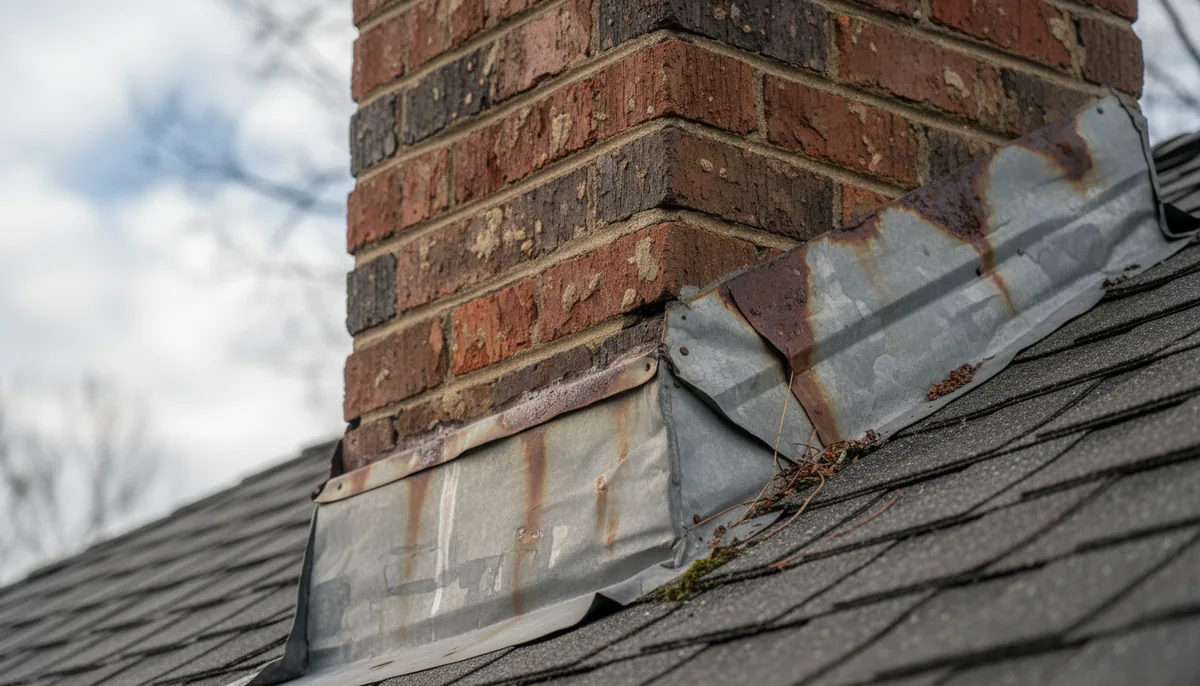
What Is the 25% Rule and Did It Change?
Here is where it gets confusing for people. For years, Florida had what we called the "25% rule." It came from the Florida Building Code. If you repaired or replaced more than 25% of your roof in any 12-month period, you had to bring the whole roof up to current code. That meant alot of homeowners with storm damage were forced into full replacements when all they wanted was a repair.
That changed with SB 4-D (2022), effective May 26, 2022. And this is a big deal. Under the new law, if your roof was built, repaired, or replaced under the 2007 Florida Building Code or any later edition, only the portion being worked on has to meet current code. A full replacement is no longer automatically triggered.
But — and there is always a but with Florida — that rule only helps if your roof qualifies. The 2007 edition of the code took effect on March 1, 2009. So if your house was built or re-roofed before that date, you are likely stuck with the old rule. If your home is newer, or had a roof replacement after early 2009, you can probably repair just the damaged section. I always tell people to check their permit history with the county before they assume anything. The date on your insurance renewal is not the date of your roof.
What I would actually do: Call the local building department with your address and ask for the roof permit history. Find out what code cycle your roof was permitted under. This one phone call takes ten minutes and will save you from making a hugely expensive mistake based on a guess.
The Insurance Clock Is Ticking — Do Not Miss It
This is the one that scares me the most. Florida homeowners are losing claims they should win because they wait too long to file. Under Florida Statute 627.70132, as amended in 2022, you have to give your insurer notice of an initial or reopened claim within one year of the date of loss. For a supplemental claim, you have 18 months from the date of loss.
Pay attention to that phrase: date of loss. Not the date you discovered the damage. Not the date the roofer found it. The date the storm actually happened. If you had a hurricane in October and you do not notice the leak until March because it only rains when the wind comes from the southwest, you might already be outside the window. I have seen it happen. It is brutal.
The law used to give you three years. It is now one year for initial claims. Missing the deadline gives the insurance company a complete defense, even if the loss is covered. That means you get zero, not a reduced payout. Zero.
Some homeowners know they have damage but are scared to file a claim because they think their rates will go up. That is a legitimate concern, and I am not going to tell you it is wrong. But here is the thing — if the damage is real, the repair cost is only going to go up. And if you wait too long, you lose the right to claim anything. You have to read your policy and your declarations page. I am not a lawyer and I am not an adjuster, so what I am telling you is the practical reality of the trade. The law is the law, and the deadline is cruel.
What I would actually do: If you know a storm hit your roof, file the notice with your insurer immediately, even if you are not sure how bad the damage is. You can always close the claim if it turns out to be nothing. You cannot open it if the deadline has passed. Read the form they send you, usually form OIR-B1-1802 for the official information, but the bottom line is you need to protect your place in line.
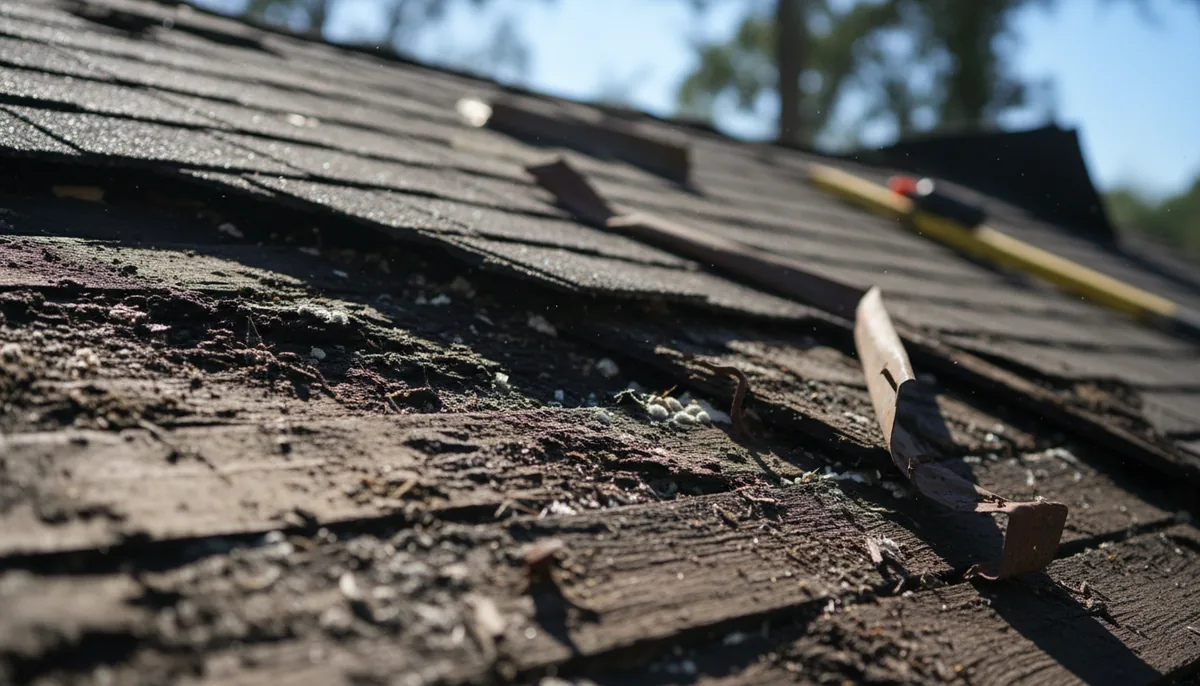
Can They Work on It Without a Permit? No.
Listen to me carefully. A roof replacement in Florida requires a permit pulled from the local building department, and an inspection. A repair can also require a permit depending on the scope of work. If a contractor offers to skip the permit, walk away. Do not even argue with them. Just show them the door directly behind their heels.
I have seen what happens to unpermitted roofs. When you go to sell the house, the buyer's inspector finds it, the title company finds it, and suddenly a three-thousand-dollar repair costs you a full roof replacement plus fines. And if the roof fails and you file an insurance claim, the carrier can deny it because the work was not done to code and was never inspected. You are taking on all the risk, and the contractor who skipped the permit is long gone.
It takes a little longer. It costs a little more. That is the price of doing it legally.
Is the Contractor Even Licensed?
Florida roofing contractors are licensed by the Department of Business and Professional Regulation, the DBPR. You need to verify the license number is active before you sign anything. There are two kinds of licenses, and the difference matters.
A certified roofing contractor holds a license begining with the prefix CCC and may work anywhere in the state. A registered roofing contractor holds a license beginning with RC and may only work in the local jurisdiction that licensed them. If a guy with an RC license from Hillsborough County is knocking on your door in Lee County, that is a red flag the size of a bedsheet.
Look for the DBPR licence prefixes CCC and RC. Ask to see the license. Then go to the DBPR website and check that it is active. The directory I mentioned earlier verifies licenses against the DBPR roll, but you should still check yourself. It takes five minutes.
And one more thing — storm chasers. After every big blow, out-of-state crews roll in with out-of-state trucks and no Florida license. They will be gone by Thanksgiving. You will be left with a warrantied roof that has no warranty because the company does not exist anymore. I have been in this business for over two decades. I know good local roofers, and I know that a one-man handyman operation with a magnetic sign on a minivan is not a roofing company.
What About Citizens and My Safe Florida Home?
There are a few programs worth knowing about. If you are insured by Citizens Property Insurance Corporation, they have been pushing hard on inspections and wind mitigation. They want to know the condition of your roof. A roofer can help you document that, but we are not inspectors. We can tell you what we see, but the insurance company makes the call on insurability.
For the state grant program, My Safe Florida Home, it provides matching grants for certain hurricane mitigation work. If you have an older roof and you want to harden your home against the next storm, that is something to look into. The funding depends on the legislature, so the availability comes and goes. But it is a real program, and it can help pay for improvements that strengthen your roof-to-wall connections or upgrade your roof cover.
Of course, a digression from me on all this homeowner nonsense these days. Last month I had a guy argue with me for twenty minutes that his 15-year-old architectural shingle roof was "fine" because the shingles were still laying flat. He did not care that the nail heads were rusted out or that the felt underneath was turning to sand. He just kept saying "look at the shingles, they look fine." I finally pulled one up with my bare hand and handed it to him. The whole tab came off in one piece. He went quiet. Then he said "well how much for a re-deck?" Some people have to see it to beleive it. I get it. Roofs are expensive. But that is exactly why you need someone you can trust.
Questions I get asked
Can I just patch the leak until I have money for the full replacement?
You can, but a patch only works if the leak is isolated and the underlying decking is sound. If the decking is wet or rotted, water will find it's way around the patch and just move down the slope. A patch is a short-term fix, measured in weeks or months, not years. And insurance will not care about your good intentions if the damage spreads.
Will my insurance company drop me if I file a claim?
I have to be straight with you — I do not know. That depends on your specific policy and carrier. I can tell you that in Florida, some carriers are non-renewing policies after any claim, and some do not. You have to read your policy documents and talk to your agent. But losing your coverage is not worse than eating the full cost of a new roof because you ignored a legitimate claim. The law says to tell the truth. I say tell the insurer what happened, and let the chips fall.
How long does an emergency roof repair actually take?
Depends what is under there. If the decking is sound and a tree branch just took out a few shingles, a good crew can have a repair done in a day. If we are re-sheathing half the roof, you are looking at a couple of days, plus weather delays, plus the inspection. Emergency work is not fast work if it is done right. Be suspicious of anybody who quotes you a same-day finished price over the phone before seeing the damage.
What should I do while I wait for the roofer to arrive?
If you have a leaking roof, put a bucket under the drip, move your furniture, and if you can do it safely, try to put a tarp over the damaged area to stop the ongoing water intrusion. But do not get on the roof yourself. Do not attempt to fix a hole. If the roof is actively collapsing or if there is water near electrical outlets, get out of the house and call 911. Otherwise, just document the visible damage with photos and wait. I know that is hard. But a falling homeowner is worse than a leaking roof, and the tarps my crew puts up are better than any tarp a homeowner with a ladder can manage.
Do I need to file a claim if I already paid for the repair myself?
If you already paid out of pocket and you want to be reimbursed, you need to have filed the claim within the one-year window. If you missed it, then the repair is just your cost of doing business. It is harsh, and I hate it, but the law is what it is. Always file the notice early, even if you decide to pay for the repair yourself. That costs you nothing and protects your option.
Is there a permit for repairs, or just full roofs?
Permits are for the scope of work, not just full replacements. A small repair under a certain size might not need one, but a reshingle of an entire slope, re-decking, or work that changes the roof structure definately does. Your contractor should know the local thresholds. If they tell you that no permit is needed for everything, get a second opinion. You do not want to gamble your house on their convenience.