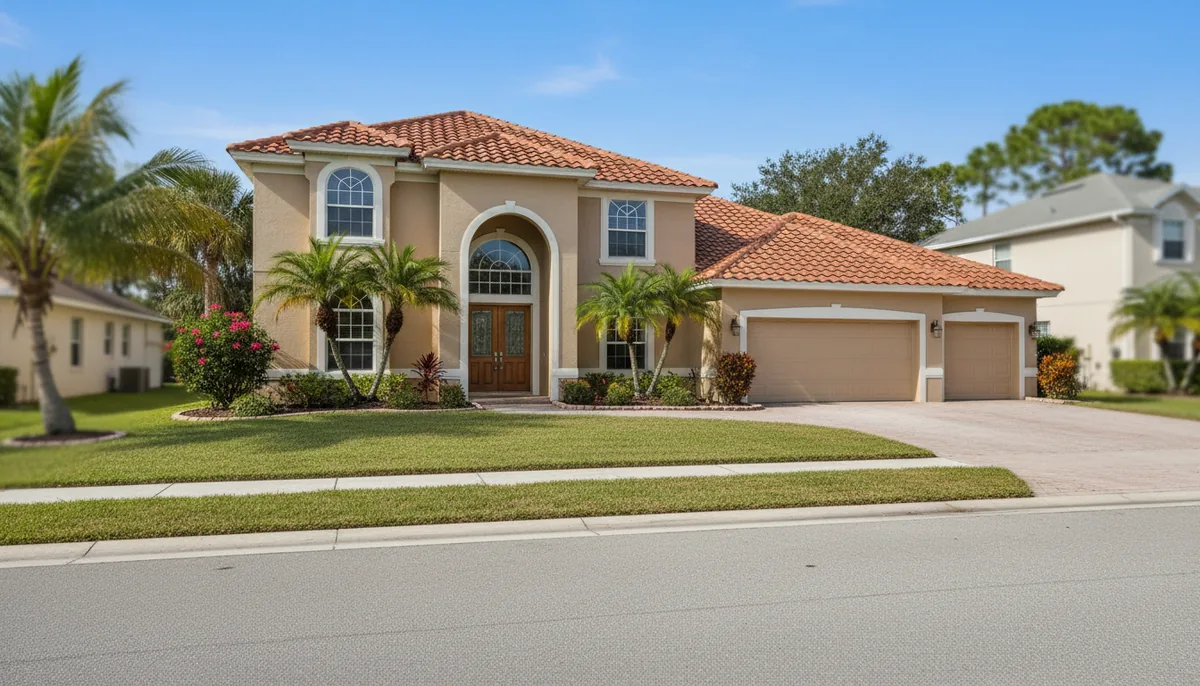
Roofing inspection checklist for florida storms: The Florida Guide
By Marcy Doleman, Commercial roofing estimator. Reviewed by Hal Winstead, Editor, licensed roofing contractor.
I remember a Tuesday afternoon in Naples, standing on a warehouse roof that had taken a beating from a squall line the night before. The owner was convinced a tree limb had done the damage. The limb was there, sure, but the real problem was a seam along the TPO that had lifted three years earlier and let water run straight into the insulation. We peeled back the membrane and the deck was rusted through in a spot the size of a frying pan. That is the thing about Florida storms—they don't always break what they hit. They find what was already weak.
If you manage a commercial property anywhere from Pensacola to Key West, you need a roofing inspection checklist for Florida storms that makes sense for flat and low-slope roofs. I do this for a living, and I can tell you the worst calls I get are the ones that started with someone walking the roof without knowing what to look for. If you do find damage, you want to know who is actually licensed to fix it, so start your search with the storm damage roofing companies in Florida listed here. That directory verifies licenses against the DBPR roll, which is more than most people do.
Before the storm season ramps up, get your own eyes on the roof. Then get a professional. But you need to know what you are looking at first.
What I check first when I get the call
The storm is gone. The sun is out. You walk the roof and see a few loose granules and a blown-off vent cap. That is not the full story.
I start at the perimeter. Copings, edge metal, and the termination bars on a TPO or modified roof take the first punch from wind. If the metal is loose or the screws are backed out, the membrane behind it is already flapping. Then I look at every penetration—pipes, curbs, HVAC units, conduits. A storm does not pull a pipe boot off often, but it will shove water sideways under a flashing that was never sealed right. Call it shoddy workmanship from five years ago, exposed for the first time by a hard rain.
The roof deck tells you what happened if you know how to read it. Wet insulation is heavy. It sags. It feels spongy under your boots. If you see low spots holding water that were not there before, the insulation underneath is wet, and that means the roof covering has failed somewhere. That water is also working it's way toward your ceiling tiles right now.
The 25% rule is not what it used to be
Before I talk about repairs, you need to understand the rule that changed everything for Florida roof replacements.
For years, the Florida Building Code said if you repaired or replaced more than 25% of a roof in any 12-month period, you had to bring the whole roof up to current code. That was the old 25% rule. Then SB 4-D (2022) came along. Now, if your roof was built, repaired, or replaced under the 2007 Florida Building Code or anything newer—and that code took effect on 1 March 2009—only the portion you are working on has to meet current code. Full replacement is no longer automatically triggered.
But here is the catch. If your roof is older than that, if it went in before 2009, the old rule can still bite you. I of been wrong about this before, and I have seen plenty of contractors be wrong about it too. The practical answer is this: before you pay for a large repair, call your local building department and ask. They are the ones who interpret it. Do not let a contractor guess.
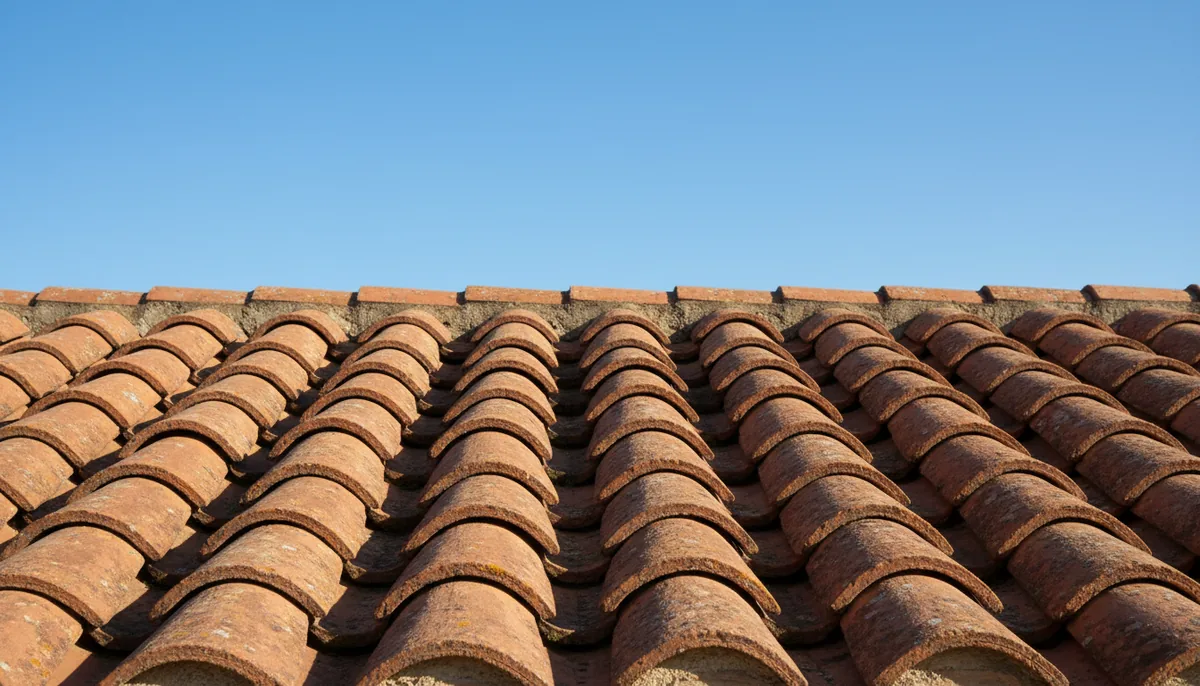
The checklist that actually works for Florida storms
You want the checklist. I get it. Every roofer has one, and half of them are useless. Here is the one I use when I walk a commercial roof after a storm, written so you can use it too.
- Roof covering condition. Bubbles, tenting, cracks, or creases in TPO or modified bitumen. Loose granules in the scuppers mean the cap sheet is deteriorating. Exposed fiberglass mat is an emergency.
- Flashing and perimeter metal. Look for separation at the seams, lifted edge metal, and missing screws. Wind gets under these like a crowbar.
- Penetrations and curbs. Check the sealant around every pipe, vent, and mechanical unit. Cracks in the sealant are water highways. A rainstorm does not fix itself later.
- Scuppers, gutters, and drains. A clogged drain turns a one-inch rain into a ponding event. I have seen roofs collapse from drains that were blocked by a single tennis ball. Not a joke.
- Interior signs. Look at the ceiling inside, especially around columns and walls. A brown ring is old damage. A fresh wet spot is active. Water travels, so the wet spot is rarely directly under the hole.
- Roof deck access. If you cannot safely walk the roof, do not. Get a drone or get a professional. Your safety is not worth a deductible.
That last point is where I sound like a nagging aunt, but I have seen property managers on sloped roofs in flip-flops. Hard no. If the roof is over a school or a retail plaza and has any standing water, stay off it until it dries.
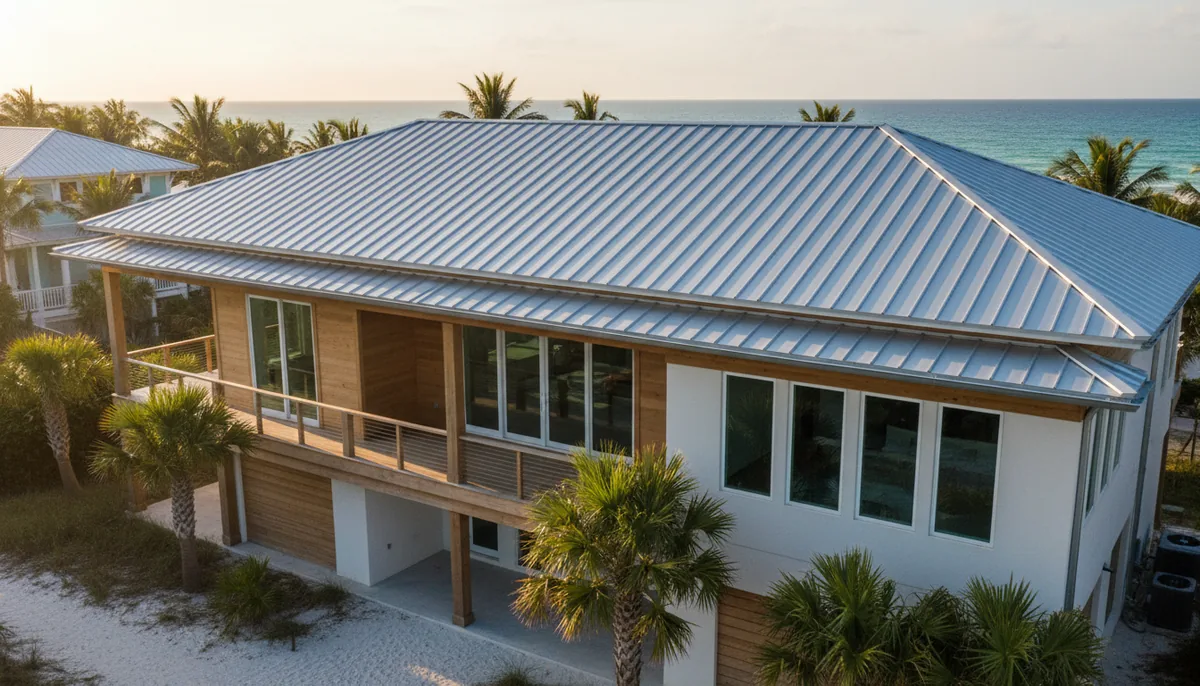
The storm-specific list for after the clouds clear
A regular annual inspection is one thing. The day after a named storm is another. Here is what I add to the storm inspection checklist for Florida storms.
- Look for ponding water in places that never pond. That is a sign the structure moved or the insulation got wet and sagged. Either way, you have a problem.
- Check the roof-to-wall connections from the inside. Walk the parapet line inside the building. Cracks in the block or at the roof deck edge mean the roof lifted and settled back. That is structural, not cosmetic.
- Look at nearby trees. A branch does not have to hit the roof to damage it. A branch rubbing against the membrane for three hours in a hurricane can wear through a layer.
- Photograph everything. Take close-ups of any damage and wide shots showing where it is on the roof. Your insurance adjuster will want them. You will thank me later when your memory of the storm has faded.
One thing I will say about insurance: coverage varies by policy. I cannot tell you what your policy covers because I do not read them for a living, and every one is different. But there is a specific inspection that can help you regardless of storm damage, and you should know about it.
The wind mitigation inspection nobody tells you about
You do not need storm damage to benefit from a wind mitigation inspection. This is a seperate, voluntary inspection that documents six things on your roof: the roof covering, the roof deck attachment, the roof-to-wall connection, the roof geometry, the secondary water resistance, and the opening protection on your windows and doors. It goes on a standard form, OIR-B1-1802.
Why does that matter? Because Florida insurers must offer premium discounts for qualifying features. The inspection usually costs a fraction of what the annual discount is worth. If your building has a hip roof, or hurricane straps, or a secondary water barrier, you might be leaving money on the table every year. Even if you paid for a roof replacement recently, you want this inspection done so the insurance company knows what you have.
Does your building qualify for a My Safe Florida Home grant? That program is for homesteaded residences, not commercial, so most of you reading this will not be eligible. But the idea behind it is the same: hardening your building against wind is worth money from the insurance side, not just the safety side.
What I would actually do: If you are a school district facilities manager or a retail property owner and you are watching a roof age past 15 years, pay for a wind mitigation inspection this year, not after a storm passes through. The discount kicks in now, and the inspection gives you a baseline of what is on your roof. When the storm does come, you will have a document showing what condition your roof was in before the damage.
The permit and licensing issue that will get you in trouble
Here is my pet peeve, the one thing that makes me want to throw a clipboard. A contractor offers to "skip the permit" to save you time on an emergency repair. Walk away. A roof replacement in Florida requires a permit from the local building department and an inspection. That is not paperwork for fun. That inspection protects you from a roofer who says they nailed the deck down when they did not.
An unpermitted roof can absolutely complicate an insurance claim. It can also ruin a future sale when the buyer's attorney runs the permit history and finds nothing. I have seen it happen. Roofers who skip permits are the same roofers who show up with a trailer and a "storm special" sign two days after a hurricane. There is no license number on that trailer, or if there is, it might be from another state.
Florida roofing contractors are licensed by the Department of Business and Professional Regulation. There are two types. A certified contractor has a license number starting with CCC and can work anywhere in the state. A registered contractor has a number starting with RC and can only work in the local jurisdiction that licensed them. Always verify the number is active before you hire. The directory I linked above verifies against the DBPR roll, but you should still ask to see the license and check the number yourself. It takes two minutes.
What I would actually do: Ask for the license number before anyone gets on a ladder. Then check it against the DBPR roll on your phone while they wait. If they hesitate, they are not your roofer. If they get defensive, they are definately not your roofer. The good ones will tell you their number before you even ask because they know you should check.
Questions I get asked
How do I know if I need a full roof replacement after a storm?
That depends on the age of your roof, the extent of the damage, and what is under the covering. If the membrane is breached and the insulation is wet, I usually recommend replacement because drying wet insulation in a commercial roof is not practical. If the damage is just to a flashing or a small section of membrane and the roof is less than 15 years old, a repair can be the right call. Have a professional test the moisture content before you decide.
Is the wind mitigation inspection worth it for an older building?
Older buildings often benefit the most because they may have retrofits that the insurance company does not know about. Even a roof with secondary water resistance can earn a discount. The inspection typically costs less than the discount you can get in the first year. Check with your insurer about the specific form, OIR-B1-1802, and what discounts they offer.
What should I do immediately after I notice a leak during a storm?
Put a bucket under it, move anything valuable, and document the damage with photos. Do not put a tarp on the roof during active lightning. When the storm passes, call a licensed roofer for an emergency tarp or a temporary repair. Then file your claim. The insurance company will send an adjuster, and they will want to see the damage before you do a permanent repair.
Will my insurance drop me if I file a claim?
I cannot speak for any specific insurance company, and coverage varies by policy. What I can tell you is that Citizens Property Insurance Corporation and other Florida insurers have been tightening rules, so read your declarations page and understand your deductibles. Some policies have a separate hurricane deductible that is percentage-based, and that number can be a shock. Know it before you file, not after.
Can I get a grant from My Safe Florida Home to fix my commercial roof?
No. My Safe Florida Home is a program for residential homesteaded properties, not commercial buildings. If you own a warehouse, retail plaza, or school, that program will not apply to you. For commercial properties, your best return is usually the wind mitigation inspection discount and making sure your roof is maintained so a minor storm does not turn into a major insurance claim.
How long does a TPO roof last in Florida?
We have TPO roofs out there pushing 25 years, and we have TPO roofs that failed at eight because they were installed poorly or on a building with high internal temperatures. The material is only part of the story. The seams are where the roof lives or dies, and the seams depend on who was swinging the heat gun that day. I have seen beautiful installations last forever and sloppy ones leak within a year. Pay for the installation quality, not just the material brand.
The bottom line for any Florida property manager is simple. Walk your roof after every storm. Know the age of your roof and its code status. Get your wind mitigation inspection done while the wheather is calm. And when you hire someone, check the license with the DBPR before they start. Storms will come. Whether they become a disaster or an inconvenience is usually decided years before the rain starts falling.